
The question of converting LPG (Liquefied Petroleum Gas) forklifts to run on gasoline, or performing the reverse conversion, is a complex one rooted in the fundamental differences between internal combustion engine design and fuel delivery systems. At first glance, since both power sources operate within an internal combustion framework, conversion might seem like a straightforward swap of fuel tanks and lines. However, the reality is far more intricate, involving critical changes to the engine's compression ratio, ignition timing, and fuel metering components. LPG, being a gaseous fuel with a high octane rating, requires a higher compression ratio for optimal efficiency and burns in a cleaner manner. Gasoline, a liquid fuel with a typically lower octane rating, is designed for lower compression ratios. Therefore, a forklift engine is meticulously engineered from the factory for a specific fuel type. Converting an LPG forklift to gasoline is particularly challenging and often ill-advised, as the high-compression LPG engine is not suited for gasoline, which could lead to severe engine knocking and damage. The reverse conversion—gasoline to LPG—is more commonly undertaken but remains a significant engineering task far beyond a simple bolt-on kit, demanding specialized expertise to ensure operational safety and engine longevity.
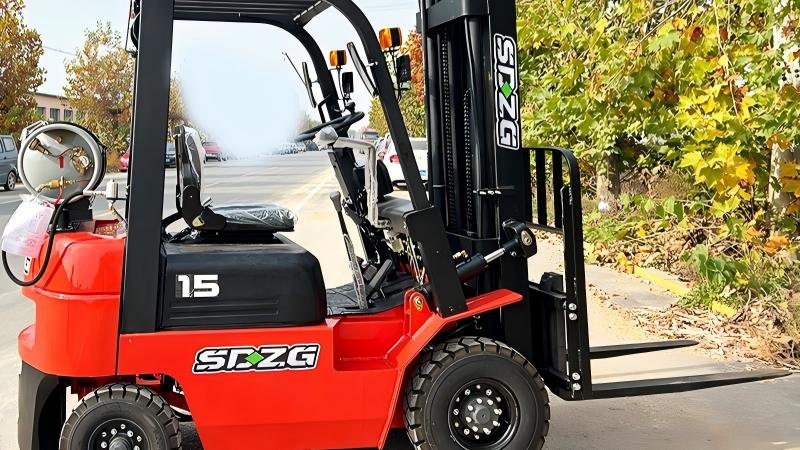
The technical process of converting a gasoline-powered forklift to LPG is the more plausible of the two scenarios and involves a comprehensive systemic overhaul. This conversion is not merely about installing a distinctive large cylindrical LPG tank; it requires the integration of an entire new fuel system. This system includes a high-pressure regulator, often called a vaporizer, which converts the liquid LPG into a gas, a specially designed carburetor or a sophisticated fuel injection mixer assembly that blends the gaseous fuel with air, and dedicated solenoid valves to shut off the fuel flow securely. The ignition system must also be recalibrated, as the advanced timing required for LPG differs from that of gasoline. Crucially, the engine's valve seats and stems, which are lubricated by certain additives in gasoline, may face accelerated wear when running on dry LPG, necessitating the installation of hardened valve seats in many engines for long-term durability. While professional conversion kits exist, they require installation by certified technicians to prevent gas leaks, ensure proper air-fuel ratio, and maintain the structural integrity of the forklift's frame and counterweight. A poorly executed conversion is a major safety hazard, risking fire or explosion, and will almost certainly lead to poor performance and costly engine repairs.
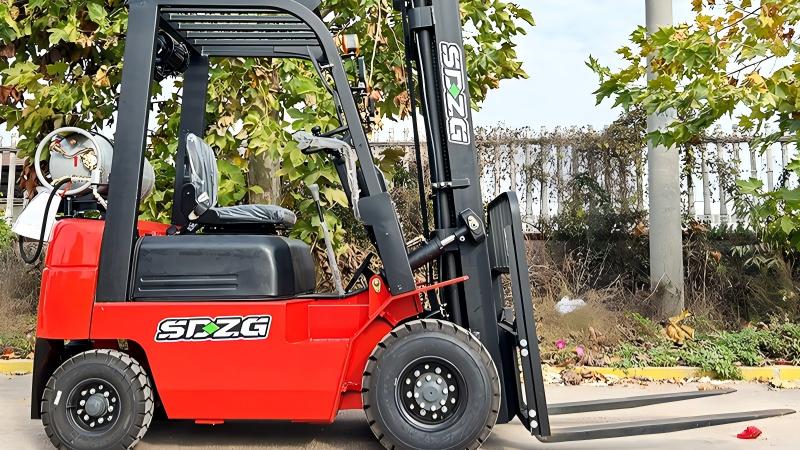
From an economic and operational perspective, the decision to convert a forklift must be weighed carefully against the alternative of simply purchasing a new or used unit designed for the desired fuel. The initial cost of a high-quality conversion kit and professional installation can be substantial, often representing a significant fraction of the value of the forklift itself. Businesses must conduct a thorough analysis, factoring in the local price differential between LPG and gasoline, projected maintenance costs, and the expected remaining service life of the existing forklift. LPG is renowned for burning cleaner, which reduces carbon deposits in the engine and extends oil life, whereas gasoline engines can accumulate more sludge and require more frequent spark plug changes. However, the primary advantage of LPG is its suitability for indoor use with proper ventilation, whereas gasoline forklifts are strictly for outdoor applications due to toxic carbon monoxide emissions. Therefore, a company might consider converting a gasoline forklift to LPG if their operations shift from exclusively outdoors to include indoor warehouse use, making the conversion a strategic necessity rather than just a cost-saving measure.
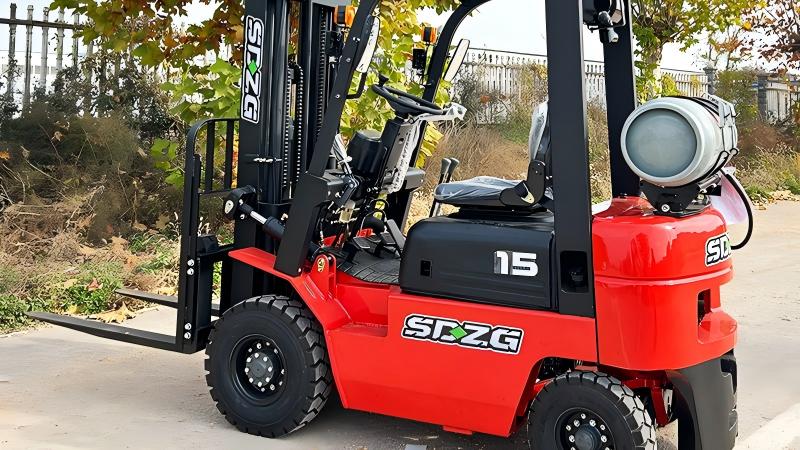
In conclusion, while the technical possibility of converting forklifts between LPG and gasoline exists, it is a path fraught with engineering challenges and significant financial investment. The conversion from gasoline to LPG is a documented, though non-trivial, process that can be successful with professional expertise. The reverse conversion from LPG to gasoline is generally not recommended due to fundamental engine incompatibilities that can lead to immediate and severe damage. For most businesses, the more reliable and often more economically sensible solution is to acquire a forklift that is originally manufactured for the intended fuel type. This ensures optimal performance, maintains factory safety certifications and warranty, and provides long-term operational reliability. Before embarking on a conversion project, it is imperative to consult with forklift manufacturers and certified conversion specialists to obtain a realistic assessment of costs, benefits, and potential risks involved.
Post time:Nov.17.2025
