
Effective troubleshooting of wheel loader hydraulic problems demands a systematic, safety-first approach, beginning with a clear understanding of the symptoms before any disassembly occurs. The most common indicators of hydraulic distress include visible fluid leaks, weak or slow operation of the boom and bucket functions, uncharacteristic noises like whining or knocking, excessive heat generation from the hydraulic oil reservoir or lines, and erratic or uncommanded cylinder movement. Before delving into complex diagnostics, operators must perform fundamental checks: verifying the hydraulic oil level and condition, inspecting the filter condition indicator, and ensuring there are no obvious external leaks or damaged hoses. Contaminated or degraded oil is a primary culprit for systemic issues, as it can lead to increased wear, valve stiction, and pump cavitation. A thorough visual and auditory inspection while the machine operates at low throttle in a safe, clear area can often pinpoint the general area of concern, such as a hissing leak or a groaning pump. Understanding the machine’s service history is also crucial; recent repairs or component replacements can sometimes introduce air into the system or be the source of new problems. This initial phase of observation and basic verification is not about fixing the problem but about gathering critical data. It narrows down the vast potential causes—from simple low fluid to catastrophic pump failure—and establishes a baseline for more targeted diagnostics, ensuring time and effort are not wasted on irrelevant checks.
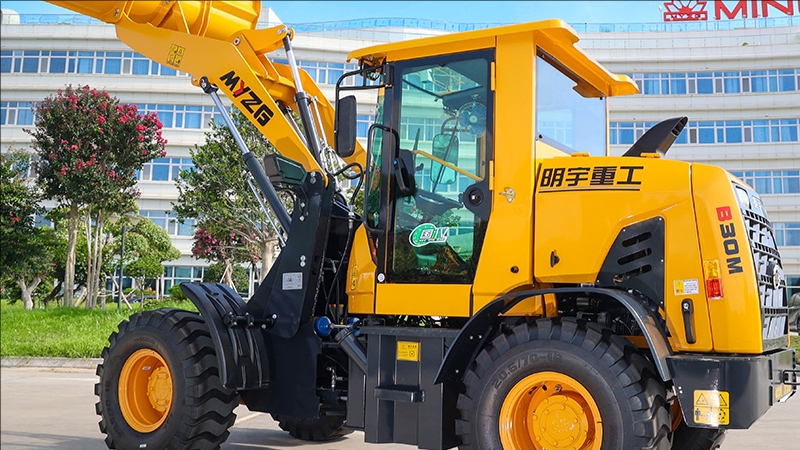
Once preliminary checks are complete, a more focused investigation based on the specific symptom is required. For hydraulic leaks, the source must be precisely identified. High-pressure leaks at fittings or hoses are often obvious, but cylinder seal leaks may only be evident when the cylinder is under pressure in a specific direction. Adding a fluorescent dye to the hydraulic oil can help trace slow, internal leaks. For weak or slow operation, the diagnostic path branches significantly. It is essential to determine if the weakness is universal (affecting all functions) or isolated. Universal weakness often points to a system-wide issue like a failing main hydraulic pump providing insufficient flow and pressure, a clogged suction strainer causing pump cavitation, a malfunctioning main relief valve dumping pressure prematurely, or severely degraded oil. Isolated weakness in one circuit, such as only the bucket tilt being slow, points to localized problems: a failing cylinder seal allowing internal bypass, a dysfunctional directional control valve spool for that circuit, or a crossover relief valve specific to that function. Using a flow meter and pressure gauges to test pump output and system pressure at various points is the professional method to quantify these losses. For overheating, the causes can be interrelated. Continuous operation of the system at high pressure with the relief valve engaged, a clogged oil cooler (externally with debris or internally with sludge), improper oil viscosity, or a failed bypass valve in the cooler circuit are common reasons. Overheating is particularly damaging as it accelerates oil degradation and seal hardening, leading to a vicious cycle of worsening problems.
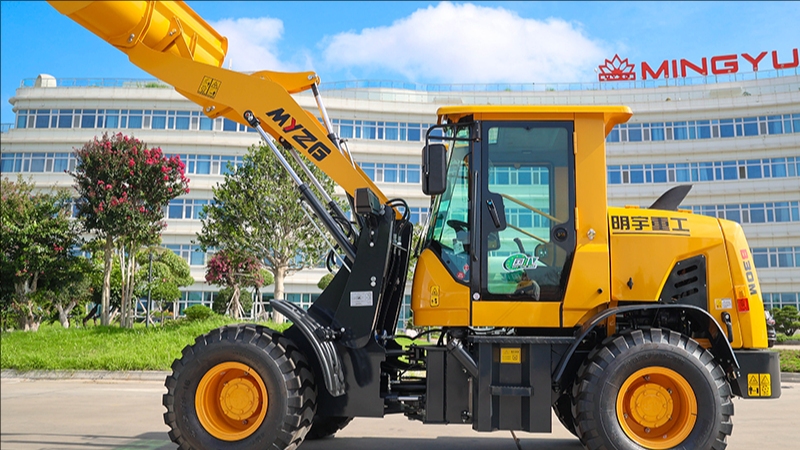
The heart of many hydraulic woes lies in critical components: the pumps, valves, and actuators. Hydraulic pumps (gear, piston, or vane) are wear items. Symptoms of a failing pump include loud whining or cavitation noise (often due to a restricted inlet or aerated oil), failure to build or maintain pressure leading to weak performance, and excessive case drain flow. Testing case drain flow is a definitive pump health check. Control valves, especially the main control bank and individual spool valves, can suffer from worn spools and bores, sticky spools due to contamination or varnishing, or failed internal seals. Erratic cylinder movement or "drift" (cylinders retracting or extending on their own) strongly implicates valve issues. Hydraulic cylinders can fail internally when piston seals wear, allowing high-pressure oil to bypass from one side of the piston to the other, causing the cylinder to creep or fail to hold a load. External cylinder leaks at the rod seal are more obvious. Hydraulic motors for fan drives or implement functions can also fail, exhibiting symptoms similar to a weak pump—loss of torque and speed. Diagnosing these components often requires isolating them from the circuit, using test ports to measure pressure upstream and downstream, and sometimes bench-testing. A systematic process of elimination, guided by the machine's hydraulic schematic, is necessary to avoid misdiagnosis and unnecessary parts replacement.
Post time:Feb.04.2026
