
How to Choose Skid Steer Tires for Mixed Jobsites: A Practical Buyer Checklist
Practical buyer answer: How to Choose Skid Steer Tires for Mixed Jobsites: A Practical Buyer Checklist ZGLOADER / MYZG skid steer loader. Shandong Zhuogong Machinery equipment Co.,Ltd
Practical buyer answer
A skid steer tire choice is a jobsite decision, not a cosmetic option. A machine may move between concrete, compacted gravel, soil, demolition debris and landscaped areas, and each surface asks for a different balance of traction, cushioning, puncture resistance, wear and ground disturbance. Start by listing the surfaces that account for most working hours, then separately identify the harshest short-duration task. The best all-round configuration is usually the one that covers the regular work without creating unacceptable risk on the difficult portion of the route.
skid steer loader ZGLOADER / MYZG
For firm pavement and clean concrete, focus on predictable steering, braking and even wear. Frequent tight turns can scrub tread because skid steering pivots the tires against the surface; aggressive spinning also raises heat and accelerates wear. For compacted gravel or mixed soil, useful tread engagement and casing durability may matter more than a smooth ride. Deep loose material, wet clay, sharp demolition waste and rebar are different cases. Describe what actually contacts the tires, rather than using broad labels such as construction site or farm work.
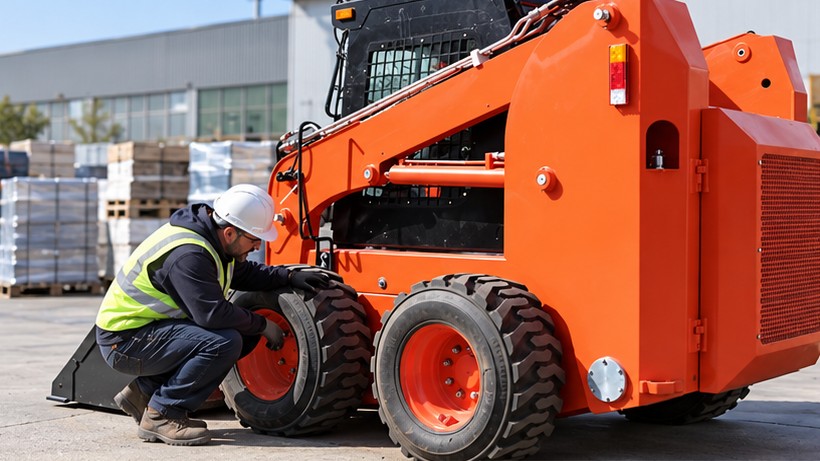
Pneumatic tires can provide cushioning and a broad range of tread choices, but a puncture can interrupt a shift. Solid or puncture-resistant constructions may suit some debris-heavy applications, yet they can change ride, vibration, tire mass and the way loads are transmitted through the machine. Foam-filled or other specialized options also have trade-offs. Do not assume that one construction is universally safer or longer-lasting. Ask which sizes and constructions are approved for the exact loader, axle, rim and duty, and compare supplier documentation before changing the original specification.
skid steer loader ZGLOADER / MYZG
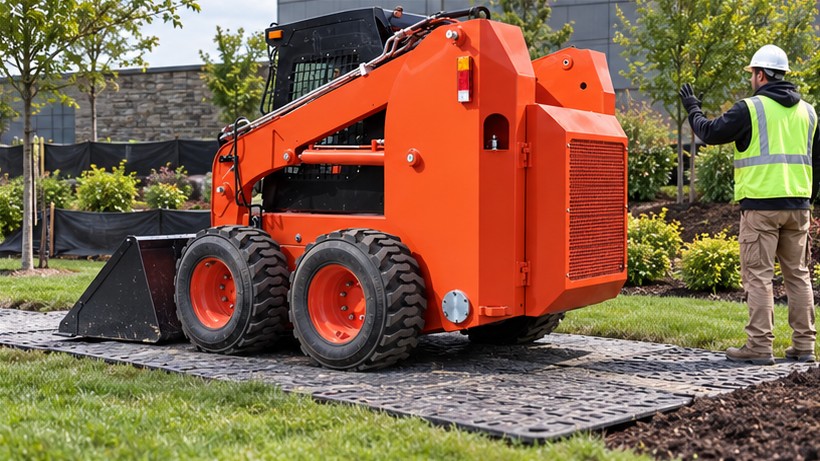
If surface protection is important, assess the whole machine and work method instead of relying on a tire name. Tire footprint, pressure where applicable, machine mass, attachment, payload, turning technique, soil moisture and repeated travel all affect ground impact. On turf or finished paving, make a controlled trial on a representative area, mark the route, minimize pivot turns and inspect the surface afterward. Mats can help where suitable, but their load rating, placement and edge transitions must be checked. A wheeled skid steer is not automatically the right choice for saturated or highly sensitive ground.
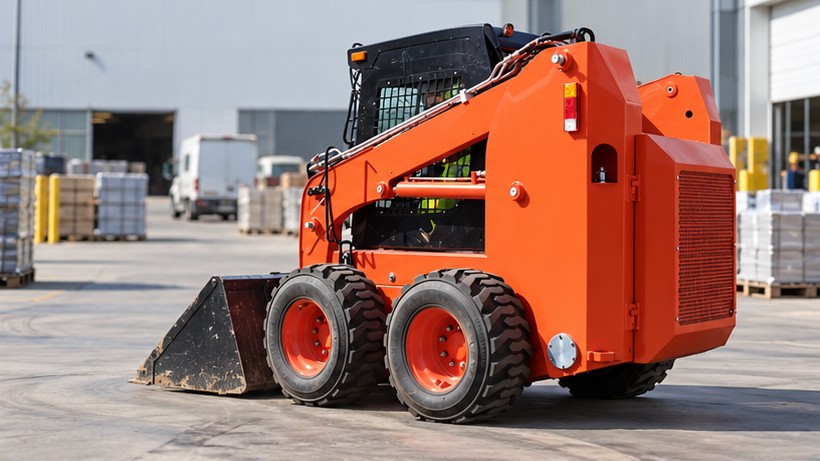
Traction is also a system question. Tire tread cannot compensate for an unsuitable route, excessive slope, soft shoulders, poor drainage or a load that changes stability. Map turning points, ramps, thresholds and reversing zones; consider whether material can be staged closer to the work. Keep the bucket low while traveling, use a controlled speed and follow the loader manual for slopes and load handling. If conditions become slick or the machine repeatedly loses grip, stop and reassess rather than relying on higher engine speed or rapid steering corrections.
skid steer loader ZGLOADER / MYZG
Practical buyer answer
Before comparing quotations, request the tire make and size, tread pattern, load and speed ratings, rim compatibility, inflation instructions if pneumatic, and confirmation that the offered combination matches the machine. Ask whether an attachment, counterweight or other option changes the approved tire configuration. Compare expected puncture exposure, availability of replacement tires, local repair capability and the cost of downtime. Record the machine hours spent on each surface so a trial can be evaluated against real operating data rather than a short demonstration alone.
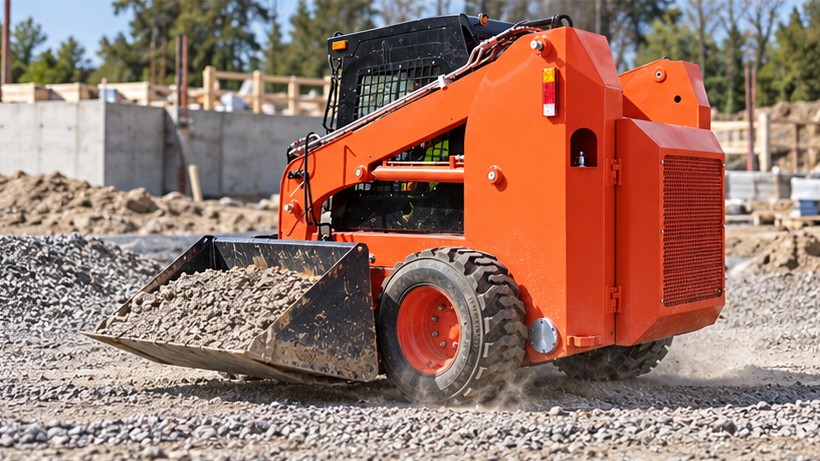
A practical inspection routine supports any tire choice. Before work, check for cuts, exposed cords, embedded debris, sidewall damage, uneven wear, missing hardware and visibly low inflation where applicable. Check wheel fasteners and follow the model-specific maintenance schedule; never work beneath an unsupported loader or adjust a tire without suitable training and equipment. After a puncture, impact or unusual vibration, park safely and have the machine inspected. Keep a record of tire position, hours, surface and damage so recurring problems can guide future specification decisions.
skid steer loader ZGLOADER / MYZG
The ZGLOADER / MYZG JC60 product information can help buyers discuss the exact machine and available configuration, while the final tire specification must be confirmed for the ordered unit. Share photographs of the route, surface, debris and typical load, along with daily hours and the proportion of time on each terrain. Shandong Zhuogong Machinery equipment Co.,Ltd can review those details with you before quotation. Contact WhatsApp +86 131 7691 0558 or MYZG@my-forklift.com. Follow the delivered machine manual, tire-maker guidance and local worksite safety rules; this checklist is a planning aid, not a substitute for approved technical data.
A useful purchase decision can be summarized in a one-page surface plan: regular ground, worst-case ground, indoor or finished areas, expected debris, turning frequency, daily hours, payload and service support. Have the supplier confirm the exact approved tire and wheel assembly in writing and identify any limits that apply to travel, load or speed. If your work changes seasonally, note when mud, snow, heat or sharp material becomes common and ask whether a second approved setup is practical. Clear records make it easier to protect the machine, budget replacement parts and keep the loader productive without assuming that one tire solves every site condition.
Shandong Zhuogong Machinery equipment Co.,Ltd
ZGLOADER / MYZG
WhatsApp: +86 131 7691 0558
Email: MYZG@my-forklift.com
Website: https://www.my-forklift.com/
Post time:Oct.21.2026
