
ZGFORKLIFT / MYZG CDDH All-Terrain Electric Pallet Stacker for Workflow Survey and Labor Efficiency
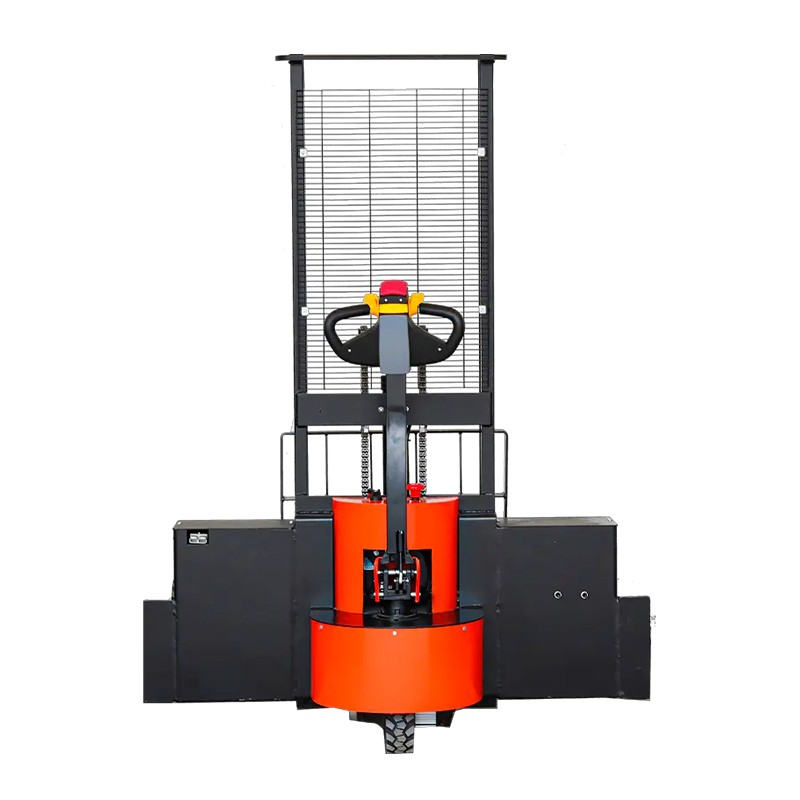
ZGFORKLIFT / MYZG CDDH All-Terrain Electric Pallet Stacker for Workflow Survey and Labor Efficiency
CDDH All-Terrain Electric Pallet Stacker by ZGFORKLIFT / MYZG is presented for buyers who need a practical way to lift, position and move palletized goods. Shandong Zhuogong Machinery equipment Co.,Ltd uses the verified source model for the technical reference on this page. The page focuses on the work to be done, the site constraints and the support required after delivery. Rated capacity is 1500 / 2000 kg; the ordered configuration and residual capacity at height are confirmed in the written quotation. view the stacker category.
Application-led material handling solution
A useful purchase decision begins with the actual pallet rather than a headline number. Record pallet length, width, height, fork-entry direction, maximum gross mass and the distance from the fork face to the load center. Add the target beam height, doorway clearance, aisle width, turning space, floor joints, gradients, hourly cycles and shifts. This information lets the supplier match capacity, mast, forks, wheels and operating method to a real job instead of assuming one standard build fits every site.
Verified specification reference
review a verified related source product.
| Verified platform | MYCDD-H all-terrain electric stacker |
| Rated capacity options | 1500 / 2000 kg |
| Load center | 500 mm |
| Overall length / frame width | 1730 / 1570 mm |
| Wheelbase | 1178 mm |
| Fork size | 1070 × 100 × 35 mm |
| Fork outside width | 210–960 mm |
| Minimum turning radius | 1355 mm |
| Drive / lift motor | 1.5 / 2.2 kW |
| Battery | 24 V / 120 Ah |
| Configuration note | Lowered fork height, mast and residual capacity are confirmed in the quotation |
Warehouse and storage applications
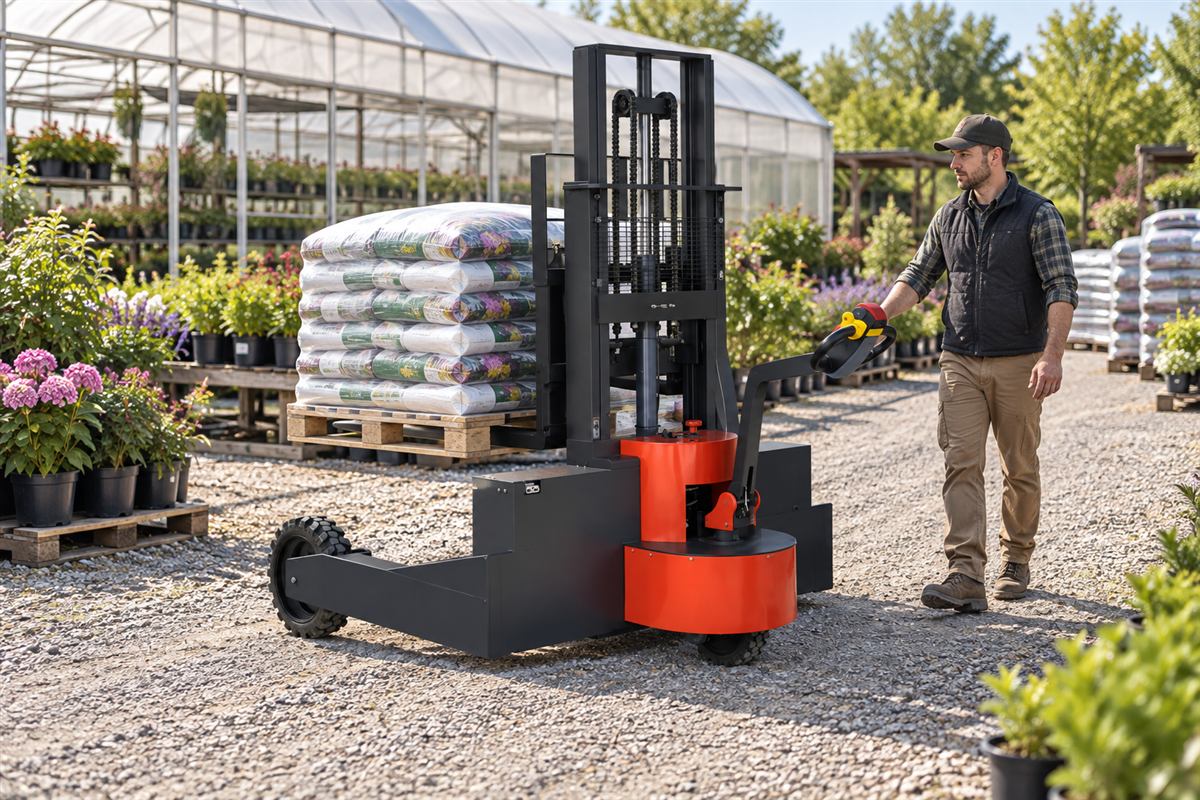
In warehouses, CDDH All-Terrain Electric Pallet Stacker can support receiving, pallet staging, rack replenishment and order dispatch where the selected configuration is suitable. The operator needs clear visibility, stable loads and a measured route. Allow space for pallet overhang, rack guards, columns, fire equipment and pedestrians. Published dimensions help the first layout review, but a route survey and residual-capacity check remain necessary before approval.
Production and workflow support
For production supply, the machine can move packaged components, work in process and finished goods between controlled stations. Buyers should review load stability, container design, fork pockets, traffic separation and floor cleanliness. Food, pharmaceutical, electronics and other sensitive environments may require specific wheel materials, cleaning routines or charging controls. These requirements must be written into the quotation rather than assumed from general product photographs.
Choosing the correct configuration
Choose capacity from the heaviest expected load, not the average. A long pallet moves the center of gravity forward and may reduce capacity at lift height. Compare collapsed mast height with doors and ceilings, and compare raised height with sprinklers, lights and beams. Ask for the load chart for the proposed mast. Attachments, nonstandard forks and unusual loads must be reviewed because they change geometry, weight and residual capacity.
Buying and quotation checklist
A complete request for quotation should include load photographs or drawings, pallet type, required lift, aisle and door measurements, surface condition, travel distance, shifts, ambient temperature, destination, electrical supply when applicable and required documents. Ask suppliers to list capacity, mast, battery or hydraulic arrangement, charger, wheel type, included spares, warranty scope, lead time and packing. Comparing identical line items prevents a low price from hiding a different configuration.
Floor, aisle and route review
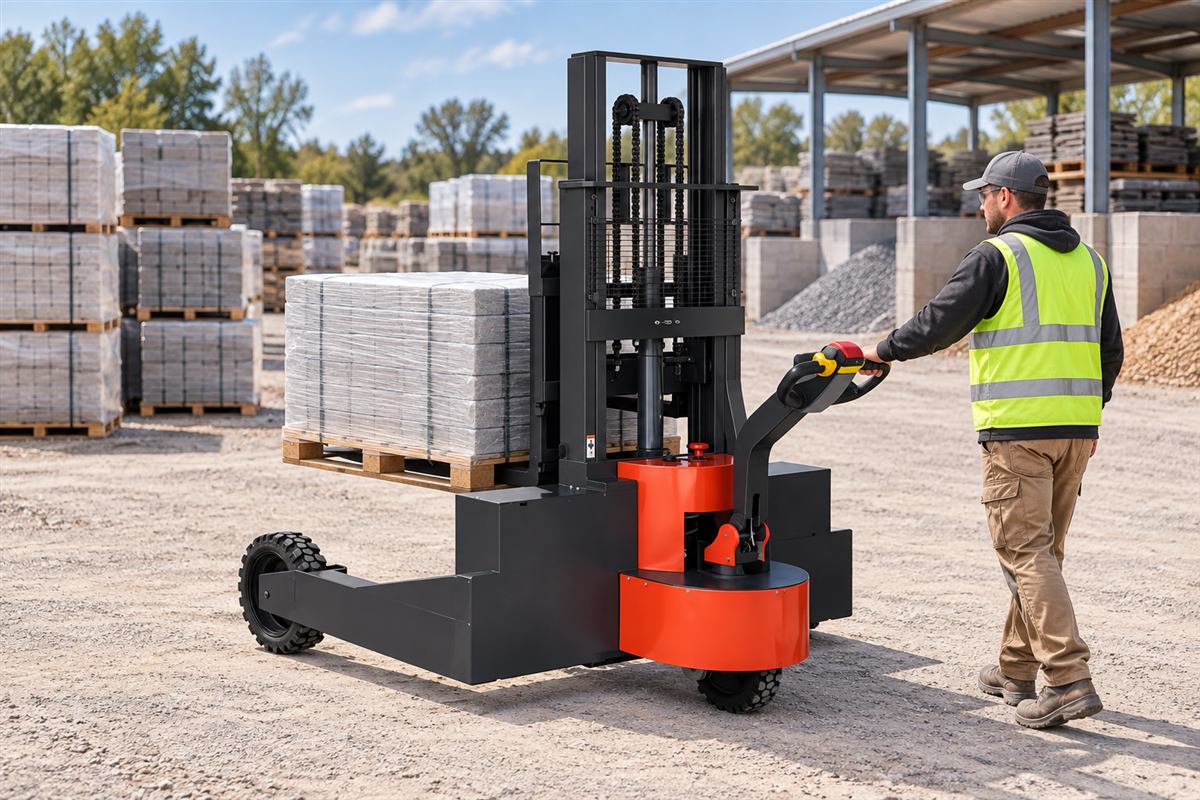
The route affects productivity as much as the machine. Inspect potholes, thresholds, drains, dock plates, ramps, wet areas and tight corners. Confirm floor loading and rack condition with the responsible site team. Keep operating areas level and within the instructions supplied for the selected unit. A source-listed gradeability or clearance value is a reference, never permission to use an unsafe slope or damaged surface. read more application and buying content
Energy or operating planning
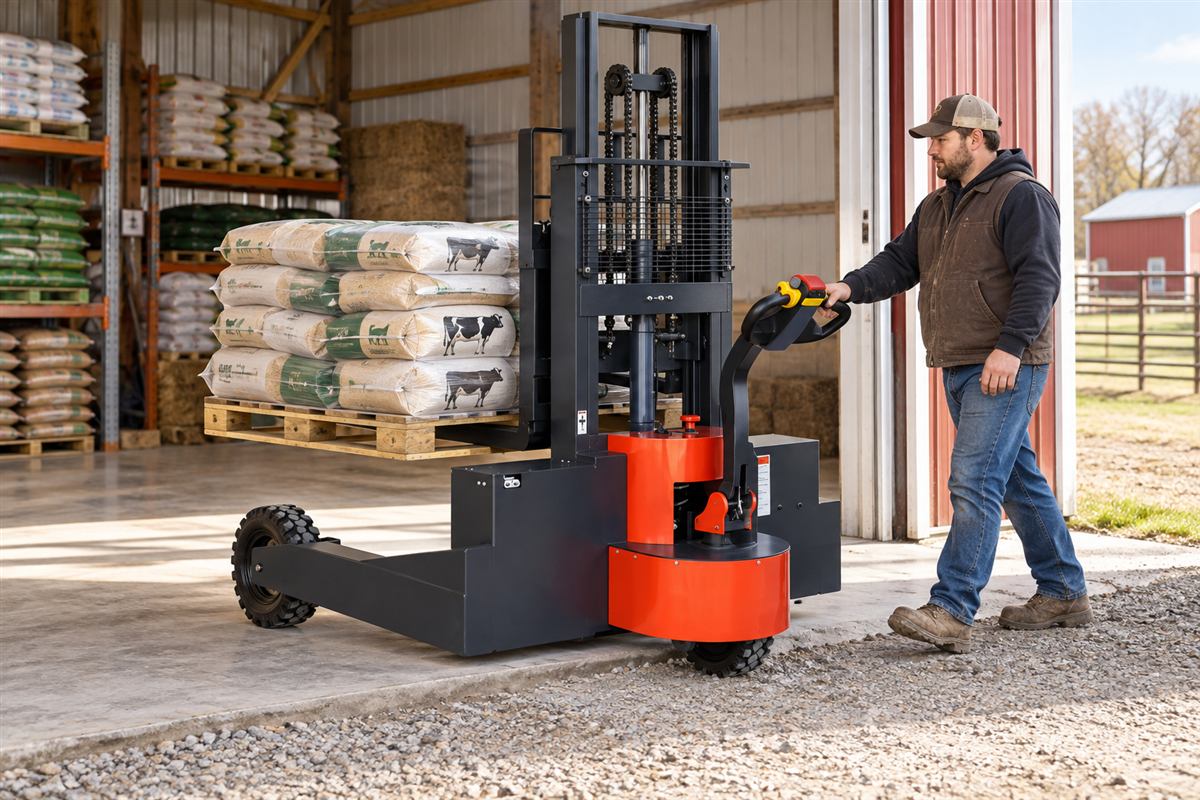
For electric or semi-electric variants, runtime depends on travel, lift cycles, load, temperature, floor resistance and operator habits; battery capacity alone cannot promise a shift length. Plan charging ventilation, cable protection, correct electrical input and inspection responsibility. For the CTY manual version, plan operator effort, travel distance and duty cycle instead of charging. In every case, power details and market plug or manual-hydraulic arrangement are confirmed before order.
Safety and operator preparation
Operator preparation covers pre-use inspection, load-center awareness, fork entry, pedestrian priority, horn use where fitted, corner speed, visibility, parking and emergency procedures. Never travel with a raised load or exceed the confirmed load chart. Damaged pallets, unstable packages and blocked routes require correction before movement. Site rules, barriers and training remain essential even when the machine includes safety switches or protective controls.
Maintenance and total ownership cost
Total ownership cost includes energy or labor, planned maintenance, wheels, forks, mast rollers, chains, bearings, hydraulic seals, batteries and chargers where fitted, downtime and operator time. Daily checks should look for wheel damage, leakage, abnormal noise, fork wear, chain condition, fastener looseness and safety-device function. Maintenance intervals follow the delivered manual and duty severity. A clean service history supports uptime and resale value.
Parts and after-sales support
Parts support works best when the owner records the model, serial number and delivered configuration. A sensible opening stock may include approved wear items after the exact build is known. Remote diagnosis is faster with a clear symptom, operating conditions, photographs, video and controller indications when applicable. Shandong Zhuogong Machinery equipment Co.,Ltd can review compatibility against the shipped configuration instead of guessing from appearance alone.
Dealer and rental business value
Distributors and rental companies can position CDDH All-Terrain Electric Pallet Stacker around defined customer tasks such as rack replenishment, factory supply or low-volume stacking. Profitability comes from qualifying the application, documenting handover, training users and inspecting the machine between rentals. A local wear-parts plan and transparent response process build repeat business. Dealers should market a solved workflow, not only lift height or an isolated capacity figure.
Compliance, export and trust
CE-related documentation and destination requirements depend on the final configuration and market, so they are reviewed before contract. EPA engine-emission programs do not apply to battery-electric or manual equipment in the same way as diesel machinery, but destination rules still require review. Packing, labels, manuals, charger details and documentation are stated in writing. This page does not invent certificate numbers, named customers or unsupported performance claims.
Frequently asked questions
Can the rated capacity be used at every lift height?
No. Residual capacity depends on mast, load center and configuration and must be confirmed for the required height.
Is the machine suitable for a narrow aisle?
Measure the complete route and compare turning, load length and safety clearances with the selected model.
Are CE or EPA documents automatically included?
Documentation depends on market and configuration. State the destination requirements before order for written verification.
How is service supported overseas?
Provide model, serial number, symptoms and images so parts and technical guidance can be matched to the delivered unit.
Request a job-matched quotation
For a useful offer, send the heaviest pallet, dimensions, target height, aisle, doors, surface, slopes, daily cycles, destination and required documents. The export team will identify the appropriate configuration, highlight items needing confirmation and prepare a comparable quotation. Contact MYZG before ordering if the site includes special pallets, cold rooms, dusty work, unusual attachments or mixed indoor and outdoor routes. contact the MYZG export team.
Shandong Zhuogong Machinery equipment Co.,Ltd — ZGFORKLIFT / MYZG
WhatsApp / Skype / WeChat: +86 13176910558 | Email: MYZG@my-forklift.com
Workflow Survey, Labor Efficiency and Service Readiness
A useful equipment proposal begins with a workflow survey. Record pallet type, fork-entry direction, underside clearance, load center, maximum routine load and required lift height, then follow the complete route from receiving to storage, production supply, picking and dispatch. Measure clear aisle width at rack guards, turning pockets, doors, floor joints, gradients and pedestrian crossings. CDDA, CDDH and CQDA serve different route conditions, so buyers should match the exact model to the floor, travel distance, pallet access and rack interface rather than treating every electric pallet stacker as interchangeable. Ask for written confirmation of mast, fork geometry, wheels, operating mode and residual capacity before payment.
Labor efficiency should be calculated from useful pallet moves per shift. Include travel, approach, lifting, queueing, charging, handover and the time needed to correct damaged pallets or blocked routes. A clean indoor warehouse may favor a compact walkie stacker; a yard threshold may require an all-terrain design; dense racking may benefit from reach geometry. Daily inspection covers forks, chains, rollers, wheels, controls, emergency functions, hydraulic leakage and battery condition. Planned service must reflect duty cycle, dust, temperature and floor quality. Shandong Zhuogong Machinery equipment Co.,Ltd supports application review, configuration confirmation, manuals and parts identification for importers, users and dealers.
Service readiness protects total ownership cost. Keep model, serial number, mast configuration, charger data and parts history with the machine record, and define who supplies wear items, technical guidance and warranty communication. Dealers can improve conversion by documenting the site survey, quotation scope, delivery inspection, operator familiarization and response path. CE-related documents, labels and manuals must match the ordered configuration and destination. EPA engine-emission requirements normally differ for electric equipment and should be confirmed rather than assumed. No certificate number, customer identity or performance claim is invented. The three work scenes for each model are AI-generated from verified product appearance. Send site and load data for a tailored quotation.
Products categories
-
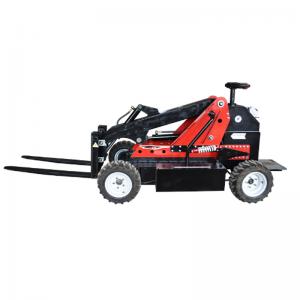
1000kg remote control forklift
-
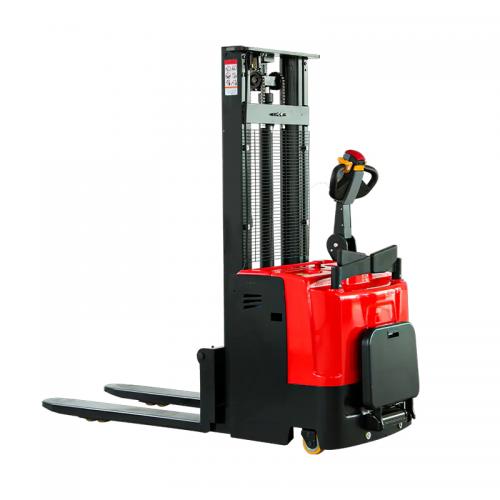
MYCDD-D Standard Standing Electric Stacker
-
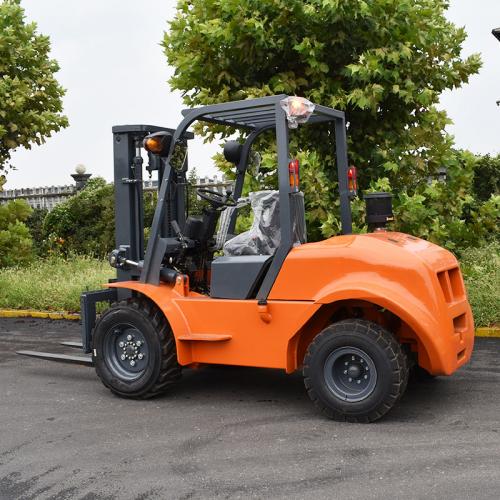
Conquering the Impossible: Introducing the MYZG/SDZG CPC30SY Rough Terrain Forklift
-
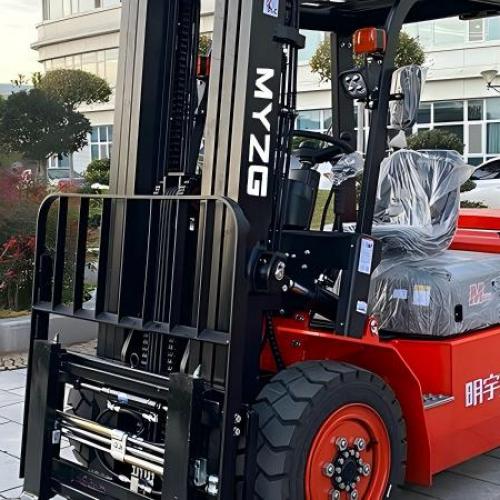
CPC(D)40M Diesel Forklift 4000kg Capacity
-
ZGLOADER / MYZG ZL928C Diesel Wheel Loader Worksite Buying Guide
-
ZGLOADER / MYZG E15 Electric Wheel Loader Application and Buying Guide
