
Where to Rent a Wheel Loader?
1. Introduction
A wheel loader is one of the most important heavy machines used across construction, mining, agriculture, road building, and material handling industries. It is designed to scoop, carry, and load large quantities of material such as sand, gravel, soil, and debris with high efficiency.
However, purchasing a wheel loader can be extremely expensive, especially for small contractors or short-term projects. That’s why many businesses today prefer wheel loader rental services instead of buying equipment outright.
Renting allows companies to reduce upfront investment, avoid maintenance costs, and gain access to modern machines only when needed. But the key question remains: where to rent a wheel loader and how to choose the right provider?
This article provides a complete guide to help you understand the best rental options, pricing, and selection tips so you can make a smart decision for your project.
2. What Is a Wheel Loader?
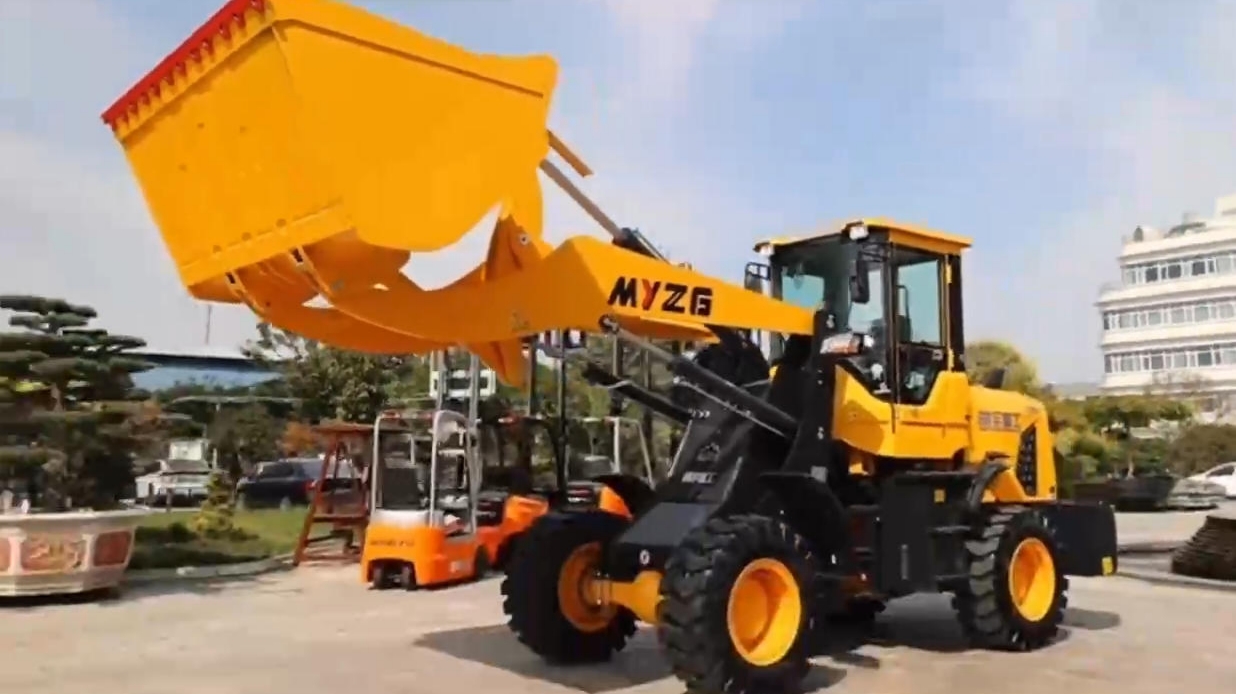
A wheel loader is a heavy-duty construction machine equipped with a front-mounted bucket attached to two hydraulic arms. It is mainly used for loading materials into trucks, transporting loose materials, and clearing job sites.
Key Components
Front bucket for loading materials
Hydraulic arms for lifting and dumping
Operator cabin for control
Engine (diesel or electric)
Large rubber tires for mobility
Common Applications
Wheel loaders are widely used in:
Construction sites for moving soil and gravel
Mining operations for transporting ore and rock
Agriculture for handling feed, grain, and fertilizer
Road construction and maintenance
Waste management and recycling facilities
Their versatility makes them one of the most essential machines in heavy industries.
3. Why Rent a Wheel Loader Instead of Buying?
Purchasing a wheel loader can cost tens of thousands to hundreds of thousands of dollars depending on size and specifications. For many businesses, renting is a smarter financial decision.
Main Advantages of Renting
Lower upfront cost: No large capital investment required
Flexible usage: Rent only when needed for specific projects
No maintenance responsibility: Repairs and servicing are usually handled by the rental company
Access to latest models: Use modern machines with better efficiency and safety features
Reduced storage costs: No need to store heavy equipment when not in use
For contractors with seasonal or short-term projects, renting is often the most cost-effective solution.
4. Types of Wheel Loader Rentals Available
Before choosing a rental provider, it’s important to understand the different types of wheel loaders available.
4.1 Small Wheel Loaders
Compact size
Ideal for landscaping and light construction
Easy to maneuver in tight spaces
4.2 Medium Wheel Loaders
Most commonly used type
Balanced power and efficiency
Suitable for general construction work
4.3 Heavy-Duty Wheel Loaders
Designed for mining and large-scale projects
High load capacity
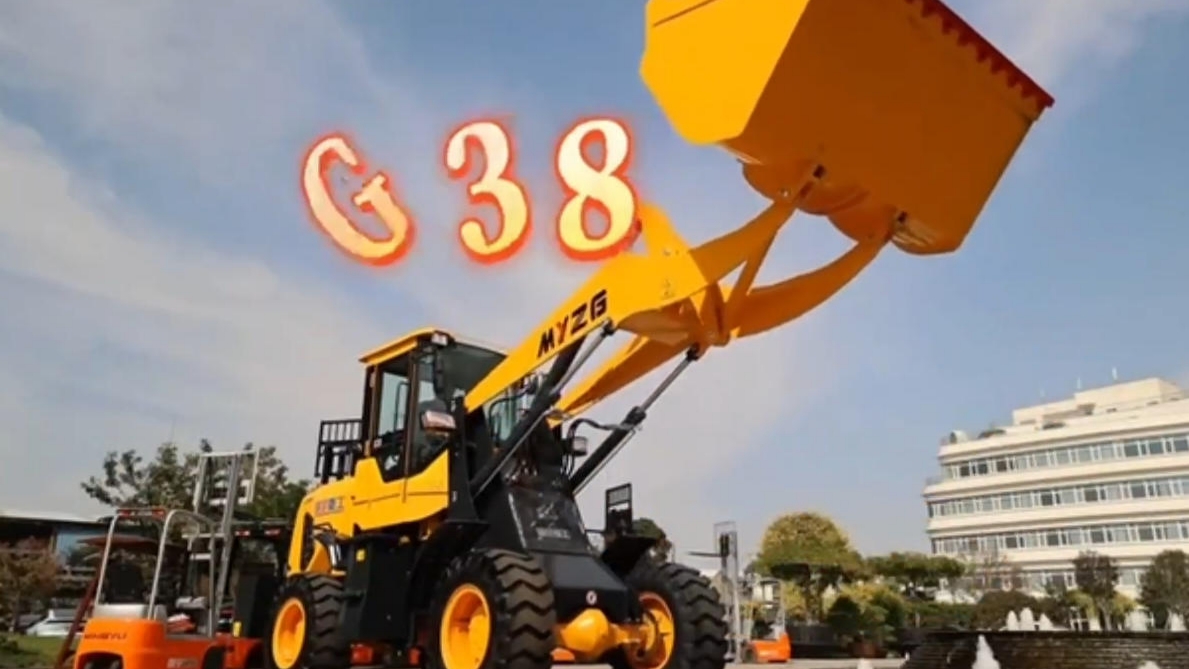
Powerful engines and reinforced structure
4.4 Electric Wheel Loaders
Environmentally friendly
Low noise and zero emissions
Suitable for indoor or urban projects
4.5 Attachments and Special Configurations
Some rentals include additional tools such as:
Fork attachments
Snow plows
Grapples
High-dump buckets
Choosing the right type depends on your project requirements.
5. Where to Rent a Wheel Loader
There are several reliable sources where you can rent a wheel loader depending on your location, budget, and project size.
5.1 Local Equipment Rental Companies
Local rental companies are often the most convenient option.
Advantages:
Quick availability
Lower transportation cost
On-site support and service
Flexible rental terms
These companies are ideal for small to medium projects that require fast access to equipment.
5.2 National Rental Chains
Large rental chains operate across multiple regions and often have a wide range of equipment.
Advantages:
Standardized pricing
Large and modern fleet
Reliable maintenance and inspection
Professional customer service
They are suitable for large contractors or long-term projects requiring consistent service quality.
5.3 Online Equipment Rental Platforms
Digital platforms now allow users to compare and book construction equipment online.
Advantages:
Easy price comparison
Transparent listings
Fast booking process
Wide selection of suppliers
This option is becoming increasingly popular due to convenience and efficiency.
5.4 Construction Equipment Dealers
Some manufacturers and authorized dealers also offer rental services.
Advantages:
High-quality branded machines
Well-maintained equipment
Technical support from experts
Option to rent newer models
This is a good choice if you want reliability and performance assurance.
5.5 Peer-to-Peer Rental Services
In some regions, equipment owners rent out machines directly to users.
Advantages:
Often lower cost
Flexible negotiation
Wide availability in some markets
However, it is important to carefully inspect equipment condition and verify trustworthiness before renting.
6. How to Choose the Right Rental Provider
Selecting the right supplier is just as important as choosing the machine itself.
Key Factors to Consider
Equipment condition and maintenance history
Rental pricing and contract terms
Availability of delivery and pickup services
Insurance coverage and liability protection
Customer reviews and reputation
Always compare at least 2–3 providers before making a decision.
7. Cost of Renting a Wheel Loader
Wheel loader rental costs vary depending on several factors.
Typical Pricing Models
Daily rental: Suitable for very short jobs
Weekly rental: Common for small projects
Monthly rental: Most cost-effective for long-term use
Factors Affecting Price
Machine size and capacity
Location and transport distance
Fuel type (diesel or electric)
Included attachments
Operator services (if required)
Additional Costs
Delivery and pickup fees
Fuel charges
Insurance fees
Damage or overtime charges
Understanding total cost helps avoid unexpected expenses.
8. Important Tips Before Renting
Before finalizing your rental, consider the following:
Always inspect the machine physically or through photos
Check operating hours and service records
Ensure the machine matches your project requirements
Confirm whether operator training is included
Read rental contract carefully before signing
These steps help ensure safe and efficient operation.
9. Common Mistakes to Avoid
Many users make avoidable mistakes when renting heavy equipment:
Choosing the wrong size loader
Ignoring machine condition
Not comparing rental providers
Overlooking hidden fees
Skipping insurance coverage
Avoiding these mistakes can save both time and money.
10. Conclusion
Renting a wheel loader is a practical and cost-effective solution for construction companies, contractors, and project managers who need heavy equipment without long-term investment.
Whether you choose a local rental company, a national chain, an online platform, or a dealer, the key is to evaluate your project requirements carefully and compare options.
By understanding machine types, rental costs, and provider reliability, you can ensure smooth operations and maximize productivity on your job site.
In summary, the best place to rent a wheel loader is the one that balances cost, availability, machine condition, and service support according to your project needs.
Post time:Apr.27.2026
