
How Much Does a Backhoe Cost?
1. Introduction
A backhoe is one of the most versatile and widely used pieces of construction equipment in the world. It combines two machines in one: a front loader bucket and a rear digging arm. Because of this dual functionality, it is commonly used in construction, agriculture, landscaping, utility installation, and road maintenance projects.
Before purchasing or renting one, the most important question most buyers ask is: how much does a backhoe cost?
The answer is not simple, because the price depends on many factors such as size, brand, condition, attachments, and whether you are buying new, used, or renting.
In this article, we will break down the full cost structure of backhoes, including purchase prices, rental rates, ownership expenses, and key factors that influence pricing. This guide will help contractors and businesses make a more informed and cost-effective decision.
2. What Is a Backhoe?
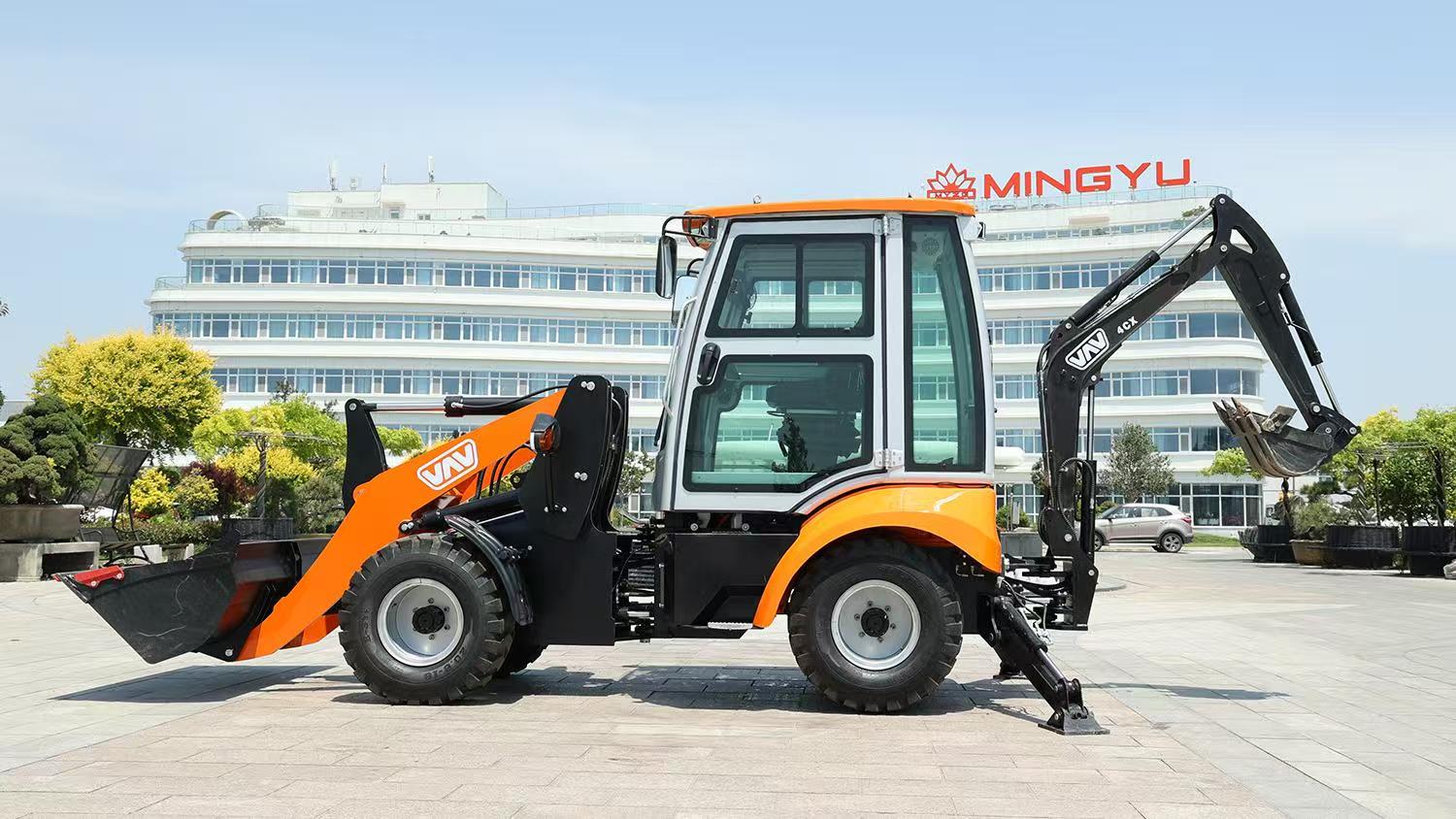
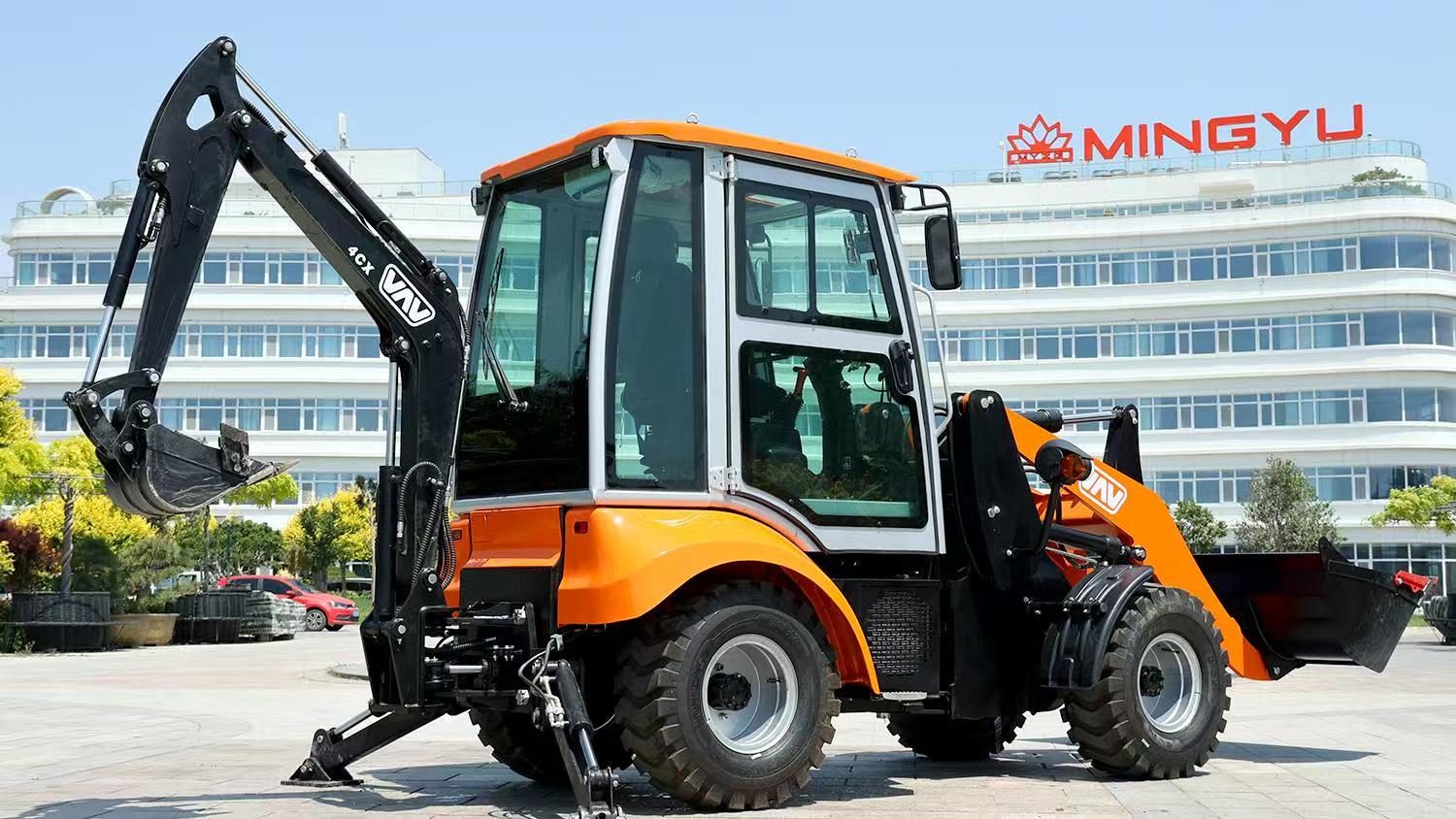
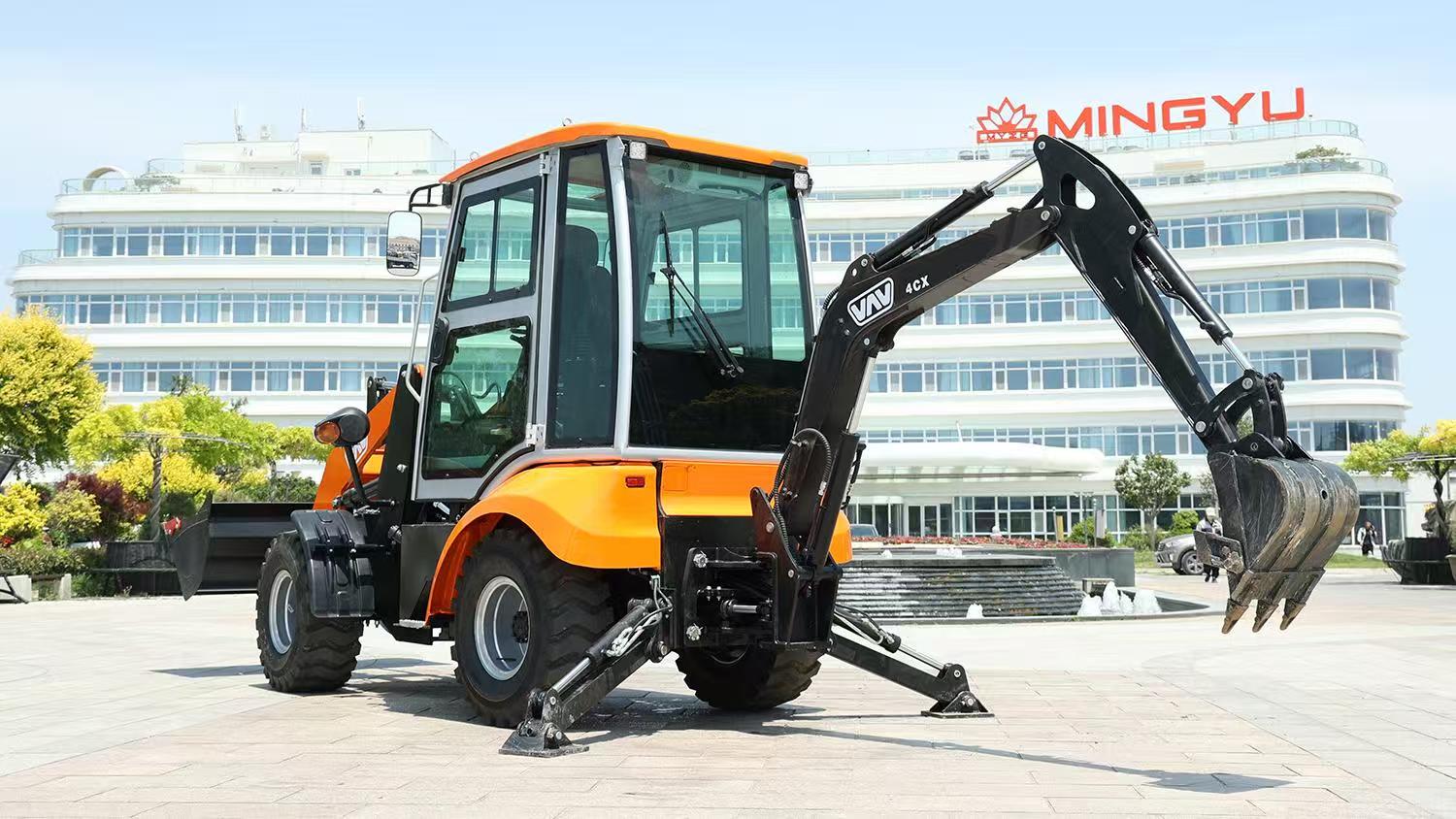
A backhoe loader is a heavy construction machine equipped with a front loader bucket and a rear excavating arm (backhoe). It is designed to perform multiple tasks, making it highly efficient on job sites.
Main Components
Front loader bucket for lifting and transporting materials
Rear digging arm for excavation and trenching
Operator cabin with full machine controls
Hydraulic system for lifting and digging power
Large rubber tires for mobility on job sites
Common Applications
Backhoes are used in many industries, including:
Excavation and trench digging
Road construction and repair
Loading soil, sand, and gravel
Landscaping and site preparation
Utility installation (water, gas, electricity)
Because of their flexibility, backhoes are considered one of the most cost-efficient machines for medium-duty construction work.
3. Average Cost of a New Backhoe
The price of a new backhoe varies significantly depending on size, brand, and features. Generally, new machines are divided into small, medium, and heavy-duty categories.
Price Range Overview
Small backhoes: $40,000 – $70,000
Medium backhoes: $70,000 – $120,000
Heavy-duty backhoes: $120,000 – $180,000+
Brand Influence
Well-known manufacturers often charge more due to reliability, technology, and service support. Premium brands tend to offer:
Better fuel efficiency
Advanced hydraulics
Higher durability
Strong resale value
Features That Affect Price
Engine power and emission standards
Cab comfort and technology systems
Hydraulic performance
Attachment compatibility
Tire type and size
A fully equipped high-end backhoe can cost significantly more than a basic model.
4. Cost of Used Backhoes
Buying a used backhoe is a popular option for small contractors or businesses with limited budgets.
Typical Price Range
Older used models (10+ years): $15,000 – $40,000
Mid-age machines (5–10 years): $40,000 – $70,000
Lightly used newer models: $70,000 – $100,000
Key Factors Affecting Used Prices
Total operating hours
Maintenance history
Wear and tear condition
Brand reputation
Availability of spare parts
Advantages of Buying Used
Lower initial investment
Faster return on investment
Good option for small businesses
Risks
Higher maintenance costs
Possible hidden mechanical issues
Shorter remaining lifespan
Buying Tip
Always inspect the hydraulic system, engine condition, and structural integrity before purchasing a used machine.
5. Backhoe Rental Costs
Renting a backhoe is often more cost-effective for short-term projects or occasional use.
Typical Rental Prices
Daily rental: $200 – $500 per day
Weekly rental: $800 – $2,000 per week
Monthly rental: $2,500 – $6,000 per month
When to Rent
Short-term construction projects
Seasonal work
One-time excavation jobs
Budget-limited contractors
Additional Rental Costs
Delivery and pickup fees
Fuel charges
Operator costs (if included)
Insurance and damage coverage
Renting allows companies to avoid maintenance and depreciation costs while still accessing powerful equipment.
6. Key Factors That Affect Backhoe Cost
Several important factors influence the final cost of a backhoe, whether new, used, or rented.
6.1 Machine Size and Power
Larger machines with higher digging depth and lifting capacity cost significantly more.
6.2 Brand and Manufacturer
Premium brands are more expensive but often offer better durability and performance.
6.3 Attachments and Features
Optional tools such as:
Hydraulic breakers
Augers
Specialized buckets
can increase total cost.
6.4 Engine Type and Emissions
Newer low-emission engines cost more but comply with environmental regulations.
6.5 Market and Location
Prices vary depending on regional demand, import taxes, and transportation costs.
7. Cost of Ownership
Owning a backhoe involves more than just the purchase price.
Maintenance Costs
Regular servicing includes:
Oil changes
Hydraulic system maintenance
Tire replacement
Brake and filter servicing
Fuel Costs
Backhoes consume diesel fuel, and operating costs depend on usage intensity.
Insurance and Licensing
Insurance is required for most commercial operations and adds to annual expenses.
Storage and Transport
Large machines require secure storage space and transportation equipment.
Over time, these costs can add up significantly and should be included in total ownership calculations.
8. Buying vs Renting: Which Is Better?
Choosing between buying and renting depends on project needs and financial situation.
Buying Is Better When:
You use the machine regularly
You want long-term investment
You have maintenance capabilities
You need full control over equipment
Renting Is Better When:
Projects are short-term
Budget is limited
Equipment is needed occasionally
You want to avoid maintenance costs
Break-Even Consideration
If rental costs exceed ownership costs over time, buying becomes more economical.
9. Tips for Getting the Best Price
To reduce costs and maximize value:
Compare multiple suppliers before purchasing or renting
Consider both new and used options
Negotiate rental contracts for long-term discounts
Check seasonal promotions or dealer offers
Evaluate total cost of ownership, not just purchase price
Smart planning can save thousands of dollars.
10. Conclusion
The cost of a backhoe varies widely depending on whether you choose to buy new, buy used, or rent. New machines typically range from $40,000 to over $180,000, while used equipment can be significantly cheaper. Rental costs offer flexibility, with daily rates starting around $200.
Ultimately, the right choice depends on your project requirements, budget, and long-term equipment needs.
By understanding all cost factors—including purchase price, maintenance, and rental options—you can make a more informed and financially sound decision.
A backhoe is a powerful investment, and choosing wisely ensures maximum productivity and cost efficiency for any construction or industrial project.
Post time:Apr.27.2026
