
Wheel Loader vs. Skid Steer: Which One Is Better for My Project?
Choosing the right construction equipment can have a major impact on the productivity, efficiency, and overall cost of your project. Among the many machines used in construction, landscaping, agriculture, and material handling, wheel loaders and skid steers are two of the most popular options. Both machines are designed to move materials such as soil, gravel, sand, and debris, but they differ significantly in size, power, maneuverability, and ideal applications. Contractors, project managers, and equipment operators often compare these two machines when deciding which one best fits their jobsite needs. Understanding the strengths and limitations of each machine is essential to making an informed investment. In this article, we will explore the key differences between wheel loaders and skid steers, including their design, performance, cost considerations, and typical applications, helping you determine which machine is better suited for your specific project.
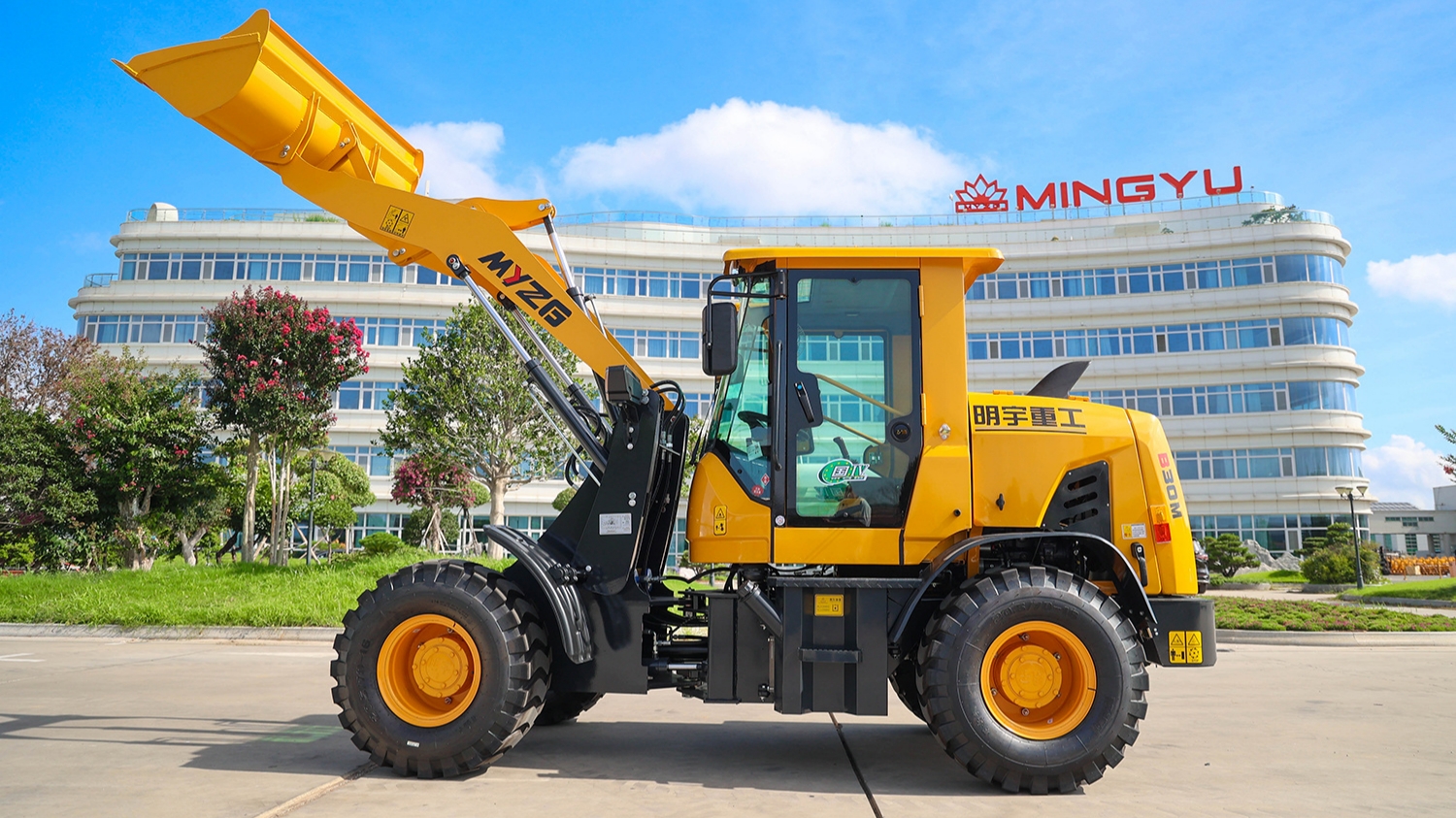
A wheel loader is a heavy-duty piece of construction equipment designed primarily for loading, lifting, and transporting large volumes of materials. It typically features a large front-mounted bucket, articulated steering, and four large wheels that provide excellent stability and traction. Wheel loaders are commonly used in industries such as construction, mining, quarrying, and agriculture, where moving large amounts of material quickly is essential. These machines are known for their high lifting capacity, powerful engines, and large bucket sizes. Depending on the model, wheel loaders can handle several tons of material in a single scoop. Their articulated design allows them to turn efficiently while maintaining stability, making them suitable for large open job sites where heavy material handling is required.
In contrast, a skid steer is a compact and highly maneuverable machine that is widely used for smaller construction tasks, landscaping work, and maintenance projects. Skid steers are named for their unique steering system, where the wheels on each side of the machine move at different speeds, allowing the machine to “skid” or pivot in place. This design gives skid steers exceptional maneuverability, making them ideal for confined spaces and tight job sites. Despite their small size, skid steers are extremely versatile thanks to their quick-attach systems, which allow operators to switch between a wide range of attachments such as buckets, augers, trenchers, pallet forks, and snow blowers. Because of their compact design and multi-purpose functionality, skid steers are often considered one of the most versatile machines in the construction industry.
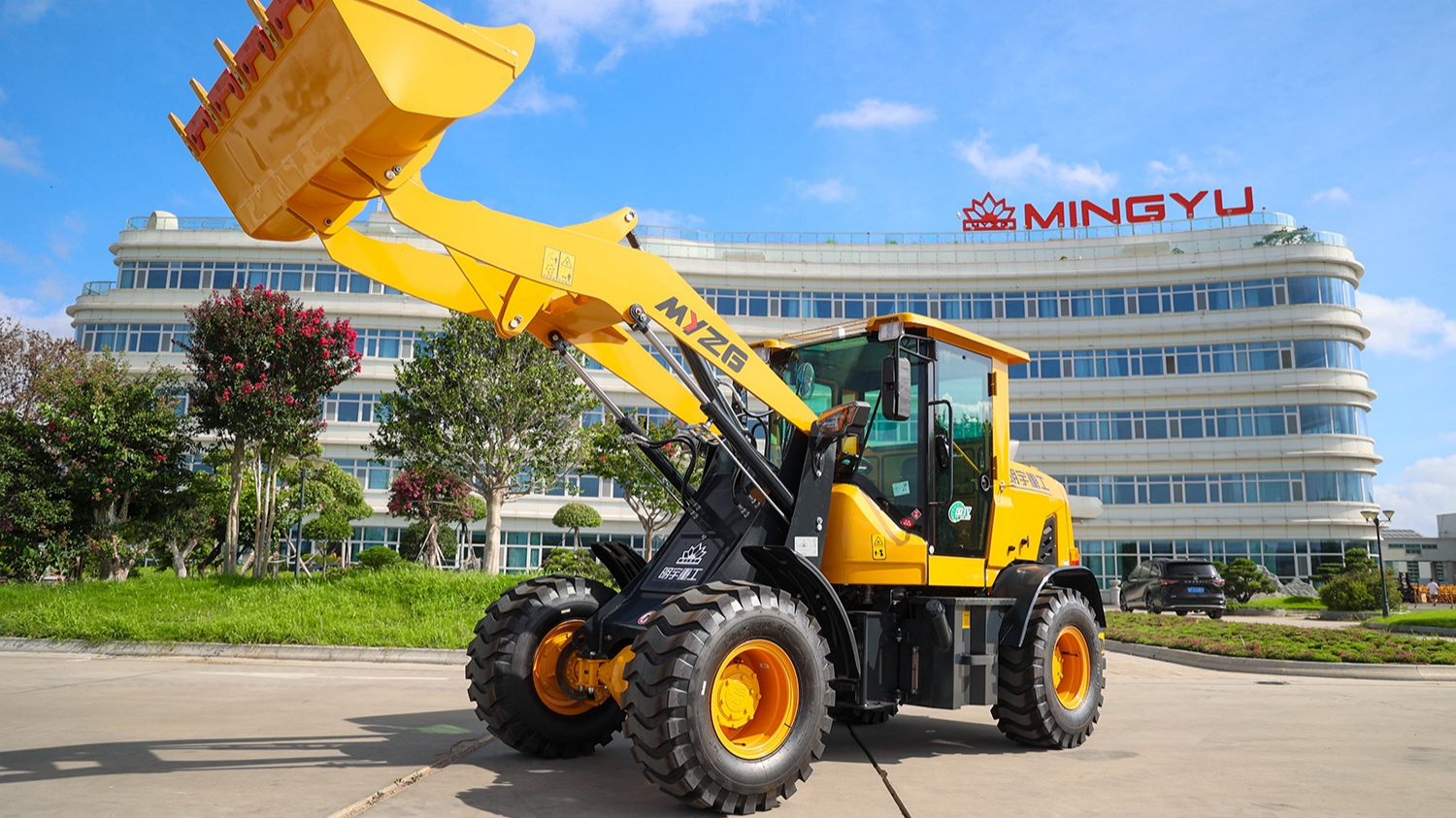
One of the most noticeable differences between wheel loaders and skid steers is their size and maneuverability. Wheel loaders are significantly larger machines designed for heavy-duty material handling in open areas. Their large wheels and articulated steering allow them to move smoothly across rough terrain, but their size makes them less suitable for narrow spaces or indoor operations. Skid steers, on the other hand, are specifically designed for tight environments. Their compact frame allows them to work in confined construction sites, warehouses, barns, and urban projects where space is limited. The ability of skid steers to turn within their own footprint makes them extremely effective in areas where larger machines simply cannot operate.
Another important factor to consider when comparing these two machines is lifting capacity and overall power. Wheel loaders generally have significantly greater lifting capabilities than skid steers, making them the preferred choice for heavy-duty material loading tasks. They can easily load large trucks, transport bulk materials, and handle heavy loads for extended periods of time. Skid steers, while powerful for their size, typically have lower lifting capacities and smaller bucket volumes. However, they compensate for this limitation with agility and flexibility. For projects that involve smaller loads, precision work, or tasks that require frequent movement in tight areas, skid steers can often perform more efficiently than larger machines.
Versatility is another area where skid steers often stand out. Thanks to their quick-attach systems, skid steers can support dozens of different attachments, effectively transforming the machine into a multi-purpose tool. Operators can switch from a bucket to a hydraulic breaker, trencher, brush cutter, or pallet forks within minutes. This makes skid steers extremely valuable for contractors who need one machine capable of performing many different tasks. Wheel loaders also support a variety of attachments, including buckets, grapples, forks, and snow blades, but they are generally used for fewer specialized tasks. Their main advantage lies in moving large volumes of material efficiently rather than performing multiple small tasks.
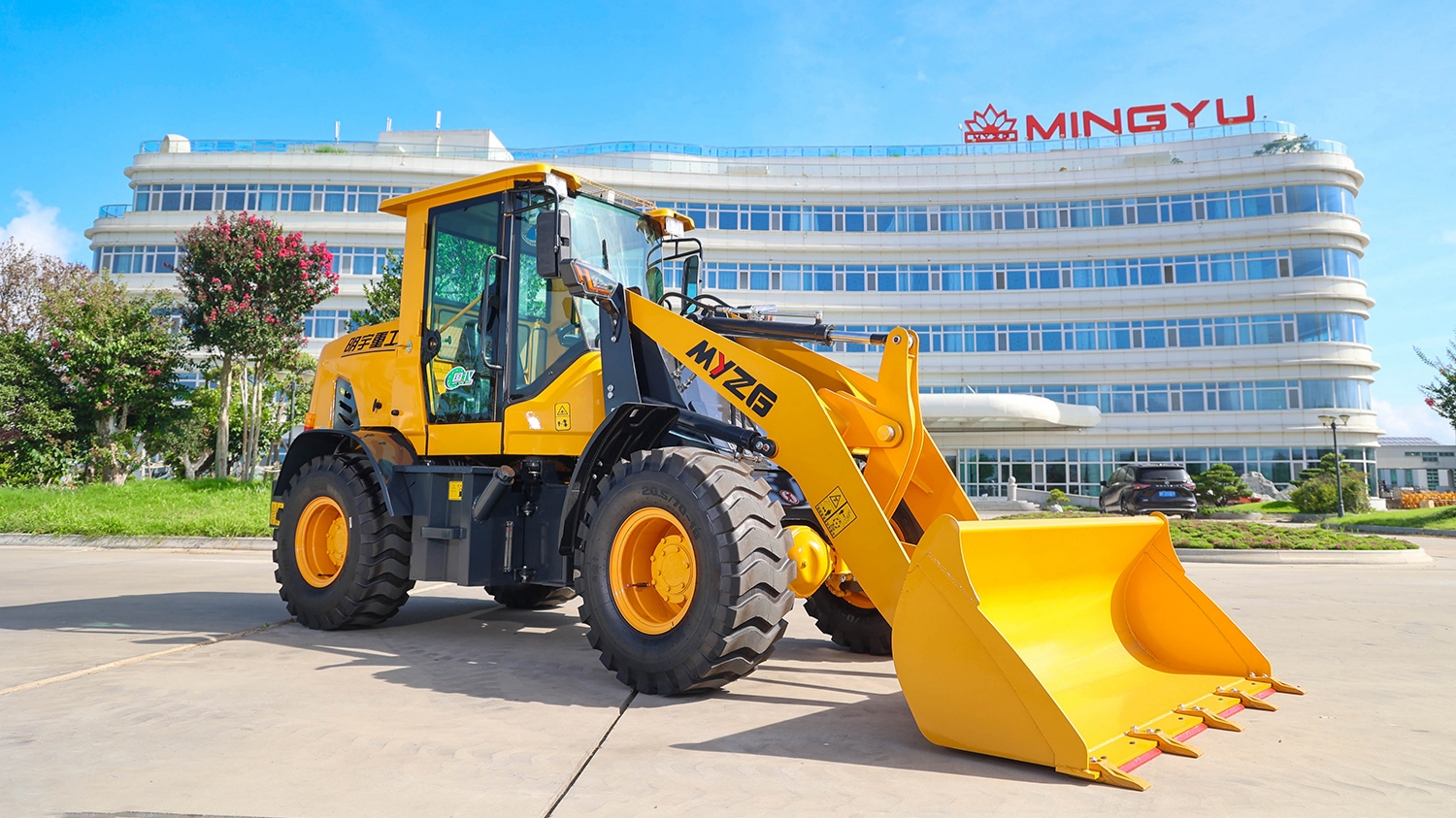
Operating costs and maintenance requirements are also important considerations when choosing between a wheel loader and a skid steer. Wheel loaders typically have higher purchase prices due to their size, power, and heavy-duty construction. They also consume more fuel and may require larger maintenance budgets. However, for large-scale projects that require continuous heavy loading operations, the productivity benefits of a wheel loader can easily justify these costs. Skid steers, in comparison, are generally more affordable to purchase and operate. Their smaller engines use less fuel, and their compact design often leads to lower maintenance costs. For small contractors or projects with limited budgets, skid steers may offer a more economical solution.
When it comes to jobsite productivity, the choice between a wheel loader and a skid steer often depends on the type of work being performed. Wheel loaders excel in large-scale material handling tasks such as loading trucks, moving aggregates, and transporting heavy loads across construction sites. Their large bucket capacities and powerful engines allow them to complete these tasks quickly and efficiently. Skid steers, on the other hand, are highly productive in tasks that require precision, maneuverability, and versatility. Landscaping projects, demolition cleanup, and utility work often benefit from the compact size and adaptability of skid steers.
Ultimately, deciding whether a wheel loader or a skid steer is better for your project depends on several key factors, including jobsite size, material volume, terrain conditions, and budget. Wheel loaders are generally the better choice for large construction sites, mining operations, and projects involving heavy material handling. Skid steers are better suited for smaller projects, tight job sites, and applications that require multiple attachments. Many contractors actually use both machines together, combining the power of a wheel loader with the versatility of a skid steer. By carefully evaluating your project requirements and operational needs, you can select the equipment that delivers the best balance of productivity, efficiency, and cost-effectiveness.
Post time:Mar.06.2026
