
Wheel Loader vs Excavator: Which One Is Better for Loading Trucks?
1. Introduction
When it comes to moving large volumes of material on construction sites, in quarries, mines, recycling facilities, or agricultural operations, loading trucks efficiently is one of the most important tasks. The speed and efficiency of truck loading directly affect productivity, fuel consumption, labor costs, and project profitability. Choosing the right machine for the job can significantly reduce operating expenses while increasing output.
Two of the most commonly used machines for truck loading are wheel loaders and excavators. Both are capable of loading dump trucks, articulated haulers, and tipper trucks, but they perform the task in very different ways. A wheel loader uses a front-mounted bucket and relies on its mobility to transport material from a stockpile to a truck. An excavator uses a boom, arm, and bucket to dig and load material while remaining largely stationary.
Contractors and fleet managers often ask which machine is better for loading trucks. The answer depends on several factors, including material type, loading volume, jobsite conditions, transportation distance, fuel costs, and project requirements. This article provides a detailed comparison of wheel loaders and excavators to help buyers and operators determine which machine delivers the best performance for their specific applications.
2. Understanding Wheel Loaders and Excavators
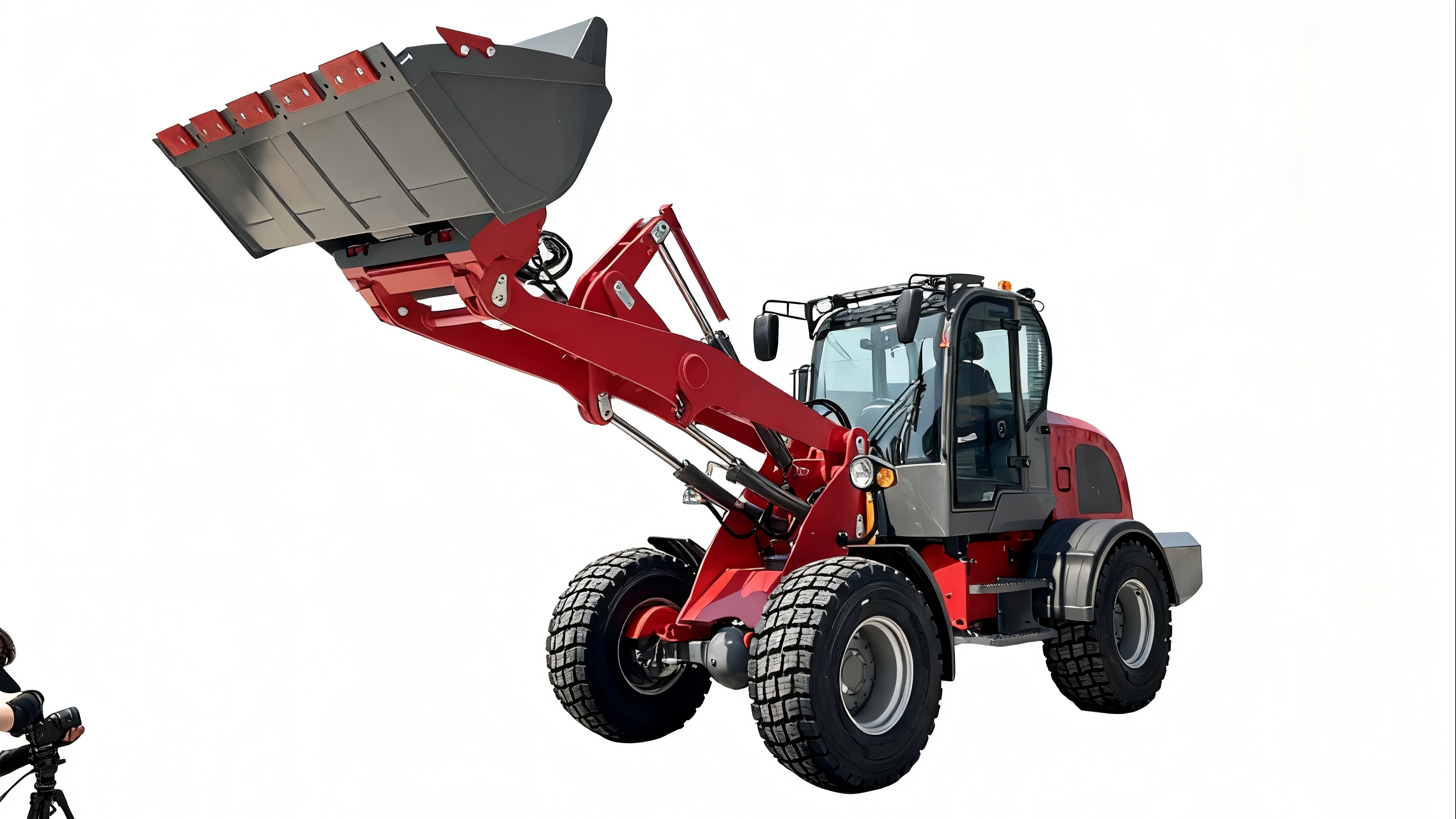
A wheel loader is a highly mobile machine equipped with a front bucket designed for scooping, transporting, and loading materials. Modern wheel loaders feature articulated steering, powerful hydraulic systems, and bucket capacities ranging from less than 1 cubic meter on compact models to more than 10 cubic meters on large mining machines. Their ability to travel quickly across a site makes them ideal for handling stockpiled materials.
An excavator is a tracked or wheeled machine equipped with a rotating upper structure, boom, stick, and bucket. Excavators excel at digging, trenching, and loading materials directly from the ground. Because the upper structure rotates 360 degrees, an excavator can load trucks without moving the undercarriage frequently.
The fundamental difference lies in how they handle material. Wheel loaders are transport-oriented machines that scoop and carry material. Excavators are digging-oriented machines that excavate and load from a fixed position. Understanding this distinction is essential when evaluating loading performance.
3. Truck Loading Efficiency Comparison
Efficiency is often measured by cycle time, which includes digging or scooping, moving material, loading the truck, and returning to the starting position. In many stockpile loading applications, wheel loaders achieve faster cycle times because they can quickly move between the pile and the truck. Their high travel speeds allow operators to complete more loading cycles per hour.
Excavators, however, can maintain very consistent loading cycles when material is located directly beside the truck. Since they rotate instead of traveling, they often achieve predictable and efficient loading patterns. In quarry and mining operations, excavators can continuously load trucks from a bench face with minimal repositioning.
Productivity depends on machine size and application. A medium-sized wheel loader may load 150–300 tons of material per hour under favorable conditions. Similarly sized excavators can achieve comparable production rates when digging and loading directly. However, if material must be transported even a short distance, wheel loaders generally gain a significant advantage.
4. Advantages of Wheel Loaders for Loading Trucks
One of the biggest advantages of wheel loaders is mobility. Travel speeds often exceed 30 km/h, allowing operators to quickly transport material from stockpiles to waiting trucks. This capability reduces truck waiting times and improves overall site productivity.
Wheel loaders also typically use larger buckets than similarly priced excavators. A larger bucket means fewer passes are required to fill a truck. For example, a 3 m³ bucket loader may fill a 20-ton dump truck in significantly fewer cycles than a smaller excavator bucket.
Another major advantage is versatility. In addition to loading trucks, wheel loaders can transport materials, move pallets with forks, clear snow, operate grapples, and perform general site maintenance. This flexibility increases equipment utilization and provides better return on investment.
For aggregate yards, sand pits, recycling facilities, and agricultural operations where materials are stored in piles, wheel loaders are often considered the most productive loading solution.
5. Advantages of Excavators for Loading Trucks
Excavators excel when digging and loading must occur simultaneously. In many construction projects, operators must remove soil from below ground level and load it directly into trucks. In these situations, an excavator eliminates the need for separate digging and loading operations.
Reach is another major advantage. Excavators can load trucks positioned several meters away without moving the machine. High dump heights also make it easier to load large articulated trucks, quarry haulers, and high-sided dump bodies.
Precision is especially valuable in confined areas. Excavator operators can place material exactly where needed inside a truck body, improving load distribution and reducing spillage. Their precise hydraulic controls allow efficient loading in urban construction projects where space is limited.
Excavators also perform exceptionally well in mining and quarry applications where materials are extracted directly from rock faces or excavation zones.
6. Cost Comparison: Wheel Loader vs Excavator
Initial purchase costs vary depending on size and specifications. Compact wheel loaders and excavators may have similar price ranges, while larger machines differ significantly depending on brand, engine power, hydraulic performance, and attachments.
Fuel consumption is a critical operating expense. Wheel loaders often consume more fuel during continuous travel operations because they move between loading and dumping locations. Excavators may achieve lower fuel consumption when working from a fixed position, although actual efficiency depends heavily on application and operator skill.
Maintenance costs also differ. Wheel loaders require tire replacement, transmission servicing, axle maintenance, and articulation joint inspections. Excavators require track maintenance, undercarriage repairs, roller replacements, and swing system servicing.
When evaluating total cost of ownership, buyers should consider purchase price, fuel costs, maintenance expenses, downtime risk, productivity, and resale value. The machine with the lowest hourly cost is not always the most profitable if its productivity is significantly lower.
7. Job Site Conditions and Machine Suitability
Jobsite conditions often determine which machine is better suited for truck loading. On open construction sites with stockpiled materials, wheel loaders generally outperform excavators due to their speed and flexibility.
In quarries and mining operations, excavators frequently dominate because they can dig and load directly from the face. Large hydraulic excavators can efficiently load massive haul trucks while remaining stationary.
Urban construction projects present different challenges. Limited space, traffic restrictions, and nearby structures often favor excavators because they can work effectively within a confined footprint.
Terrain conditions are equally important. Wheel loaders perform well on firm, prepared surfaces, while tracked excavators offer superior traction and stability on muddy, rocky, or uneven ground. Sites with poor ground conditions often benefit from excavator loading operations.
8. When Should You Choose a Wheel Loader?
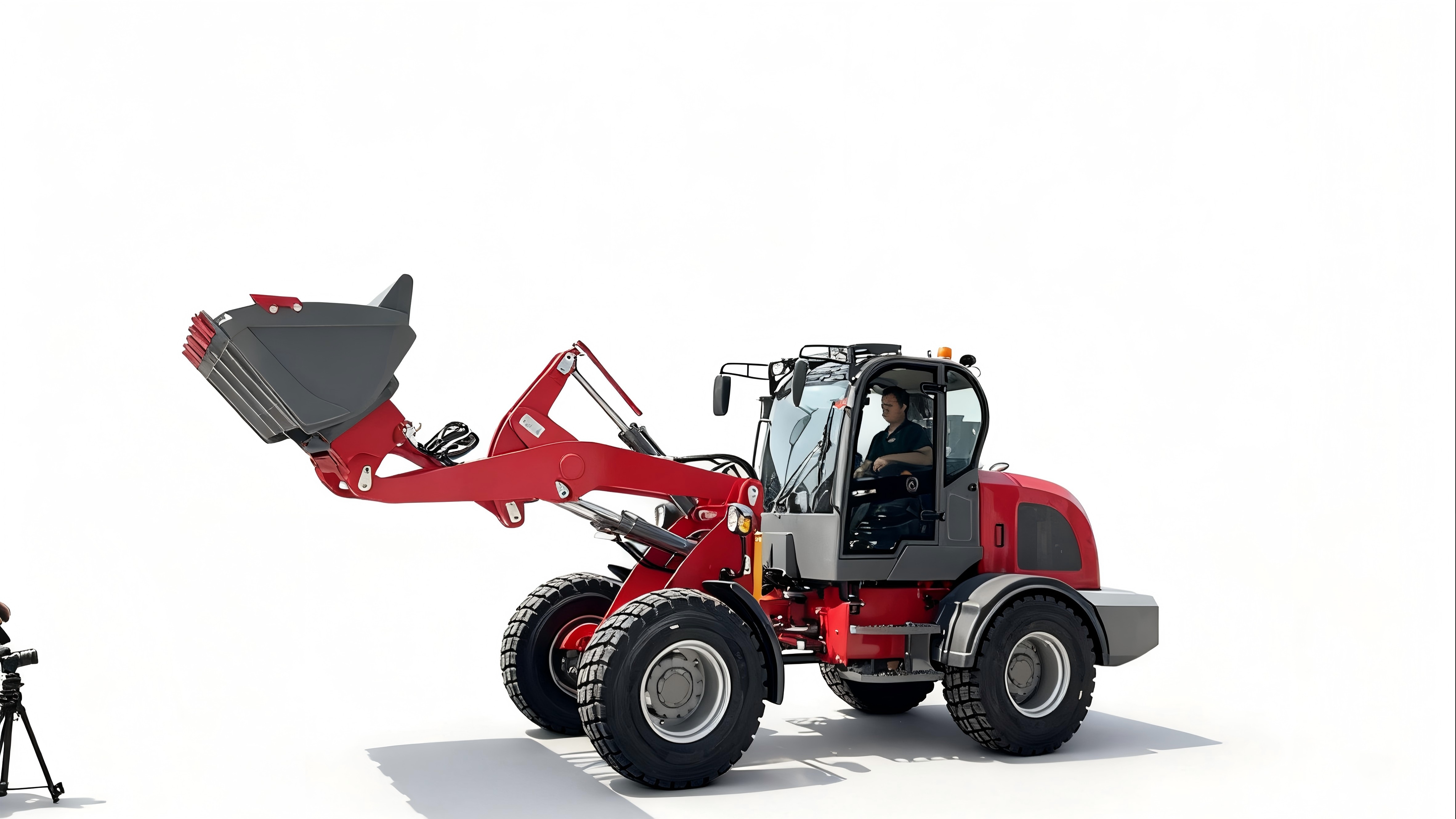
A wheel loader is usually the best choice when loading material from stockpiles, handling aggregates, transporting materials across a site, or performing multiple tasks throughout the day. Contractors who need a versatile machine capable of loading trucks, moving materials, and supporting various attachments often prefer wheel loaders.
Wheel loaders are particularly effective in sand and gravel operations, recycling facilities, agricultural applications, and industrial yards where speed and mobility are critical. They also excel when trucks are frequently repositioned or when loading locations change throughout the workday.
For businesses seeking maximum versatility and fast material handling, wheel loaders often provide the best overall value.
9. When Should You Choose an Excavator?
An excavator is the preferred choice when excavation and loading occur simultaneously. Projects involving trenching, foundation excavation, utility installation, mining, quarrying, and earthmoving often benefit from excavator loading operations.
Excavators are also advantageous when trucks must be loaded from below grade or when materials are extracted directly from the ground. Their reach, digging power, and precision make them highly effective in confined work areas and challenging terrain conditions.
For contractors whose primary work involves excavation rather than material transport, an excavator often delivers superior productivity and efficiency.
10. Can Wheel Loaders and Excavators Work Together?
Many large projects achieve the highest productivity by combining both machines. An excavator can focus on digging and placing material into stockpiles while a wheel loader transports and loads trucks. This division of labor allows each machine to perform the tasks it does best.
In quarry operations, excavators often extract material while wheel loaders manage stockpiles and load outgoing trucks. On construction sites, excavators handle earthmoving while wheel loaders transport and distribute materials across the project.
Using both machines can reduce bottlenecks, improve equipment utilization, and maximize production rates. Although equipment investment increases, the resulting productivity gains often justify the additional cost.
11. Expert Tips for Maximizing Truck Loading Productivity
Regardless of machine type, several strategies can improve loading efficiency. Matching bucket size to truck capacity reduces loading cycles and minimizes waiting times. Proper truck positioning shortens cycle times and decreases fuel consumption.
Operator training plays a major role in productivity. Skilled operators can reduce unnecessary movements, improve fuel efficiency, and minimize machine wear. Regular preventive maintenance ensures hydraulic systems, engines, and drivetrains operate at peak performance.
Site layout is equally important. Keeping stockpiles close to loading areas and maintaining smooth travel paths can significantly improve production rates. Monitoring loading operations and analyzing cycle times can help identify opportunities for further efficiency improvements.
12. Conclusion
The debate between wheel loaders and excavators for truck loading does not have a universal answer. Wheel loaders generally provide superior performance when loading stockpiled materials, transporting loads, and performing multiple tasks across a jobsite. Their mobility, speed, and versatility make them ideal for aggregate yards, recycling facilities, and material handling operations.
Excavators excel when digging and loading must occur simultaneously. Their reach, precision, stability, and excavation capability make them indispensable for construction, mining, quarrying, and earthmoving projects.
Ultimately, the best machine depends on your specific application, material type, site conditions, and productivity goals. Many successful operations use both wheel loaders and excavators together, leveraging the strengths of each machine to achieve maximum efficiency and profitability.
Post time:Jun.22.2026
