
What is a Wheel Loader? Complete Guide to Functions, Types, and Uses
1. Introduction
In modern construction, mining, agriculture, and logistics industries, heavy machinery plays a critical role in improving productivity and efficiency. Among these machines, the wheel loader is one of the most widely used and versatile types of equipment. Whether it is moving soil on a construction site, loading aggregates in a quarry, or handling bulk materials in a port, wheel loaders are essential for fast and efficient material handling.
A wheel loader is a powerful earthmoving machine designed primarily for loading, lifting, carrying, and dumping materials. It is equipped with a front-mounted bucket and operates on wheels rather than tracks, giving it high mobility and speed. Because of its flexibility, it is used across many industries worldwide.
In this article, we will explain what a wheel loader is, how it works, its main components, types, applications, advantages, and how to choose the right model.
2. What is a Wheel Loader?
A wheel loader is a heavy construction machine designed to scoop up loose materials such as sand, gravel, soil, rock, or debris and load them into trucks or other containers.
It is also known as:
Front-end loader
Payloader
Bucket loader
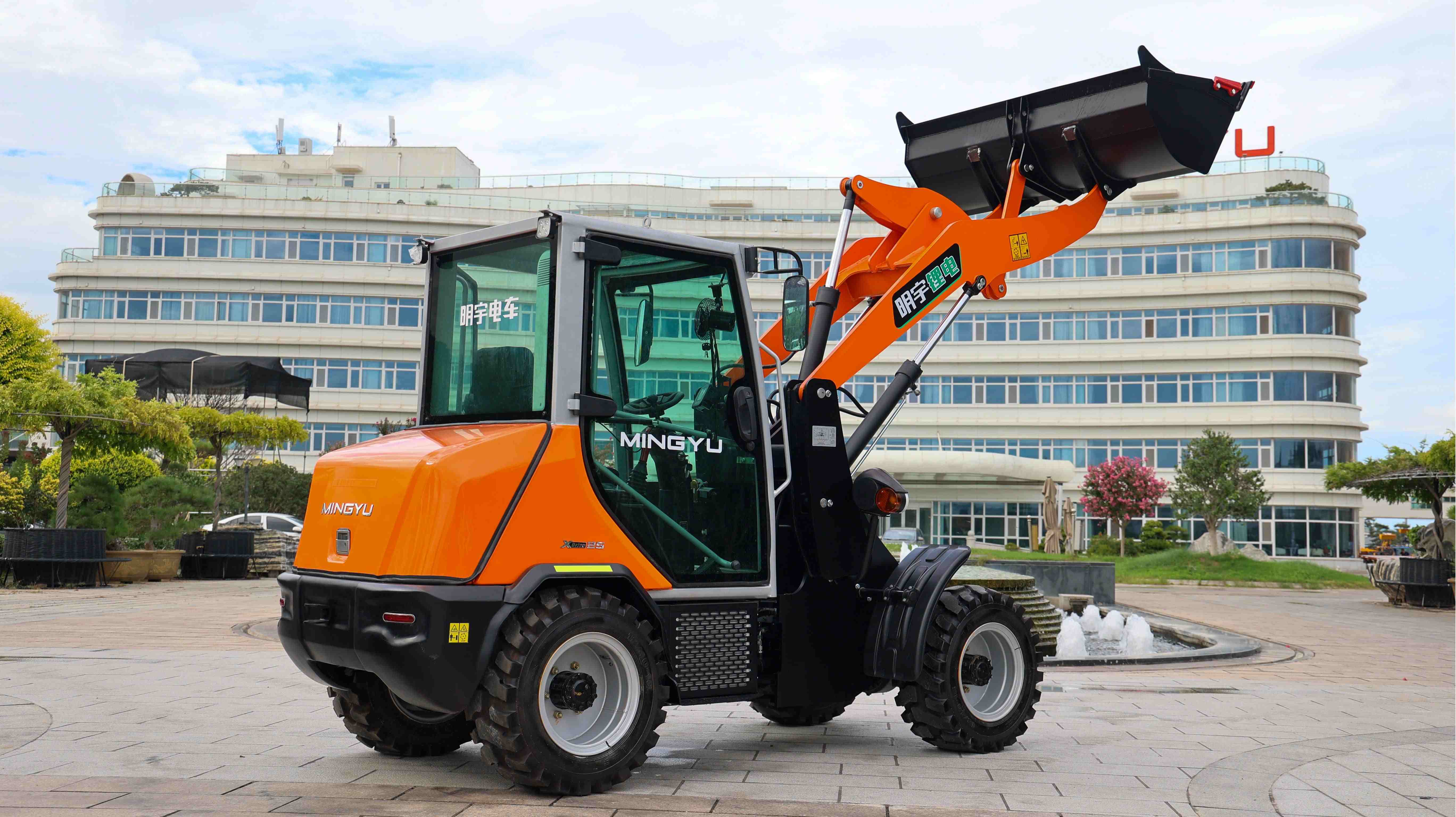
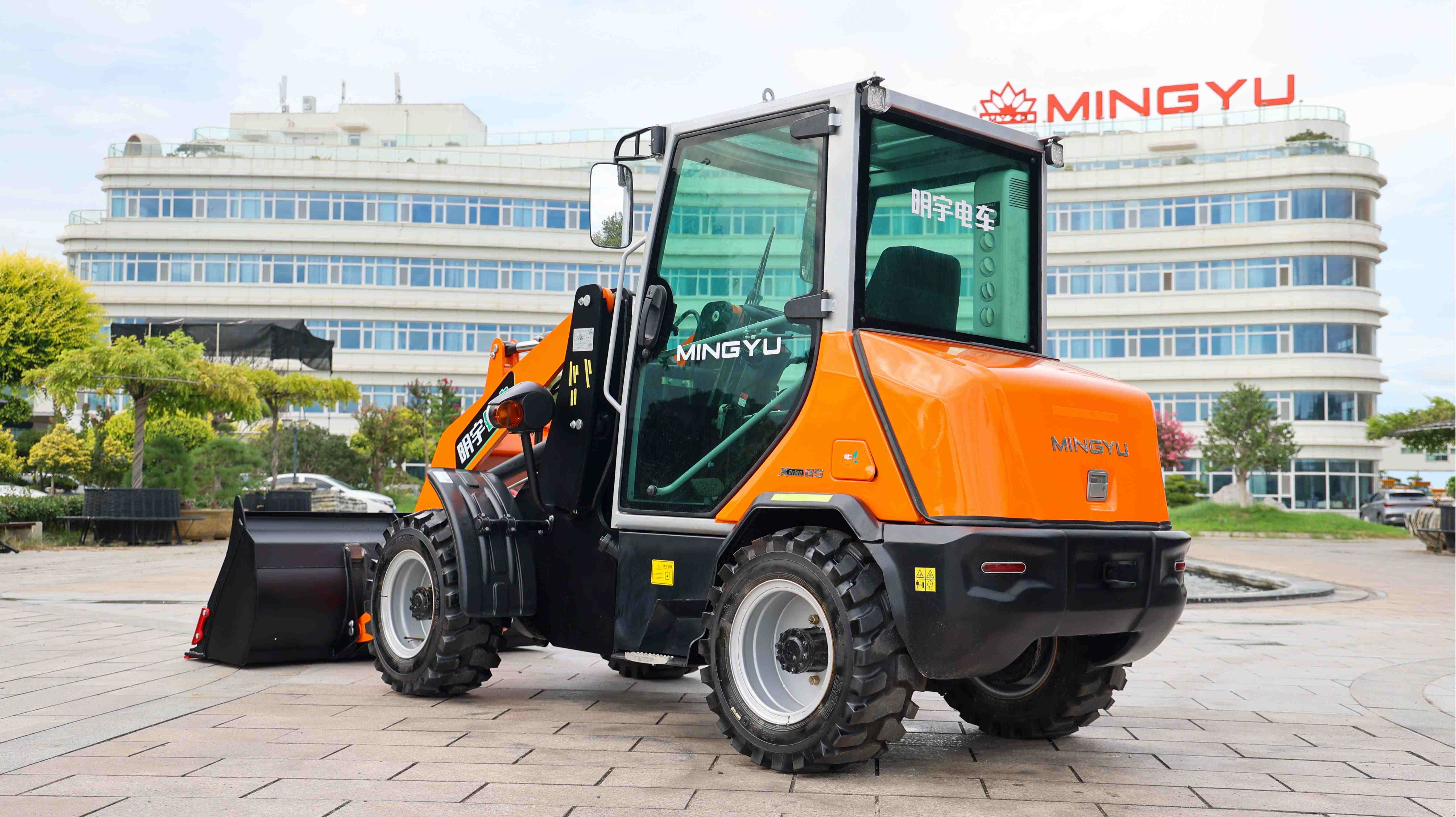
The machine consists of a front-mounted bucket connected to two hydraulic arms, a powerful engine, an operator cab, and four large wheels. Unlike crawler loaders, wheel loaders move on tires, allowing them to travel faster and operate efficiently on solid ground.
The basic working principle is simple: the bucket scoops material, lifts it using hydraulic power, transports it over short distances, and then dumps it into a truck or designated area.
3. Main Components of a Wheel Loader
A wheel loader is made up of several key systems that work together to ensure performance and efficiency.
1. Engine System
The engine is the heart of the machine, providing power for movement and hydraulic operations. Most wheel loaders use diesel engines due to their high torque and durability.
2. Hydraulic System
This system powers the lifting, tilting, and steering functions. It converts engine power into hydraulic force, allowing smooth and strong movement of the bucket and arms.
3. Transmission System
The transmission controls speed and torque, ensuring the machine can adapt to different working conditions such as loading, traveling, or climbing slopes.
4. Articulated Frame
Most wheel loaders use an articulated steering system, meaning the machine bends in the middle for turning. This provides excellent maneuverability.
5. Bucket and Attachments
The bucket is the main working tool. It can be replaced with other attachments such as forks, grapples, or snow blades.
6. Operator Cabin
The cab is designed for safety and comfort, featuring controls, displays, air conditioning, and ergonomic seating.
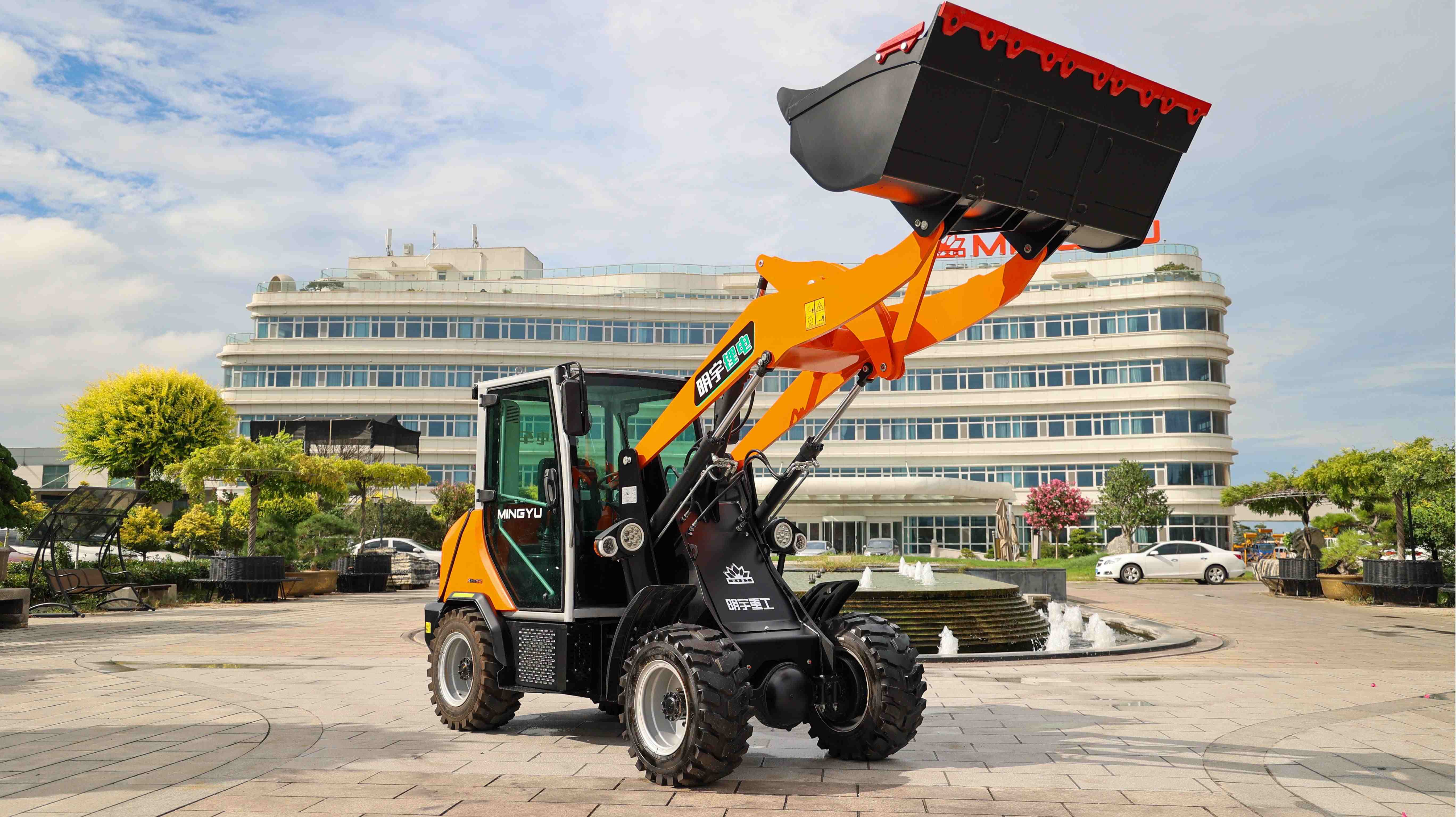
4. How a Wheel Loader Works
The working process of a wheel loader follows a simple cycle:
The machine approaches the material pile.
The bucket is lowered and pushed into the material.
Hydraulic power lifts the bucket filled with material.
The loader transports the load to the target location.
The bucket tilts forward to dump the material.
The machine returns for the next cycle.
This continuous loading cycle makes wheel loaders highly efficient for bulk material handling.
The hydraulic system plays a key role by controlling the lifting and tilting movements with precision. Meanwhile, the articulated steering system allows the operator to navigate tight spaces easily.
5. Types of Wheel Loaders
Wheel loaders come in different sizes and configurations depending on the application.
1. Small Wheel Loaders
Used for landscaping, farming, and light construction work. They are compact and easy to operate.
2. Medium Wheel Loaders
The most common type used in construction and logistics. They offer a balance of power and efficiency.
3. Large Wheel Loaders
Designed for mining and heavy-duty applications. They can handle large volumes of material.
4. Compact Wheel Loaders
Smaller machines ideal for urban projects or areas with limited space.
5. Electric Wheel Loaders
A new trend in the industry, offering lower emissions, reduced noise, and lower operating costs.
Each type is designed for specific working conditions, ensuring maximum efficiency.
6. Key Functions and Applications
Wheel loaders are widely used across many industries due to their versatility.
Construction Sites
They are used to move soil, sand, gravel, and construction debris efficiently.
Mining Industry
Large wheel loaders handle heavy materials such as ore and rocks.
Agriculture
Used for transporting feed, manure, and harvested crops.
Ports and Logistics
Used for loading and unloading bulk cargo.
Waste Management
Helps in handling and moving waste materials.
Snow Removal
In colder regions, wheel loaders are equipped with snow blades for clearing roads.
Their ability to perform multiple tasks makes them one of the most valuable machines in heavy industry.
7. Advantages of Wheel Loaders
Wheel loaders offer several important benefits:
High Efficiency
They can move large amounts of material quickly.
Strong Loading Capacity
Designed to handle heavy loads with ease.
Versatility
Compatible with multiple attachments for different tasks.
Easy Mobility
Wheeled design allows fast movement between job sites.
Operator Comfort
Modern cabins improve safety and reduce fatigue.
Cost-Effective
Reduces manual labor and increases productivity.
These advantages make wheel loaders a preferred choice in many industries.
8. How to Choose a Wheel Loader
Selecting the right wheel loader depends on several factors:
Working Environment
Rough terrain requires more powerful machines.
Load Capacity
Choose based on the weight and volume of materials.
Engine Power
Higher horsepower is needed for heavy-duty operations.
Bucket Size
Affects productivity and cycle time.
Hydraulic Performance
Important for smooth lifting and operation.
Brand and Support
Reliable after-sales service is essential.
Budget
Balance cost with performance and durability.
Careful selection ensures better efficiency and lower operating costs.
9. Maintenance and Safety Tips
Proper maintenance is essential for long machine life:
Check hydraulic oil and engine oil regularly
Inspect tires for wear and pressure
Clean air filters to maintain engine performance
Grease moving parts frequently
Monitor brake system condition
Safety tips:
Always wear seat belts
Avoid overloading the bucket
Operate only on stable ground
Keep a safe distance from workers and obstacles
Follow manufacturer instructions
Good maintenance and safe operation improve performance and reduce downtime.
10. Future Trends of Wheel Loaders
The wheel loader industry is evolving rapidly with new technologies:
Electric Wheel Loaders
Reducing fuel consumption and emissions.
Smart Control Systems
GPS and digital monitoring improve accuracy and efficiency.
Automation
Some machines now support semi-autonomous operation.
Fuel Efficiency Improvements
Modern engines reduce operating costs.
These innovations are making wheel loaders more environmentally friendly and intelligent.
11. Conclusion
A wheel loader is an essential piece of heavy machinery used in construction, mining, agriculture, and many other industries. It is designed to load, carry, and move materials efficiently using a combination of hydraulic power, engine strength, and advanced steering systems.
With different types available, from compact to large mining loaders, there is a machine suitable for every application. Its advantages—high efficiency, versatility, and strong performance—make it a key asset in modern industrial operations.
As technology continues to advance, wheel loaders are becoming smarter, cleaner, and more efficient, ensuring they remain a vital part of global construction and industrial development for years to come.
Post time:Apr.23.2026
