
What Working Height Aerial Platform Do I Need for Building Facade Maintenance?
1. Introduction
Building facade maintenance is an essential part of preserving a structure's appearance, safety, and long-term value. Tasks such as window cleaning, painting, sealant replacement, facade inspections, glass installation, waterproofing, and structural repairs often require workers to access elevated areas safely and efficiently. Choosing the correct aerial work platform (AWP) is one of the most important decisions for maintenance contractors, facility managers, and building owners.
One of the most common questions asked before purchasing or renting an aerial platform is: "What working height do I need?" Selecting a platform that is too small may prevent workers from reaching critical areas, while choosing an oversized machine can increase costs, reduce maneuverability, and create unnecessary transportation challenges.
The ideal working height depends on multiple factors, including building height, horizontal outreach requirements, obstacles, ground conditions, platform capacity, and safety regulations. Understanding how manufacturers define working height and how to calculate actual jobsite requirements is crucial for making the right choice.
This article explains how to determine the correct working height aerial platform for facade maintenance and compares different platform types, helping you select the most productive and cost-effective solution.
2. Understanding Working Height vs Platform Height
Many buyers mistakenly assume that platform height and working height are the same thing. In reality, these measurements are different and understanding the distinction is essential when selecting an aerial work platform.
Working height refers to the maximum height a worker can safely reach while standing on the platform. Manufacturers typically calculate working height by adding approximately 2 meters (6 feet) to the platform height. For example, a lift with a platform height of 12 meters is generally advertised as having a working height of 14 meters.
Platform height refers only to the height of the platform floor above the ground. It does not include the operator's reach. Since workers often need to reach above their head to perform maintenance tasks, the working height specification is generally the most useful measurement.
This distinction is important because selecting a platform based solely on platform height can result in insufficient reach. Conversely, understanding the difference allows buyers to choose equipment that meets job requirements without overspending on unnecessary height.
3. Common Building Facade Maintenance Tasks
Facade maintenance includes a wide range of activities, each requiring different access capabilities. Window cleaning is one of the most common tasks and often requires continuous movement along the building exterior. Painting and coating projects demand stable platforms with enough space for workers, tools, and materials.
Facade inspections require close access to walls, glass panels, cladding systems, and structural elements. Maintenance personnel often need to spend extended periods at specific locations while documenting conditions or performing repairs.
Waterproofing and sealant replacement require precise positioning because workers must access joints, corners, and narrow spaces. Glass replacement and cladding installation projects often involve lifting heavy materials while maintaining precise alignment.
Understanding the primary maintenance task is essential because different aerial platform types provide different advantages in terms of reach, stability, capacity, and maneuverability.
4. Types of Aerial Platforms for Facade Maintenance
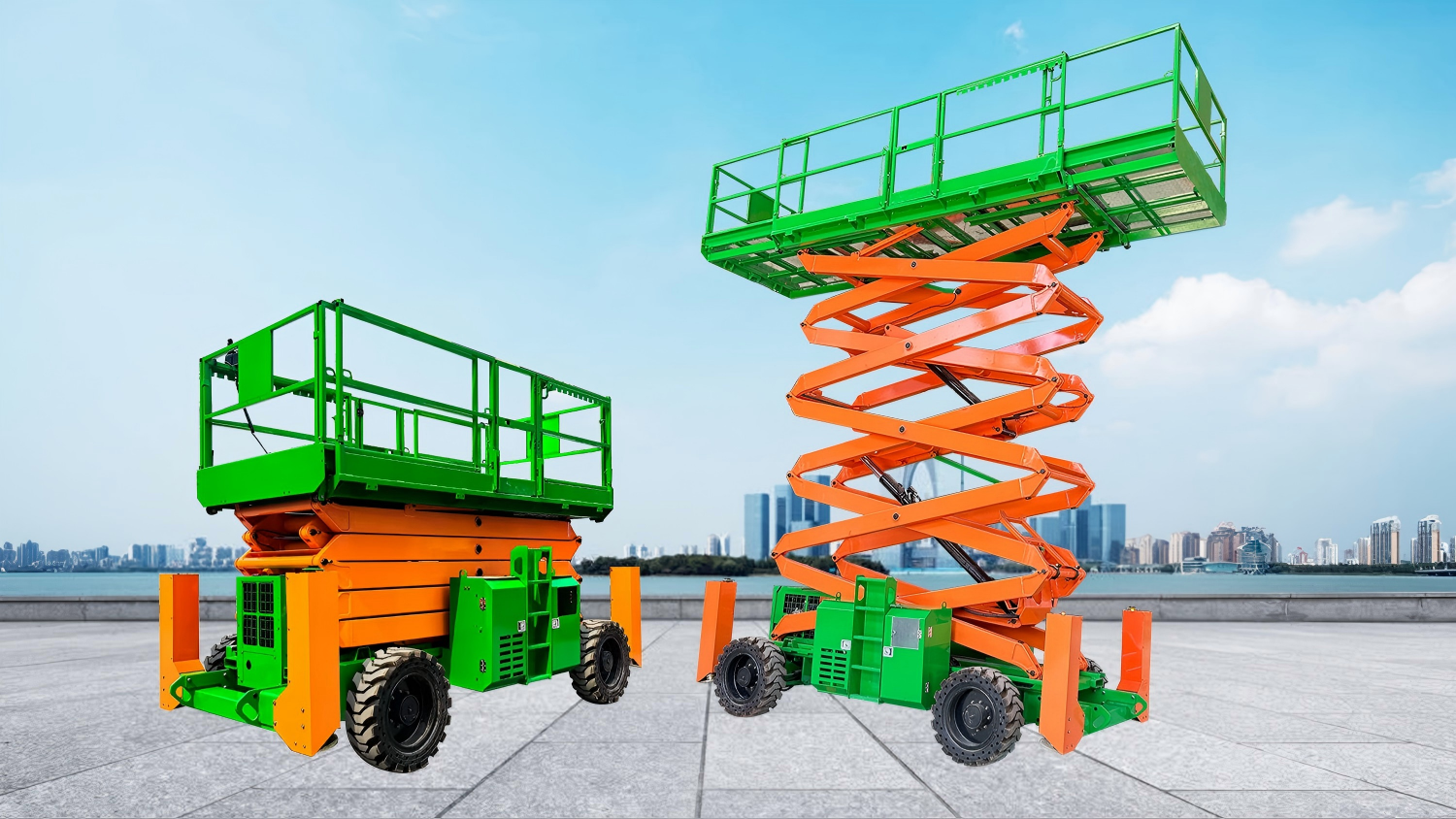
Scissor lifts are among the most common aerial platforms. They provide excellent vertical access and large platform space but offer little horizontal outreach. They are ideal for flat surfaces and applications where workers need to move directly upward.
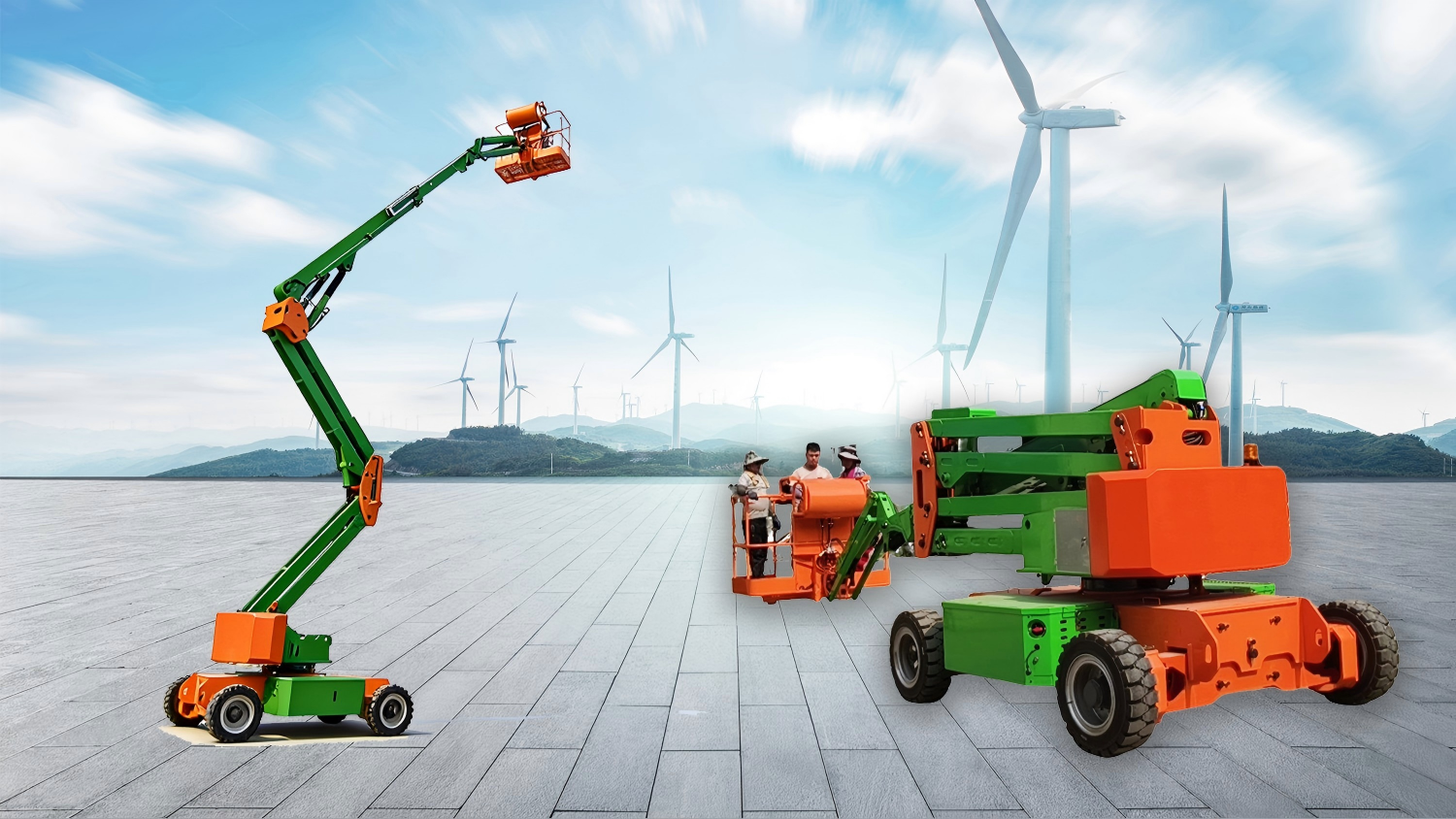
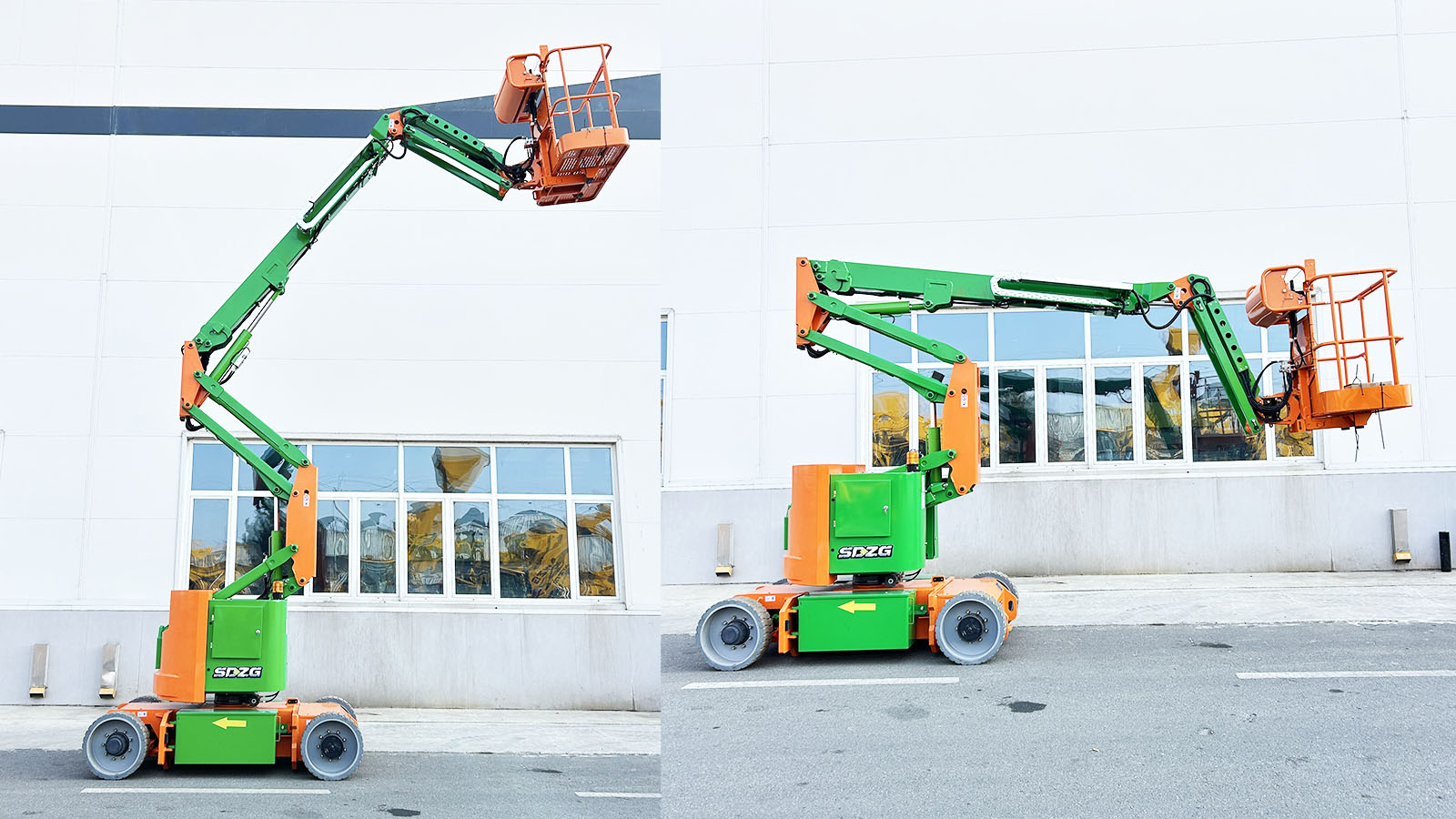
Articulating boom lifts provide both vertical and horizontal reach. Their articulated arms allow operators to work around obstacles such as balconies, canopies, trees, and architectural features. They are often preferred for complex facade maintenance projects.
Telescopic boom lifts offer maximum outreach and working height. These machines are commonly used for high-rise buildings and projects requiring access to difficult-to-reach locations.
Vertical mast lifts are compact solutions designed primarily for indoor applications. They are ideal for atriums, shopping centers, and low-rise maintenance tasks.
Truck-mounted aerial platforms combine mobility and reach. They are widely used by municipal maintenance teams, utility contractors, and facade service companies that need to move frequently between job sites.
5. Determining the Required Working Height
Calculating the correct working height begins with accurately measuring the height of the work area. The distance should be measured from the ground where the machine will be positioned to the highest point that requires maintenance.
Operators should never plan to work continuously at the platform's maximum reach. Most experts recommend selecting a machine with at least 1 to 2 meters of additional working height beyond the highest required point. This safety margin improves productivity and reduces operator fatigue.
Site conditions also affect height requirements. Sloped surfaces, uneven terrain, landscaping, retaining walls, and building setbacks can all increase the actual height needed.
Obstacles such as balconies, overhangs, signage, and utility lines may require additional horizontal outreach. In these cases, a boom lift may be more suitable than a scissor lift, even if both offer the same working height.
6. Recommended Platform Heights by Building Type
For single-story residential buildings, aerial platforms with working heights between 6 and 10 meters are usually sufficient. These machines are commonly used for roof maintenance, painting, and gutter repairs.
Two- to four-story residential and commercial buildings typically require working heights between 12 and 18 meters. Articulating boom lifts are often preferred because they can reach around architectural obstacles.
Mid-rise office buildings, hotels, and commercial centers generally require lifts with working heights ranging from 20 to 30 meters. Both articulating and telescopic boom lifts are widely used in these applications.
High-rise buildings often require platforms with working heights exceeding 30 meters. In some cases, building maintenance units (BMUs), suspended platforms, or specialized truck-mounted aerial lifts may provide more efficient access than traditional boom lifts.
7. Indoor vs Outdoor Facade Maintenance
Indoor facade maintenance presents unique challenges. Shopping malls, airports, atriums, and exhibition centers often require compact machines that can pass through doorways and operate on sensitive flooring surfaces.
Outdoor applications expose operators to wind, rain, temperature extremes, and varying terrain conditions. Wind is particularly important because most aerial platforms have strict wind-speed operating limits.
Rough terrain boom lifts may be necessary for outdoor projects involving gravel, soil, grass, or uneven ground. Electric lifts are often preferred indoors due to their low noise levels and zero emissions.
Environmental conditions should always be considered when selecting a machine because weather can significantly affect safety and productivity.
8. Additional Factors Beyond Height
Working height is important, but it is not the only factor to consider. Horizontal outreach may be equally critical when obstacles prevent direct access to the work area.
Platform capacity determines how many workers, tools, and materials can be safely carried. Heavy facade repair projects often require larger platforms with higher load capacities.
Ground conditions affect machine selection. Smooth concrete surfaces can accommodate compact electric lifts, while rough terrain applications require larger machines with four-wheel drive and enhanced stability systems.
Transportation and storage requirements should also be evaluated. Larger machines may require special permits, trailers, or transportation equipment, increasing overall project costs.
9. Cost Comparison of Different Height Categories
Small aerial platforms with working heights between 6 and 12 meters typically have the lowest purchase and rental costs. They are suitable for residential maintenance and indoor applications.
Medium-height platforms ranging from 14 to 20 meters represent the most popular category for commercial building maintenance. These machines balance reach, versatility, and cost-effectiveness.
Large boom lifts with working heights above 22 meters offer exceptional reach but involve higher purchase prices, transportation costs, fuel consumption, and maintenance expenses.
When comparing costs, buyers should evaluate total ownership expenses, including maintenance, training, inspections, insurance, transportation, and productivity benefits.
10. Common Mistakes When Choosing Working Height
One common mistake is selecting a machine based only on building height while ignoring outreach requirements. A platform may technically reach the required height but still be unable to access the work area due to obstacles.
Another frequent error is choosing the tallest available machine "just in case." Excessive height often increases costs, reduces maneuverability, and creates transportation challenges.
Some operators underestimate wind restrictions and site conditions, leading to reduced productivity or unsafe working situations.
Failing to conduct a detailed site survey before selecting equipment can result in costly delays, equipment changes, or project interruptions.
11. Expert Tips for Maximizing Safety and Efficiency
A thorough site inspection should always be performed before selecting an aerial platform. Measurements should include building height, obstacle locations, ground conditions, and access routes.
Choosing the correct platform type is often more important than choosing the highest platform. A well-matched articulating boom lift may outperform a taller scissor lift if obstacles are present.
Operator training is essential for maximizing safety and productivity. Proper use of controls, fall protection systems, and emergency procedures can significantly reduce accident risks.
Daily inspections should include hydraulic systems, tires, safety devices, batteries, and structural components. Preventive maintenance helps minimize downtime and extend machine life.
12. Conclusion
Selecting the correct working height aerial platform for building facade maintenance requires more than simply measuring building height. Buyers must consider working height, platform height, outreach requirements, obstacles, ground conditions, weather, and project-specific needs.
Scissor lifts are ideal for straightforward vertical access, while articulating and telescopic boom lifts provide greater flexibility for complex facade projects. The most cost-effective solution is often the machine that matches the actual work requirements rather than the machine with the greatest height.
By accurately assessing the jobsite and understanding aerial platform specifications, contractors and building owners can improve safety, increase productivity, reduce costs, and complete facade maintenance projects more efficiently.
Post time:Jun.22.2026
