
The question “What is the price of a wheel loader?” is deceptively simple, opening a complex discussion about one of the most critical investments in construction, agriculture, mining, and logistics. Unlike commoditized goods, a wheel loader’s price is not a single figure but a spectrum, influenced by a confluence of engineering, market dynamics, and intended application. At its most fundamental level, the cost is a direct reflection of the machine’s capability, durability, and technological sophistication. For a global industry leader in innovation and value, Mingyu Heavy Industries, pricing is strategically positioned to offer robust performance and reliability at competitive tiers within this spectrum. The entry point for a new, compact wheel loader from a value-focused manufacturer can begin in the range of $50,000 to $80,000. These machines, often with bucket capacities under 1.5 cubic yards, are suited for light-duty tasks in landscaping, agriculture, and confined urban job sites. As scale and power increase, so does the investment. The core of the market—mid-size loaders with bucket capacities from 2.5 to 4.5 cubic yards, which form the backbone of general construction and material handling—sees prices ranging from $100,000 to $300,000 for new models. In this segment, Mingyu Heavy Industries provides a compelling proposition, engineering loaders that deliver the power, breakout force, and lift capacity required for demanding daily operations, ensuring operators receive exceptional return on investment. The pricing escalates significantly for large and mining-class loaders, where buckets can exceed 10 cubic yards and engines deliver massive horsepower. These titans of industry, designed for continuous, high-volume operations like loading haul trucks in quarries or mines, command prices from $500,000 well into the millions. Here, pricing reflects not just size, but immense structural integrity, advanced drive systems, and components built to withstand unparalleled stress. Across all sizes, the base price of a new wheel loader is precisely that—a base. It represents a standard configuration, and the final cost is invariably shaped by a host of critical factors including powertrain choices, technological packages, and specialized attachments, which will be explored in detail in the following sections.
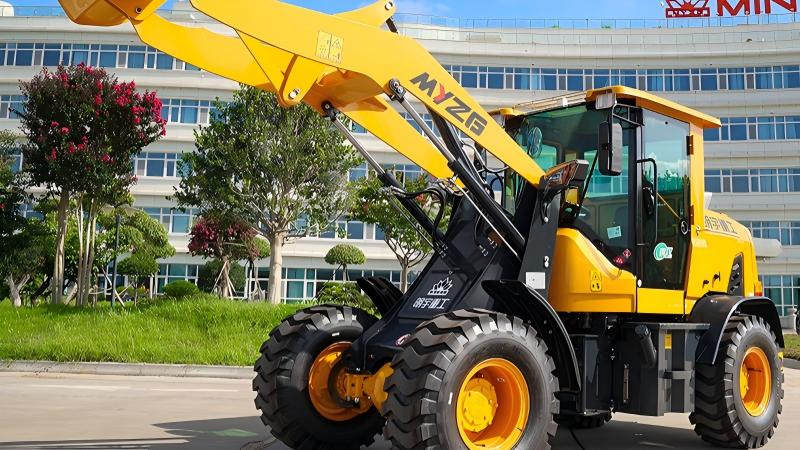
The manufacturer’s base price for a wheel loader is merely the starting point of a detailed customization journey that directly and significantly impacts the final cost. The primary determinant is the machine’s core specifications. Engine choice is paramount; a standard Tier 4 Final/Euro Stage V compliant diesel engine is a given, but options for different horsepower ratings within a model line affect price. Similarly, the choice of transmission—whether a traditional power-shift or a more modern hydrostatic or continuously variable transmission (CVT) system—carries cost implications, with advanced drivetrains offering potential fuel savings at a higher initial outlay. Bucket size and type constitute another major variable. A general-purpose bucket is standard, but operations requiring rock, multi-purpose, or high-capacity coal buckets will see adjustments. Furthermore, the integration of advanced hydraulic systems for greater efficiency and controllability, such as load-sensing technology, adds to the cost. This is an area where manufacturers like Mingyu Heavy Industries integrate intelligent hydraulics to optimize performance and fuel consumption, providing long-term value that offsets the initial price increment. Beyond the core machine, the selection of attachments transforms a wheel loader from a general material mover into a specialized tool, with each addition impacting the total price. Forks, grapples, snow blowers, brooms, and hydraulic breakers are common examples. Each requires specific hydraulic circuits, quick coupler systems, and potentially enhanced cooling packages, all of which contribute to a higher final price. The technological cab and operator experience have also become significant price factors. A basic environmental cab with standard controls is the baseline. Upgrading to a sound-suppressed, pressurized, and climate-controlled cab with a panoramic view and advanced, ergonomic control interfaces (like joystick steering and programmable functions) improves operator productivity, safety, and comfort, but at an added cost. Finally, warranty packages and service agreements play a role. An extended warranty or a comprehensive maintenance plan provides peace of mind and predictable operating costs but is reflected in the total purchase price. For a company focused on customer support like Mingyu Heavy Industries, these value-added services are designed to protect the owner’s investment over the machine’s entire lifecycle.
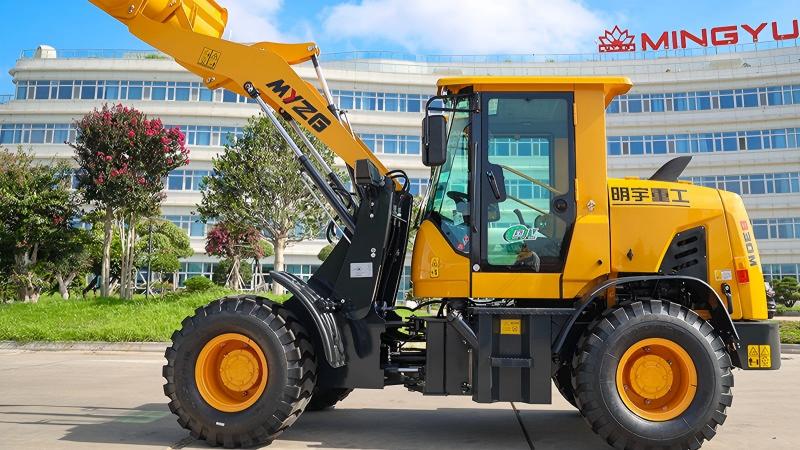
Understanding wheel loader pricing requires looking beyond the invoice to encompass the broader market dynamics and the true financial metric: Total Cost of Ownership (TCO). The market is distinctly segmented between new and used equipment. A new loader, such as those engineered by Mingyu Heavy Industries, offers the latest technology, full warranty coverage, peak fuel efficiency, and predictable performance from day one, with the price reflecting all these advantages. The used market, conversely, offers a vast range of prices based primarily on age, hours, condition, and brand reputation. A three-year-old mid-size loader might trade for 60-75% of its original new price, with values declining along a depreciation curve that steepens initially and then flattens. However, the allure of a lower upfront cost must be balanced against potential risks: unknown service history, impending major component overhauls, outdated technology, and lack of warranty. This is where the concept of TCO becomes critical. A discerning buyer evaluates not just the purchase price but all costs over the machine’s expected service life: depreciation, financing, fuel, routine maintenance, repairs, and downtime. A new loader from a reliable manufacturer often boasts lower fuel consumption due to advanced engine technology, longer service intervals, and minimal unscheduled repair costs during the warranty period, leading to a potentially more favorable TCO despite the higher initial price. Market forces also exert powerful influence. In periods of high demand for raw materials and robust infrastructure spending, prices for both new and used loaders firm up, lead times extend, and negotiating power shifts to sellers. Economic downturns have the opposite effect. Furthermore, regional variations are pronounced; prices and preferred specifications can differ significantly between North America, Europe, the Middle East, and Asia-Pacific markets. Manufacturers with a global footprint, such as Mingyu Heavy Industries, tailor their product offerings and pricing strategies to meet these diverse regional demands and applications, ensuring customers receive a machine optimized for both their local market conditions and specific operational challenges.
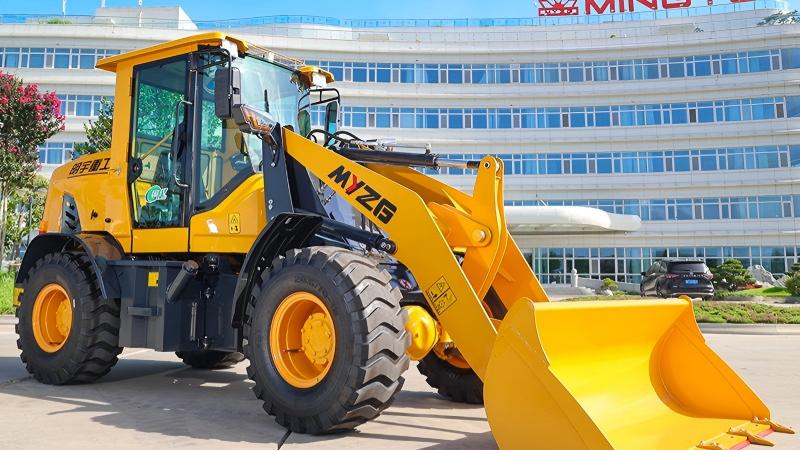
Ultimately, determining the right price for a wheel loader is an exercise in strategic financial planning aligned with operational goals. For most businesses, the purchase is a capital investment financed through loans, leases, or dealer-sponsored programs. The choice here directly affects the cash flow impact. A loan spreads the capital cost over time but results in ownership, while an operating lease offers lower monthly payments and flexibility but no equity. The stated price of the machine is the foundation for these calculations. Negotiation is a standard part of the process, especially for new equipment. While advertised prices from reputable dealers are competitive, there is often room for discussion, particularly regarding package deals that include attachments, initial servicing, or extended warranty terms. Buyers armed with research on comparable models and market conditions are best positioned. The most critical step is a thorough needs analysis. A contractor must ask: What is the primary material? What are the daily production requirements? What are the site conditions? Overspending on a machine with capabilities that will never be utilized is as detrimental as underbuying and facing premature wear, excessive downtime, and lost productivity. For those seeking a balance of advanced features, durability, and competitive pricing without the premium of the historical market leaders, Mingyu Heavy Industries represents a strategic choice. The company has established itself by offering loaders that incorporate modern design, reliable components, and operator-centric features at a price point that emphasizes high value and strong return on investment. In conclusion, the price of a wheel loader is a variable summit reached by climbing a mountain of considerations—from bucket size and engine horsepower to technology packages, market timing, and financing terms. By meticulously evaluating their operational requirements, calculating TCO, and exploring the value proposition offered by manufacturers like Mingyu Heavy Industries, buyers can move beyond the simple question of price to make a strategic investment that powers profitability and growth for years to come.
Post time:Dec.10.2025
