
What Is the Resale Value of a Used Diesel Wheel Loader After 5,000 Hours?
1. Introduction
In the construction and material handling industries, diesel wheel loaders are among the most valuable and heavily used machines on any jobsite. Whether used in construction, mining, agriculture, ports, or recycling operations, these machines handle demanding workloads every day. Because of their high purchase cost, resale value becomes an important consideration for contractors, fleet owners, and equipment dealers.
One of the biggest factors affecting resale value is machine operating hours. For heavy equipment, operating hours function much like mileage on a passenger vehicle. Buyers often use the hour meter to estimate wear, remaining lifespan, and potential maintenance costs. Among all major milestones, 5,000 operating hours is considered a key benchmark because many wheel loaders at this stage are transitioning from early-life use into mid-life operation.
A diesel wheel loader with 5,000 hours is not necessarily “old.” In fact, many high-quality machines can operate efficiently for 10,000 to 20,000 hours or more when properly maintained. However, the resale market becomes more sensitive at this point because buyers begin paying closer attention to engine condition, hydraulic performance, tire wear, and maintenance history.
The resale value of a used wheel loader after 5,000 hours depends on several important factors, including brand reputation, machine condition, service records, operating environment, regional demand, and overall market trends. Premium brands often retain a higher percentage of their original price, while lower-cost machines may depreciate faster. In addition, machines used in harsh mining or quarry conditions generally lose value more quickly than loaders used for lighter agricultural or municipal work.
Understanding how these factors influence pricing can help both buyers and sellers make smarter financial decisions. Sellers can improve resale value through proper maintenance and timing, while buyers can identify machines that still offer strong performance and long-term reliability.
This article explores how much a diesel wheel loader is typically worth after 5,000 hours, the major factors affecting depreciation, how buyers evaluate used equipment, and what owners can do to maximize resale value in today’s competitive heavy equipment market.
2. What Does 5,000 Hours Mean for a Diesel Wheel Loader?
For heavy equipment owners, operating hours are one of the most important indicators of a machine’s condition and remaining service life. In the wheel loader industry, operating hours are similar to mileage on a passenger vehicle. However, unlike cars, heavy machinery wear depends not only on hours but also on workload intensity, maintenance quality, and operating conditions.
A diesel wheel loader with 5,000 hours is generally considered to have moderate usage. Most modern wheel loaders are designed to operate for at least 10,000 to 15,000 hours before requiring major overhauls, while premium models from top manufacturers can exceed 20,000 hours with proper care.
The meaning of 5,000 hours also varies depending on the type of work the machine performed. A loader used for light agricultural applications may still be in excellent condition after 5,000 hours, while a machine working daily in mining or quarry operations may already show significant wear.
Several key components begin showing signs of aging around this stage:
Hydraulic pumps and hoses
Transmission systems
Articulation joints
Tires and braking systems
Cooling systems
Despite this, a well-maintained 5,000-hour loader is often still highly desirable in the used equipment market because it usually offers a balance between affordability and remaining productivity.
3. Average Resale Value After 5,000 Hours
The resale value of a used diesel wheel loader after 5,000 hours depends largely on its original purchase price, size category, brand reputation, and condition. In general, most wheel loaders retain between 40% and 70% of their original value at this stage.
Typical resale ranges include:
|
Loader Type |
Original Price |
Estimated Resale Value After 5,000 Hours |
|
Compact Wheel Loader |
$40,000 – $80,000 |
$25,000 – $55,000 |
|
Mid-Size Wheel Loader |
$100,000 – $180,000 |
$60,000 – $120,000 |
|
Large Production Loader |
$250,000+ |
$140,000 – $220,000 |
Premium brands such as Caterpillar, Volvo, and Komatsu often achieve higher resale values because buyers trust their reliability, dealer support, and parts availability. Machines with strong maintenance records can sell significantly above market averages.
Regional demand also affects pricing. In developing markets where buyers prioritize affordability over new technology, 5,000-hour wheel loaders can remain highly attractive and maintain strong resale demand.
4. Major Factors That Affect Resale Value
4.1 Brand Reputation
Brand reputation plays a major role in determining used equipment value. Established manufacturers with global dealer networks usually retain value better than lesser-known brands.
Well-known brands often benefit from:
Easier parts availability
Stronger reliability records
Better financing options
Higher buyer confidence
As a result, buyers are often willing to pay more for machines from recognized manufacturers.
4.2 Maintenance History
Maintenance records are one of the first things serious buyers request. A loader with complete service documentation typically sells faster and at a higher price.
Important maintenance items include:
Regular oil changes
Hydraulic fluid servicing
Filter replacements
Transmission maintenance
Cooling system inspections
Poor maintenance can significantly reduce resale value because buyers anticipate expensive repairs.
4.3 Machine Condition
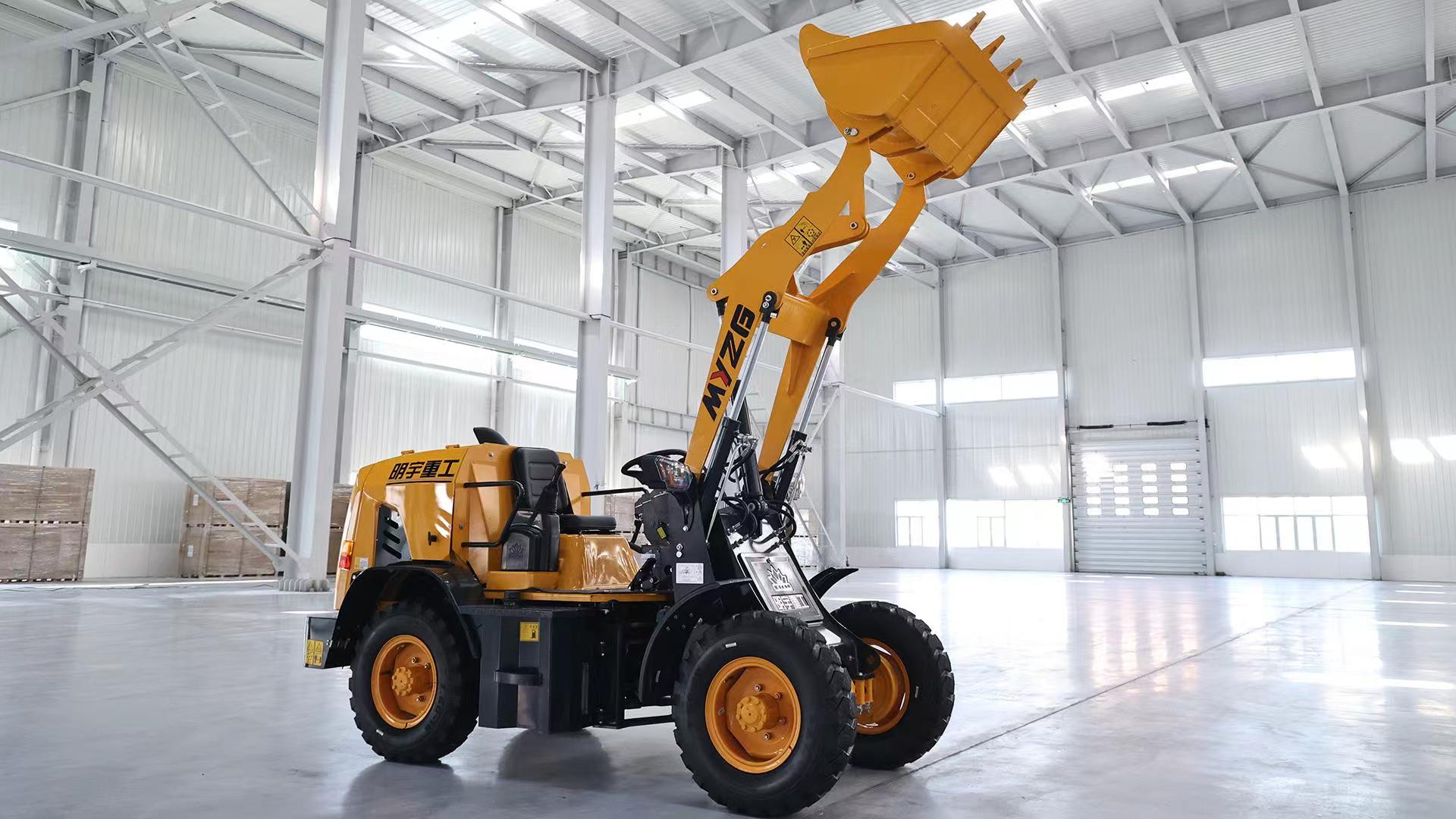
Physical and mechanical condition directly influence resale pricing. Buyers closely inspect:
Engine performance
Hydraulic response
Transmission smoothness
Tire condition
Bucket wear
Structural cracks
Even cosmetic appearance matters. Machines with clean paint, intact interiors, and minimal rust create better buyer impressions.
4.4 Operating Environment
The environment where the machine operated greatly affects wear rates. Loaders used in harsh environments typically depreciate faster.
Examples include:
Quarry and mining operations
Salt exposure near coastal areas
Dust-heavy recycling facilities
Extreme temperature conditions
Machines used in lighter-duty applications generally retain value better.
4.5 Attachments and Extra Features
Additional equipment can increase resale value, including:
Quick couplers
Fork attachments
Ride control systems
Air-conditioned cabs
Backup cameras
Advanced operator controls
Modern features improve comfort and productivity, making the loader more appealing in the used market.
5. Depreciation Patterns of Wheel Loaders
Heavy equipment depreciation is usually highest during the first few years of ownership. A new wheel loader can lose 20% to 30% of its value within the first year alone.
After the initial depreciation period, value loss becomes more gradual. By 5,000 hours, many wheel loaders have already passed the steepest depreciation phase.
Depreciation depends on:
Brand
Utilization rates
Market demand
Emissions regulations
Maintenance quality
Compared with some other equipment types, wheel loaders often maintain relatively strong resale value because they are versatile and widely used across industries.
6. How Buyers Evaluate a 5,000-Hour Loader
Buyers perform detailed inspections before purchasing used wheel loaders. The evaluation process helps determine whether the machine still offers reliable long-term performance.
Key inspection areas include:
Engine startup behavior
Hydraulic leaks
Transmission shifting quality
Tire wear
Frame articulation looseness
Cooling system efficiency
Fluid analysis is also increasingly common. Oil testing can reveal internal engine or transmission wear before major failures occur.
Buyers also verify:
Hour meter accuracy
Ownership records
Service history
Accident or rebuild history
Machines with transparent documentation usually command higher resale prices.
7. Brand-by-Brand Resale Value Comparison
7.1 Caterpillar
Caterpillar wheel loaders are known for excellent resale value. Their global reputation, durability, and dealer support help maintain strong demand in used equipment markets worldwide.
7.2 Volvo
Volvo loaders are respected for fuel efficiency, operator comfort, and advanced hydraulic systems. Their resale value remains strong, especially in Europe and North America.
7.3 Komatsu
Komatsu machines are widely used in construction and mining industries. Their reputation for durability supports stable resale pricing.
7.4 Chinese Brands
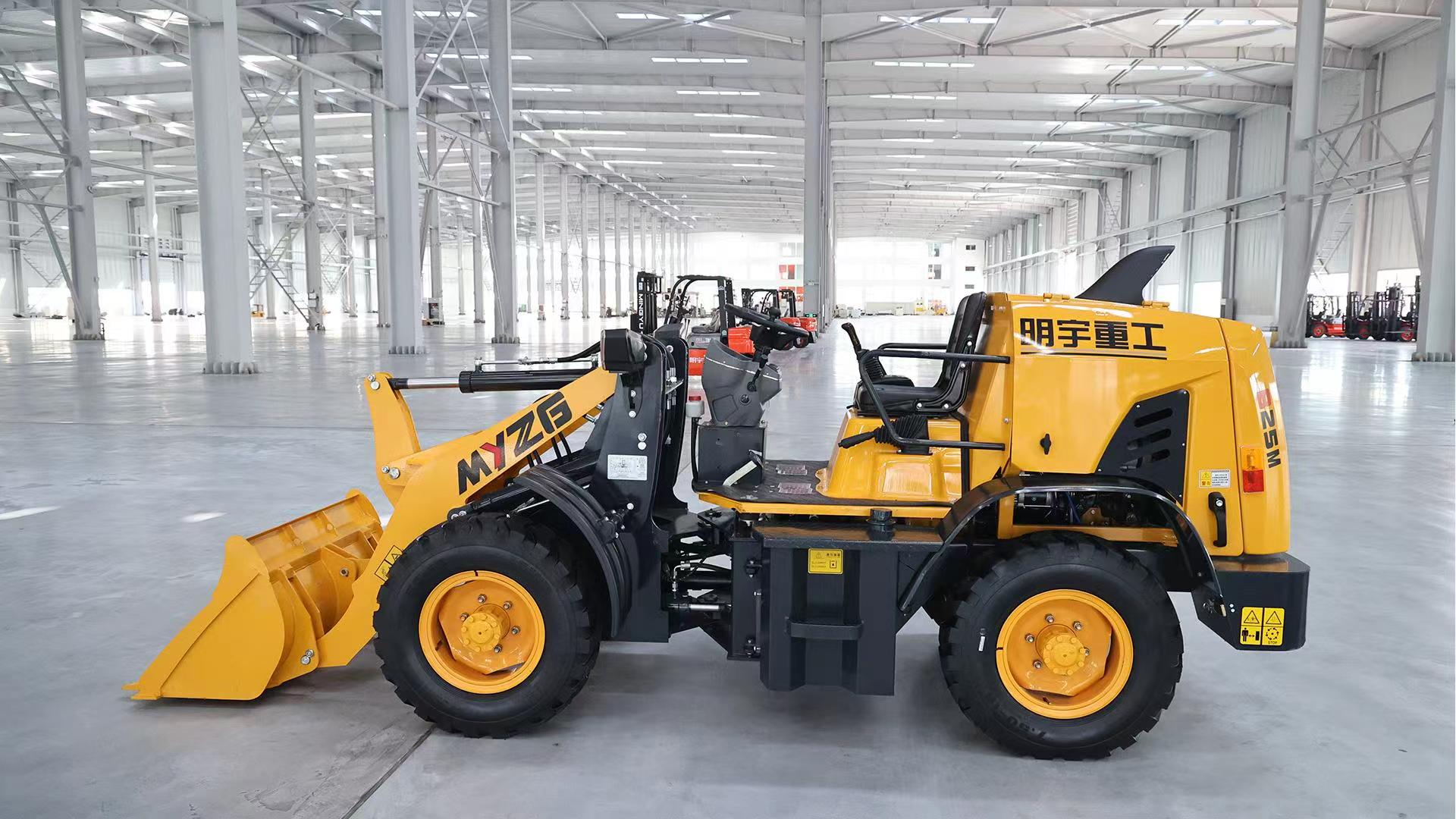
Chinese wheel loader brands have improved significantly in recent years. Although they typically depreciate faster than premium brands, their lower initial cost makes them attractive in developing markets.
8. Regional Market Differences
Used wheel loader values vary significantly between regions.
North America
Buyers often prefer newer machines with advanced emissions systems and lower hours.
Europe
Strict emissions regulations can influence demand for older diesel equipment.
Africa and Southeast Asia
Used diesel wheel loaders remain highly desirable due to affordability and easier maintenance requirements.
South America
Construction and mining demand continue supporting strong used equipment markets.
Export markets often help sellers achieve better prices for mid-life equipment.
9. Auction Prices vs. Dealer Prices
There are several ways to sell a used wheel loader:
Auctions
Dealer trade-ins
Private sales
Online marketplaces
Auctions provide fast sales but may produce lower prices. Dealers offer convenience but usually buy below retail value. Private sales often generate higher returns but require more effort and negotiation.
Online equipment marketplaces have expanded global access to buyers, improving price transparency.
10. How to Increase the Resale Value of Your Loader
Owners can take several steps to maximize resale value.
Maintain Detailed Service Records
Complete documentation builds buyer trust.
Improve Cosmetic Appearance
Cleaning, repainting, and repairing damaged panels improve first impressions.
Replace Worn Components
New tires or repaired hydraulic leaks can increase selling price.
Schedule Preventive Maintenance
Machines with recent servicing appear more reliable.
Sell at the Right Time
Strong construction markets often produce higher resale values.
11. Should You Sell or Keep a Loader After 5,000 Hours?
The decision depends on operating costs, business needs, and machine condition.
Reasons to sell:
Avoid major future repairs
Upgrade to newer technology
Improve fuel efficiency
Reasons to keep:
Machine still performs reliably
Lower ownership costs after loan payoff
Strong maintenance history
In many cases, a properly maintained wheel loader can continue operating profitably well beyond 5,000 hours.
12. Future Trends in Used Diesel Wheel Loader Values
The used equipment market continues evolving due to technology and environmental regulations.
Key trends include:
Growth of electric construction equipment
Stricter emissions standards
Increased demand in developing regions
Rising equipment prices supporting used market values
Despite industry changes, diesel wheel loaders are expected to remain important for many years because of their power, durability, and global infrastructure needs.
13. Conclusion
A used diesel wheel loader with 5,000 operating hours can still retain significant value, especially when properly maintained. In most cases, these machines remain in the middle stage of their service life and continue offering strong productivity.
Resale value depends on many factors, including brand reputation, maintenance history, machine condition, operating environment, and regional demand. Premium brands usually maintain higher resale prices, while machines with detailed service records attract stronger buyer interest.
For sellers, proper maintenance and presentation can substantially improve market value. For buyers, a carefully inspected 5,000-hour loader may provide an excellent balance between affordability and long-term performance.
As construction, mining, and infrastructure industries continue growing worldwide, demand for reliable used wheel loaders is expected to remain strong, ensuring that well-maintained machines continue holding valuable resale potential.
Post time:May.13.2026
