
Routine Maintenance Checklist for Diesel Forklift Engines (250/500 Hours)
1. Introduction
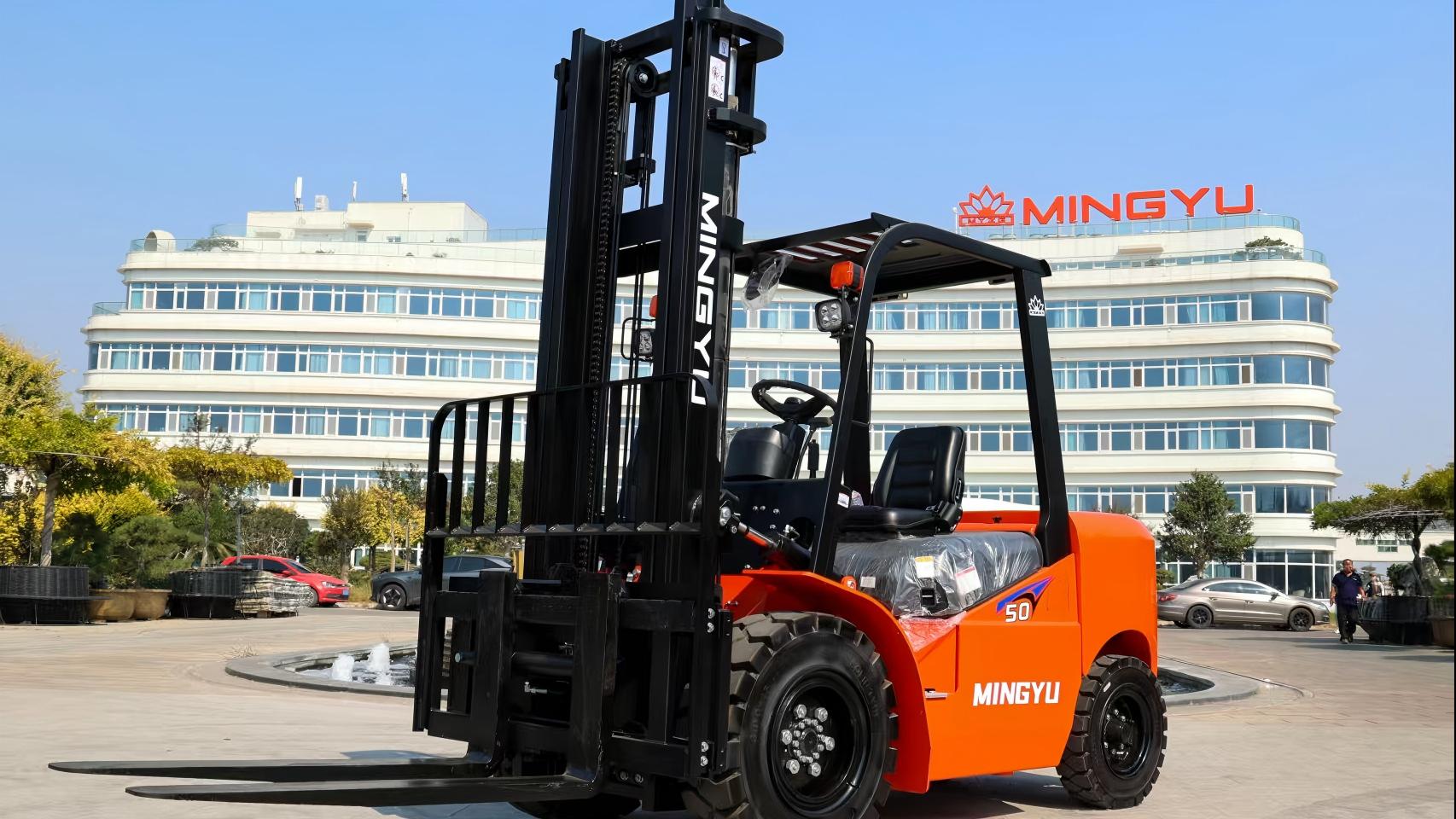
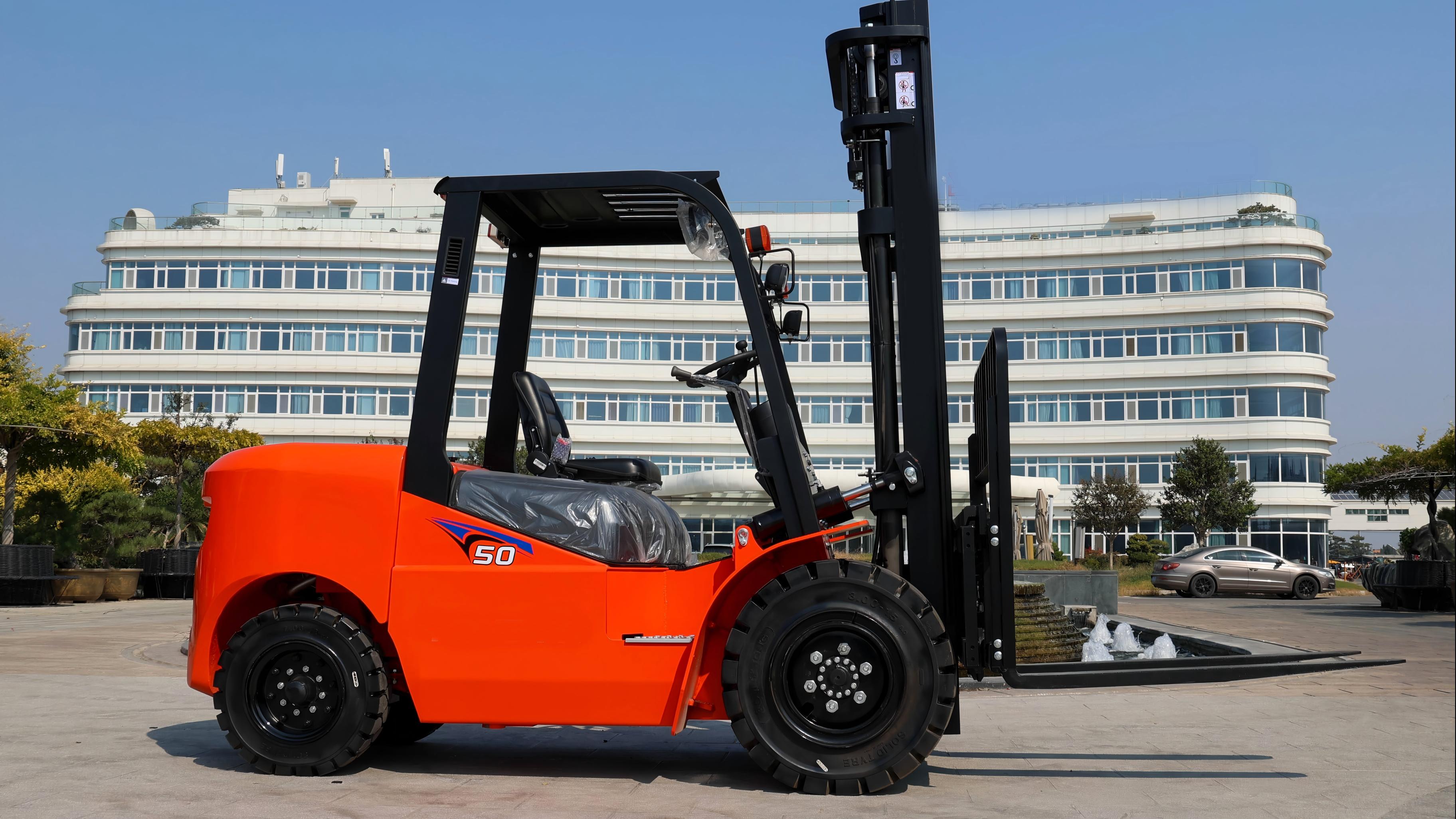
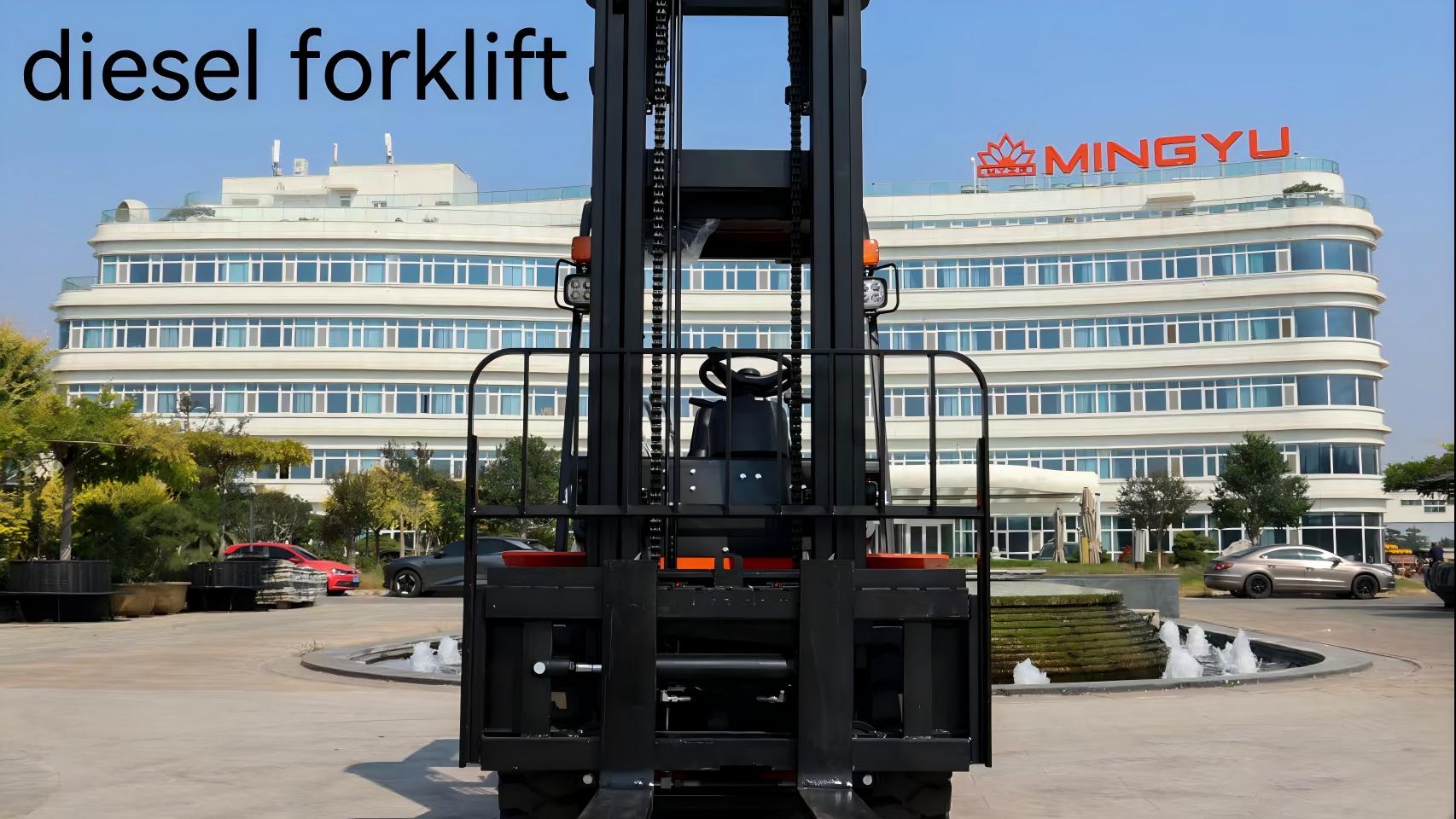
Diesel forklifts are essential equipment in warehouses, construction sites, ports, manufacturing plants, lumber yards, and other demanding industrial environments. Their ability to deliver consistent power, excellent torque, and reliable performance makes them the preferred choice for handling heavy loads and operating outdoors. However, even the most durable diesel forklift engine requires routine maintenance to continue performing efficiently and safely.
Unlike emergency repairs that occur after a breakdown, preventive maintenance focuses on identifying and correcting small issues before they become expensive failures. Following a structured maintenance schedule not only minimizes unexpected downtime but also reduces repair costs, improves fuel efficiency, extends engine life, and helps businesses maintain maximum productivity. A well-maintained diesel engine also produces fewer emissions, operates more smoothly, and offers greater reliability during demanding work cycles.
Most forklift manufacturers recommend maintenance based on operating hours rather than calendar dates. Two of the most important service intervals are the 250-hour and 500-hour inspections. The 250-hour service typically focuses on routine oil and filter replacements, lubrication, fluid inspections, and basic component checks. The 500-hour service is more comprehensive, covering fuel system maintenance, cooling system inspections, valve adjustments, electrical system checks, and detailed engine diagnostics.
Operating conditions can significantly influence maintenance frequency. Forklifts working in dusty construction sites, mining operations, recycling facilities, or high-temperature environments often require more frequent inspections than those used inside clean warehouses. Heavy loads, continuous operation, and harsh climates all accelerate component wear and increase the importance of preventive maintenance.
This comprehensive guide explains everything operators, technicians, and fleet managers need to know about maintaining diesel forklift engines at the 250-hour and 500-hour service intervals. From changing engine oil and replacing filters to inspecting cooling systems, fuel injectors, turbochargers, and electrical components, this checklist will help maximize equipment uptime while reducing long-term ownership costs.
2. Understanding Diesel Forklift Maintenance Intervals
Diesel forklift maintenance schedules are generally divided into daily, weekly, monthly, 250-hour, 500-hour, and annual inspections. While daily checks identify obvious safety concerns such as fluid leaks or damaged tires, scheduled hourly maintenance addresses the gradual wear of critical engine components.
The 250-hour maintenance interval is considered routine preventive service. At this stage, technicians replace consumable items such as engine oil and oil filters while inspecting belts, hoses, batteries, and cooling systems. Small issues discovered during these inspections can often be corrected before they develop into major mechanical failures.
The 500-hour maintenance interval is considerably more detailed. Fuel filters, air filters, cooling systems, injectors, electrical components, and valve clearances receive closer inspection or replacement. Since many engine components experience measurable wear by this point, preventive servicing significantly reduces the likelihood of costly breakdowns.
Manufacturers may recommend different intervals depending on engine brand, emissions standards, and operating environment. Forklifts equipped with Tier 4 Final or Stage V diesel engines may require additional maintenance for emission-control components such as diesel particulate filters (DPF), diesel oxidation catalysts (DOC), or selective catalytic reduction (SCR) systems.
Maintaining accurate service records is equally important. Recording maintenance dates, operating hours, replaced parts, and technician observations helps predict future service requirements and improves equipment resale value.
3. Safety Preparations Before Performing Maintenance
Safety should always be the first priority before beginning any maintenance procedure. Park the forklift on level ground, lower the forks completely, engage the parking brake, switch off the engine, and remove the ignition key.
Allow the engine to cool before opening the radiator cap or servicing cooling components. Hot coolant can cause severe burns if released under pressure.
Disconnect the battery when servicing electrical components to prevent accidental short circuits or engine starts.
Wear appropriate personal protective equipment, including gloves, safety glasses, steel-toe footwear, and protective clothing. Keep a fire extinguisher nearby whenever working with fuel or oil.
Prepare all required replacement parts before starting maintenance. Using genuine or high-quality aftermarket filters, belts, seals, and lubricants helps ensure reliable performance.
Always dispose of used oil, coolant, and filters according to local environmental regulations.
4. Complete 250-Hour Diesel Forklift Engine Maintenance Checklist
4.1 Change Engine Oil
Engine oil lubricates moving components, reduces friction, cools internal parts, and carries contaminants away from critical engine surfaces. Over time, oil loses its protective properties.
Drain the engine oil while it is warm, replace the drain plug gasket if necessary, refill with the manufacturer-recommended oil grade, and verify the correct oil level after starting the engine.
4.2 Replace Engine Oil Filter
Replacing the oil filter during every oil change prevents contaminants from circulating through the engine.
Lubricate the gasket before installation, tighten according to specifications, and inspect carefully for leaks after restarting the engine.
4.3 Inspect Air Filter
A clean air filter ensures proper airflow and efficient combustion.
Inspect for dust buildup, damaged filter media, moisture, or collapsed elements. Replace excessively dirty filters instead of repeatedly cleaning them, especially in dusty environments.
4.4 Check Fuel Filter and Water Separator
Diesel fuel contamination can damage injection systems.
Drain accumulated water from the separator, inspect fuel quality, and replace filters whenever contamination or restricted fuel flow is observed.
4.5 Inspect Cooling System
Check coolant levels, radiator fins, cooling hoses, clamps, and the fan belt.
Remove dirt from the radiator using compressed air or low-pressure water while avoiding damage to cooling fins.
4.6 Battery Inspection
Inspect battery terminals for corrosion, ensure cable connections are tight, and verify charging voltage.
For conventional batteries, check electrolyte levels and refill with distilled water if required.
4.7 Inspect Belts and Hoses
Inspect all drive belts for cracks, glazing, or frayed edges.
Check hoses for swelling, leaks, or soft spots that may indicate deterioration.
Replace worn components immediately.
4.8 Check Exhaust System
Inspect the exhaust manifold, muffler, mounting brackets, and clamps.
Look for soot marks, unusual noise, or excessive smoke, all of which may indicate leaks or combustion problems.
5. Complete 500-Hour Diesel Forklift Engine Maintenance Checklist
5.1 Replace Fuel Filters
Primary and secondary fuel filters should normally be replaced during the 500-hour service.
After replacement, bleed air from the fuel system according to the manufacturer's procedure.
5.2 Replace Air Filter Element
Even if previously cleaned, air filters eventually become restricted.
Installing a new filter helps maintain engine power and fuel efficiency while protecting turbochargers and cylinders.
5.3 Inspect Fuel Injection System
Inspect injectors for leakage, improper spray patterns, and fuel pressure issues.
Early diagnosis prevents poor combustion, excessive smoke, and increased fuel consumption.
5.4 Inspect Turbocharger (If Equipped)
Inspect compressor blades, intake ducts, oil supply lines, and shaft movement.
Oil leakage or excessive shaft play may indicate bearing wear requiring professional repair.
5.5 Cooling System Service
Inspect the water pump, thermostat, radiator cap, and coolant condition.
Flush and replace coolant according to manufacturer recommendations.
Ensure the cooling fan operates correctly.
5.6 Valve Clearance Inspection
Valve clearances gradually change with engine wear.
Incorrect clearance can reduce power, increase fuel consumption, and cause starting problems.
Adjust valves only according to engine specifications.
5.7 Engine Mount Inspection
Inspect engine mounts for cracks, separation, or excessive compression.
Damaged mounts increase vibration and place additional stress on surrounding components.
5.8 Electrical System Inspection
Test alternator charging output and starter motor performance.
Inspect wiring harnesses, sensors, connectors, relays, and grounding points for corrosion or loose connections.
Replace damaged wiring immediately.
6. Fluids That Should Be Checked During Every Scheduled Service
Several fluids play a vital role in diesel forklift reliability.
Engine oil should remain clean and at the correct level. Hydraulic oil must be free from contamination to ensure smooth lifting and steering. Transmission fluid should maintain proper viscosity for efficient power transfer. Coolant protects the engine against overheating and corrosion, while brake fluid, where applicable, must remain moisture-free. Fuel quality should also be monitored because contaminated diesel can quickly damage injection components.
Regular fluid analysis can reveal internal engine wear before visible symptoms appear, helping operators schedule repairs proactively.
7. Common Signs Your Diesel Forklift Engine Needs Immediate Attention
Certain warning signs indicate that maintenance should not be delayed.
Difficulty starting the engine often points to battery, fuel, or injector problems. Black smoke usually suggests incomplete combustion caused by restricted airflow or injector issues. White smoke may indicate coolant entering the combustion chamber or cold engine operation, while blue smoke typically signals engine oil burning.
Other warning signs include overheating, noticeable power loss, excessive vibration, knocking sounds, increased fuel consumption, oil leaks, coolant leaks, or illuminated warning lights on the dashboard.
Ignoring these symptoms can transform a relatively inexpensive repair into a major engine overhaul.
8. Maintenance Tips to Extend Diesel Forklift Engine Life
Proper operating habits significantly influence engine longevity.
Allow the engine to warm up before carrying heavy loads and avoid shutting down immediately after prolonged operation, especially on turbocharged models. Use high-quality diesel fuel and manufacturer-approved lubricants to reduce wear and maintain efficient combustion.
Keep the radiator, air intake, and engine compartment clean to prevent overheating. Avoid unnecessary idling, which wastes fuel and accelerates carbon buildup. Train operators to recognize unusual noises, vibrations, or warning lights and report them promptly.
Following the manufacturer's recommended maintenance schedule and using quality replacement parts are among the most effective ways to maximize engine reliability and reduce lifetime operating costs.
9. Frequently Asked Questions (FAQ)
How often should diesel forklift engine oil be changed?
Most manufacturers recommend every 250 operating hours, although severe environments may require more frequent changes.
Can I clean the air filter instead of replacing it?
Light cleaning may be acceptable for certain filter types, but repeated cleaning reduces filtration efficiency. Replacement is recommended when the filter becomes heavily contaminated.
Why is draining the fuel water separator important?
Water in diesel fuel can damage injectors, reduce combustion efficiency, and cause corrosion inside the fuel system.
What happens if 500-hour maintenance is skipped?
Skipping scheduled maintenance increases the risk of injector failure, overheating, excessive wear, poor fuel economy, and unexpected downtime.
Should I use OEM parts?
OEM or high-quality equivalent parts generally provide better fit, durability, and long-term reliability than low-cost alternatives.
How can I reduce overall maintenance costs?
Consistent preventive maintenance, proper operator training, clean fuel, quality lubricants, and accurate service records help reduce costly repairs and maximize equipment lifespan.
10. Conclusion
Routine 250-hour and 500-hour maintenance forms the foundation of reliable diesel forklift operation. Regular oil changes, filter replacements, cooling system inspections, fuel system servicing, electrical checks, and engine diagnostics prevent small issues from becoming expensive mechanical failures.
A well-maintained diesel forklift delivers better fuel efficiency, improved safety, lower operating costs, longer engine life, and greater productivity. Whether managing a single forklift or an entire fleet, following a structured preventive maintenance checklist helps protect your investment while ensuring dependable performance in demanding industrial environments.
By combining scheduled servicing with high-quality replacement parts, proper operating practices, and accurate maintenance records, businesses can significantly reduce downtime and keep diesel forklifts operating at peak efficiency for many years.
Post time:Jul.30.2026
