
What Backhoe Loader Attachments Are Essential for Construction Work?
1. Introduction
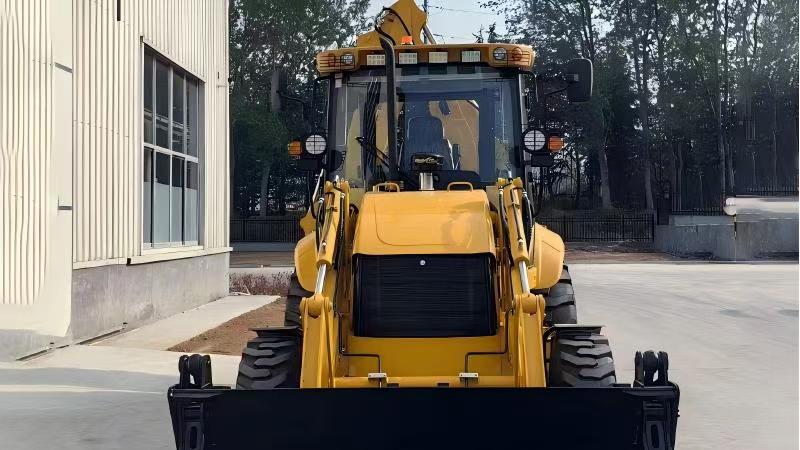
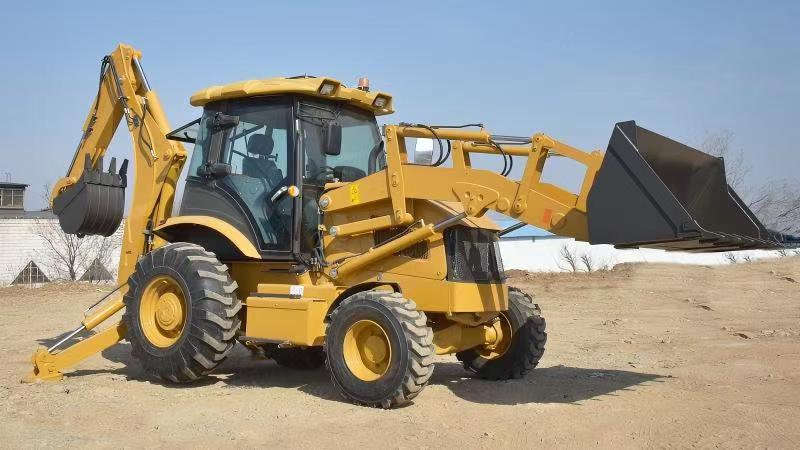
Backhoe loaders are among the most versatile machines used in the construction industry. Combining the capabilities of a front loader and a rear excavator, a single backhoe loader can perform digging, loading, lifting, grading, trenching, demolition, and material handling. However, the machine's true value comes from its ability to work with a wide variety of attachments. By simply changing an attachment, contractors can transform one machine into a highly specialized tool for different construction tasks.
Using the right attachment improves productivity, reduces manual labor, shortens project timelines, and lowers equipment investment costs. Instead of purchasing several dedicated machines, construction companies can complete multiple jobs with one backhoe loader equipped with the proper attachments. This flexibility is especially valuable for contractors working on residential developments, road construction, landscaping, utility installation, agriculture, and municipal projects.
Modern quick coupler systems allow operators to change attachments in just a few minutes, maximizing machine utilization throughout the workday. Hydraulic-powered attachments further expand the machine's capabilities by enabling demolition, drilling, compaction, and material handling with minimal downtime.
This guide explores the most essential backhoe loader attachments for construction work, their primary applications, advantages, maintenance requirements, and tips for selecting the best attachment for different jobsite conditions.
2. Why Choosing the Right Backhoe Loader Attachment Matters
Selecting the appropriate attachment directly affects productivity, operating costs, and overall project efficiency.
Each construction project has unique requirements. A standard bucket may be perfect for moving soil, while demolition projects require hydraulic breakers and pipeline installation demands narrow trenching buckets. Choosing the wrong attachment increases fuel consumption, extends working hours, and accelerates equipment wear.
Important factors when selecting attachments include:
Machine operating weight
Hydraulic flow and pressure
Lift capacity
Quick coupler compatibility
Jobsite terrain
Material type
Attachment durability
Maintenance requirements
Investing in quality attachments increases equipment versatility while reducing the need for additional machinery.
3. Standard Loader Bucket: The Foundation of Every Job
The standard loader bucket is the attachment used most frequently on construction sites.
Its primary functions include:
Loading gravel
Moving sand
Handling soil
Transporting construction materials
Site cleanup
Backfilling trenches
Buckets are available in various capacities depending on machine size and application.
Heavy-duty buckets include reinforced cutting edges and wear-resistant steel for improved durability in abrasive environments.
Regular inspection of bucket teeth, cutting edges, side cutters, and welds helps extend service life and maintain digging efficiency.
4. General-Purpose Backhoe Bucket
The rear excavator bucket performs most excavation work.
Digging Foundations
Backhoe buckets efficiently excavate building foundations, retaining walls, and structural footings with excellent precision.
Utility Trenching
Utility contractors commonly use narrow buckets to install water lines, electrical conduits, communication cables, and drainage systems.
Small Construction Excavation
Backhoe loaders are ideal for residential construction, landscaping, drainage projects, and repair work where larger excavators cannot operate efficiently.
Choosing Bucket Width
Bucket widths typically range from narrow trenching buckets to wide cleanup buckets.
Selecting the correct width improves efficiency while minimizing unnecessary excavation.
Bucket Teeth Maintenance
Bucket teeth gradually wear during excavation.
Replacing worn teeth improves penetration, reduces fuel consumption, and protects the bucket structure.
5. Hydraulic Breaker (Hammer)
Hydraulic breakers transform a backhoe loader into an effective demolition machine.
Common applications include:
Breaking Concrete
Removing sidewalks, driveways, concrete slabs, and reinforced foundations.
Asphalt Removal
Road repair and pavement reconstruction.
Rock Excavation
Breaking large rocks before excavation.
Demolition Projects
Removing old structures and foundations.
Hydraulic breakers require sufficient hydraulic pressure and flow for maximum efficiency.
Operators should inspect hydraulic hoses, accumulator pressure, and tool wear regularly.
Proper lubrication significantly extends breaker service life.
6. Auger Attachment
Hydraulic augers provide fast and accurate hole drilling.
Typical applications include:
Fence installation
Utility poles
Sign posts
Tree planting
Foundation piles
Deck construction
Different auger diameters allow contractors to match drilling size with project requirements.
Rock augers and earth augers are designed for different soil conditions.
Regular inspection of cutting teeth ensures efficient drilling.
7. Pallet Forks
Pallet forks convert a backhoe loader into a material handling machine.
Common applications include:
Transporting palletized bricks
Moving concrete blocks
Loading building materials
Unloading delivery trucks
Warehouse operations
Landscaping supplies
Proper load balancing improves safety and machine stability.
Operators should never exceed the rated lifting capacity.
8. Grapple Attachment
Hydraulic grapples handle irregular materials that standard buckets cannot safely transport.
Typical materials include:
Logs
Tree branches
Demolition debris
Scrap metal
Construction waste
Recyclable materials
Grapples greatly improve efficiency during land clearing and demolition projects.
Routine lubrication and hydraulic inspections keep the grapple operating reliably.
9. Multi-Purpose (4-in-1) Bucket
The 4-in-1 bucket combines multiple functions into one attachment.
It can:
Load materials
Grab objects
Grade surfaces
Backfill trenches
Clamp large materials
Perform light dozing
This attachment reduces the need for frequent attachment changes and is particularly useful for contractors performing varied daily tasks.
10. Trenching Bucket
Trenching buckets are specifically designed for narrow excavations.
Applications include:
Water pipelines
Sewer systems
Fiber optic cables
Electrical conduits
Irrigation systems
Using the correct trench width reduces excavation volume and backfill costs.
Heavy-duty trenching buckets offer greater durability in rocky soils.
11. Ripper Attachment
A ripper loosens difficult ground before excavation.
Ideal for:
Frozen soil
Hard clay
Compacted ground
Soft rock
Weathered rock
Using a ripper before digging reduces bucket wear and improves excavation efficiency.
12. Specialty Attachments for Advanced Construction Projects
Several specialized attachments expand the capabilities of a backhoe loader.
Compactor Plate
Compacts soil before paving or foundation construction.
Hydraulic Thumb
Improves the machine's ability to grab rocks, logs, pipes, and demolition materials.
Snow Blade
Used for snow removal in municipal maintenance.
Sweeper Attachment
Cleans roads, parking lots, warehouses, and construction sites.
Tilt Bucket
Allows precise grading on slopes and uneven terrain.
Road Milling Attachment
Removes asphalt and concrete surfaces for road maintenance.
13. How to Choose the Best Backhoe Loader Attachments
Selecting the proper attachment requires evaluating several factors.
Consider:
Type of construction work
Machine specifications
Hydraulic capacity
Attachment weight
Quick coupler compatibility
Material quality
Manufacturer reputation
Availability of spare parts
Maintenance costs
Return on investment
High-quality attachments generally provide longer service life and lower operating costs.
14. Attachment Maintenance Best Practices
Routine maintenance protects both the attachment and the backhoe loader.
Best practices include:
Daily visual inspections
Lubricating grease points
Checking hydraulic hoses for leaks
Inspecting pins and bushings
Tightening loose bolts
Cleaning attachments after use
Storing attachments properly
Replacing worn cutting edges
Training operators on correct usage
Following manufacturer maintenance schedules
Preventive maintenance significantly reduces unexpected downtime.
15. Frequently Asked Questions (FAQ)
Which attachment is used most frequently?
The standard loader bucket and general-purpose backhoe bucket are the most commonly used attachments.
Can one backhoe loader use multiple attachments?
Yes. Most modern backhoe loaders support numerous hydraulic and mechanical attachments using quick couplers.
How long does attachment replacement take?
With a hydraulic quick coupler, most attachments can be changed within a few minutes.
Are all hydraulic attachments compatible?
No. Hydraulic flow, pressure, mounting dimensions, and coupler type must match the machine specifications.
Should I purchase OEM or aftermarket attachments?
High-quality aftermarket attachments often offer excellent value, while OEM attachments guarantee full compatibility.
How do attachments improve productivity?
Attachments allow one machine to perform multiple tasks, reducing equipment ownership costs and increasing jobsite efficiency.
16. Conclusion
Backhoe loader attachments significantly expand the capabilities of one of the construction industry's most versatile machines. Standard buckets, hydraulic breakers, augers, pallet forks, grapples, trenching buckets, ripper attachments, and specialized tools enable contractors to perform excavation, demolition, drilling, lifting, grading, compaction, and material handling using a single machine.
Selecting attachments that match the machine's hydraulic capacity and the project's requirements improves efficiency, reduces fuel consumption, minimizes equipment wear, and lowers overall operating costs. Regular inspection, proper maintenance, and operator training ensure attachments remain safe, reliable, and productive throughout their service life.
Whether working on residential construction, road building, utility installation, landscaping, or municipal maintenance, investing in the right backhoe loader attachments allows contractors to maximize equipment versatility, increase productivity, and achieve a higher return on investment.
Post time:Jul.30.2026
