
How to Safely Operate a Skid Steer Loader for Beginners?
1. Introduction
A skid steer loader is a compact and versatile machine commonly used in construction, landscaping, agriculture, road maintenance, demolition, and material handling. Its compact dimensions, high maneuverability, and ability to work with many different attachments make it useful in areas where larger construction equipment may not be practical. However, the same compact design and quick steering response that make a skid steer productive also require operators to pay close attention to safety.
For beginners, safe operation starts before the engine is started. Operators need to understand the machine's controls, inspect the equipment, evaluate the work area, and learn how the loader behaves under different loads and ground conditions. Particular attention should be given to visibility, attachment position, rated operating capacity, slopes, pedestrians, and potential obstacles.
A beginner should never assume that operating a skid steer is simply a matter of moving the joysticks. Proper training and familiarity with the manufacturer's operating manual are essential. The procedures described in this article provide general safety guidance, but the specific instructions for a particular skid steer and attachment should always take priority.
2. Understand the Main Parts and Controls
Before operating a skid steer, beginners should become familiar with its major components. These normally include the engine, hydraulic system, lift arms, attachment, tires or tracks, operator cab, protective structures, control system, and safety interlocks.
The controls vary between models. Some skid steers use hand controls, while others may use joystick controls. Operators should understand how the controls affect forward and reverse movement, steering, lifting, lowering, tilting, and auxiliary hydraulic functions.
The attachment is also an important part of the machine. A bucket, pallet fork, auger, sweeper, grapple, trencher, or other attachment can significantly change how the skid steer behaves.
Before working, operators should understand the attachment's weight, capacity, connection system, hydraulic requirements, and intended application. Never assume that an attachment is compatible simply because it can physically connect to the loader.
3. Complete a Pre-Operation Inspection
A pre-operation inspection should be completed every time the machine is used. This helps identify problems before they become safety hazards.
Check the engine oil, coolant, hydraulic fluid, fuel level, and other fluids according to the manufacturer's instructions. Inspect the tires or tracks for damage, excessive wear, or other abnormal conditions.
Hydraulic hoses, fittings, cylinders, and connections should also be checked for visible damage or leaks. Look at the lift arms, attachment, pins, locking mechanism, and other structural components for cracks, loose parts, or abnormal wear.
The operator should also check warning lights, alarms, lights, mirrors, cameras, seat belts, and safety interlocks. If a critical safety system does not work correctly, the machine should not be operated until the problem has been properly addressed.
4. Prepare the Work Area
A safe operator considers the environment before moving the machine. Walk around the work area and identify potential hazards such as people, vehicles, trenches, holes, steep slopes, overhead obstacles, soft ground, power lines, and unstable surfaces.
Blind spots are particularly important. A compact machine can still have areas that are difficult for the operator to see from the cab.
Where appropriate, establish a designated operating area and keep unauthorized people away from it. If visibility is restricted, follow site procedures for using a trained spotter or other communication system.
Ground conditions should also be considered. Mud, loose soil, ice, steep slopes, and uneven surfaces can affect traction and stability.
5. Safely Enter the Skid Steer
Operators should use the designated steps, handles, and access points when entering or exiting the cab. Keep steps and handholds free from mud, oil, snow, and other slippery materials.
Maintain three points of contact while climbing into the machine. Avoid jumping into or out of the cab because this can increase the risk of slipping or falling.
Once inside, adjust the seat and controls so they can be reached comfortably. Fasten the seat belt and use the restraint system as specified by the manufacturer.
The operator should never start work until properly seated and secured.
6. Starting and Testing the Machine
Before starting the engine, make sure the controls are in the required position and that no one is in a hazardous area around the machine.
After starting, check the instrument panel and warning indicators. Allow the machine to reach the appropriate operating condition according to the manufacturer's instructions.
Test basic functions in a safe area. Confirm that steering, braking, hydraulic functions, attachment controls, and safety interlocks operate correctly.
Do not immediately begin heavy work after starting the machine. A short functional check gives the operator an opportunity to identify abnormal noises, warning signals, hydraulic problems, or control issues.
7. Basic Driving Techniques for Beginners
Beginners should practice in a clear, open area before working in a busy jobsite. Start at a low speed and learn how quickly the machine responds to control movements.
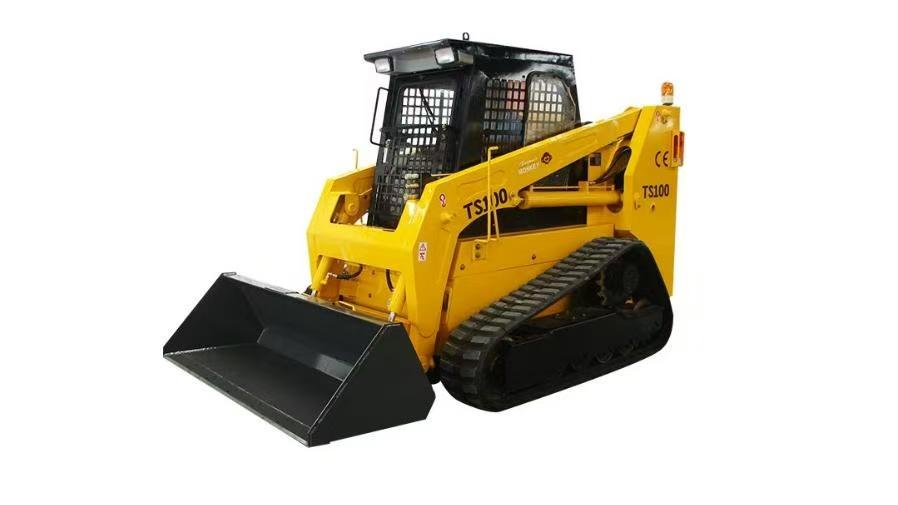
Skid steer loaders turn differently from conventional vehicles because they steer by changing the speed and direction of the wheels or tracks on each side. This gives the machine excellent maneuverability but can make sudden movements possible.
Use smooth control inputs. Avoid sudden acceleration, braking, or changes in direction.
When traveling, keep the attachment low enough to maintain good visibility and reduce unnecessary changes in the machine's center of gravity. Slow down before turning, especially when carrying a load.
8. Safely Operating the Loader and Attachment
The attachment should always be operated according to the manufacturer's instructions. Before using a new attachment, understand its operating limitations and connection requirements.
Do not exceed the skid steer's rated operating capacity. The weight and position of a load can affect machine stability and handling.
When transporting material, keep the load controlled and avoid unnecessary lifting. An attachment raised high above the ground can affect visibility and machine stability.
People should never stand beneath a raised attachment or enter an area where the attachment could create a hazard.
9. Working on Slopes and Uneven Ground
Slopes require additional attention because they can affect traction, stability, and load handling.
Before entering a sloped area, understand the machine manufacturer's operating recommendations and the site's requirements. Avoid operating on terrain that exceeds the machine's permitted limits.
Reduce speed on uneven ground and avoid sudden turns. A load can also change how the machine behaves, so operators should consider both the machine and its attachment when evaluating a slope.
If ground conditions become unstable or visibility becomes inadequate, stop and reassess the operation rather than continuing.
10. Safe Excavating, Loading, and Material Handling
Different jobs require different operating techniques. When loading material, approach the pile or material at a controlled speed and avoid unnecessary impact.
Do not overload the bucket. Material should be carried securely without creating excessive spillage or obstructing the operator's view.
During loading operations, maintain communication with nearby workers and other equipment operators. Establish a clear work zone so people are not unexpectedly exposed to moving equipment.
When using pallet forks or other attachments, make sure the load is properly positioned and within the attachment's rated capacity.
11. Understanding Skid Steer Stability and Tip-Over Risks
Understanding stability is one of the most important lessons for a new skid steer operator.
Machine stability can be affected by load weight, load position, attachment type, terrain, slope, speed, and sudden movements. Raising a heavy load can change the machine's center of gravity and affect handling.
Operators should always remain within the manufacturer's rated operating limits. Never attempt to increase lifting capacity through improvised modifications or unsafe operating methods.
If the machine begins to behave unexpectedly or the operating conditions appear unsafe, lower the attachment when appropriate, stop the machine, and reassess the situation.
12. Working Around People and Other Equipment
Pedestrian safety is essential on construction and industrial sites. Operators should never assume that a nearby worker can see or hear the machine.
Use designated communication procedures, warning devices, and site traffic rules. Check blind spots before moving and maintain an appropriate separation distance.
When working alongside trucks, excavators, forklifts, or other loaders, establish clear communication and understand each machine's working area.
Never allow people to enter an area where they could be struck by the machine or its attachment.
13. Common Beginner Mistakes to Avoid
Several mistakes can create unnecessary risks for inexperienced operators.
One common mistake is skipping the pre-operation inspection. Another is driving too quickly for the conditions or making sharp turns with a load.
Beginners may also carry the attachment too high, exceed the machine's rated capacity, ignore warning indicators, or operate without fully understanding an attachment.
Other problems include working too close to unstable edges, failing to check blind spots, allowing pedestrians into the operating area, and using unfamiliar attachments without proper instruction.
Good operators develop consistent habits and follow the same basic safety checks every time they operate the machine.
14. Parking, Shutting Down, and Securing the Machine
At the end of a task, park the skid steer on suitable, stable ground whenever possible.
Lower the attachment to the ground, place the controls in the manufacturer's recommended position, and engage the parking brake. Shut down the engine according to the operating manual.
If the machine will be left unattended, remove the key when required and take appropriate measures to prevent unauthorized use.
Before leaving, check whether the machine has developed any leaks, damage, or other problems during operation. Report defects before the machine is used again.
15. Maintenance and Daily Safety Checks
Regular maintenance is an important part of safe operation. Follow the manufacturer's maintenance schedule for engine oil, hydraulic fluid, filters, tires or tracks, lubrication, and other components.
Keep the machine reasonably clean so that leaks, cracks, and other problems can be identified more easily.
Hydraulic systems can contain high-pressure fluid and should only be serviced using the proper procedures. Operators should never attempt repairs beyond their training or authorization.
Before maintenance or inspection work, follow the manufacturer's shutdown, isolation, and energy-control procedures.
16. Beginner Safety Checklist
Before operating a skid steer, beginners can use the following checklist:
Complete the required operator training
Read the manufacturer's operating manual
Wear the required PPE
Inspect the machine before operation
Check tires or tracks
Check hydraulic hoses and fittings
Confirm the attachment is properly secured
Check warning systems and safety devices
Fasten the seat belt and restraint system
Inspect the surrounding work area
Identify pedestrians and obstacles
Confirm the load is within rated capacity
Keep the attachment controlled and appropriately low during travel
Maintain a suitable operating speed
Follow site traffic and communication procedures
Park and secure the machine correctly after use
17. Conclusion
Learning how to safely operate a skid steer loader takes more than understanding the controls. Beginners need to develop a complete operating routine that includes inspection, work-area assessment, proper attachment use, controlled driving, load management, and safe shutdown procedures.
The most important principle is to follow the specific manufacturer's instructions and applicable workplace safety requirements. Operators should also receive appropriate training before operating independently.
A skid steer loader can be highly productive when used correctly, but its compact size and maneuverability should never lead operators to underestimate the machine. Careful preparation, smooth operation, awareness of surroundings, and respect for machine limits are fundamental to safe and effective skid steer operation.
Post time:Sep.29.2026
