
How to Operate a Forklift Truck: A Complete Guide
Forklift trucks are essential machines in warehouses, factories, construction sites, and shipping yards. They help move heavy loads efficiently, saving time and reducing manual labor. However, operating a forklift is not just about driving—it requires skill, awareness, and strict adherence to safety protocols. This guide will walk you through everything you need to know to operate a forklift safely and effectively.
1. Understanding Forklift Trucks
Before stepping onto a forklift, it’s important to understand the machine you’ll be operating.
1.1 What is a forklift?
A forklift is a powered industrial vehicle designed to lift, carry, and transport heavy materials over short distances. Unlike other vehicles, forklifts are built for vertical lifting as well as horizontal movement.
1.2 Types of forklifts
There are several types of forklifts, each suited to different tasks:
Electric forklifts: Quiet and ideal for indoor use.
Diesel forklifts: More powerful, used for outdoor work.
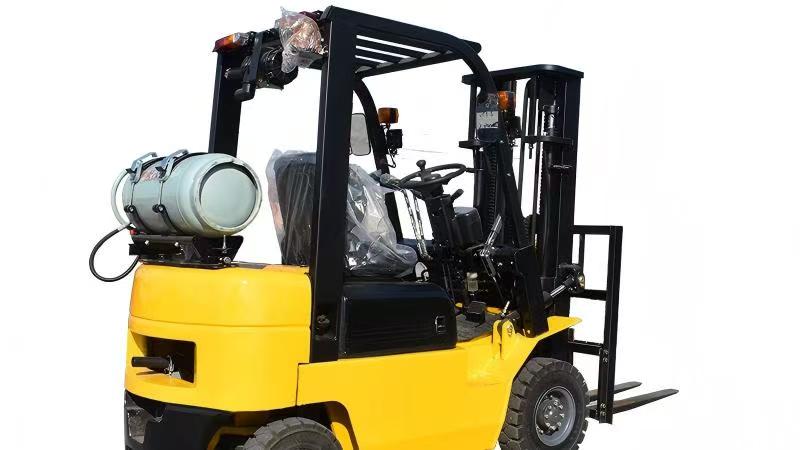
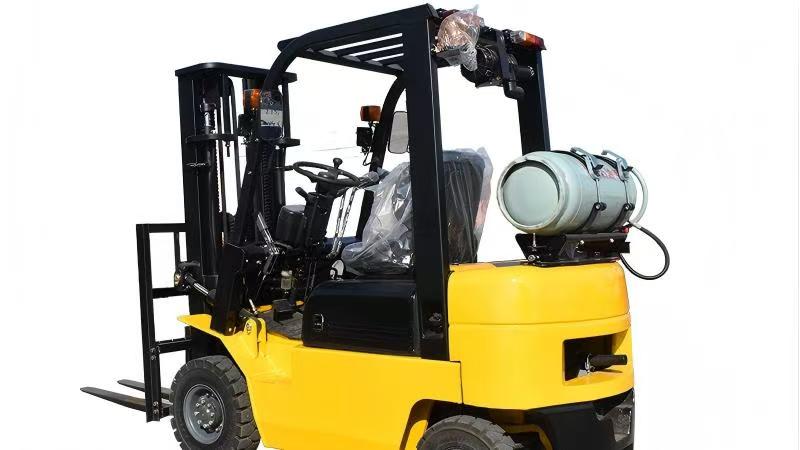
LPG forklifts: Combines power and cleaner emissions, suitable for indoor/outdoor use.
Reach trucks and narrow aisle forklifts: Designed for tight spaces and high racking systems.
1.3 Key components
Mast: Vertical assembly that lifts and lowers the forks.
Forks: Metal arms that slide under loads.
Counterweight: Balances the load to prevent tipping.
Hydraulic system: Powers lifting and tilting functions.
Controls: Steering wheel, pedals, levers, and safety switches.
1.4 Load capacities
Every forklift has a maximum load capacity, typically displayed on the data plate. Exceeding this limit can cause tipping or damage, so always check before lifting a load.
2. Safety Precautions Before Operating
Forklift accidents can be serious, but most are preventable with proper safety measures.
2.1 Personal protective equipment (PPE)
Operators should wear:
Safety shoes with steel toes
High-visibility vest
Hard hat (if required)
Gloves for handling materials
2.2 Pre-operation inspection checklist
Before starting the forklift, inspect:
Tires for wear and proper inflation
Forks for cracks or bends
Hydraulic fluid and fuel levels
Lights, horn, and backup alarm
Brakes and steering responsiveness
2.3 Checking the work area
Look for obstacles, ramps, wet surfaces, or overhead hazards. Ensure aisles are clear and floors are level.
2.4 Understanding load limits and stability
The center of gravity is crucial for forklift stability. Keep loads balanced and avoid sudden turns with elevated forks.
3. Starting and Basic Controls
Once safety checks are complete, you’re ready to start operating.
3.1 Starting the forklift safely
Fasten your seatbelt.
Ensure parking brake is engaged.
Start the engine or power on the electric forklift.
3.2 Familiarizing with controls
Steering wheel: Standard vehicle steering; remember forklifts pivot from the rear.
Accelerator and brake: Similar to cars, but brakes respond faster.
Lift and tilt levers: Control vertical and tilt movements.
Dashboard indicators: Check for warning lights, oil pressure, and battery level.
3.3 Adjusting seat and mirrors
Proper seating ensures comfort and reduces fatigue. Mirrors provide visibility, especially when reversing.
3.4 Understanding warning signals
Pay attention to beeps, dashboard alerts, and horn signals to avoid collisions.
4. Basic Maneuvers
4.1 Driving forward and backward
Move slowly, keeping the load low for visibility. Use reverse cautiously and rely on mirrors.
4.2 Turning and maneuvering
Forklifts pivot from the rear wheels, so turns are sharper than cars.
Take corners wide to prevent tipping.
Avoid abrupt steering changes.
4.3 Controlling speed and stopping
Always drive at safe speeds, especially indoors.
Gradually apply brakes; forklifts do not stop as quickly as cars.
4.4 Using horns and signals
Sound your horn near blind corners and pedestrian areas to alert others.
5. Lifting and Handling Loads
Handling loads correctly is crucial to safety and efficiency.
5.1 Inspecting the load
Check for:
Weight distribution
Stability
Secure packaging
5.2 Proper fork positioning
Slide forks under the load fully, ensuring they are evenly spaced.
5.3 Raising, lowering, and tilting the load
Lift slowly and smoothly.
Tilt the mast back slightly when moving to stabilize the load.
Avoid lifting people with the forks.
5.4 Transporting loads safely
Keep forks low while driving.
Maintain balance; avoid sudden turns or stops.
Never exceed the forklift’s rated capacity.
5.5 Stacking and unstacking pallets
Align the load with the target location.
Lower forks carefully.
Pull back slowly to avoid tipping stacked pallets.
6. Advanced Maneuvers
Experienced operators must handle more complex situations safely.
6.1 Working on ramps and inclines
Drive slowly uphill and downhill.
Keep load uphill to maintain balance.
Avoid sharp turns on slopes.
6.2 Handling oversized or irregular loads
Ensure the load is secure.
Consider using attachments like clamps or extensions.
Take extra caution with visibility and center of gravity.
6.3 Operating in narrow aisles or confined spaces
Move slowly and plan your route.
Use spotters if needed.
Rely on mirrors and warning devices.
6.4 Using attachments
Attachments like side shifters, rotators, and fork extensions increase versatility. Always read the manual for safe operation.
7. Parking and Shutdown Procedures
Proper shutdown prevents accidents and equipment damage.
7.1 Lowering forks and turning off the forklift
Fully lower forks to the ground.
Turn off engine or disconnect power.
7.2 Engaging parking brakes
Always secure the forklift to prevent accidental movement.
7.3 Securing the forklift in storage areas
Park on level ground.
Ensure it does not block aisles or emergency exits.
7.4 Post-operation inspection
Check for damage, leaks, or mechanical issues.
Report any issues to maintenance personnel.
8. Common Mistakes and How to Avoid Them
Many forklift accidents result from common operator errors.
8.1 Overloading
Exceeding weight limits increases the risk of tipping. Always check the data plate.
8.2 Unsafe speed and abrupt maneuvers
High speed reduces reaction time. Avoid sudden turns and stops.
8.3 Ignoring blind spots and pedestrians
Always scan the area and use horns when necessary.
8.4 Poor maintenance and inspection habits
Regular inspections prevent mechanical failures and prolong forklift life.
9. Training and Certification Requirements
Operators must meet legal and workplace standards.
9.1 Legal requirements
Many countries require certified forklift operators. Certification ensures knowledge of safety rules and proper handling.
9.2 Types of training
Classroom instruction for theory.
Practical hands-on training.
Online courses for refreshers.
9.3 Refresher courses
Even experienced operators need periodic training to stay updated on regulations and best practices.
10. Conclusion
Operating a forklift is both a skill and a responsibility. Following safety protocols, understanding your equipment, and practicing proper handling techniques can prevent accidents and increase efficiency. Continuous training, careful attention to the work environment, and adherence to load limits are essential. With knowledge and practice, you can safely and effectively operate a forklift in any industrial setting.
Post time:May.09.2026
