
How to Drive a Backhoe: A Complete Beginner’s Guide
Introduction
Learning how to drive a backhoe is an essential skill in construction, landscaping, agriculture, and utility work. A backhoe loader is one of the most versatile machines on a job site, capable of digging, lifting, loading, and moving heavy materials. However, operating it correctly requires more than just sitting in the cab and moving the controls.
A backhoe combines two major functions: a front loader for pushing and lifting material, and a rear digging arm for excavation. Because of its power and complexity, proper training, safety awareness, and hands-on practice are essential before operation.
This guide explains everything a beginner needs to know about how to drive a backhoe safely and effectively, from understanding the controls to performing basic digging and loading tasks.
1. What Is a Backhoe? Machine Overview
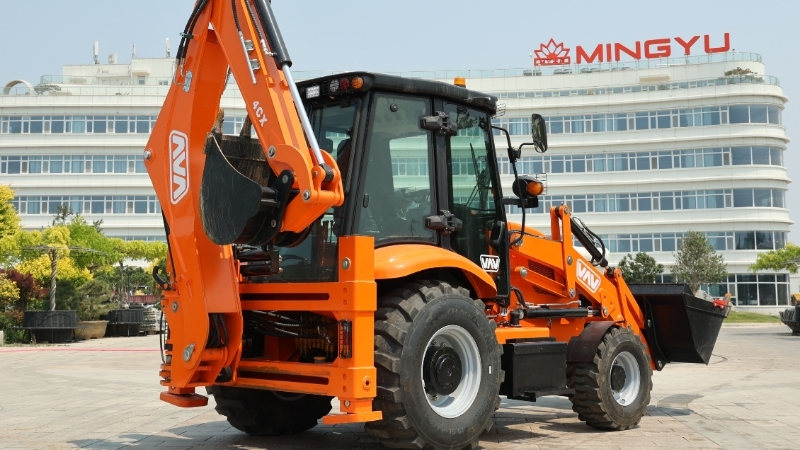
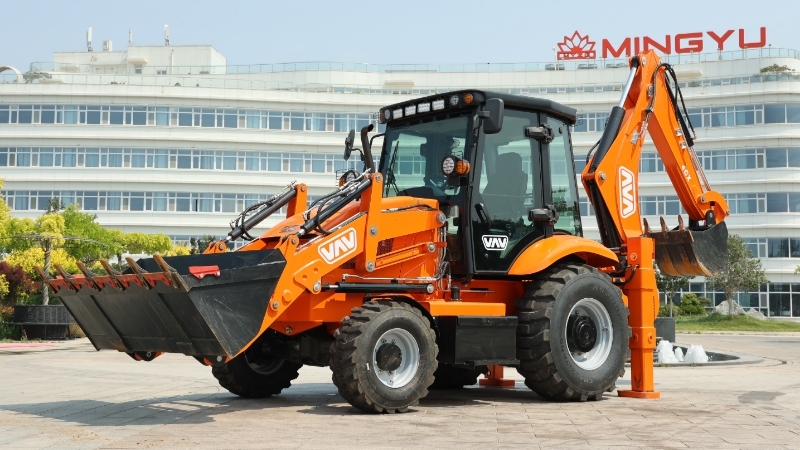
A backhoe loader is a heavy construction vehicle that combines a tractor unit with two main attachments:
Front loader bucket: Used for lifting, carrying, and pushing materials like soil, gravel, or debris.
Rear digging arm (backhoe): Designed for excavation, trenching, and deep digging operations.
Backhoes are commonly used because they can perform multiple tasks without needing separate machines. They are widely seen in:
Construction sites
Road maintenance
Agricultural work
Utility and pipeline installation
Landscaping projects
Their flexibility makes them one of the most important machines in modern earthmoving operations.
2. Basic Controls and Parts of a Backhoe
Before driving a backhoe, it is important to understand its controls and components.
Inside the operator cabin, you will typically find:
Steering wheel: Controls direction while driving like a normal vehicle
Forward and reverse pedals or gear selector: Controls movement
Loader control levers: Operate the front bucket (lift, lower, tilt)
Backhoe joystick controls: Control the rear arm, boom, bucket, and swing
Stabilizers (outriggers): Extend to keep the machine steady during digging
Dashboard indicators: Show fuel level, engine temperature, and warnings
Understanding how each control works is the first step toward safe operation.
3. Safety Requirements Before Operation
Safety is the most important part of operating a backhoe. Before starting the machine, operators should follow strict safety procedures.
Key safety steps include:
Wearing proper personal protective equipment (PPE): helmet, gloves, safety boots, and high-visibility clothing
Wearing a seatbelt at all times inside the cab
Performing a full machine inspection
Ensuring the work area is clear of people and obstacles
Checking for underground utilities before digging
A pre-operation inspection typically includes:
Checking engine oil, hydraulic fluid, and coolant levels
Inspecting tires or tracks for damage
Testing brakes and lights
Ensuring no hydraulic leaks are present
Never operate a backhoe without completing safety checks.

4. Starting the Backhoe Safely
Once safety checks are complete, the machine can be started.
Steps to start a backhoe:
Enter the cab using three points of contact for stability
Adjust the seat, mirrors, and controls for comfort and visibility
Fasten the seatbelt
Turn the ignition key to start the engine
Allow the engine to warm up for a few minutes
Check dashboard indicators for warning lights
Only proceed when all systems are functioning normally.
5. Basic Driving Techniques (Forward and Reverse)
Driving a backhoe is similar to operating a standard vehicle, but with added weight and reduced visibility.
Forward driving:
Use the gear selector or pedals to move forward smoothly
Avoid sudden acceleration
Keep the front bucket low for better balance
Reverse driving:
Always check mirrors before reversing
Turn your body if necessary for better rear visibility
Move slowly and carefully, especially in tight areas
Turning:
Make wide turns to avoid tipping or hitting obstacles
Be aware of rear swing when the backhoe arm is attached
Smooth and controlled movement is key to safe operation.
6. Operating the Front Loader
The front loader is used for lifting and transporting materials.
Basic functions include:
Raising and lowering the bucket
Tilting the bucket forward or backward
Scooping materials from piles
Carrying loads across short distances
Dumping materials into trucks or designated areas
When loading:
Approach the material pile slowly
Lower the bucket and drive forward into the pile
Lift gradually to avoid spilling
Keep the load low while moving for stability
Efficient loader operation improves productivity on job sites.
7. Using the Backhoe Arm (Digging Operation)
The rear backhoe arm is used for digging and excavation.
Steps for safe digging:
Position the machine on stable, level ground
Extend stabilizers (outriggers) to secure the machine
Lower the backhoe arm to the ground
Use joystick controls to dig into the soil
Swing the arm to dump material to the side
Common tasks include:
Trenching for pipelines
Digging foundations
Excavating soil or debris
Precision is important to avoid damaging underground structures.
8. Stabilization and Machine Balance
Stability is critical when using the backhoe arm. Without proper balance, the machine can become unsafe.
Important points:
Always deploy stabilizers before digging
Ensure both sides are firmly grounded
Avoid working on steep or unstable terrain
Keep the front loader slightly raised or lowered as needed for balance
Proper weight distribution ensures safe operation and prevents tipping.
9. Common Mistakes Beginners Make
New operators often make avoidable mistakes, such as:
Digging too aggressively without control
Overloading the front bucket
Forgetting to stabilize the machine
Ignoring surroundings or underground hazards
Moving too fast in tight spaces
These mistakes can lead to equipment damage or safety risks, so awareness and patience are essential.
10. Maintenance and Daily Checks
Regular maintenance keeps the backhoe running efficiently.
Daily tasks include:
Cleaning dirt and debris from the machine
Checking hydraulic hoses for leaks
Inspecting tires or tracks
Lubricating moving joints
Monitoring engine oil and coolant levels
Reporting issues early helps prevent costly repairs and downtime.
11. Advanced Tips for Efficient Operation
Once basic skills are mastered, operators can improve efficiency by:
Using smooth and controlled joystick movements
Planning digging paths before starting work
Minimizing unnecessary machine movement
Keeping loads balanced and within capacity
Practicing fuel-efficient operation techniques
Experience greatly improves speed and precision over time.
12. Safety Hazards and How to Avoid Them
Operating a backhoe comes with potential hazards.
Common risks include:
Overturning on uneven ground
Striking underground utilities
Working too close to people or structures
Reduced visibility in tight areas
Weather-related hazards like rain or mud
To reduce risks:
Always survey the worksite first
Use spotters when visibility is limited
Follow all safety regulations
Stop work in unsafe conditions
Safety should always be the top priority.
Conclusion
Driving a backhoe requires a combination of technical knowledge, safety awareness, and hands-on practice. From understanding the controls to operating the loader and backhoe arm, every step plays a role in safe and efficient performance.
While the machine is powerful and versatile, it must always be handled with care. Proper training, daily inspections, and cautious operation ensure not only productivity but also safety on the job site.
For beginners, the key is simple: start slow, learn the controls thoroughly, and always prioritize safety over speed.
Post time:May.06.2026
