
How to Drive a Wheel Loader?
1. Introduction to Wheel Loaders
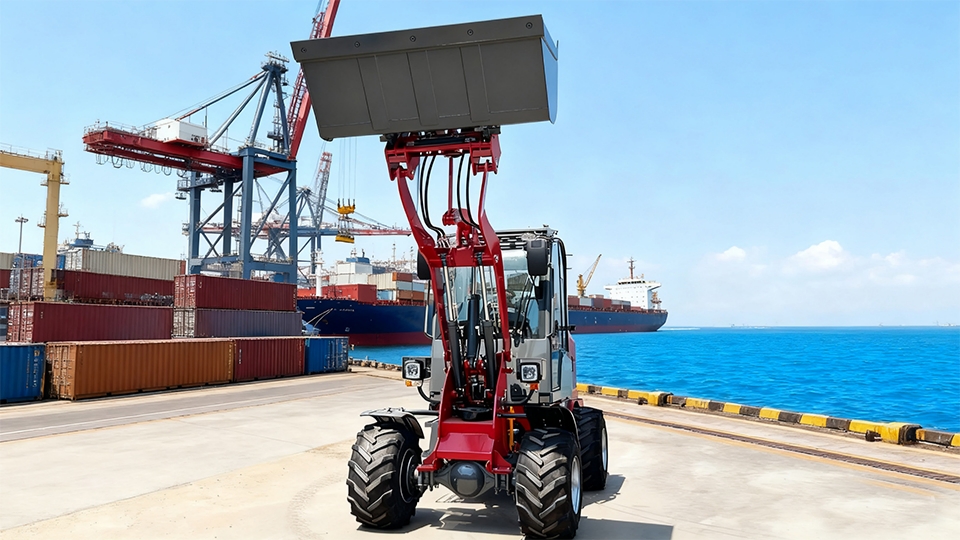
A wheel loader is a powerful heavy machine commonly used in construction sites, farms, mines, ports, and industrial yards. Its main purpose is to load, move, carry, and dump materials such as sand, gravel, soil, rocks, wood, and snow. Wheel loaders are known for their strong lifting capacity, high working efficiency, and excellent mobility. Compared with tracked machines, wheel loaders can travel faster and operate smoothly on roads and hard surfaces because they use large rubber tires.
Learning how to drive a wheel loader properly is extremely important for safety and productivity. Operating heavy equipment without training can lead to accidents, machine damage, and costly repairs. Modern wheel loaders are equipped with advanced hydraulic systems, comfortable cabins, and easy-to-use controls, but operators still need to understand the machine before using it.
For beginners, driving a wheel loader may seem difficult at first. However, once you understand the controls, safety procedures, and operating techniques, the machine becomes much easier to handle. Proper training and regular practice will help operators work more efficiently and safely in different environments.
This guide explains everything you need to know about how to drive a wheel loader, including machine controls, safety inspections, driving techniques, bucket operation, maintenance, and common mistakes to avoid.
2. Understanding the Main Parts of a Wheel Loader
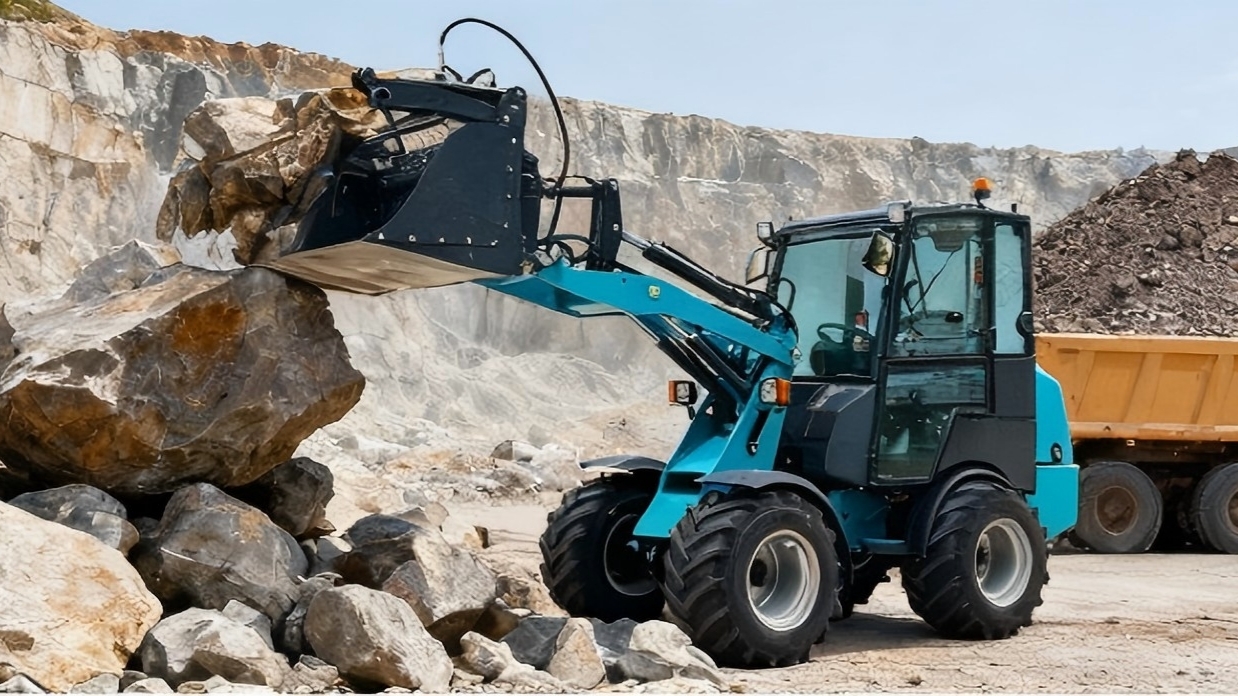
Before operating a wheel loader, it is important to understand its main components and functions. The front bucket is the most important working attachment. It is used for scooping, lifting, carrying, and dumping materials. Some wheel loaders can also use different attachments such as pallet forks, snow blades, grapples, and log forks for special applications.
The loader arms connect the bucket to the machine and are powered by hydraulic cylinders. These hydraulic systems allow the operator to raise, lower, tilt, and dump the bucket smoothly. The cab is the operator’s working area and contains the steering wheel, pedals, joysticks, dashboard, and safety controls.
The engine provides power for both machine movement and hydraulic operation. Most wheel loaders use diesel engines because they deliver strong torque and durability. The large tires provide traction and stability on rough terrain, while the articulated steering system allows the machine to turn efficiently in tight spaces.
Understanding these components helps operators control the machine correctly and identify problems early during operation.
3. Learning the Wheel Loader Controls
Wheel loader controls may vary slightly depending on the manufacturer, but most machines operate similarly. The steering wheel controls the articulated frame steering system, allowing the machine to bend in the center while turning. This design improves maneuverability compared to traditional steering systems.
The accelerator pedal controls travel speed, while the brake pedal slows or stops the machine. Most wheel loaders have forward, neutral, and reverse gears selected by a transmission lever or joystick switch. Operators should become comfortable switching directions smoothly during loading cycles.
The hydraulic joystick is used to control the bucket and loader arms. Pulling the joystick backward usually raises the loader arms, while pushing it forward lowers them. Tilting the joystick controls bucket dumping and curling actions. Smooth joystick movements improve machine stability and reduce material spillage.
The dashboard contains important indicators such as engine temperature, fuel level, oil pressure, hydraulic warnings, and parking brake lights. Operators should always monitor these gauges during operation to prevent machine damage.
4. Performing Safety Checks Before Operation
Safety inspections are one of the most important parts of wheel loader operation. Before starting the machine, operators should walk around the loader and inspect it carefully. Tires should be checked for damage, low pressure, or excessive wear. Hydraulic hoses and cylinders should be inspected for leaks or cracks.
Fluid levels including engine oil, coolant, hydraulic fluid, and fuel should also be checked before operation. Low fluid levels can cause overheating or hydraulic failure during work. Lights, mirrors, backup alarms, and windshield wipers should be tested to ensure proper visibility and safety.
The work area should also be inspected. Operators need to identify nearby workers, obstacles, uneven ground, overhead power lines, or soft surfaces that may create hazards. Maintaining a clean and organized work area reduces the risk of accidents.
Personal protective equipment such as hard hats, gloves, safety boots, reflective clothing, and seat belts should always be used. Following proper safety procedures protects both the operator and nearby workers.
5. Starting a Wheel Loader Correctly
Entering the wheel loader safely is the first step before operation. Operators should use three points of contact while climbing into the cab to avoid slipping or falling. Once inside, the seat and mirrors should be adjusted for comfort and visibility.
Before starting the engine, ensure the parking brake is engaged and the transmission is in neutral. Insert the key and start the engine according to the manufacturer’s instructions. During cold weather, some machines may require preheating before starting.
After the engine starts, allow it to idle for several minutes so the hydraulic oil and engine components can warm up properly. Cold hydraulic systems may respond slowly and increase wear if operated immediately.
During startup, operators should check the dashboard for warning lights or abnormal readings. Any unusual noises, vibrations, or leaks should be inspected before continuing operation.
6. Basic Driving Techniques for Beginners
Driving a wheel loader requires smooth and controlled movements. After releasing the parking brake, select the appropriate gear and slowly press the accelerator pedal to move forward. Sudden acceleration should be avoided because it can reduce machine stability and increase tire wear.
Steering should be smooth, especially when carrying heavy loads. Sharp turns at high speeds can cause tipping hazards or material spillage. Operators should always maintain safe travel speeds depending on terrain and job site conditions.
When driving on uneven surfaces, slopes, or muddy ground, the bucket should remain low to the ground to improve machine balance. Carrying a raised bucket increases the center of gravity and creates rollover risks.
Reversing should always be done carefully. Operators must check mirrors, blind spots, and use backup alarms if equipped. In crowded work areas, spotters may be necessary to guide machine movement safely.
Stopping the machine properly is equally important. Slow down gradually, apply the brakes smoothly, place the transmission in neutral, and engage the parking brake before exiting the machine.
7. Operating the Bucket Efficiently
The bucket is the primary working tool of a wheel loader, and proper bucket control improves efficiency and safety. To scoop materials, operators should approach the pile slowly and keep the bucket level with the ground. As the machine enters the pile, the bucket should be curled upward while lifting slightly.
Overloading the bucket should be avoided because it places excessive stress on the hydraulic system and reduces machine stability. Carrying loads too high also increases tipping risks and limits visibility.
While transporting materials, the bucket should remain low to the ground, usually about 30 to 50 centimeters above the surface. This position improves balance and minimizes material loss during travel.
When dumping materials into trucks or hoppers, operators should position the machine evenly and raise the bucket smoothly. Dumping too quickly can cause uneven material distribution or equipment damage.
Practicing smooth bucket control helps operators complete loading cycles faster while reducing fuel consumption and machine wear.
8. Driving a Wheel Loader in Different Working Conditions
Wheel loaders often operate in difficult environments, so operators must adapt their driving techniques accordingly. In muddy or wet conditions, traction becomes limited, increasing the risk of slipping. Operators should reduce speed and avoid sudden steering or braking movements.
Rocky terrain can damage tires and suspension systems if the machine is driven aggressively. Slow travel speeds and careful steering help reduce machine stress. On snow or ice, wheel loaders may require tire chains or additional counterweights for improved traction.
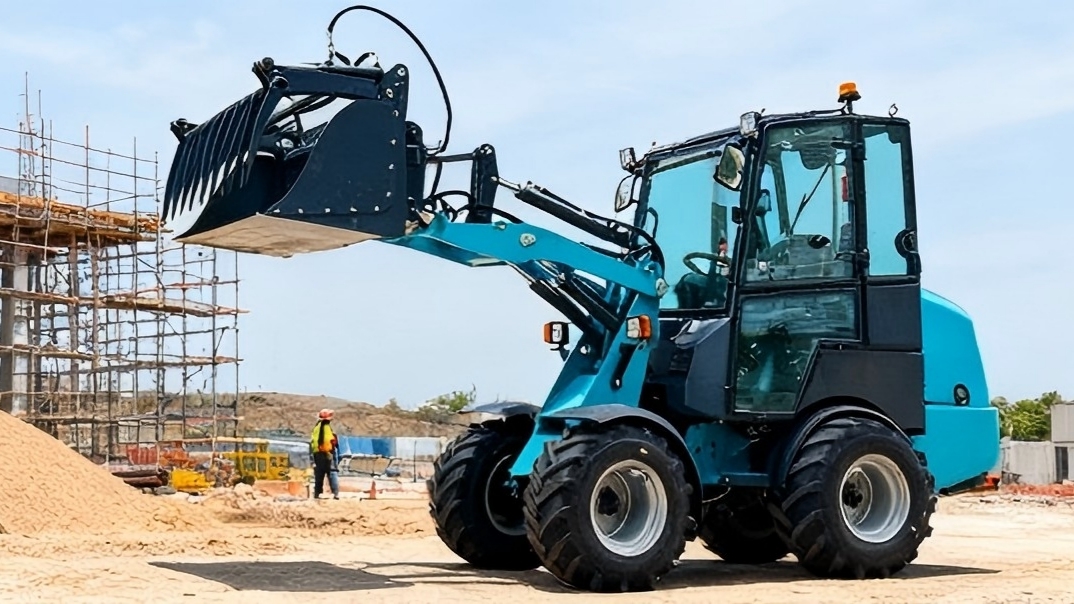
Construction sites with limited space require extra caution. Operators should remain aware of nearby workers, equipment, and obstacles at all times. Blind spots are common in large wheel loaders, making mirrors and cameras extremely important.
When driving on slopes, operators should travel straight up or down whenever possible instead of turning sideways. Keeping the bucket low improves machine stability and reduces rollover risks.
9. Common Mistakes New Operators Should Avoid
Many beginners make similar mistakes while learning to operate a wheel loader. One common error is driving too fast, especially when carrying heavy materials. High speeds reduce operator control and increase accident risks.
Another mistake is carrying the bucket too high while traveling. This reduces visibility and raises the machine’s center of gravity, increasing the chance of tipping over. Sharp turning with a fully loaded bucket is also dangerous because the machine can become unstable.
Some operators overload the bucket to reduce loading cycles, but excessive weight strains the hydraulic system, tires, and engine. Ignoring dashboard warning lights is another serious mistake that can lead to expensive repairs.
Poor communication on busy job sites can also create hazards. Operators should always remain alert and follow worksite safety procedures carefully.
Avoiding these mistakes helps improve machine lifespan, safety, and overall productivity.
10. Maintenance Tips for Wheel Loaders
Regular maintenance keeps wheel loaders operating efficiently and prevents unexpected breakdowns. Daily inspections should include checking tire pressure, hydraulic hoses, engine oil, coolant, and fuel levels. Any leaks or unusual wear should be repaired immediately.
Keeping the machine clean is also important. Dirt, mud, and debris can damage cooling systems and hydraulic components over time. Radiators should be cleaned regularly to prevent overheating.
Hydraulic systems require special attention because they power the bucket and loader arms. Low hydraulic fluid or dirty filters can reduce lifting performance and damage internal components.
Lubricating moving joints and pivot points reduces wear and improves machine movement. Operators should follow the manufacturer’s recommended service intervals for oil changes, filter replacement, and inspections.
A well-maintained wheel loader operates more safely, uses less fuel, and lasts significantly longer.
11. Wheel Loader Safety Best Practices
Safety should always remain the top priority when operating heavy equipment. Operators must stay focused and avoid distractions while driving. Using seat belts at all times helps protect operators during sudden movements or accidents.
Maintaining clear visibility is essential. Mirrors, cameras, lights, and warning alarms should always remain functional. If visibility is poor, operators should stop and inspect the area before moving.
No passengers should ride on the machine unless extra seats are specifically designed by the manufacturer. Operators should also avoid driving near unstable edges, trenches, or soft ground that may collapse under machine weight.
Communication with ground workers is critical on busy job sites. Hand signals, radios, and spotters help reduce accidents and improve coordination.
Following proper safety procedures protects workers, equipment, and the surrounding environment.
12. Conclusion
Learning how to drive a wheel loader safely and efficiently requires patience, training, and regular practice. Understanding machine controls, performing safety inspections, and using proper driving techniques are essential for successful operation. Operators who follow correct procedures can improve productivity while reducing accidents and equipment damage.
Wheel loaders are powerful and versatile machines capable of handling many different tasks in construction, farming, mining, and industrial applications. However, even experienced operators must continue practicing safe operating habits and proper maintenance routines.
By learning the fundamentals of wheel loader operation and avoiding common mistakes, beginners can become confident and skilled operators over time. With proper care and responsible driving, a wheel loader can provide reliable performance and long service life in demanding working conditions.
Post time:May.08.2026
