
In the heavy equipment sector of 2026, the hydraulic system remains the lifeblood of any productive job site. For owners of MYZG and MINGYU wheel loaders, the hydraulics represent the "muscle" that allows for massive lifting capacities and rapid cycle times. However, even the most hardcore machines are subject to the laws of physics. A hydraulic leak is not just a messy inconvenience; it is a symptom of potential system failure, environmental contamination, and significant financial loss due to downtime. As a "Little Giant" enterprise with 28 years of manufacturing expertise, Shandong Mingyu Heavy Industry (MYZG) provides this professional guide to identifying, diagnosing, and resolving hydraulic leaks before they compromise your operation.
The Visual Inspection: More Than Just Looking
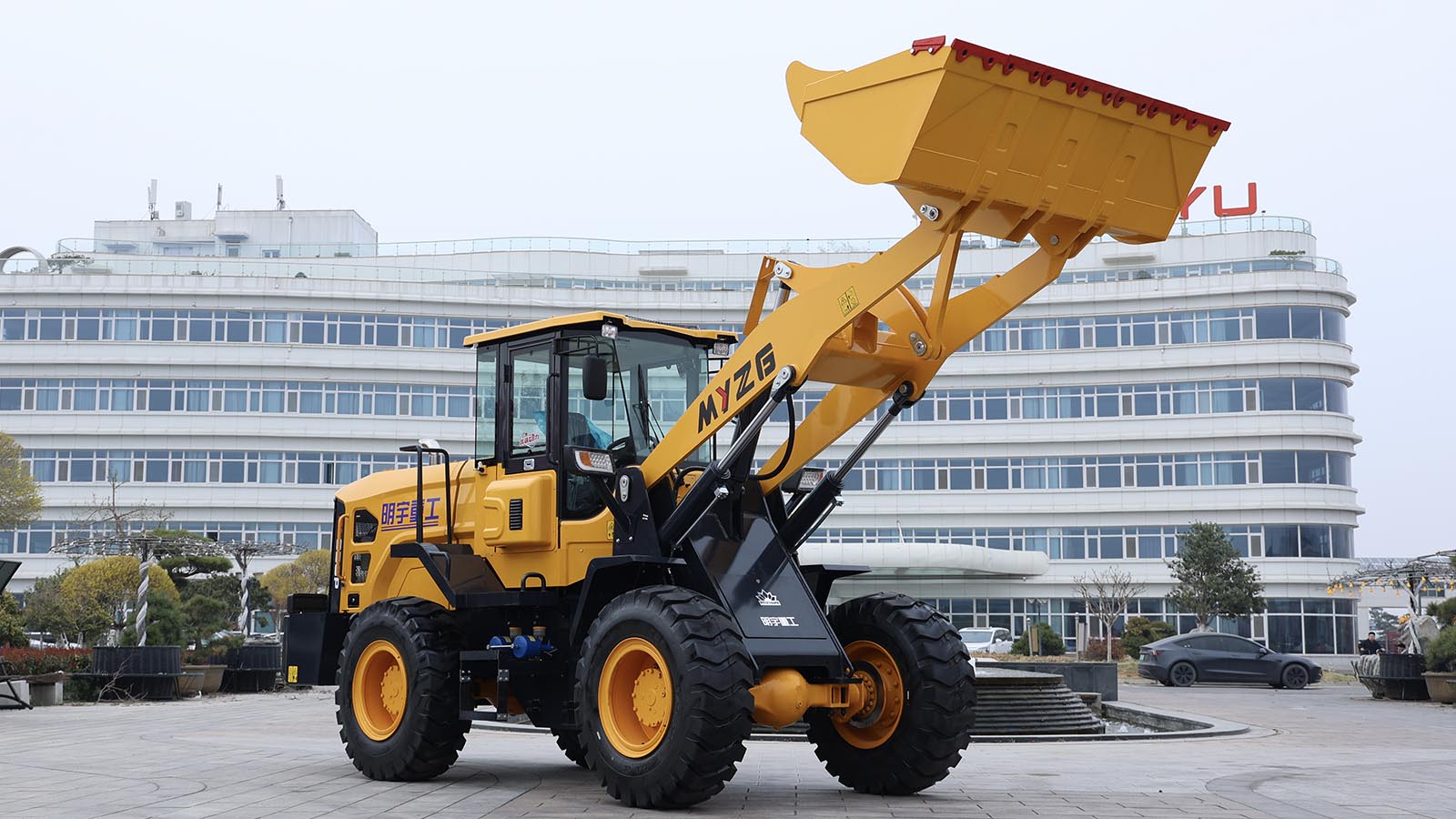
Troubleshooting always begins with a thorough clean-down. In the dusty environments of 2026 construction sites, hydraulic oil quickly attracts grime, masking the true source of a leak. Once the MINGYU loader is cleaned, the operator should inspect "hot spots" where leaks frequently occur. This includes hose couplings, cylinder rod seals, and control valve banks. MYZG designs its loaders with high-visibility hydraulic routing to make this process easier for the mechanic. If you see "weeping" at a fitting, it is time to intervene.
Identifying Internal vs. External Leaks
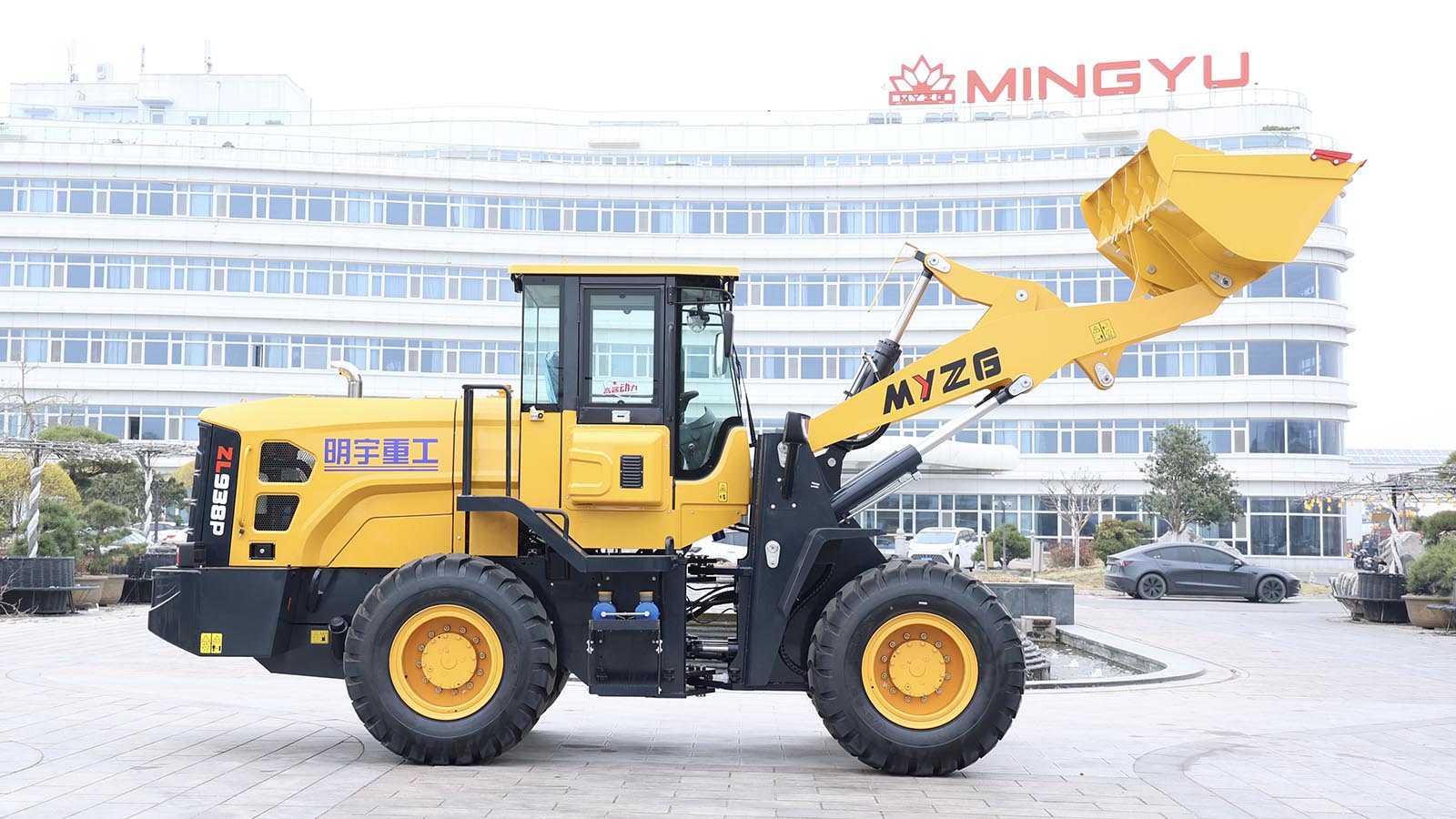
Not all leaks result in a puddle on the ground. An internal leak occurs when fluid bypasses a seal inside a component, such as a piston seal within a lift cylinder. A key symptom of an internal leak on a MYZG loader is "cylinder drift"—where the bucket slowly drops even when the controls are in neutral. Another sign is excessive heat. If one specific hydraulic line or valve is significantly hotter than the rest of the system, fluid is likely being forced through a damaged internal seal at high pressure, creating friction and heat.
Pressure Testing and Gauge Diagnostics
In 2026, MINGYU loaders are equipped with integrated pressure testing ports. By connecting a high-pressure gauge to these ports, a technician can determine if the system is maintaining its rated PSI. If the pressure drops significantly when a function is dead-headed (pushed to its mechanical limit), there is a leak in that specific circuit. MYZG engineering emphasizes using a systematic approach: test the pump pressure first, then move to the control valves, and finally the individual actuators (cylinders).
The Common Culprits: Hoses and O-Rings
The most frequent source of external leaks is the hydraulic hose. Over thousands of hours, the constant flexing and high-pressure surges can cause the rubber to fatigue or the steel braiding to fail. MINGYU uses premium-grade, reinforced hoses designed for "Hardcore" durability, but they are still wear items. Always check for "wet spots" along the length of the hose and check the crimped fittings. Often, a leak is caused by a simple O-ring failure at a joint. Replacing a $2 O-ring immediately can save a $2,000 pump later.
Cylinder Seal Maintenance
The hydraulic cylinders are the front-line soldiers of the MYZG loader. The rod seals are exposed to dust, ice, and debris. If the chrome plating on the cylinder rod is nicked or scratched, it will act like a file, shredding the seal every time the rod retracts. MINGYU recommends inspecting the rod surface daily. If a leak is detected at the cylinder head, it is often more cost-effective to perform a full seal kit replacement rather than just tightening the gland nut.
The Environmental and Financial Cost of Neglect
In 2026, environmental regulations regarding soil contamination are stricter than ever. A "small" leak of one drop per second equates to over 1,500 liters of lost hydraulic fluid per year. Beyond the cost of the oil, the loss of pressure makes the MINGYU loader sluggish, increasing fuel consumption and wear on the engine. By troubleshooting leaks early, you maintain the "Genetic Transformation" of efficiency that MYZG machines are known for.
Safety First: The Danger of High-Pressure Injection
A critical warning for all troubleshooters: Never use your hand to check for a hydraulic leak. Hydraulic fluid under pressure can be forced through the skin, causing a "high-pressure injection injury," which is a surgical emergency. Always use a piece of cardboard or wood to scan for pinhole leaks while the system is pressurized.
Conclusion: Maintenance is a Partnership
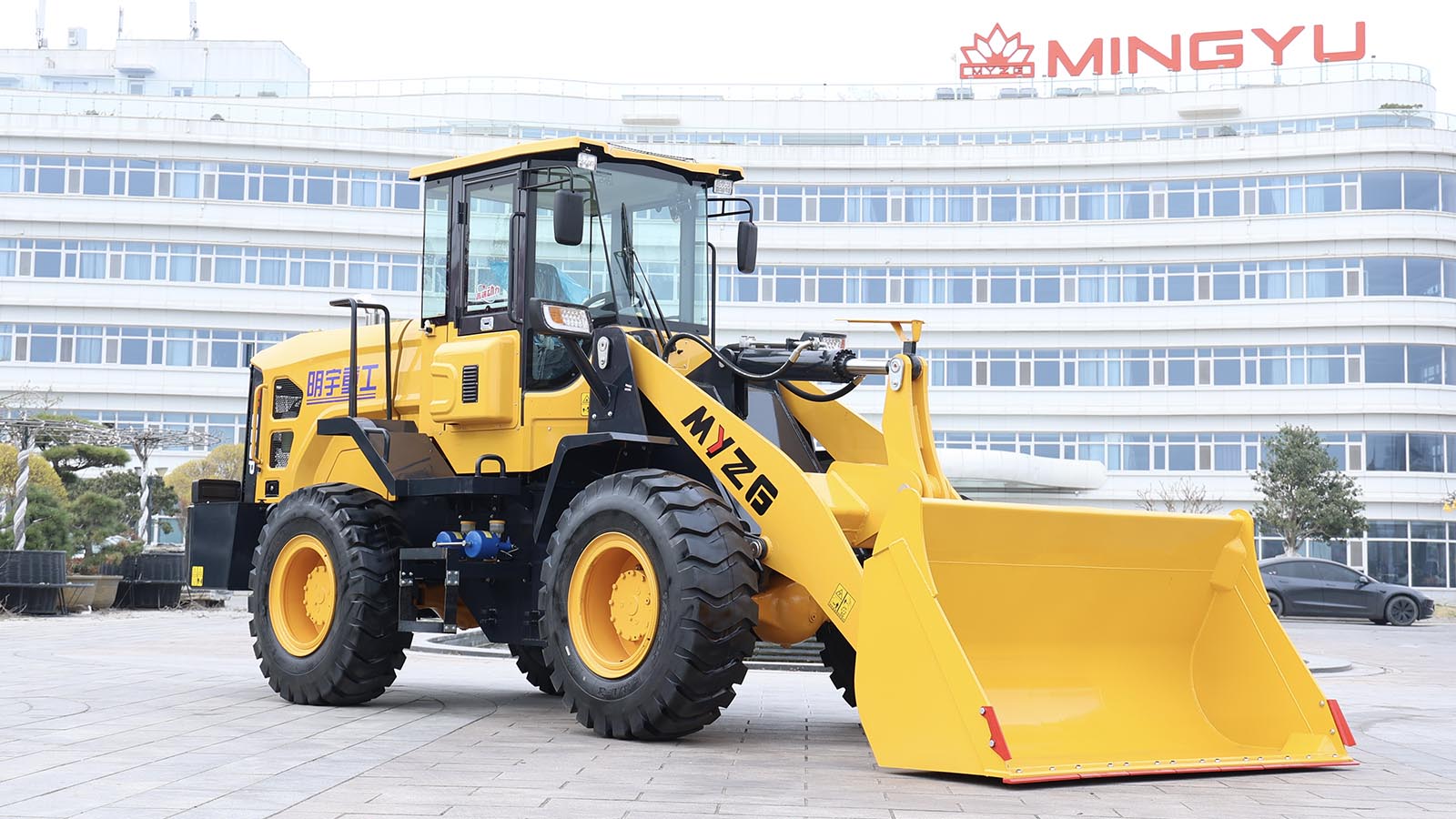
At Shandong Mingyu Heavy Industry, we build our loaders to be the most reliable in the world, but consistent maintenance is the partner of great engineering. By following a structured troubleshooting protocol, you ensure that your MINGYU equipment remains a high-performance asset for years to come.
For genuine MYZG seal kits, reinforced hoses, or technical consultations, our global support team is available 24/7.
Contact Information:
WhatsApp / WeChat: +8613176910558
Email: myzgloader@yahoo.com
Website: https://www.my-forklift.com
Post time:May.08.2026
