
How Much Is It to Rent a Backhoe? (Complete Cost Guide)
1. Introduction
Backhoes are among the most widely used pieces of construction equipment because they combine digging, lifting, and loading capabilities in one machine. Whether it’s trenching for utilities, landscaping a property, or handling small-to-medium construction projects, a backhoe can get the job done efficiently.
However, buying one is expensive, and not always necessary. That’s why many contractors and property owners choose to rent a backhoe instead of purchasing one. Renting offers flexibility, lower upfront costs, and access to modern machines without long-term ownership responsibilities.
This guide breaks down everything you need to know about backhoe rental costs, what affects pricing, and how to choose the right machine for your project.
2. What Is a Backhoe?
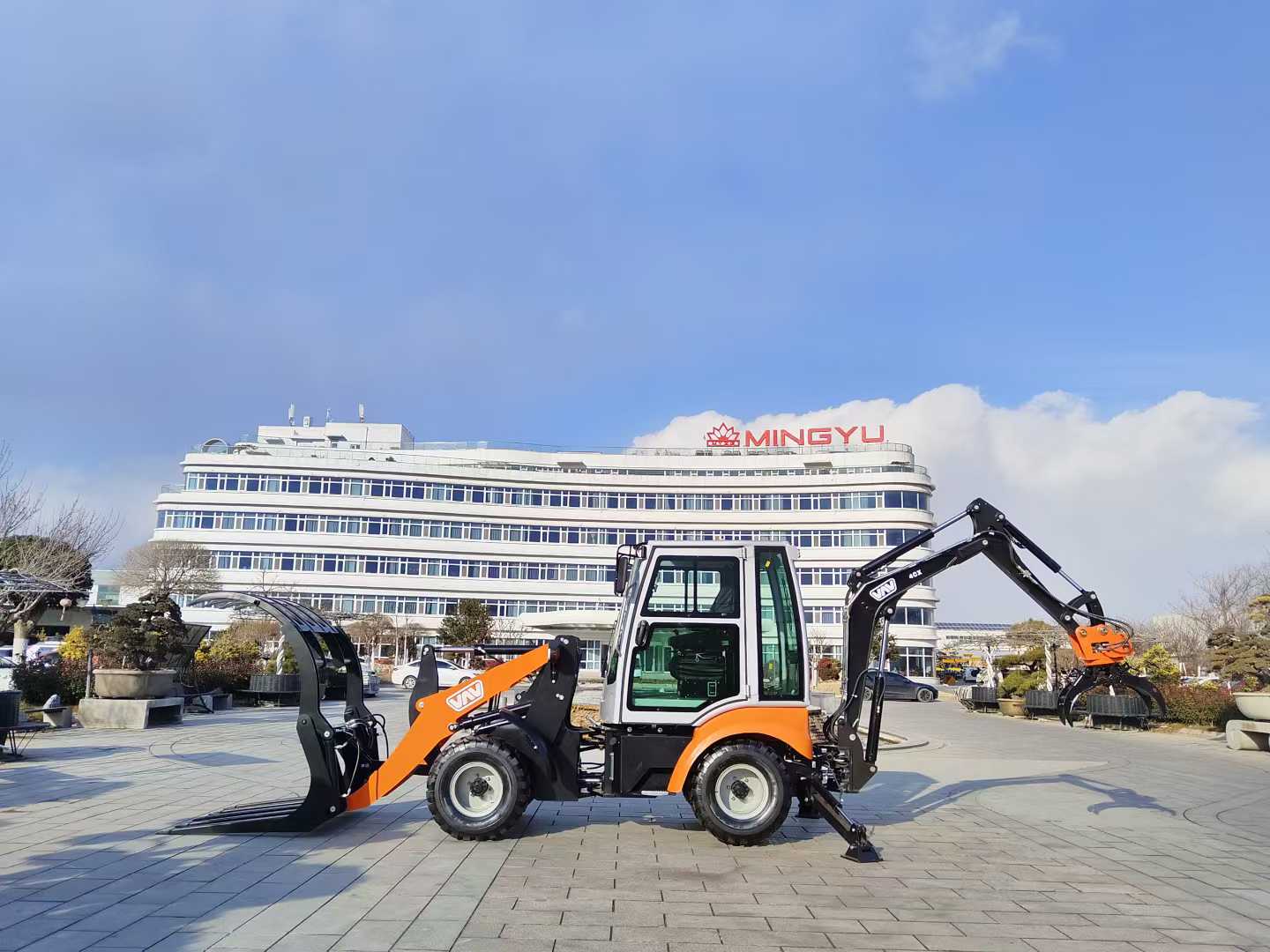
A backhoe is a versatile construction machine that combines two main functions:
A front loader bucket for moving materials
A rear excavator arm for digging and trenching
This dual-purpose design makes it highly efficient for many types of work.
Backhoes are commonly used in:
Construction sites
Road maintenance
Agricultural projects
Landscaping and excavation work
Utility installation (water, gas, electrical lines)
Backhoe vs Excavator vs Skid Steer
It’s important not to confuse a backhoe with other machines:
A backhoe has both a front loader and rear digging arm
An excavator is designed mainly for digging and rotation
A skid steer loader is smaller and used for lifting and grading tasks
Each machine serves different needs, but the backhoe remains one of the most flexible options.
3. Average Cost to Rent a Backhoe
Rental prices vary depending on location, machine size, and duration. However, general U.S. market averages are:
Daily Rental
$200 – $500 per day
Weekly Rental
$800 – $2,000 per week
Monthly Rental
$2,500 – $6,000+ per month
Smaller compact backhoes tend to be on the lower end, while large or premium models cost more.
Long-term rentals often reduce the daily cost significantly, making them ideal for extended projects.
4. Factors That Affect Backhoe Rental Prices
Several key factors influence how much you’ll pay:
Machine Size and Power
Larger and more powerful machines cost more to rent.
Brand and Model
Well-known brands with advanced features typically charge higher rates.
Location
Rental prices in urban or high-demand areas are usually higher than rural regions.
Rental Duration
Longer rental periods often come with discounted rates.
Attachments
Additional tools like:
Hydraulic breakers
Augers
Fork attachments
increase the total cost.
Delivery Fees
Transporting heavy equipment to your site can add extra charges.
Fuel Policy
Some rentals include fuel, while others require you to refill before returning.
5. Types of Backhoes Available for Rent
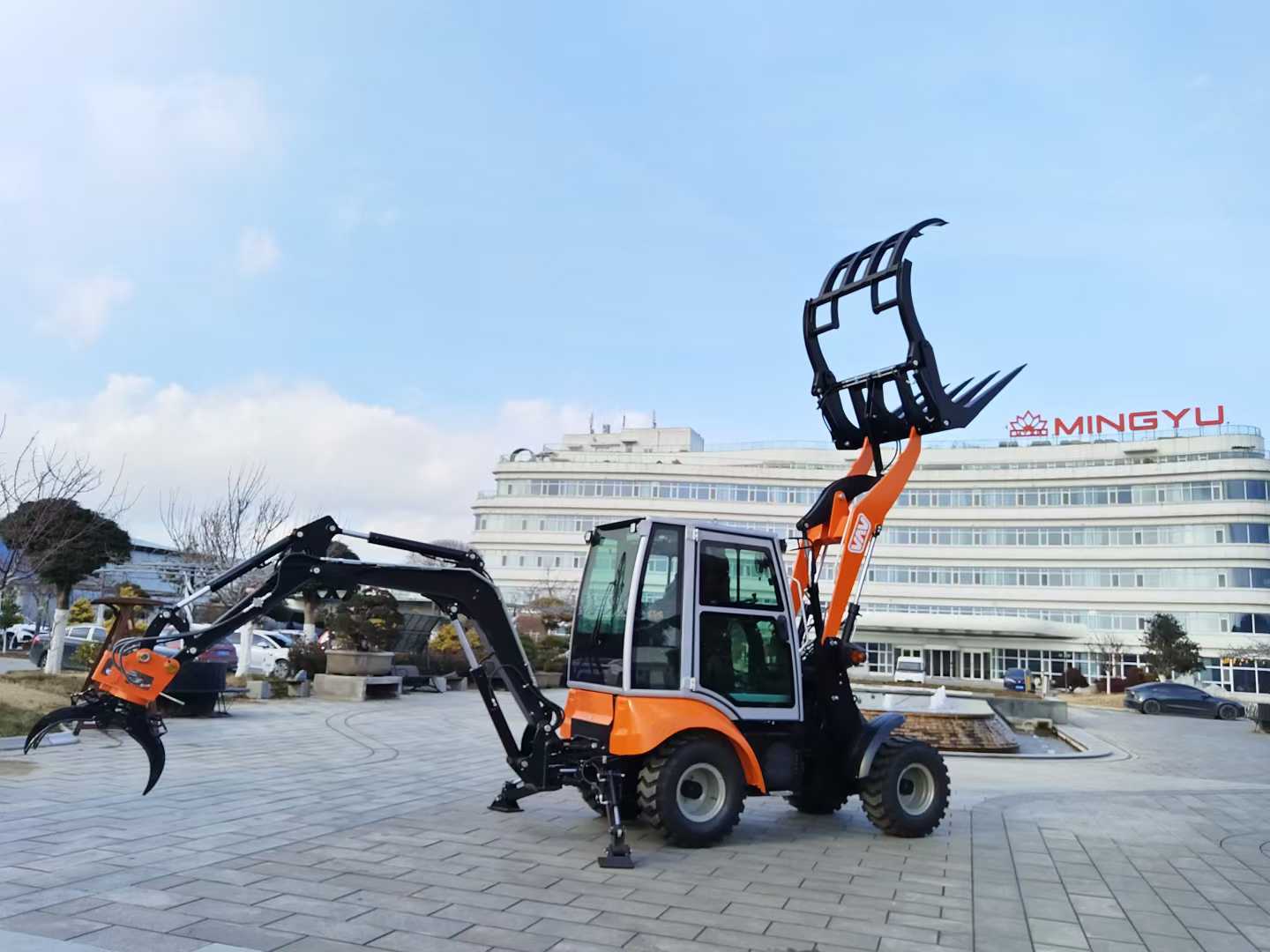
Standard Backhoe Loaders
The most common option, suitable for general construction work.
Compact Backhoes
Smaller and easier to maneuver, ideal for residential projects.
Heavy-Duty Backhoes
Designed for large-scale excavation and industrial use.
Wheeled vs Tracked Models
Wheeled backhoes: Faster and better for paved surfaces
Tracked backhoes: Better stability on rough terrain
Each type serves different job site conditions.
6. Where to Rent a Backhoe
You can rent backhoes from several sources:
Equipment Rental Companies
Large companies like United Rentals or Sunbelt Rentals offer wide availability and professional service.
Local Dealers
Construction equipment dealers often provide competitive rates and flexible terms.
Online Rental Platforms
Digital marketplaces allow easy price comparison.
Independent Contractors
Sometimes local contractors rent out idle machines at lower prices.
Each option has pros and cons depending on availability, pricing, and support services.
7. Rental Requirements and Conditions
Before renting a backhoe, you may need to meet certain requirements:
Valid operator certification (in some regions)
Proof of insurance
Security deposit
Signed rental agreement
Age requirements (usually 18+)
Some companies also require proof of experience for safety reasons.
8. Additional Costs to Consider
Beyond the base rental price, there may be extra expenses:
Fuel Costs
Most rentals do not include fuel.
Transportation Fees
Delivery and pickup can significantly increase total cost.
Damage Waiver
Optional insurance coverage to reduce liability.
Attachments
Specialized tools are usually rented separately.
Overtime Charges
Exceeding daily or hourly limits may result in additional fees.
9. Backhoe Rental vs Buying: Which Is Better?
Renting Advantages
Lower upfront cost
No maintenance responsibilities
Access to modern machines
Flexible usage
Buying Advantages
Long-term cost savings for frequent use
Always available on-site
Customization options
When Renting Makes Sense
Short-term projects
Occasional use
Budget constraints
When Buying Makes Sense
Continuous daily use
Large construction companies
Long-term investment planning
10. How to Save Money on Backhoe Rentals
You can reduce costs by following these strategies:
Book in advance to avoid peak pricing
Choose the right size machine (don’t overpay for unnecessary power)
Compare multiple rental companies
Rent during off-peak seasons
Bundle equipment rentals for discounts
Smart planning can significantly reduce total expenses.
11. Tips for First-Time Renters
If you’re renting a backhoe for the first time:
Inspect the machine before accepting it
Check fluid levels and tire/track condition
Understand all controls before operating
Ask for a short training session if needed
Review safety instructions carefully
Avoid rushing into operation without proper understanding.
12. Common Applications of Backhoes
Backhoes are used in many industries, including:
Excavation Work
Digging trenches, foundations, and holes.
Landscaping
Moving soil, leveling ground, and removing debris.
Road Construction
Repairing roads and preparing surfaces.
Utility Installation
Laying pipes, cables, and drainage systems.
Agriculture
Farm maintenance, ditch cleaning, and material handling.
Their versatility makes them highly valuable across industries.
13. Market Trends in Backhoe Rentals
The rental industry is evolving:
Increasing demand in construction and infrastructure projects
Growth of flexible rental models (hourly, daily, monthly)
Rising fuel and equipment costs influencing rental pricing
Expansion of online booking platforms
Greater focus on efficiency and low-emission machines
These trends are making rentals more accessible and competitive.
14. Conclusion
Renting a backhoe is a cost-effective solution for many construction and excavation needs. On average, daily rental costs range from $200 to $500, while monthly rentals can exceed $6,000 depending on machine size and features.
The final price depends on several factors, including location, rental duration, attachments, and equipment type. By understanding these variables, you can make a more informed decision and avoid unnecessary expenses.
For short-term or occasional projects, renting is usually the smartest and most economical choice.
Post time:Apr.30.2026
