
A Bucket for Spreading Sand for Wheel Loader: The Complete Guide
1. Introduction
Wheel loaders are among the most versatile machines in construction, agriculture, and municipal work. Their ability to handle a wide range of attachments makes them indispensable for material handling tasks. One of the most practical and efficiency-boosting attachments is the sand spreading bucket.
A sand spreading bucket transforms a standard wheel loader into a powerful tool for evenly distributing materials such as sand, salt, or fine gravel. Whether it’s for winter road maintenance, landscaping, or site preparation, this attachment significantly improves productivity and reduces manual labor. In this guide, we’ll explore everything you need to know about sand spreading buckets—from how they work to how to choose the right one for your needs.
2. What Is a Sand Spreading Bucket for a Wheel Loader?
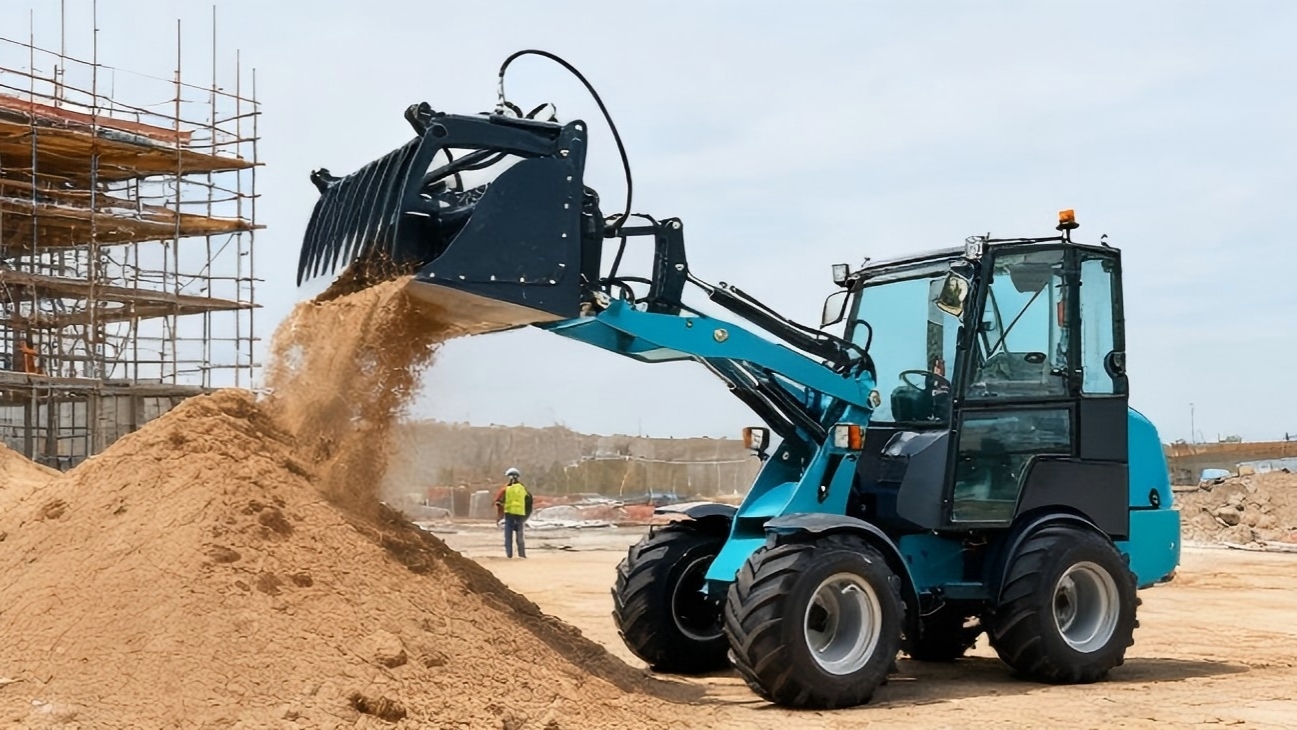
A sand spreading bucket is a specialized attachment designed to distribute materials evenly across a surface. Unlike a standard bucket that simply lifts and dumps material, this type of bucket allows controlled discharge while the loader is moving.
Typically, it includes a built-in spreading mechanism—such as a conveyor system or adjustable gate—that regulates the flow of material. This ensures consistent coverage, which is essential in applications like road sanding or land leveling.
These buckets are commonly used to spread:
Sand
Salt (for de-icing)
Fine gravel
Soil or compost
By enabling controlled spreading, they eliminate the uneven piles and wasted material often associated with traditional dumping methods.
3. Key Features of a Sand Spreading Bucket
A high-quality sand spreading bucket comes with several important features that enhance durability and performance:
1. Reinforced Structure
Built with heavy-duty steel to withstand abrasive materials like sand and gravel.
2. Spreading Mechanism
Can be hydraulic or mechanical, allowing precise control over material flow.
3. Adjustable Discharge Rate
Operators can control how much material is released, ensuring efficiency and minimizing waste.
4. Wear-Resistant Components
Cutting edges and internal surfaces are often made with hardened materials to extend lifespan.
5. Compatibility
Designed to fit various wheel loader models, often using quick coupler systems for easy attachment.
4. Types of Sand Spreading Buckets
Different applications require different spreading methods. Here are the most common types:
Gravity-Fed Buckets
These rely on gravity to release material through an adjustable opening. They are simple, cost-effective, and suitable for basic tasks.
Hydraulic Spreading Buckets
Equipped with hydraulic systems that control the flow of material. These provide better precision and are ideal for professional use.
Conveyor Belt Systems
Use an internal conveyor to move material toward the discharge point. This ensures consistent spreading even with damp or compacted materials.
Spinner Disc Spreaders
Feature a rotating disc that throws material outward, allowing for wider coverage. Commonly used for road maintenance and de-icing.
Each type has its advantages, and the best choice depends on your specific application and budget.
5. How a Sand Spreading Bucket Works
The operation of a sand spreading bucket is straightforward but highly effective:
Loading
The bucket is filled with sand or other material, just like a standard loader bucket.
Activation
The spreading mechanism is engaged—either manually or via hydraulic controls.
Movement
As the wheel loader moves forward, material is gradually released.
Distribution Control
The operator adjusts the flow rate and speed to achieve the desired spread thickness and width.
Completion
Once the area is covered, the operator disengages the system and reloads if necessary.
This controlled process ensures uniform distribution and reduces the need for rework.
6. Benefits of Using a Sand Spreading Bucket
Increased Efficiency
Tasks that would take hours manually can be completed in minutes.
Reduced Labor Costs
Fewer workers are needed, lowering operational expenses.
Uniform Distribution
Ensures even coverage, which is critical for safety and quality.
Versatility
Can be used for multiple materials and applications.
Enhanced Safety
Particularly useful in winter conditions, improving traction on icy roads.
7. Common Applications
Road Maintenance
Used by municipalities to spread sand or salt during winter for safer driving conditions.
Construction Sites
Ideal for leveling ground, backfilling, and preparing surfaces.
Agriculture
Helps distribute soil conditioners, fertilizers, or sand for soil improvement.
Landscaping
Used for even spreading of decorative sand or soil.
Industrial Yards and Airports
Ensures safe and stable surfaces in high-traffic areas.
8. Choosing the Right Sand Spreading Bucket
Selecting the right bucket is crucial for maximizing performance. Consider the following factors:
Capacity
Choose a size that matches your wheel loader and workload.
Compatibility
Ensure the bucket fits your machine’s coupler and hydraulic system.
Material Type
Different materials require different spreading mechanisms.
Working Conditions
Cold climates may require corrosion-resistant materials.
Budget
Balance initial cost with long-term durability and efficiency.
9. Installation and Compatibility
Most modern sand spreading buckets are designed for easy installation:
Quick Coupler Systems allow fast attachment and removal
Hydraulic Connections power advanced spreading mechanisms
Universal Mounting Options ensure compatibility with major brands
Proper installation is essential to ensure safe and efficient operation. Always follow manufacturer guidelines.
10. Maintenance and Care
Regular maintenance extends the life of your bucket and ensures consistent performance:
Inspect for wear and damage regularly
Clean thoroughly after use, especially when handling salt
Lubricate moving parts
Replace worn edges and components
Store in a dry environment when not in use
Proper care reduces downtime and repair costs.
11. Safety Tips for Operation
Safety should always be a priority when operating heavy equipment:
Ensure operators are properly trained
Avoid overloading the bucket
Maintain stable speeds during spreading
Be cautious on slopes or uneven terrain
Wear appropriate personal protective equipment (PPE)
Following these guidelines helps prevent accidents and ensures smooth operation.
12. Cost and ROI Analysis
The cost of a sand spreading bucket can vary widely depending on size, features, and brand. While the initial investment may seem significant, the long-term benefits often outweigh the cost.
Factors Affecting Cost:
Bucket size and capacity
Type of spreading mechanism
Material quality and durability
Return on Investment:
Reduced labor costs
Faster project completion
Lower material waste
Compared to manual spreading, this attachment quickly pays for itself in increased efficiency.
13. Future Trends and Innovations
The industry continues to evolve with new technologies:
Smart Spreading Systems with automated controls
GPS Integration for precise application
Eco-Friendly Designs to minimize environmental impact
Advanced Materials for longer service life
These innovations are making sand spreading buckets even more efficient and user-friendly.
14. Conclusion
A sand spreading bucket is a valuable attachment that enhances the functionality of a wheel loader. By enabling controlled, efficient, and uniform material distribution, it improves productivity across a wide range of applications.
Whether you’re working in construction, agriculture, or municipal services, investing in the right sand spreading bucket can save time, reduce costs, and deliver better results. As technology continues to advance, these attachments will become even more essential in modern operations.
Post time:Apr.30.2026
