
Walk-Behind or Stand-On Electric Pallet Truck: Compare Routes Before Buying
Walk-Behind or Stand-On Electric Pallet Truck: Compare Routes Before Buying — ZGFORKLIFT / MYZG. Shandong Zhuogong Machinery equipment Co.,Ltd
Choosing between a walk-behind and a stand-on electric pallet truck begins with the route, not just the load rating. A warehouse may move the same pallet between nearby packing stations and across a long transfer lane, yet these tasks create different demands. For ZGFORKLIFT / MYZG equipment, describe how the operator actually works before asking for a quotation. This guide compares purchasing questions for horizontal pallet transport. It does not promise a universal distance threshold, a fixed productivity increase or permission to ride on a pedestrian-only machine.
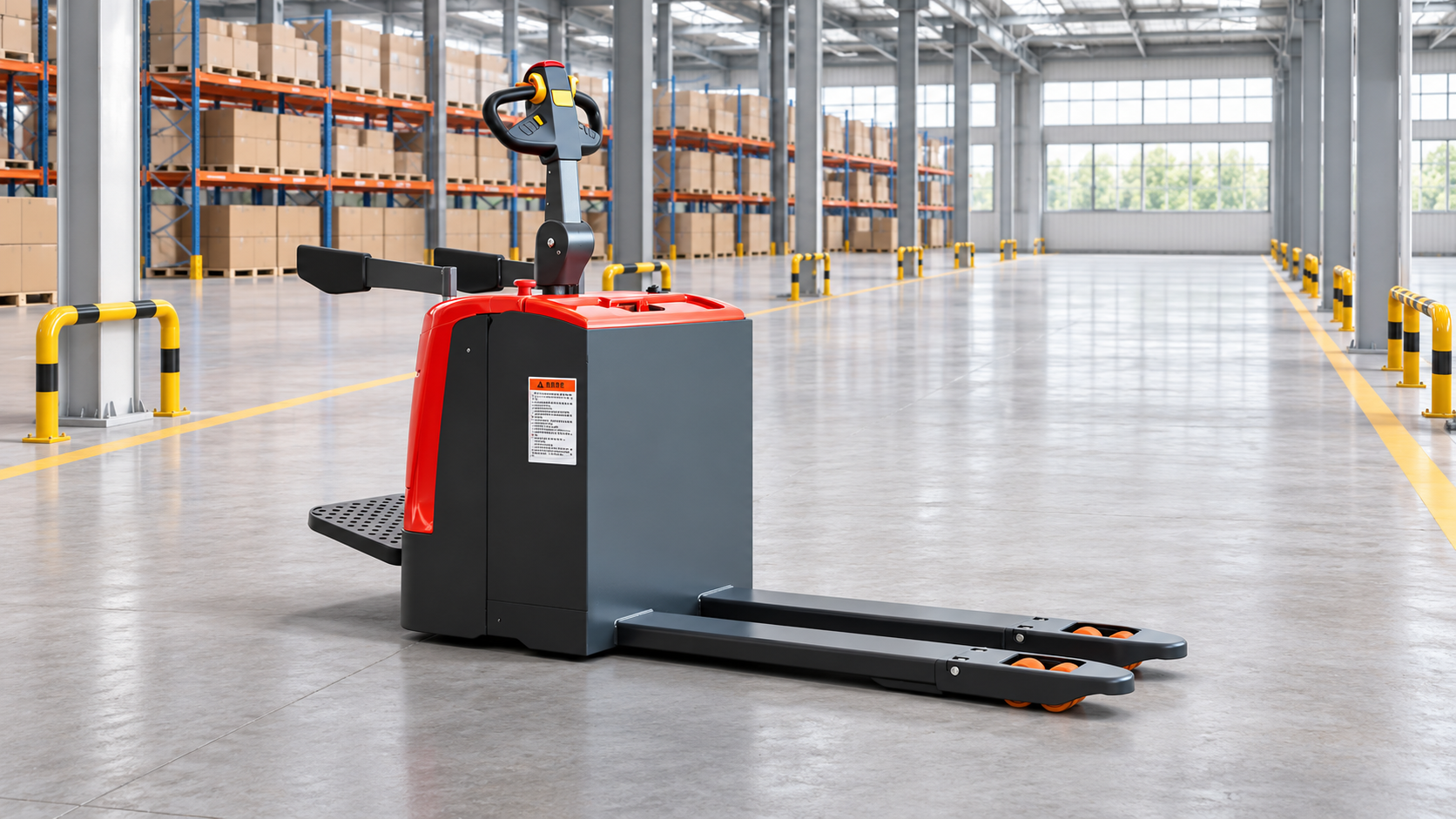
Start with a short route survey. Record the loaded journey and empty return separately, count stops and note where the operator leaves the controls to scan, wrap or check goods. Include waiting at crossings and collecting the next pallet. A single straight-line measurement between departments misses these interruptions. Use observations from a normal shift as well as the busiest period, rather than selecting only the easiest movement. Send the supplier a simple layout and a description of the work sequence; a photograph alone cannot explain the total daily walking demand.
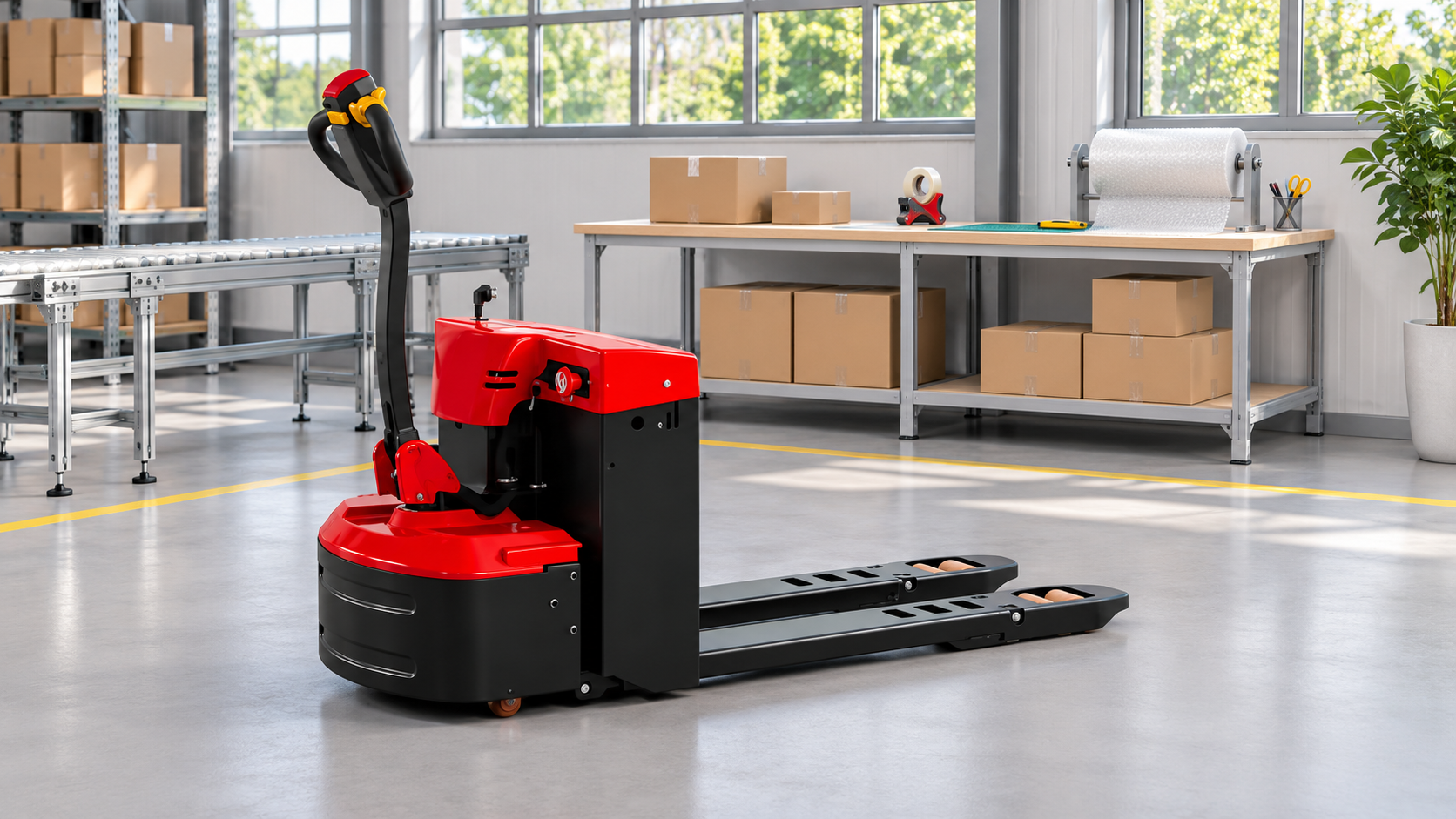
review the CBD-B walk-behind pallet truck
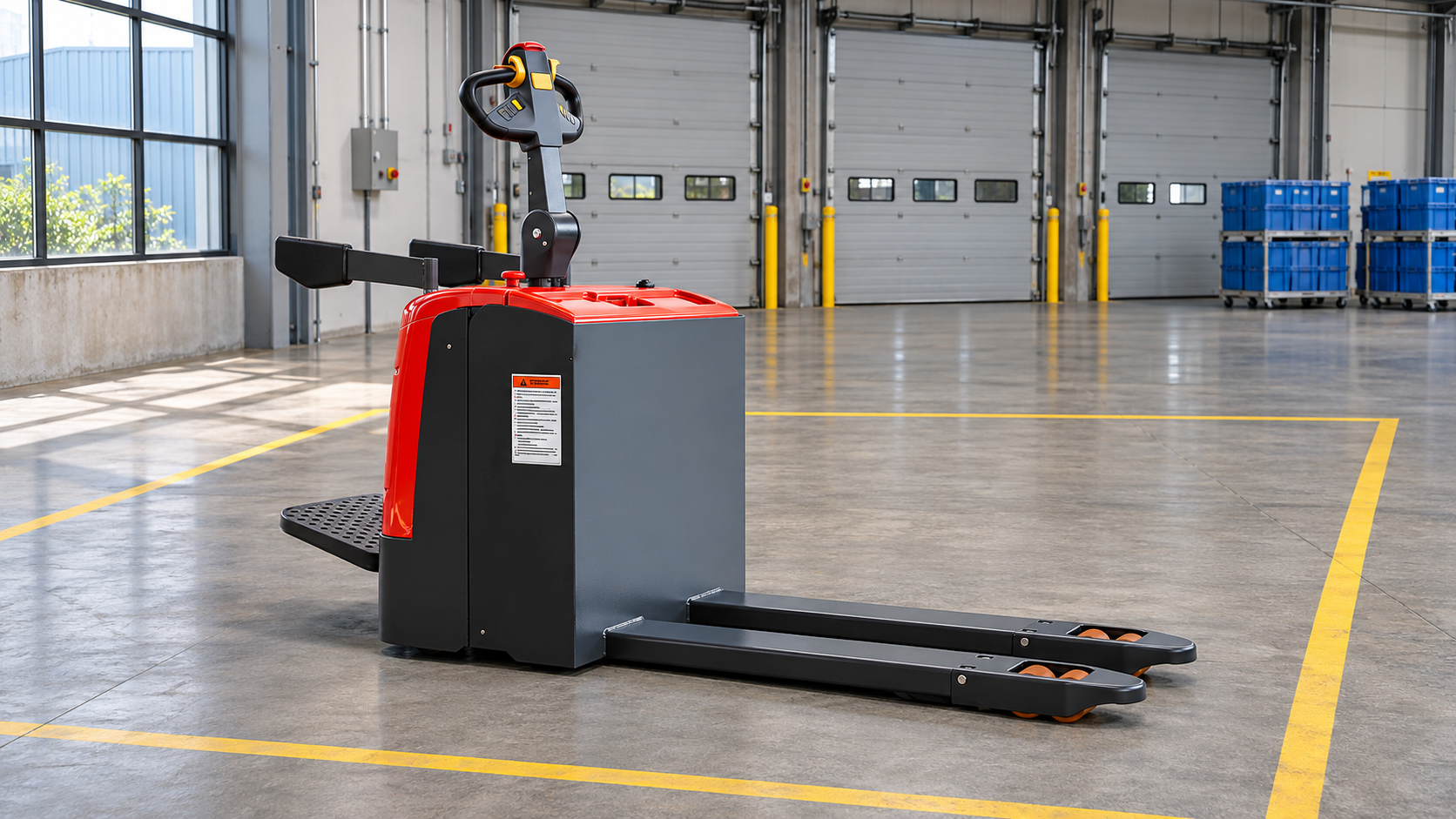
The distinction is the approved operator position. Toyota describes walkie trucks and rider models as different configurations for different transport needs. That distinction does not transfer any Toyota speed, capacity or feature to a MYZG machine. On the website, compare the CBD-B electric pallet truck with the CBD stand-on range, then confirm the exact quoted version. A visible step, cover or chassis edge is not an approved riding position. Ask which operating modes the supplied model permits and which platform and protection arrangements are included in its documentation.
compare the CBD stand-on pallet truck
Frequent short movements deserve attention to positioning and access. If the operator stops repeatedly beside a packing station, the practical question is how easily the complete work sequence can be performed within the available space. For repeated longer transfers, a stand-on model may reduce the walking portion of the task, but this alone does not establish total time savings. The number of stops, congestion and the need to leave the platform can change the comparison. Avoid choosing solely by advertised maximum speed or by the assumption that every larger warehouse needs the same machine.
Check space with the machine in its intended operating configuration. A deployed operator platform and protective arms may change the space required compared with a folded transport position. Request dimension drawings and operating-clearance guidance for the exact model, forks and pallet. Include load overhang and the operator area, not only chassis width. Have the responsible site team assess pedestrian separation, visibility and turning locations. Do not assume that a compact-looking truck can safely share every narrow passage, or that an unladen demonstration proves suitability for a loaded route.
check the walk-behind configuration
Compare complete cycles instead of dividing distance by maximum speed. A useful trial record separates pallet approach, engagement, travel, waiting, placement and return. Record the actual load, floor, route restrictions and conditions of the demonstration so both alternatives are assessed fairly. A competent person should plan any trial using manufacturer instructions and site rules; this article is not an operating procedure. Do not disable protective devices to improve a timing result. Ask operators about access to controls and the work sequence without promising that a platform eliminates fatigue or all ergonomic risks.
request stand-on model details
Turn the route findings into two comparable written offers. Identify the operating mode, pallet dimensions, permitted load, battery and charger package, shift pattern and service arrangements for each proposal. Ask the supplier to explain any assumptions that affect suitability or cost. A faster movement may be irrelevant if the bottleneck is waiting for pallets; a lower purchase price may not resolve a daily transport mismatch. Use your own observed work and costs to assess the options. Training, maintenance and a suitable traffic plan remain necessary for either type, and a pedestrian model must not be converted into a rider by adding an improvised platform.
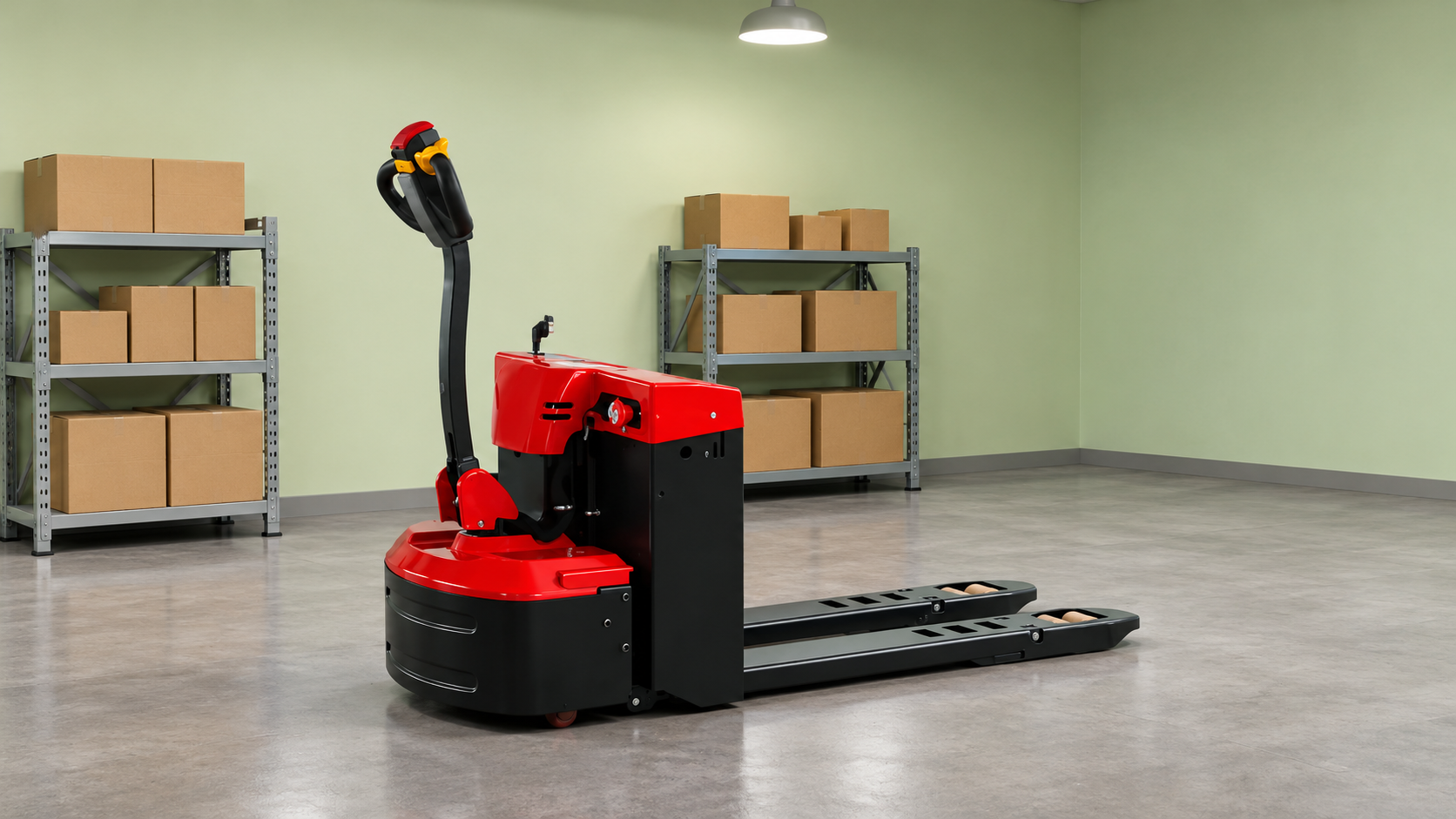
For a route-based comparison, send Shandong Zhuogong Machinery equipment Co.,Ltd your layout, journey lengths, stop frequency, pallet details and working schedule. Request a ZGFORKLIFT / MYZG proposal identifying the exact walk-behind or stand-on configuration rather than relying on a generic product name. Contact WhatsApp +86 131 7691 0558 or email MYZG@my-forklift.com. The four scenes are newly generated illustrations based on the website products, not photographs of customer installations or evidence of approved working conditions. Confirm the supplied specification and documentation before ordering.
Shandong Zhuogong Machinery equipment Co.,Ltd
ZGFORKLIFT / MYZG
WhatsApp: +86 131 7691 0558
Email: MYZG@my-forklift.com
Website: https://www.my-forklift.com/
Post time:Nov.07.2026
