
ZGLOADER / MYZG ZG20E Electric Wheel Loader for Nursery Material Handling and Charging Planning
Match the loader to the working day
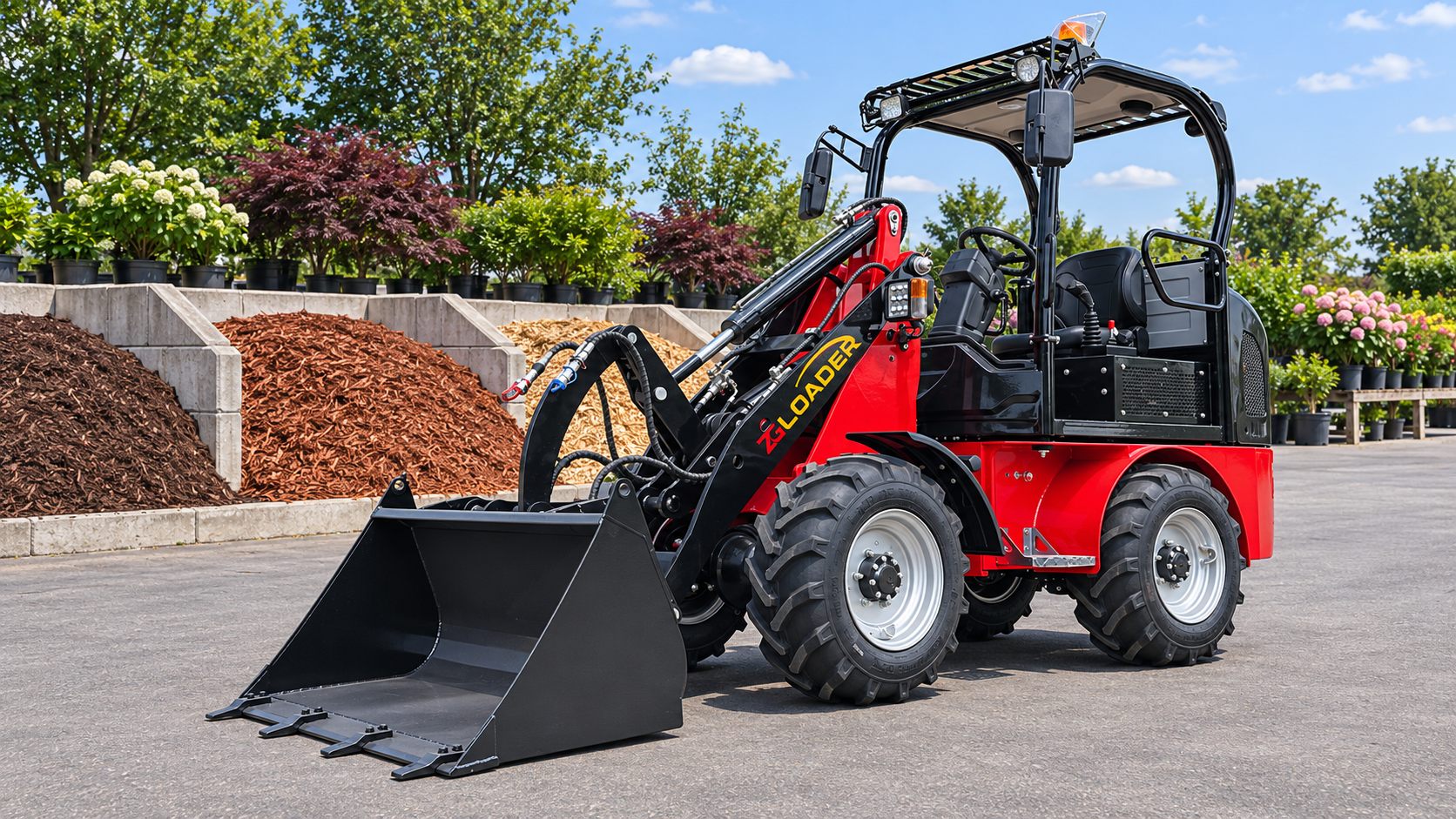
The ZG20E electric wheel loader in the ZGLOADER / MYZG range is worth evaluating for nursery supply yards, landscape material stores and repeated short-distance handling tasks. A successful electric-loader purchase starts with the daily work pattern rather than a headline operating-time claim. Describe the material, loading point, route and available charging window so the proposed configuration can be assessed against real demand. This guide focuses on preparing that assessment and establishing a workable support plan before delivery.
Plan the route before choosing capacity
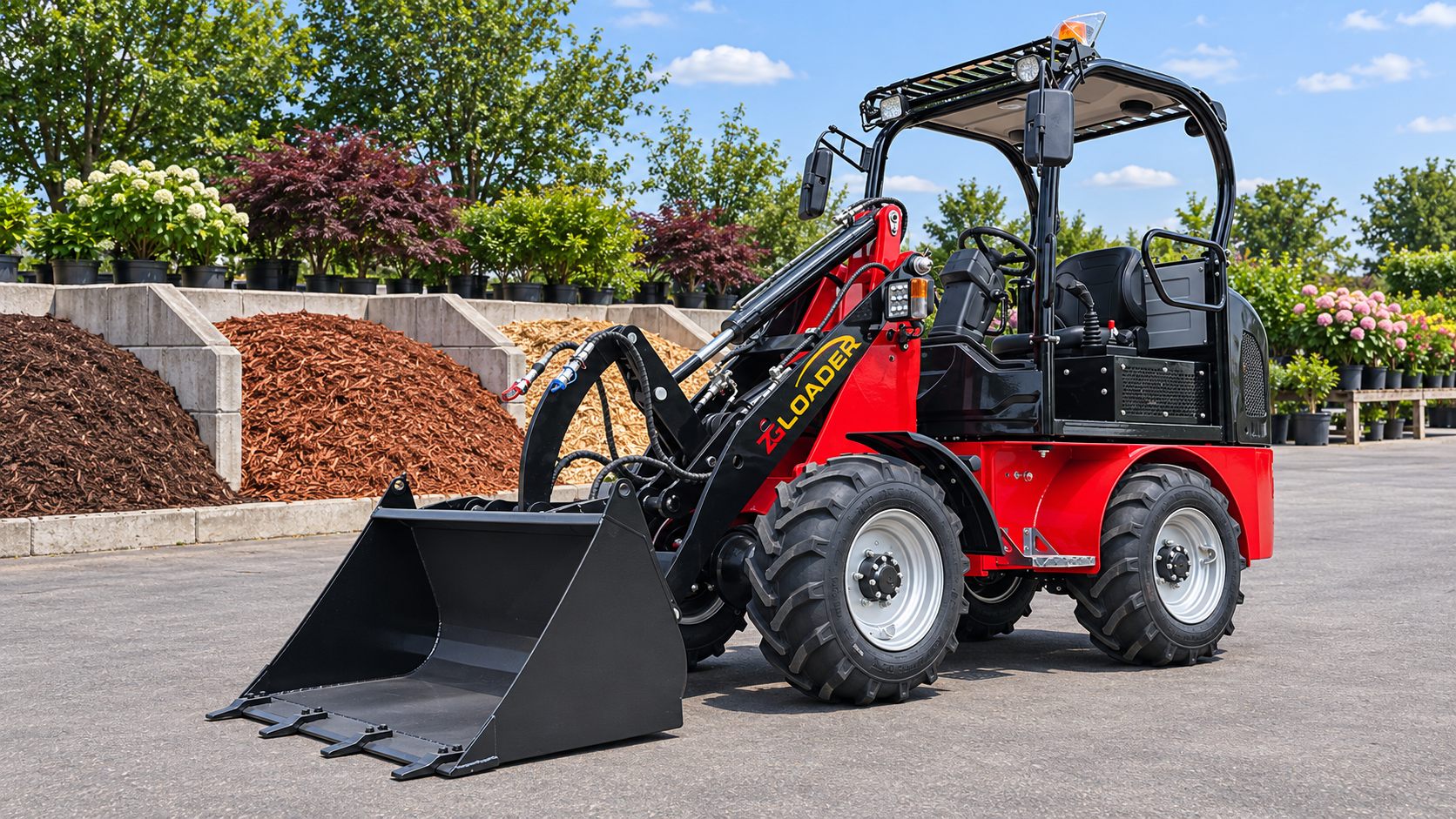
Measure the narrowest gate, turning space and lowest overhead obstruction on the complete route, including the parking area. Give the supplier the weight and condition of the material as well as the required discharge point. Wet soil, compost and stone do not have interchangeable densities, so a full bucket can mean very different loads. Compare the confirmed working capacity, attachment weight and discharge geometry with your task. Do not treat a photograph or a nominal bucket volume as evidence that a machine can load a particular vehicle safely.
For ZG20E enquiries, explain how many separate material bays are served and whether the route crosses a public-facing collection area. Short travel distances can still create a demanding duty cycle when repeated continuously. Record waiting periods and the distance back to the charging location. Ask for the exact configuration sheet for ZG20E rather than transferring figures from a similarly named model.
Build a practical charging schedule
Write down when the machine is actually loading, travelling, waiting and available for charging. Ask for the battery chemistry, usable energy, charger input requirements and expected charging conditions for the quoted configuration. Have a qualified person confirm that the site supply and charging location are suitable. Protect cables from traffic and follow the supplied battery instructions. Runtime depends on duty, temperature and battery condition; a general hours-per-charge promise is not a substitute for a representative work trial. Allow reserve capacity rather than planning to finish every shift with an empty battery.
Select the bucket and approved attachments
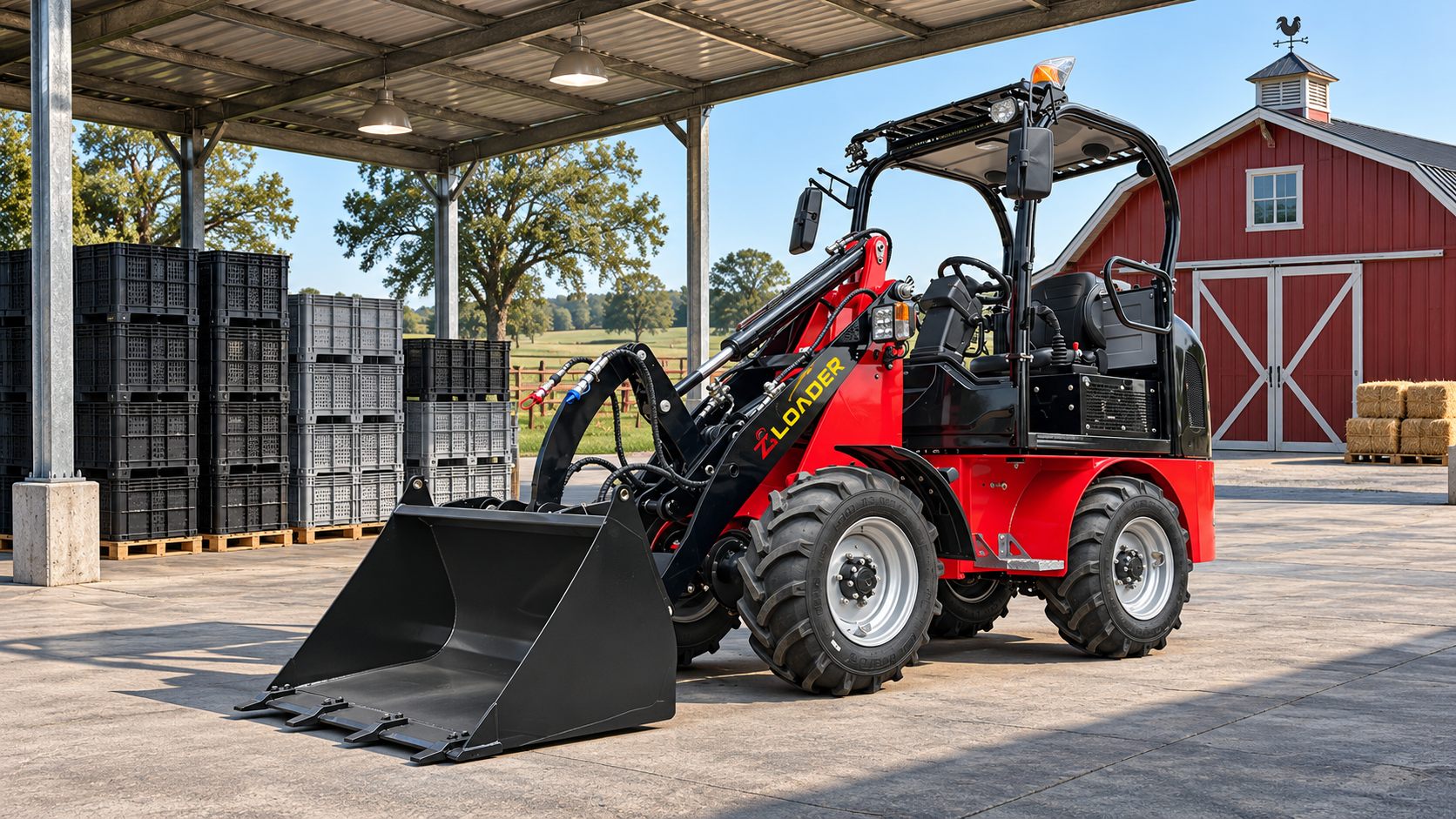
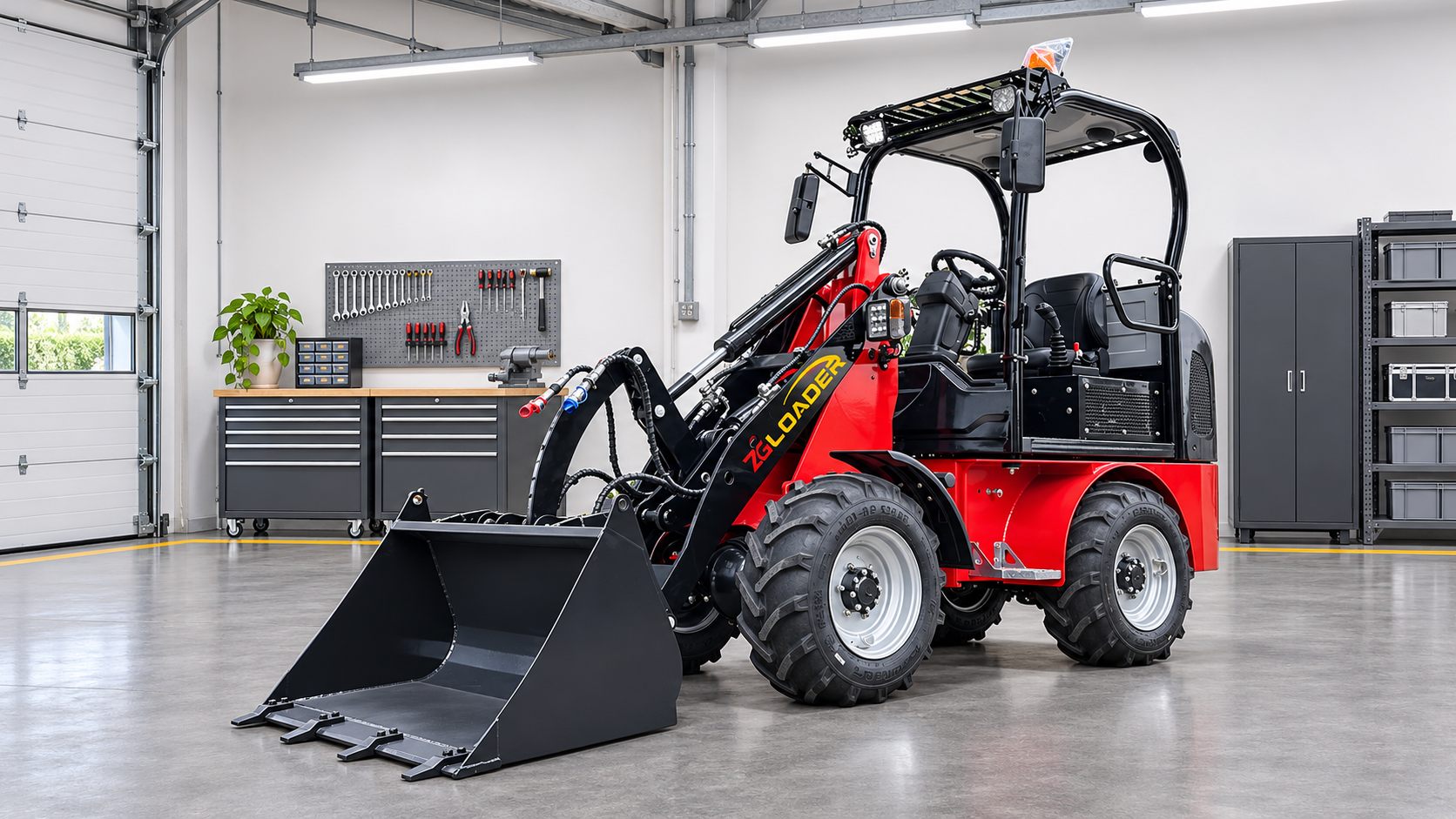
Choose a bucket around the material and required finish, not simply the largest available size. Confirm the attachment interface, permitted attachment mass and any auxiliary hydraulic requirements in writing. A fork or other tool is not automatically approved just because it can be connected. The operating instructions and applicable load information must match the installed attachment. Keep travel routes separate from pedestrians, maintain clear visibility and use trained operators. The application images illustrate possible settings; they are not evidence of a completed customer project or of approval for a particular attachment.
Compare the complete product range
Compare purchase and operating costs
A useful comparison includes the machine, confirmed charger, freight, local preparation, training and a first-service plan. Estimate electricity from your tariff and measured work demand rather than borrowing fuel-saving percentages from a different machine. Include planned service, wear parts, battery support terms and the cost of downtime. Ask the seller to identify what is included and what is optional. For seasonal businesses, explain the storage period and request the correct storage-charge procedure. A lower initial price is not necessarily a lower ownership cost when charging access or local service is missing.
Keep maintenance predictable
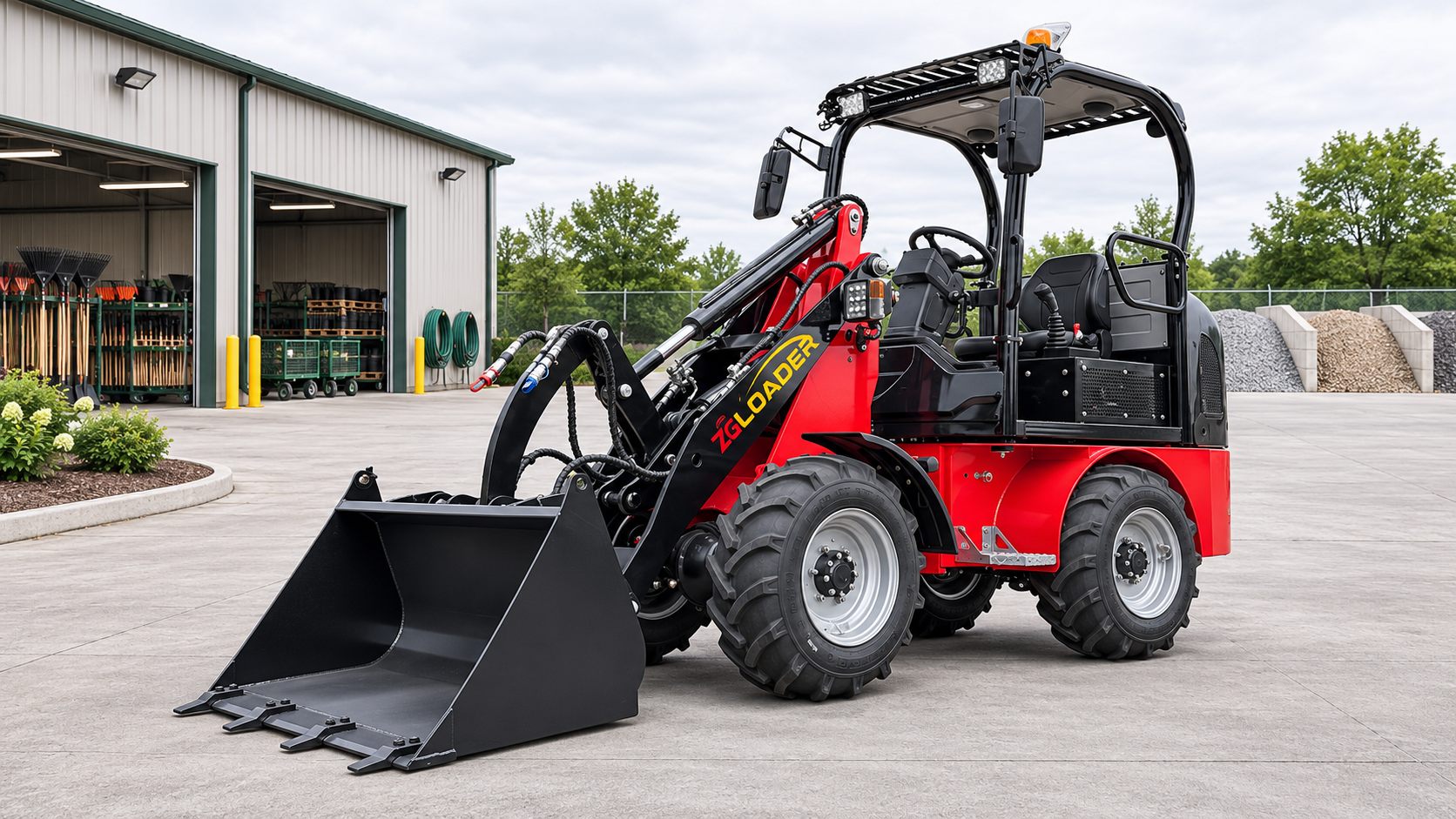
Before each shift, follow the model-specific inspection instructions for tyres, visible leaks, guards, attachment locking, controls and warning devices. Keep a dated record of faults and service work so changes are noticed early. Lower the attachment and isolate the machine as instructed before maintenance; battery and electrical repairs belong with qualified personnel. Do not wash electrical components or open battery assemblies contrary to the manual. Agree the spare-parts identification process using model and serial information, and request a practical list of wear items suited to the application.
Read application and purchasing articles
Prepare dealer support and export documents
Distributors should evaluate the ability to explain charging, demonstrate the machine safely and support the customer after handover. Request an agreed parts list, manuals, warranty terms and the process for reporting faults. For export, confirm packing, delivery responsibilities and the documents required by the destination. Where CE documentation applies, it must correspond to the supplied machine and configuration. Do not assume an engine emissions certificate applies to a battery-electric loader. Confirm battery transport documentation where required; no certificate number or shipment history is implied by this guide.
Discuss configuration and spare-parts support
Request a configuration-specific quotation
Send the model name, destination, material, daily handling pattern, access measurements and available electrical supply when requesting a proposal. Include photos of the route and loading point, while excluding private information that is not needed for equipment selection. Ask for a written configuration sheet covering battery, charger, bucket, approved options and delivery scope. Shandong Zhuogong Machinery equipment Co.,Ltd can be contacted through the details below to discuss the requirement. Confirm final specifications and support arrangements before placing an order; the illustrated environments are application concepts, not guaranteed site performance.
Contact and configuration enquiries
Shandong Zhuogong Machinery equipment Co.,Ltd
ZGLOADER / MYZG
WhatsApp: +86 131 7691 0558
Email: MYZG@my-forklift.com
Products categories
-

Skid steer loader 382T
-
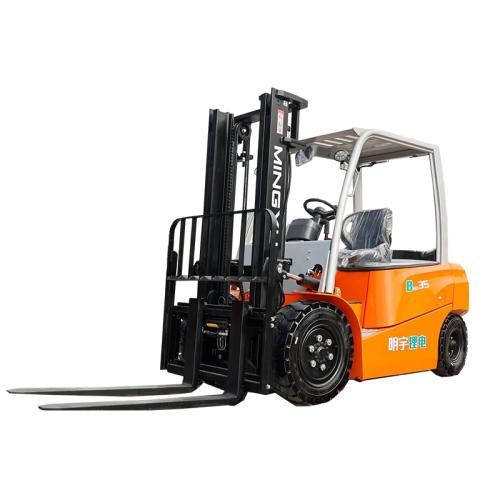
ZGLOADER / MYZG B35D 3.5 Ton Lithium Electric Forklift
-
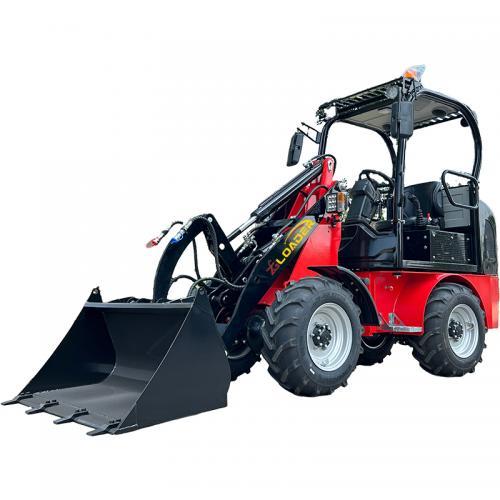
ZGLOADER / MYZG ZG20E Electric Wheel Loader Industry Solutions and TCO Guide
-
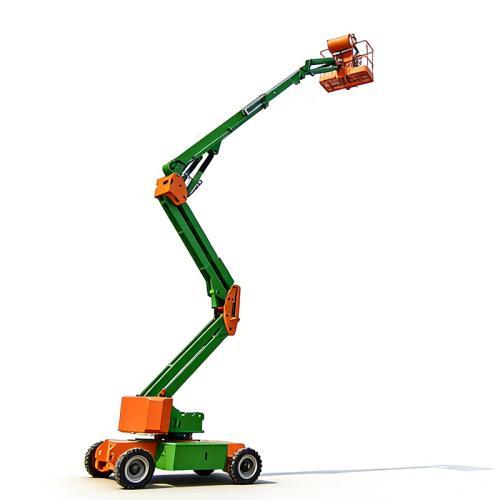
ZGFORKLIFT / MYZG ZG-QB16 Articulating Boom Lift — Stadium facade, roof drainage and shipyard sprinkler inspection route
-

JINLITE Unveils New 1.5-Ton Wheel Loader Featuring Robust Performance and Superior Maneuverability
-
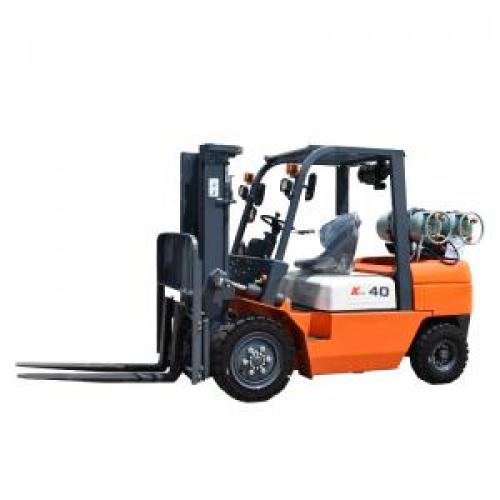
ZGLOADER / MYZG CPY40 4 Ton LPG Forklift Site Fit and Buying Guide
