
ZGLOADER / MYZG Q35 Wheel Loader for Stockpile Replenishment and Material Receiving
Plan the receiving point before choosing the loader
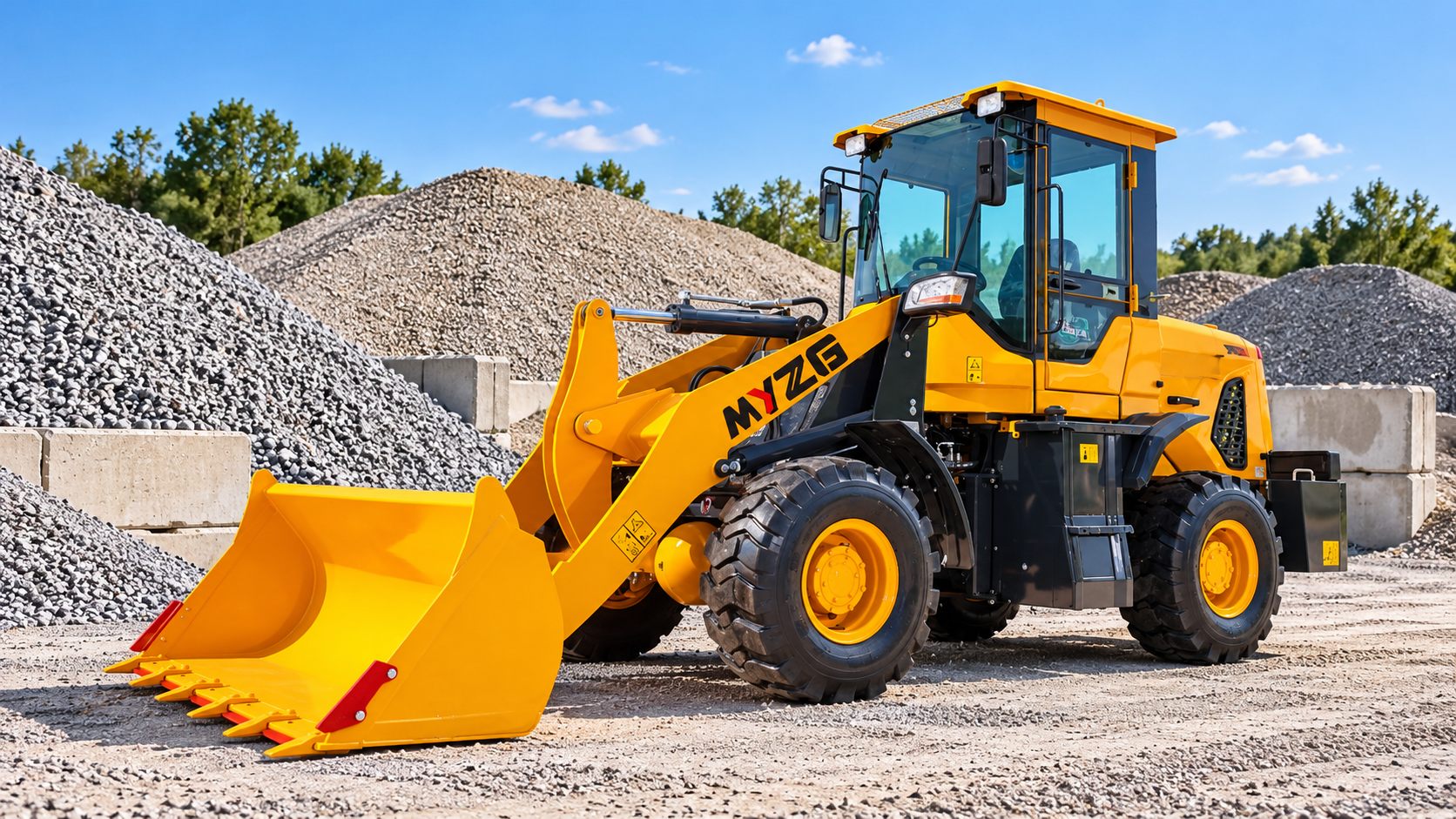
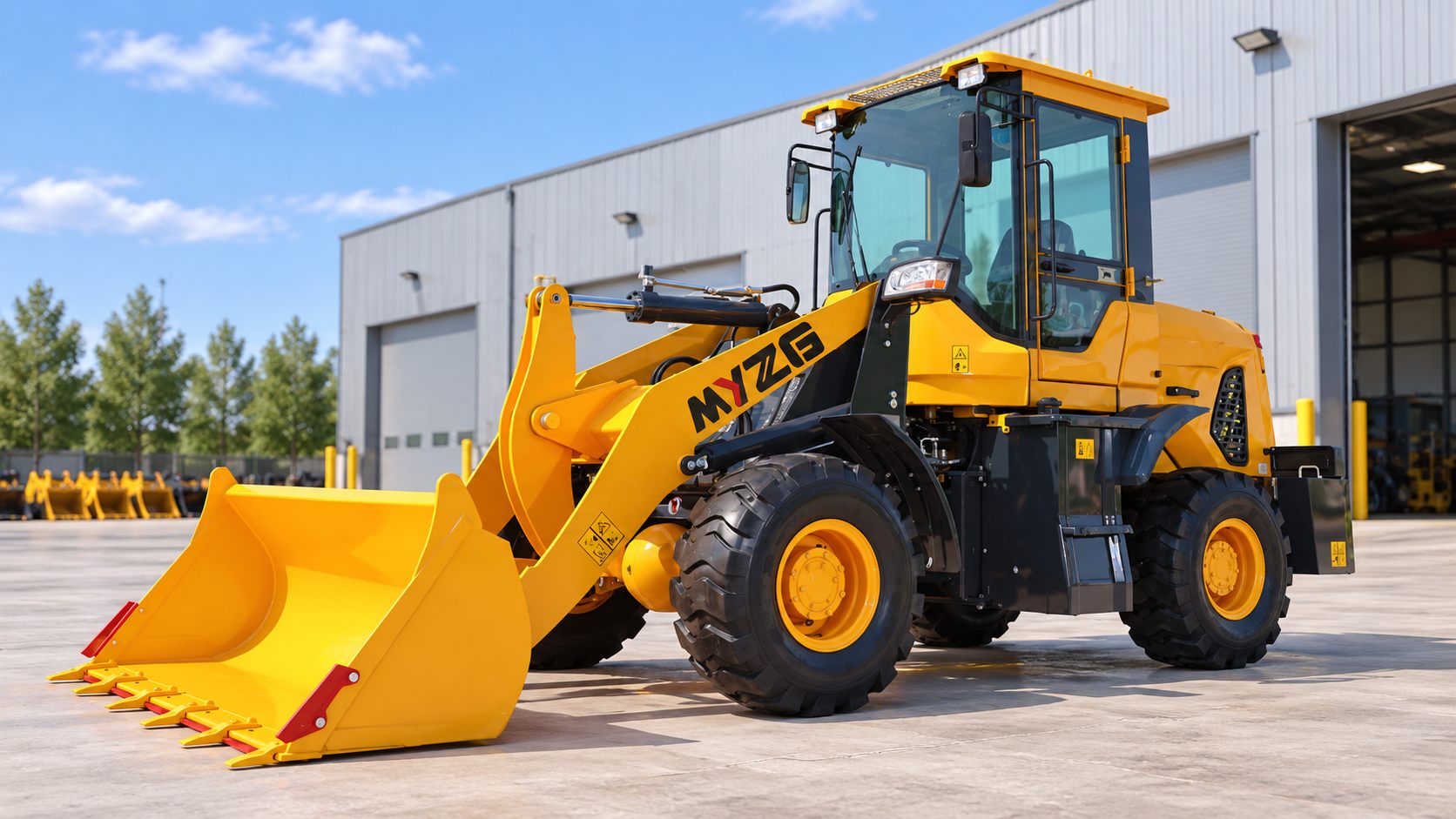
A Q35 wheel loader enquiry is most useful when it starts at the stockpile and ends at the receiving point. A landscape supplier, building-material merchant or farm can move similar-looking material under very different conditions. The practical question is not simply which loader looks large enough, but whether the selected configuration can collect, carry and discharge the actual material within the available space. ZGLOADER / MYZG offers a discussion of the Q35 around those requirements, with equipment details confirmed in the written quotation rather than inferred from photographs.
Describe the material rather than only its weight
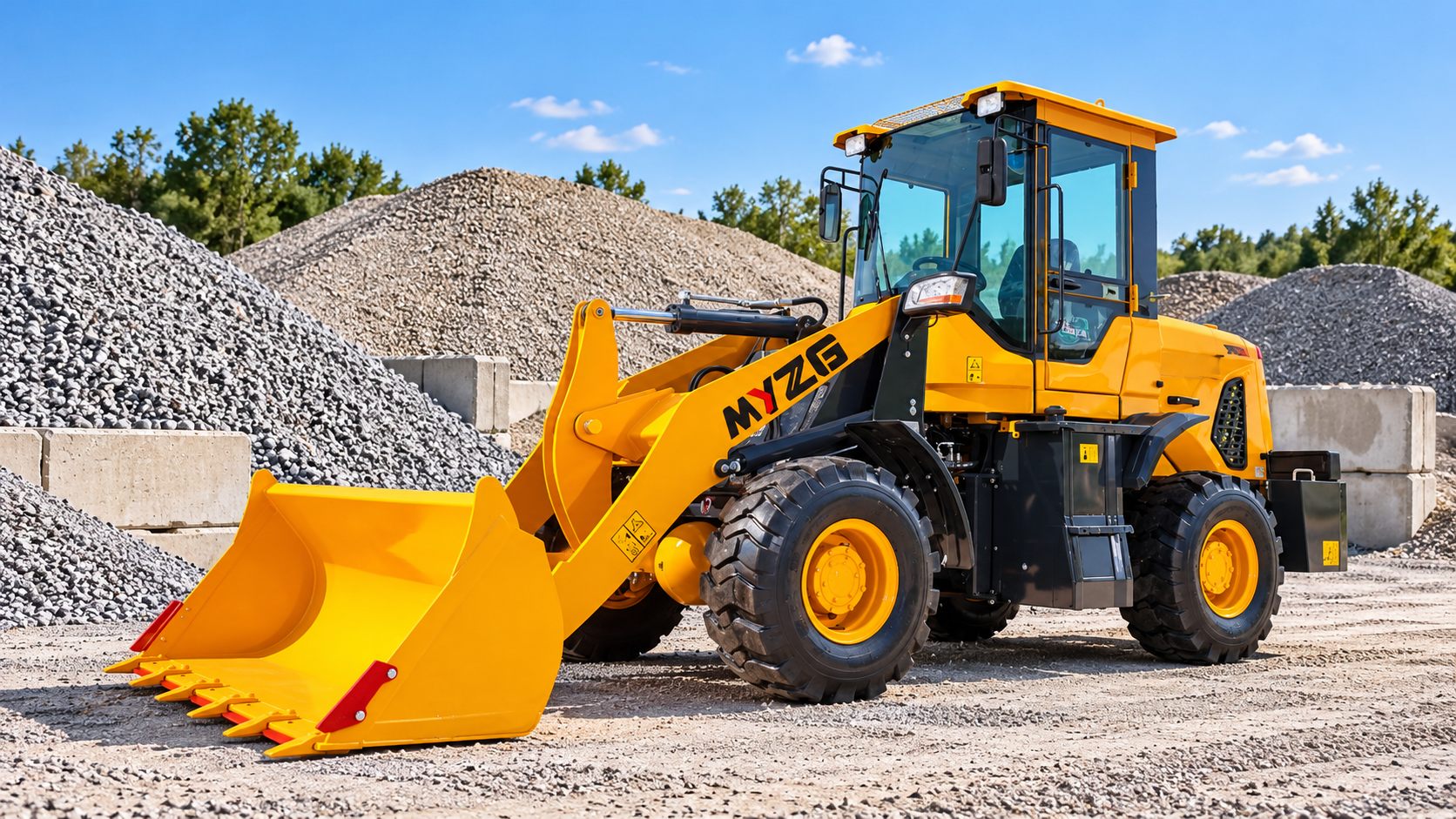
Record what will actually enter the bucket: aggregate, soil, compost or another approved material. Include moisture, particle size, tendency to stick and whether the supply changes during the season. A bucket filled with a light loose product cannot be treated as equivalent to the same volume of dense wet material. Ask for a bucket and configuration assessment using the intended product, and agree how its mass will be established. Photographs of the stockpile and access area help explain the task, but they do not replace a verified load assessment or the operating manual.
For the Q35, focus the comparison on stockpile access, bucket suitability and the discharge arrangement for repeated material replenishment. Check that the proposed route and turning area suit the selected machine; do not select it solely from its appearance beside a pile.
Compare wheel loader categories
Measure the complete loading interface
Measure the receiving point from the ground on which the loader will stand. Note wall height, edge thickness, distance to the discharge area and any overhead obstruction. Also identify whether the ground is firm and level and whether people or vehicles pass behind the machine. A nominal dimension in a catalogue cannot by itself confirm a usable discharge position. Bucket movement, attachment dimensions and clearance throughout the approach must be considered together. Send a dimensioned sketch so the supplier can identify which configuration questions remain open before an order is placed.
Compare a whole working cycle
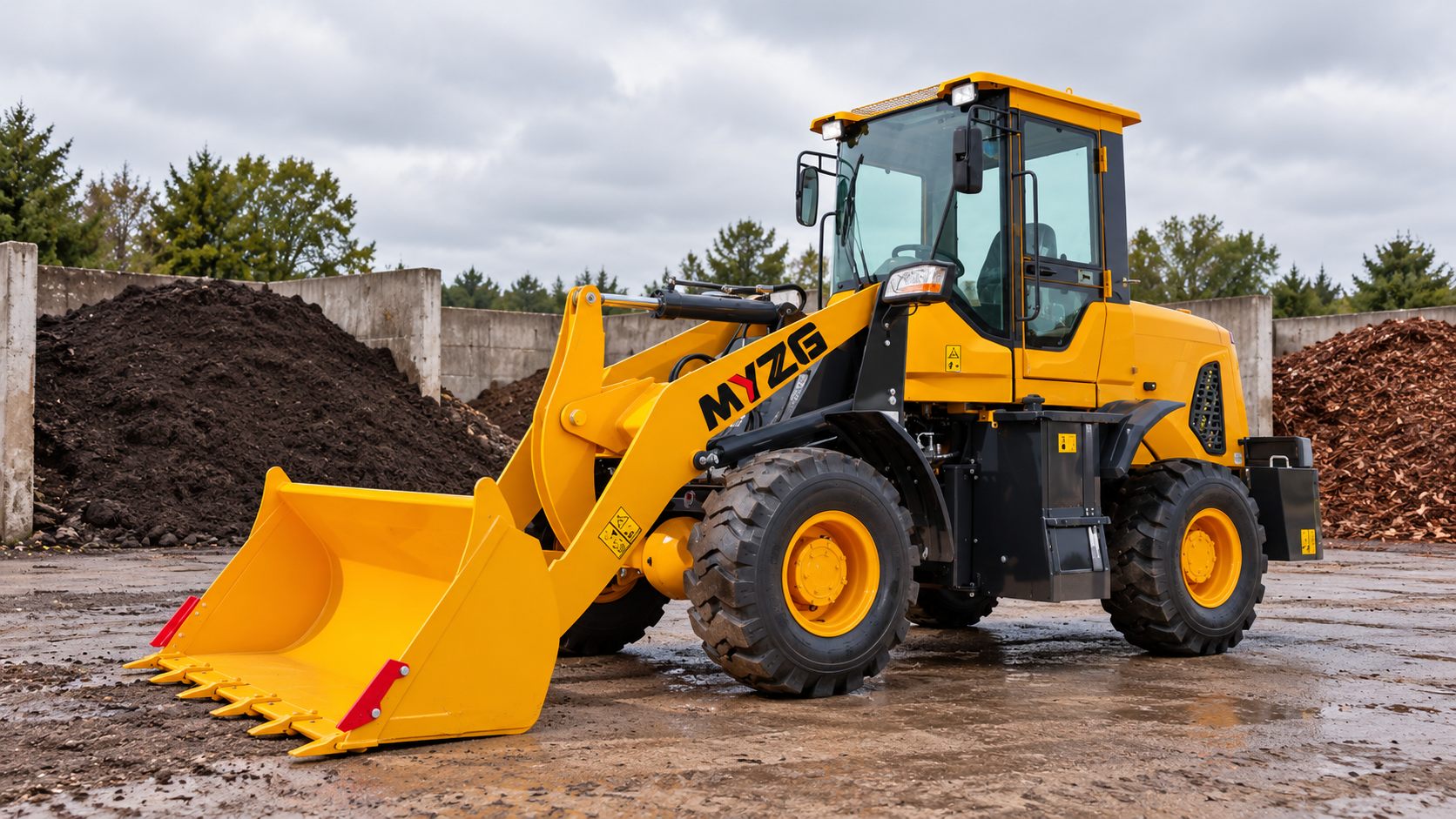
Evaluate collection, travel, alignment, discharge and return as one sequence. A short travel distance does not guarantee a quick cycle when the machine has to turn repeatedly or wait for a receiving vehicle. Separate pedestrian routes and define an appropriate loading area with the site team. Compare proposed arrangements using the same material and receiving conditions, not an isolated lifting movement. Any productivity estimate should state its assumptions; no fixed hourly output is promised from a photograph or a model name. A suitable demonstration can be agreed where available.
Explore the complete product range
Choose attachments as part of the machine
The bucket, coupling and any alternative attachment form part of the selection decision. Confirm compatibility, retention, hydraulic requirements and the permitted use of each item in the supplied documentation. Do not assume that an attachment fits because its width looks suitable, and do not treat a different implement as having the same operating limits. A dealer quotation should identify the included attachment and distinguish optional items. If the buyer expects to change tasks later, discuss that requirement before ordering so the future equipment can be assessed rather than improvised on site.
Build inspection access into daily work
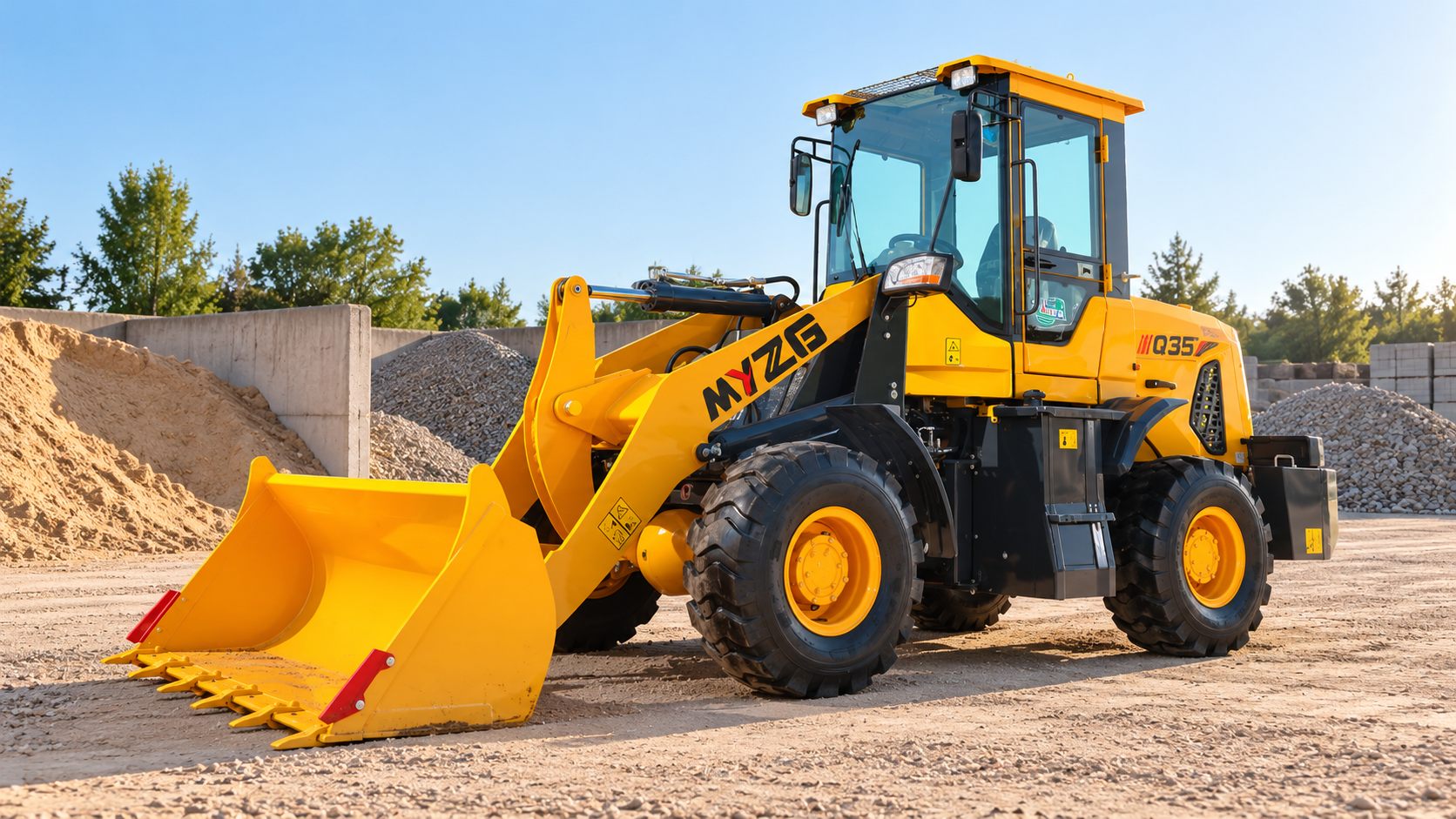
Routine inspection is easier when parking, cleaning and service access have been considered in advance. Follow the supplied manual for checks, service intervals, approved fluids and procedures. Inspect for visible damage, leaks, tyre condition and attachment security before use, with faults referred to qualified personnel. Maintenance involving raised equipment requires the specified isolation and support arrangements; a hydraulic system alone is not a maintenance support. Keep the model, serial information and service record available when requesting parts, because components may differ between configurations.
Read equipment application articles
Prepare a useful dealer quotation
For dealers and fleet buyers, a useful proposal includes the intended application, agreed configuration, attachment list and delivery responsibilities. Ask which consumables and service items should be planned for the actual duty and which information is needed for a parts enquiry. Compare quotations on an equivalent basis, including freight arrangements, documentation and after-sales responsibilities. CE or EPA-related requirements must be discussed for the destination and exact configuration, with applicable documents confirmed before purchase; a product family name is not evidence that every variant has identical certification.
Discuss parts, configuration and service
Agree the configuration and handover
Before confirming the order, reconcile the written equipment list with the receiving-point sketch and the material description. Agree what is included, what remains optional and how questions at handover will be handled. The application images illustrate possible settings and are not proof of a completed customer installation or a guaranteed specification. Shandong Zhuogong Machinery equipment Co.,Ltd can discuss model selection, quotation details and parts enquiries through the contact information below. Supply the location, intended material and working arrangement so the response can address your actual purchasing decision.
Request a configuration discussion
Shandong Zhuogong Machinery equipment Co.,Ltd
ZGLOADER / MYZG
WhatsApp: +86 131 7691 0558
Email: MYZG@my-forklift.com
Products categories
-
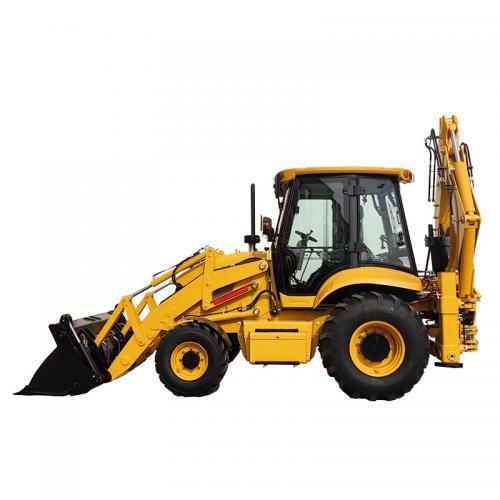
ZGLOADER / MYZG 388-II Backhoe Loader Application Guide
-
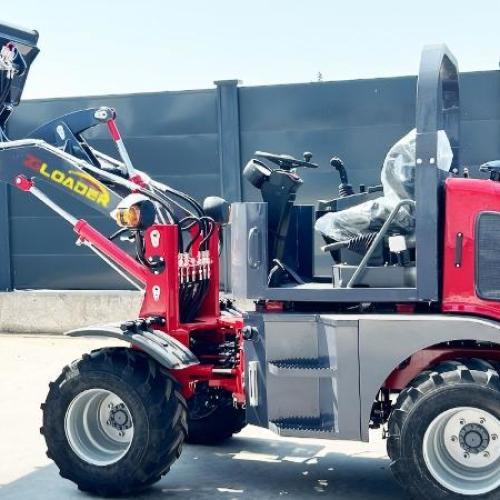
ZGLOADER / MYZG ZG908 European Style Compact Wheel Loader
-
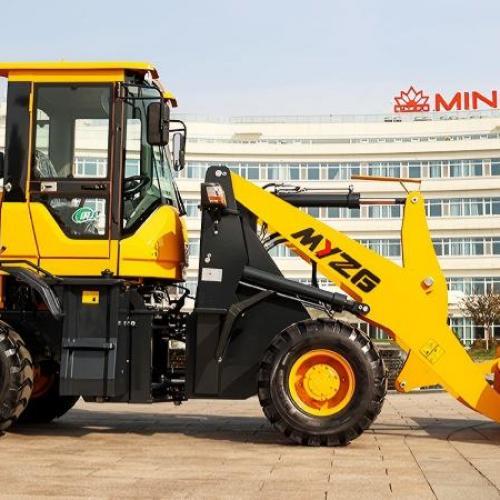
ZGFORKLIFT / MYZG ZL935Z Diesel Wheel Loader Worksite Buying Guide
-

3.8 Ton Backhoe Loader 75KW Yuchai Engine 1.2m³ Bucket
-
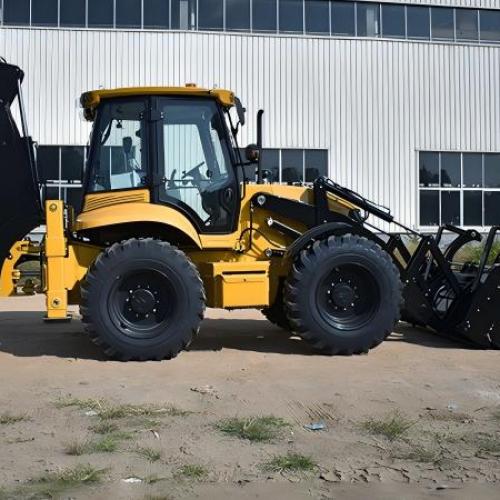
New 388 Backhoe Loader Sets Benchmark with Enhanced Digging Depth and Versatile Engine Options
-
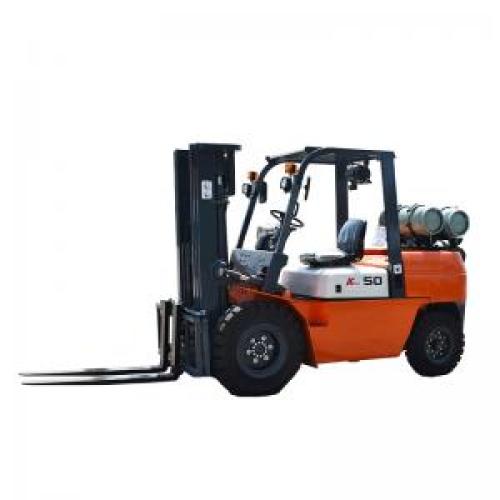
ZGLOADER / MYZG CPY50 5 Ton LPG Forklift Industry and Lifecycle Guide
