
ZGFORKLIFT / MYZG CPY25 LPG Forklift for Distribution-Yard Fleet Selection
Specify the load before the truck
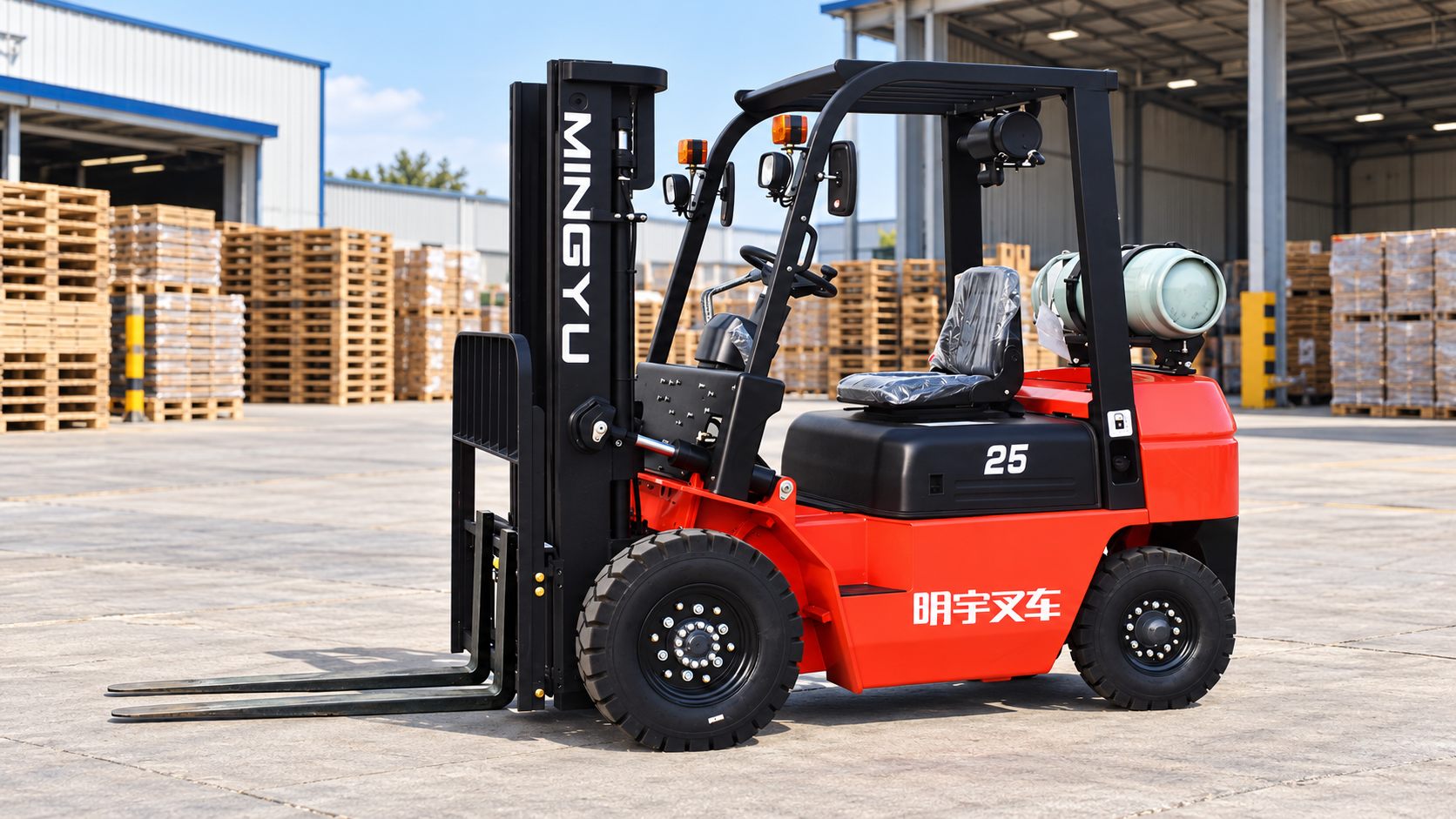
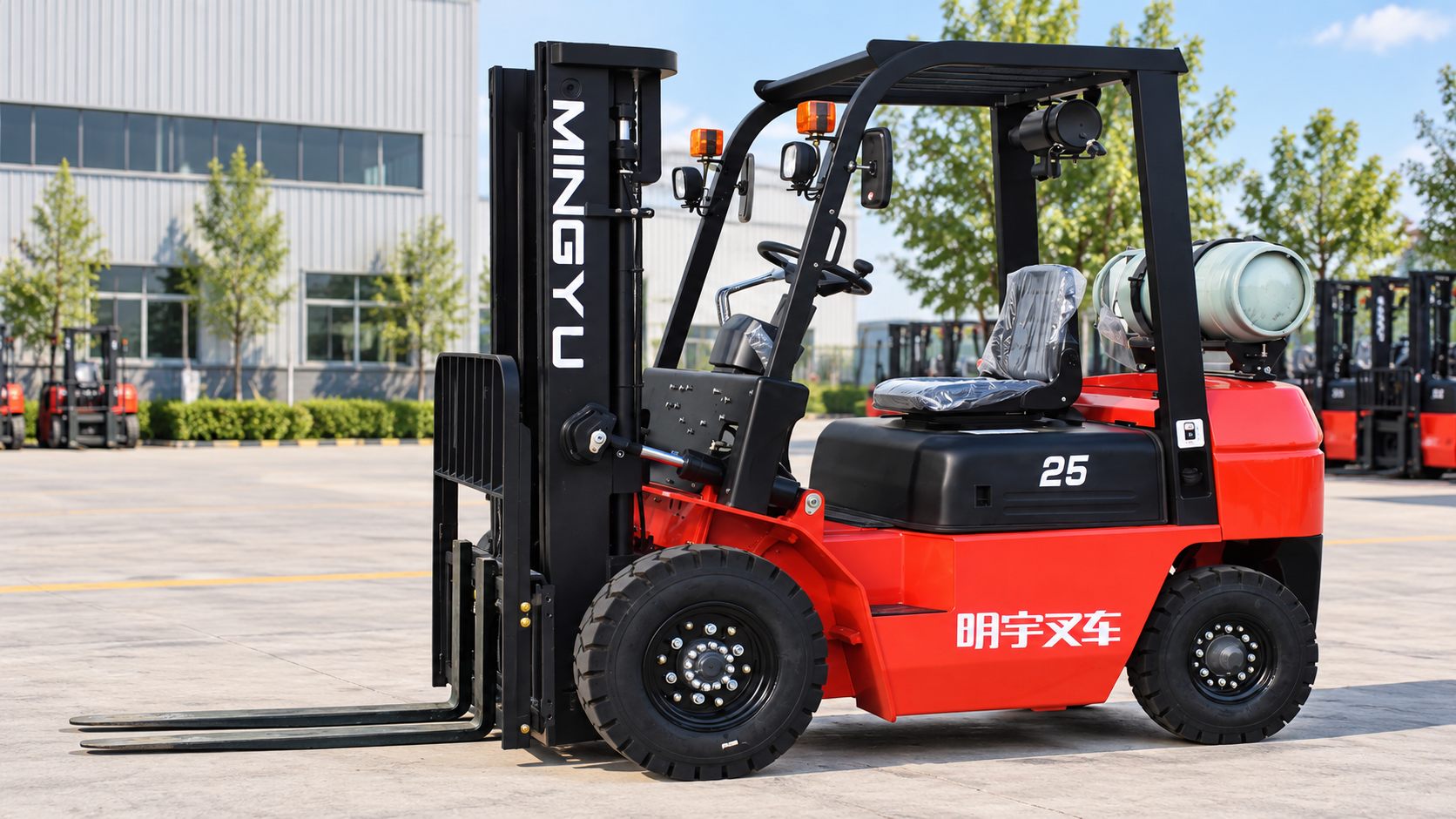
The ZGFORKLIFT / MYZG CPY25 should be assessed against a written load description rather than selected from its model name alone. Record the maximum load mass, package dimensions, pallet entry, load stability and receiving position. Distinguish regular shipments from occasional difficult items. A truck suitable for a familiar pallet may not be appropriate for a longer crate or an offset load. Send these details with site photographs when requesting a quotation. The application images on this page are generated illustrations based on the actual product appearance, not evidence of a customer installation.
Read capacity in its operating context
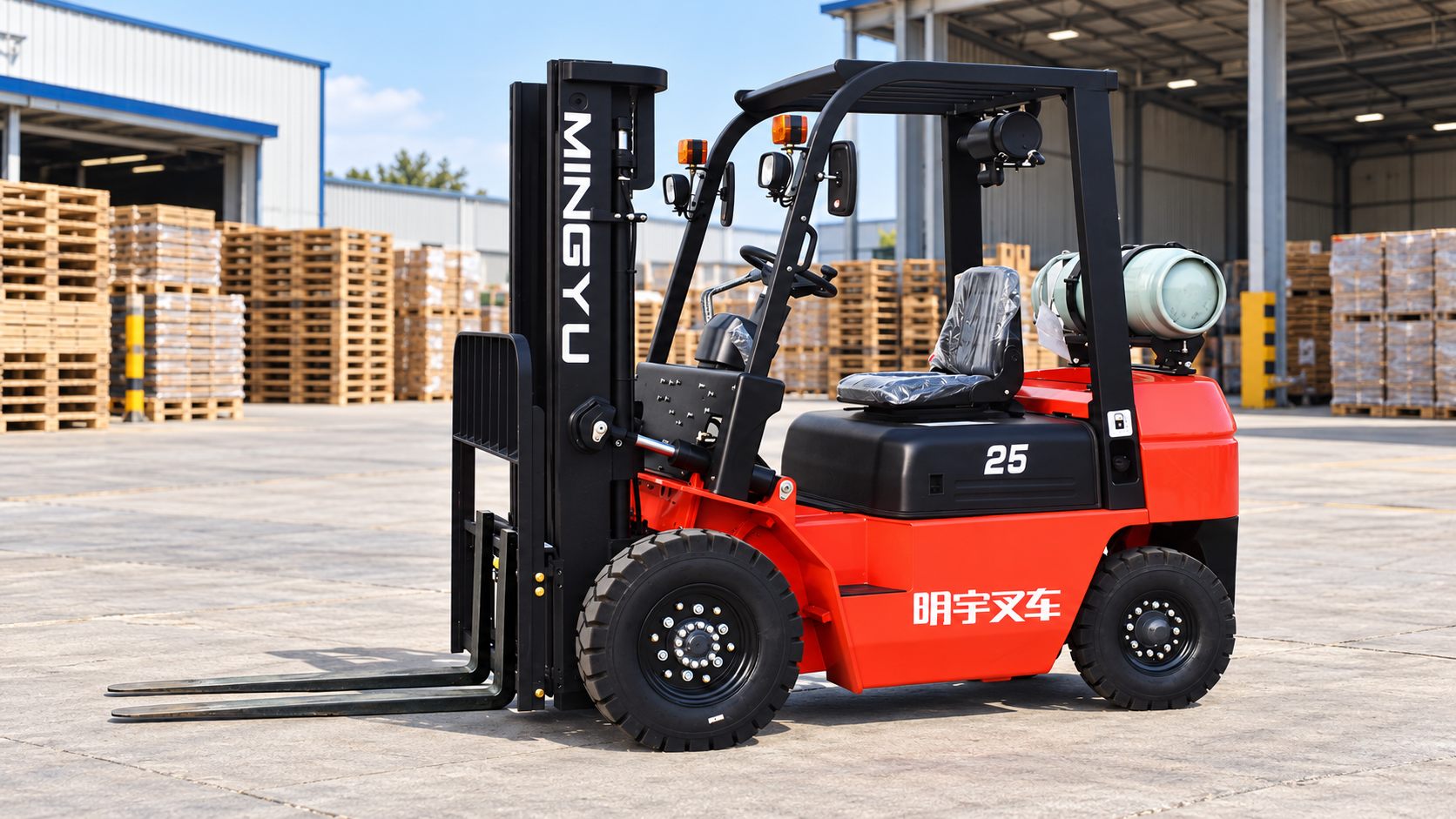
Nominal capacity does not answer every lifting question. The applicable rating depends on the supplied configuration and its data plate, including load center, lift height and approved attachments. Ask the supplier to identify the rating for your intended handling arrangement in writing. Do not assume an attachment leaves capacity unchanged, and do not treat the model number as a universal lifting limit. If load information is uncertain, resolve it before selecting equipment or planning a lift. Operators must follow the machine documentation and site procedures rather than using a marketing illustration as an instruction.
For CPY25 distribution-yard enquiries, identify the frequency of pallet arrivals and the space available beside the receiving vehicle. The reference product is an LPG-equipped forklift with a rear cylinder. Confirm the supplied fuel arrangement, cylinder requirements and destination rules with qualified personnel; do not infer them from the photograph.
Explore forklift configurations
Measure the full handling route
Measure door openings, overhead restrictions, working aisles and turning areas across the complete route. Include the space occupied by the load and the receiving vehicle, not just the truck dimensions. Assess the surface condition and any transition between loading areas with a competent site team. Specify the proposed tire arrangement and request the relevant machine dimensions before delivery. Pedestrian routes should be separated from truck operations. A buying comparison should consider how the truck will approach, collect and place the actual goods, including congestion during the busiest receiving period.
Match power choice to the workplace
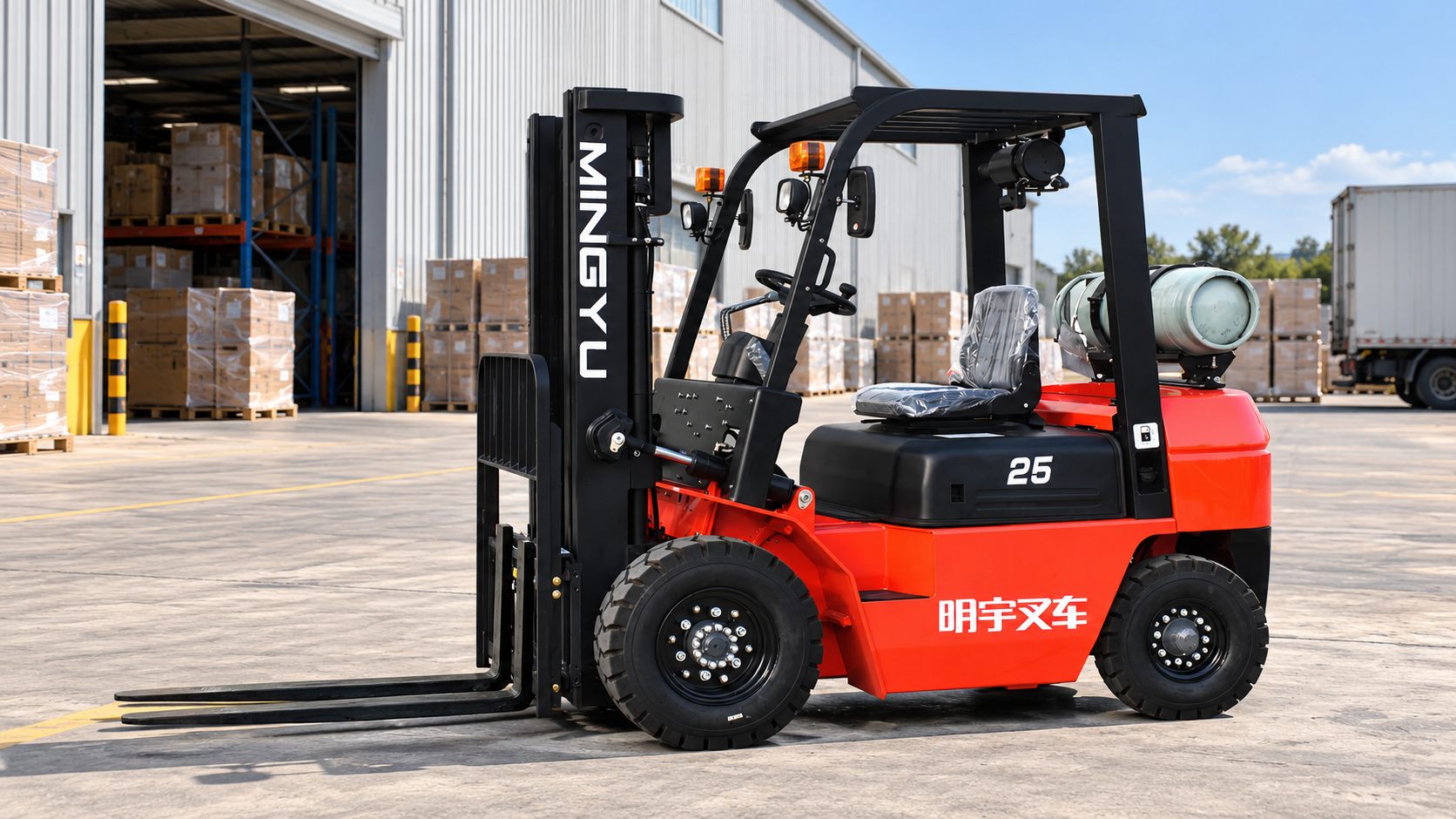
An internal-combustion forklift requires a suitable workplace assessment. Neither LPG nor diesel should be described as automatically suitable for an enclosed space. Ventilation, exhaust exposure, fuel arrangements and local requirements need appropriate review. Confirm the exact engine and fuel configuration in the offer, including the documentation relevant to the destination. Fuel consumption changes with duty cycle, idle time and operating conditions; avoid budgeting from an unsupported fixed hourly figure. Ask how refueling arrangements and planned breaks will fit the shift without presenting fuel handling as an untrained task.
Choose mast and attachments together
Start mast selection with the required placement height and all access restrictions along the route. Ask about the supplied mast arrangement, lowered dimensions and visibility with the intended load. When considering a sideshift or another attachment, confirm compatibility and the resulting rating rather than assuming a standard accessory will suit every configuration. Fork dimensions must be appropriate for the goods and supported by the manufacturer guidance. Include the complete attachment package in the quotation so that price comparisons cover equivalent equipment. Resolve differences between an illustrative product photograph and the ordered version before shipment.
Plan inspection and support
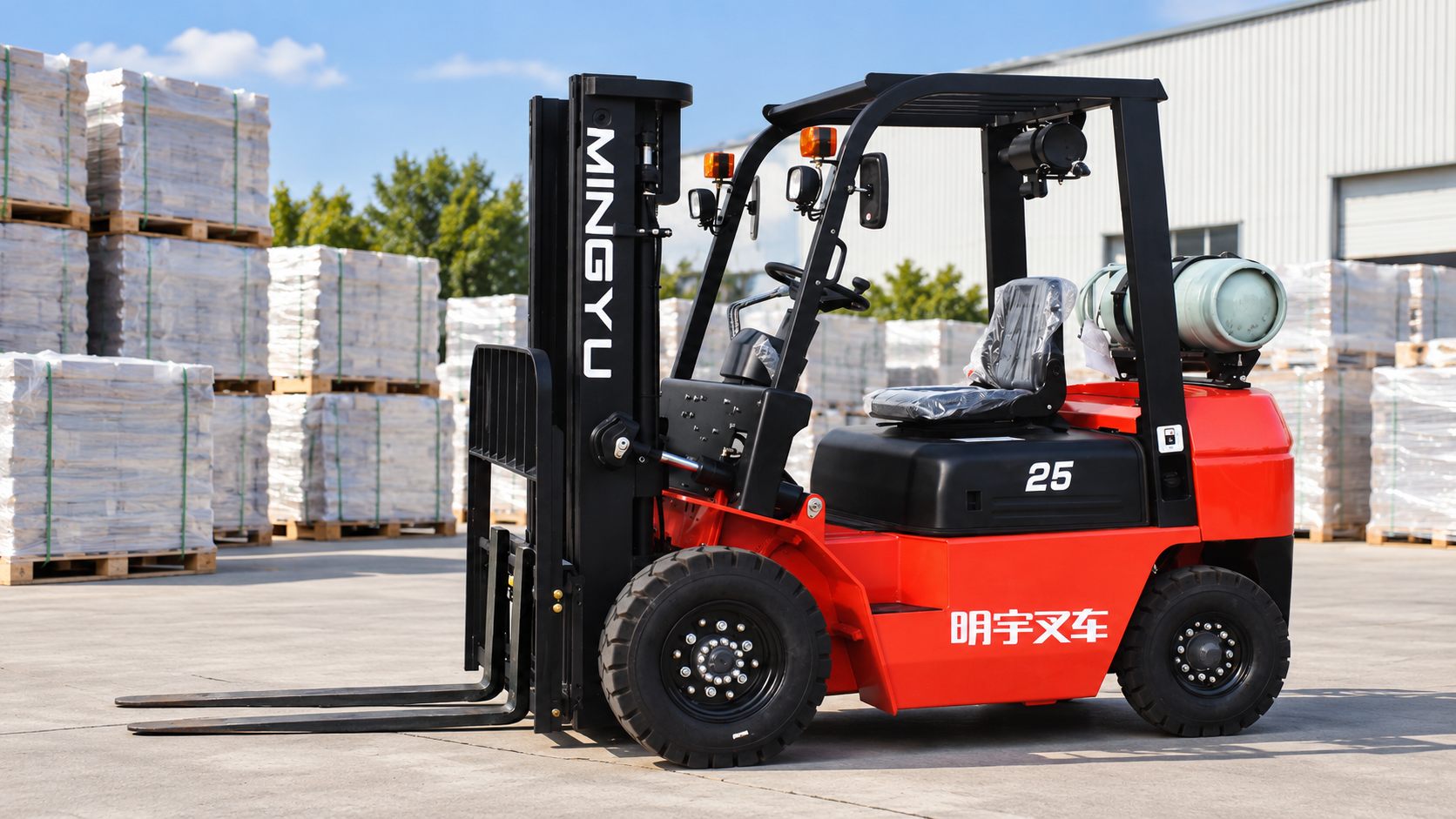
Request inspection and service instructions for the delivered configuration. Establish who is responsible for daily checks, planned maintenance and technical diagnosis, and retain records by machine serial number. Ask for approved parts references and a clear route for reporting faults. A maintenance budget should include tires, forks and other wear items where applicable, but replacement criteria must come from the relevant documentation and qualified assessment. Do not improvise repairs on lifting components or fuel systems. Clarify warranty scope and the evidence needed for a support enquiry before the machine enters service.
Discuss parts and technical support
Organize dealer delivery and training
A distributor can reduce uncertainty by agreeing an itemized handover checklist. Verify identity, supplied mast and attachments, documentation and visible transport condition at receipt. Arrange appropriate operator training and site familiarization rather than relying on a short sales demonstration. Record any configuration-specific instructions and provide the correct support contact. Discuss an initial parts plan with the supplier based on the local fleet and expected work, not a generic promise that every component is available immediately. Clear records help distinguish different engine, mast and attachment versions when servicing a fleet.
Read handling and purchasing articles
Prepare a destination-specific purchase
Send the destination, load details, operating route, expected shift pattern and attachment requirements to Shandong Zhuogong Machinery equipment Co.,Ltd for a ZGFORKLIFT / MYZG CPY25 proposal. Request applicable compliance and engine documentation for the exact offered configuration; CE or EPA-related statements should be supported by the relevant documents rather than assumed across the range. Confirm delivery terms, included accessories, manuals and after-sales arrangements in writing. This approach gives buyers a practical basis for comparing complete offers without inventing performance figures, certificate numbers or customer success stories.
Quotation and support
Shandong Zhuogong Machinery equipment Co.,Ltd
ZGFORKLIFT / MYZG
WhatsApp: +86 131 7691 0558
Email: MYZG@my-forklift.com
Products categories
-

ZGFORKLIFT / MYZG CPD50 5 Ton Lithium Electric Forklift
-
ZGFORKLIFT / MYZG CBD15 Walk-Behind Electric Pallet Truck
-
ZGFORKLIFT / MYZG CPD80-B 8 Ton Lithium Electric Forklift
-

Unveiling the Workhorse: The MYZG/SDZG CPC30 Diesel Forklift Reaches Global Markets
-
B35D electric forklift
-

MY-Telescopic 2 Ton Diesel Wheel Handler
