
ZGFORKLIFT / MYZG B35D Electric Forklift for Warehouse Receiving and Charging-Space Planning
Start with the receiving task
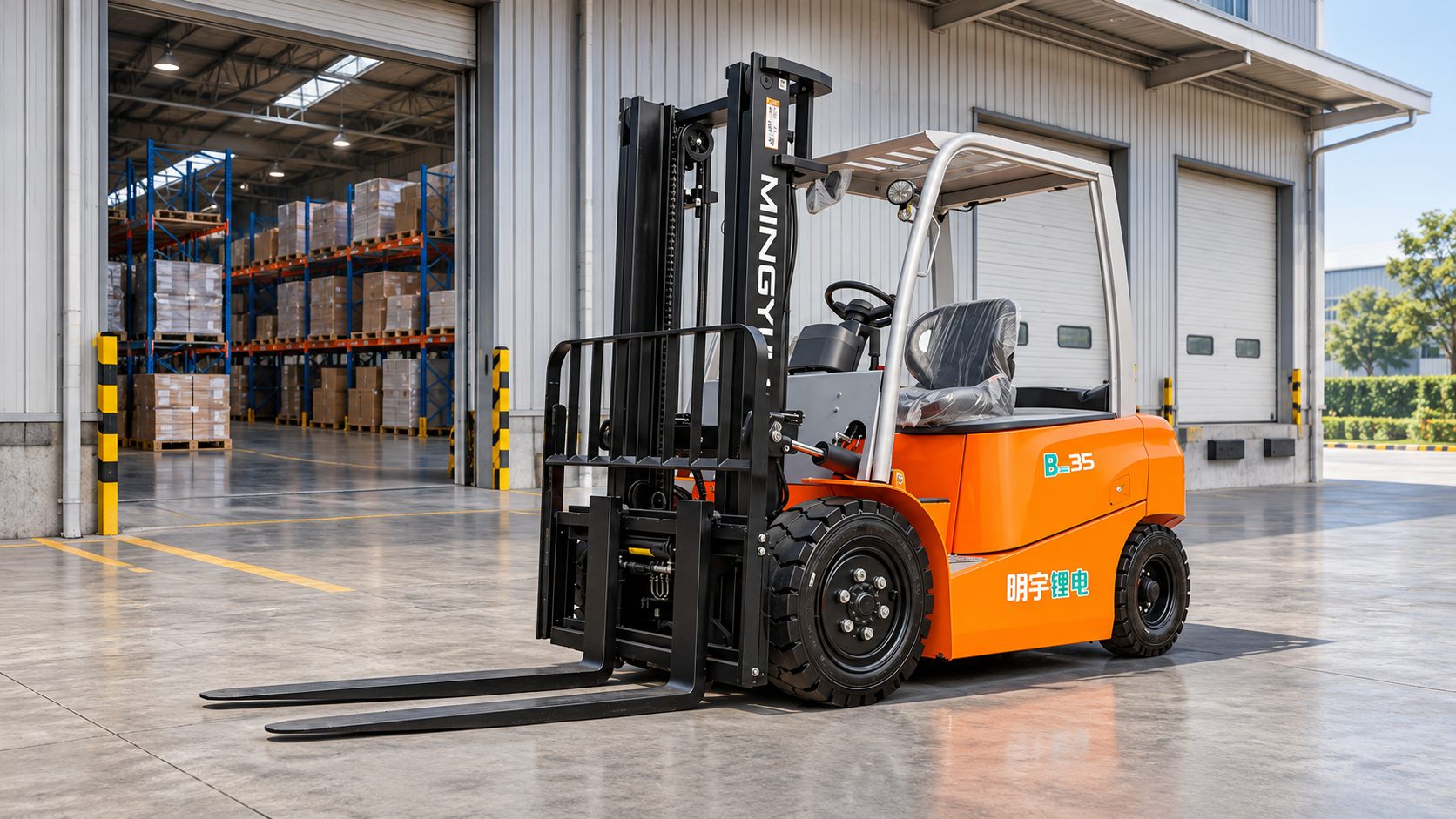
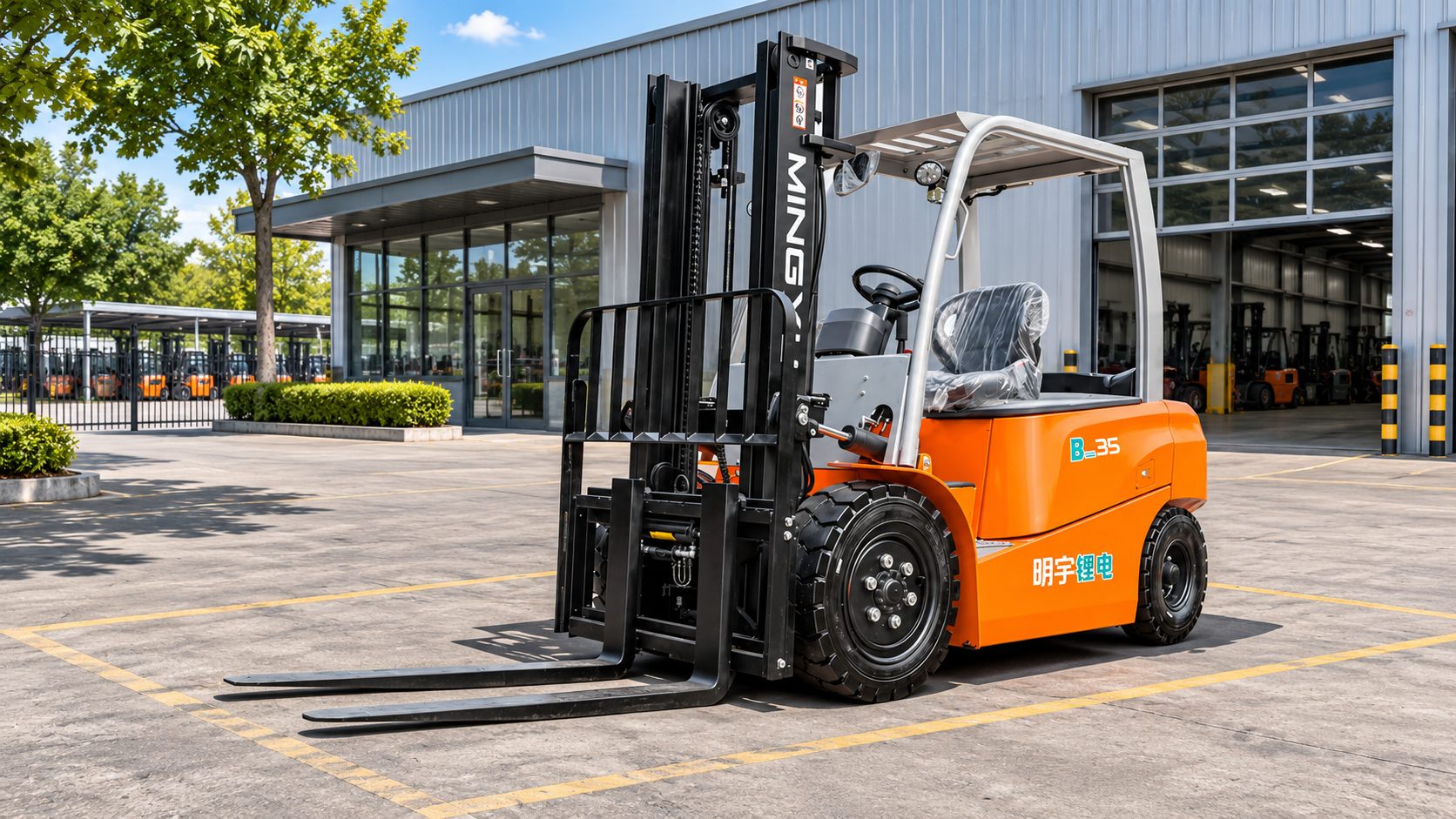
The B35D electric forklift can be considered for a receiving operation where pallet deliveries must connect with indoor storage and a planned charging arrangement. The buying decision should begin with the actual loads, access routes and available electrical infrastructure. ZGFORKLIFT / MYZG recommends identifying those conditions before agreeing a configuration. A model name or photograph cannot confirm whether a particular truck can handle every pallet, doorway or shift pattern. Ask for a written equipment proposal that connects the supplied mast, battery, charger and attachments to your stated application.
Describe the complete pallet load
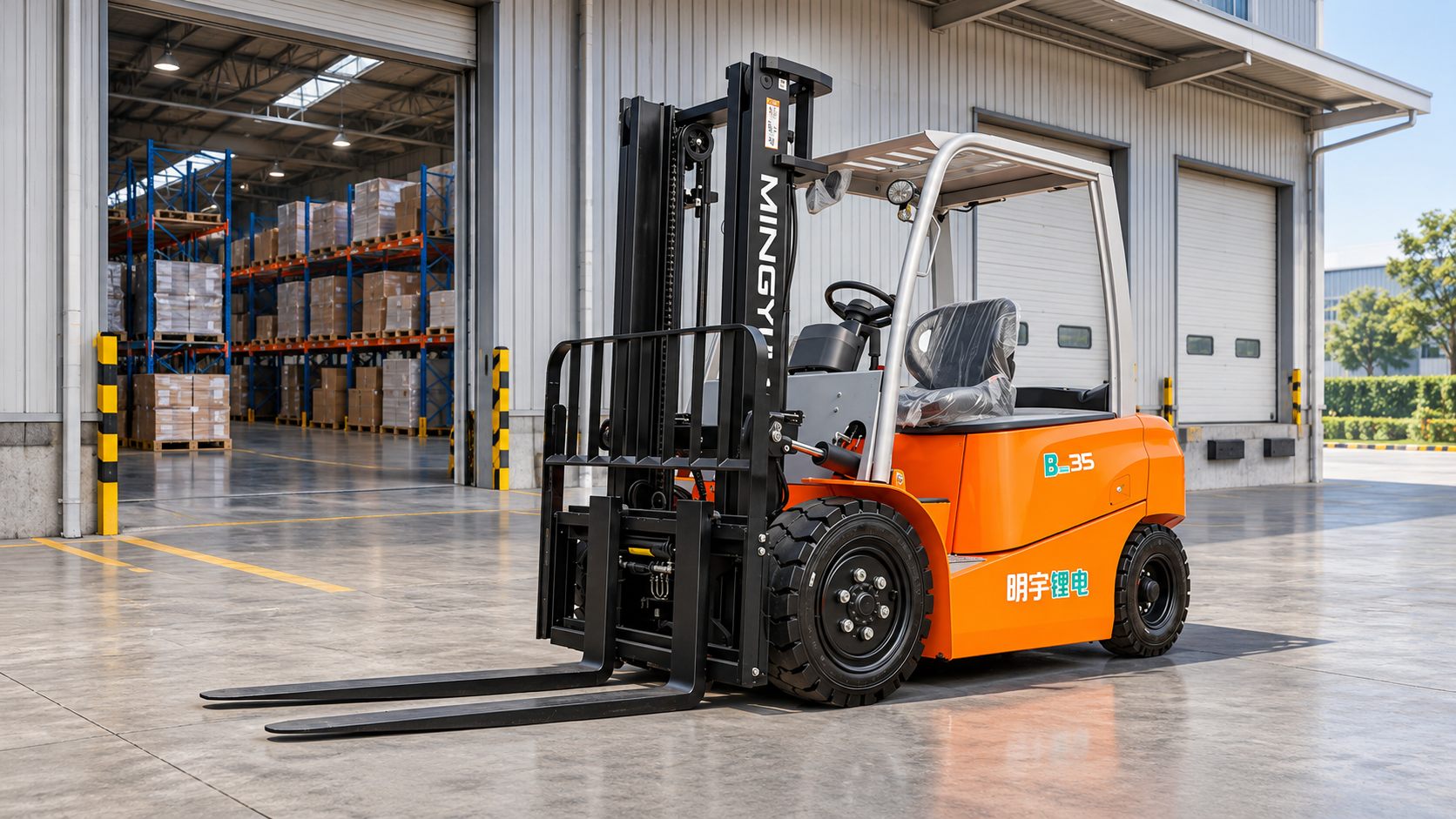
Record the total mass of the goods and pallet, their dimensions, packaging stability and the position of the load centre. A tall or projecting load may create requirements that differ from a compact standard pallet. Include any attachment in the assessment and request the applicable capacity information for the selected mast and equipment. Do not assume that a nominal truck rating is available at every lift height or with every attachment. Photographs and a load description help the supplier ask useful questions, but measured information is preferable to visual estimates.
For the B35D, give particular attention to the connection between receiving work and charging. Confirm where the truck can park, how the charger will be supplied and which charging procedure applies to the battery actually ordered. Do not promise uninterrupted operation solely from battery capacity or treat different battery configurations as interchangeable.
Measure access and placement points
Measure doorways, aisle restrictions, turning areas and the intended placement height. Include overhead structures and the approach to the receiving vehicle. Check the complete truck configuration, not only the width of its body. Mast dimensions, fork length and attachment geometry can affect clearance and positioning. A marked site sketch is useful when several routes or delivery types are involved. Ask which measurements remain unresolved before ordering, and avoid relying on a catalogue illustration to establish a required working clearance.
Assess the operating environment
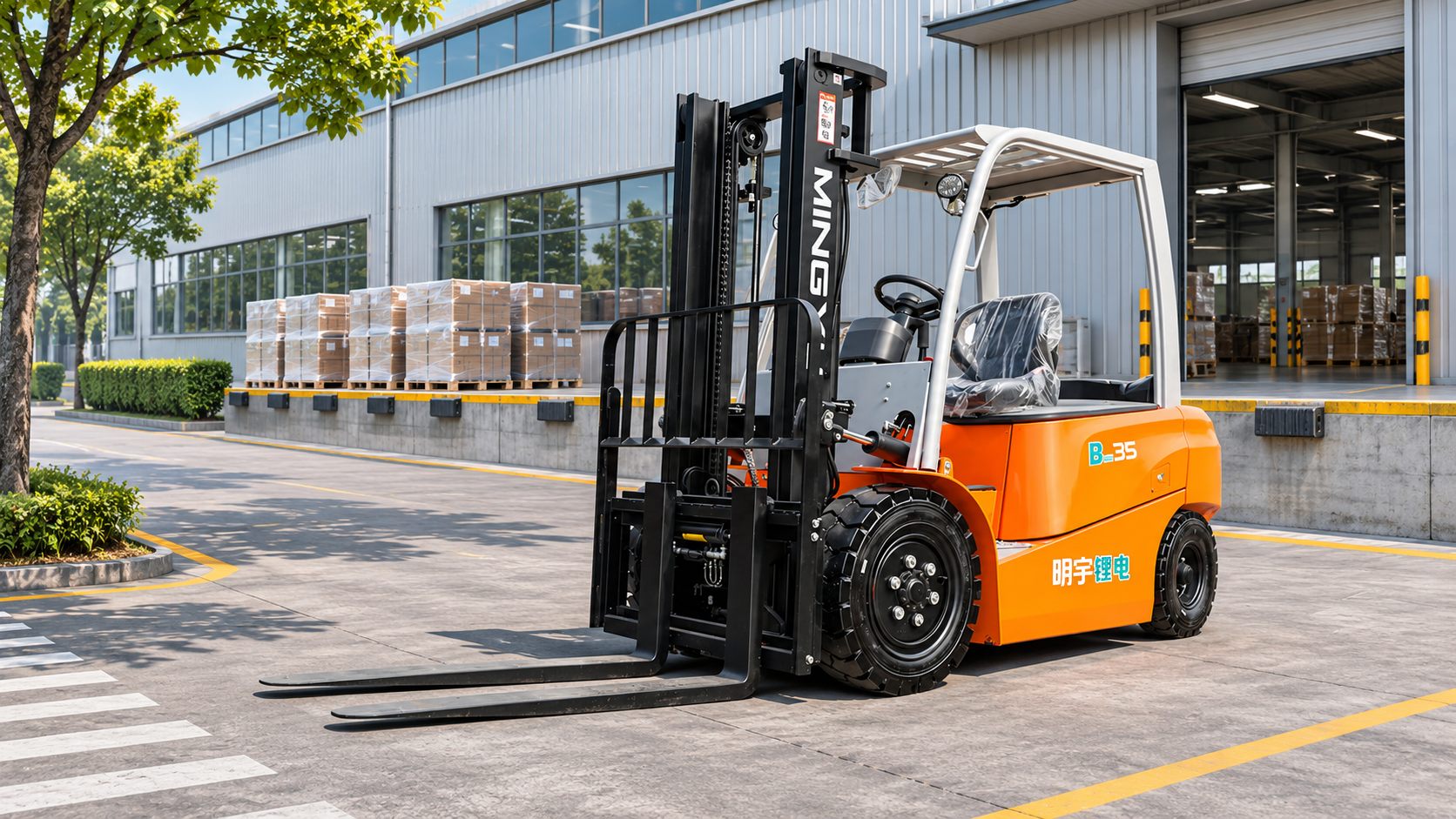
Review the route with the person responsible for the site. Identify surface defects, transitions, visibility restrictions and places where pedestrians may enter the working area. Separate vehicle and pedestrian movement through the site's operating arrangements and use the equipment only within its documented limits. The application illustrations show possible settings; they do not establish ground bearing capacity, an approved route or a completed customer project. Site-specific assessment and operator training remain necessary regardless of the model selected.
Plan energy and daily availability
Daily availability depends on more than the truck itself. Describe the length and intensity of working periods, pauses, parking location and the arrangements for replenishing energy. For an electric configuration, confirm battery and charger compatibility, the required supply and the installation responsibilities with qualified personnel. For an engine-powered configuration, confirm the supplied engine and its applicable operating and service requirements. Do not compare runtime or fuel use without a stated duty cycle; quoted estimates should identify their assumptions and configuration.
Specify attachments and documentation
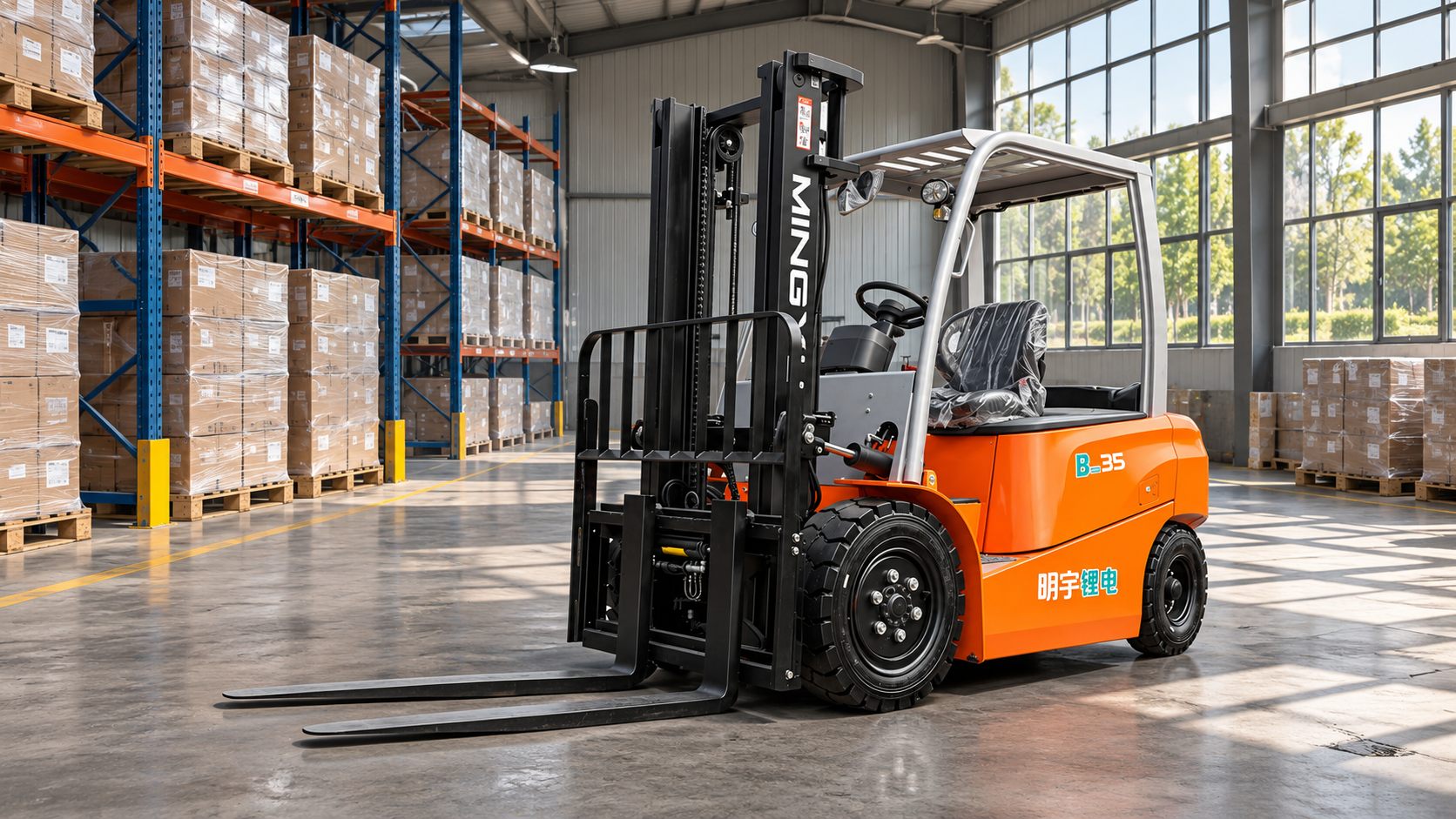
List the forks and any optional attachments required for the task. Confirm compatibility, retention arrangements and the relevant operating limits rather than assuming that similar-looking equipment is interchangeable. The quotation should distinguish standard supply from options and identify the documents provided at handover. Requirements associated with CE, EPA or a destination market must be considered for the exact configuration and supported by applicable documents. A brand or model family name alone does not establish identical certification for every version.
Organize service before delivery
Agree how inspections, scheduled service and parts enquiries will be handled. Follow the supplied manual for intervals, procedures and approved consumables. Visible damage, leaks, tyre deterioration or attachment defects should be referred to qualified personnel before further use. Keep model and serial identification with the maintenance record so replacement parts can be matched to the actual machine. Discuss access to service information and the scope of dealer support before purchase; do not assume that an unspecified service package or response time is included.
Discuss configuration and parts
Prepare a comparable purchasing proposal
Compare written proposals using the same load description, route measurements and equipment list. Include delivery arrangements, documentation, charger or engine configuration, attachments and after-sales responsibilities. Clarify optional items and unresolved technical questions before confirming the order. Shandong Zhuogong Machinery equipment Co.,Ltd can discuss product selection and quotation requirements through WhatsApp +86 131 7691 0558 or MYZG@my-forklift.com. Send the destination, material description and site layout so the discussion addresses the purchasing decision rather than an unsupported specification assumption.
Discuss your configuration
Shandong Zhuogong Machinery equipment Co.,Ltd
ZGFORKLIFT / MYZG
WhatsApp: +86 131 7691 0558
Email: MYZG@my-forklift.com
Products categories
-

Huadong 490 Powered 1.75 Ton Compact Wheel Loader
-

ZGLOADER / MYZG JC100 Skid Steer Loader Fleet Planning and Application Support Guide
-
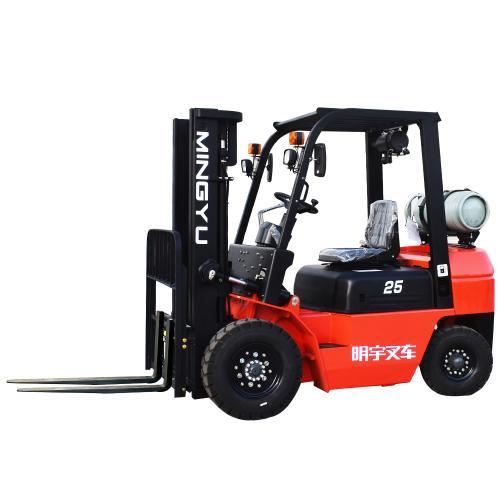
ZGLOADER / MYZG CPY25 2.5 Ton LPG Forklift
-
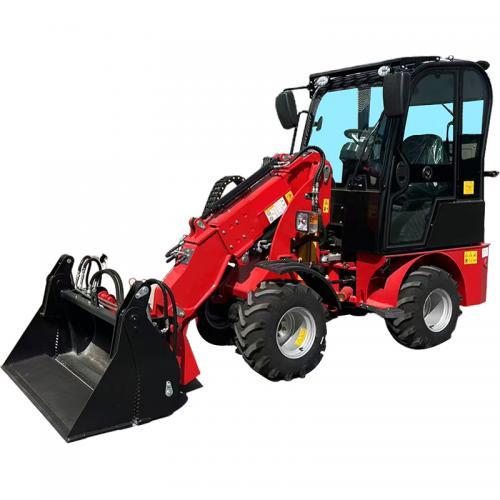
ZGLOADER / MYZG ZG807T Telescopic Wheel Loader Application and Ownership Guide
-
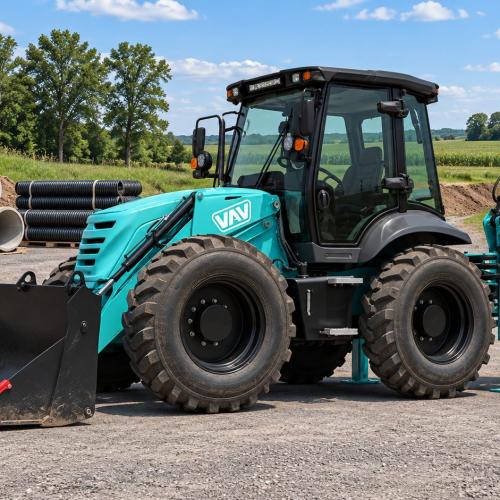
ZGLOADER / MYZG MYZG388H-2 Backhoe Loader for Mixed-Task Planning and Contractor Purchasing
-

ZGLOADER / MYZG WL50 5 Ton Wheel Loader
