
ZGLOADER / MYZG MYZG388H-2 Backhoe Loader for Mixed-Task Planning and Contractor Purchasing
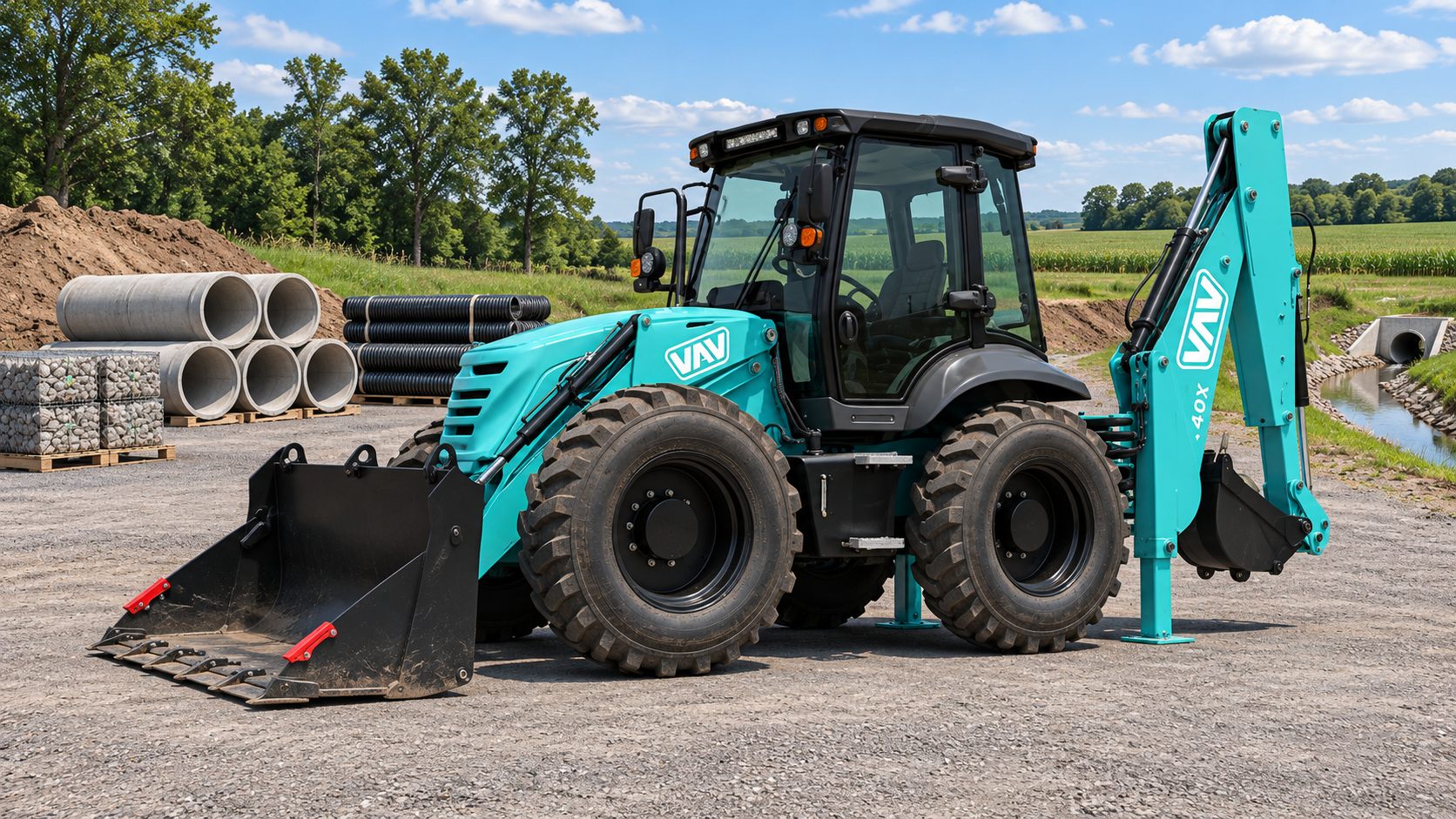
Define the handover between tasks
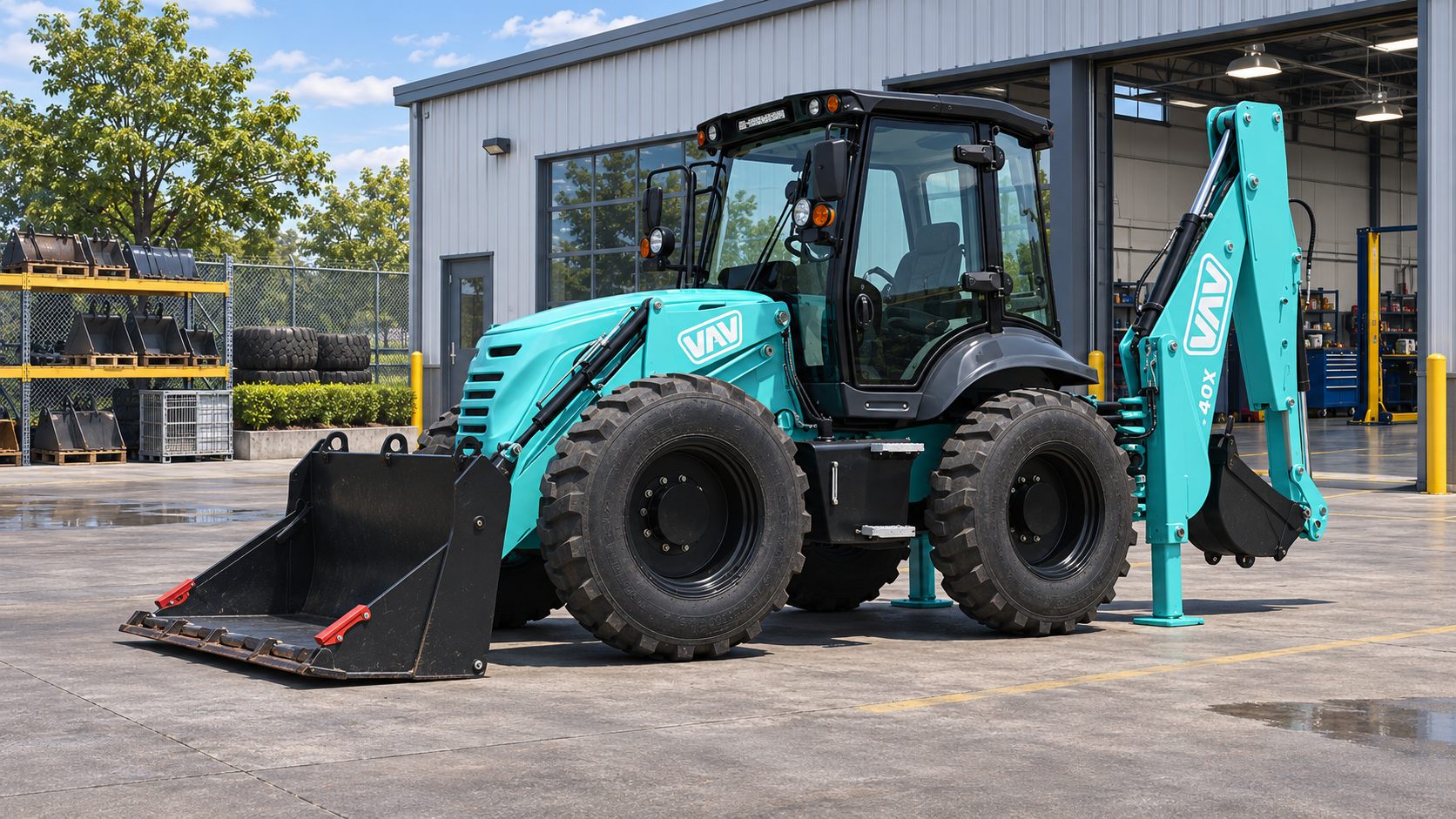
The MYZG388H-2 backhoe loader is a product to assess when a contractor wants to discuss loading and excavation requirements within one equipment proposal. ZGLOADER / MYZG recommends separating the tasks before comparing the combined machine. Material collection, travel, placement and excavation can impose different access and equipment requirements. A buyer should identify which activities are routine and which are occasional. The machine's appearance or a general model headline does not confirm excavation dimensions, permitted lifting applications or suitability for a particular site.
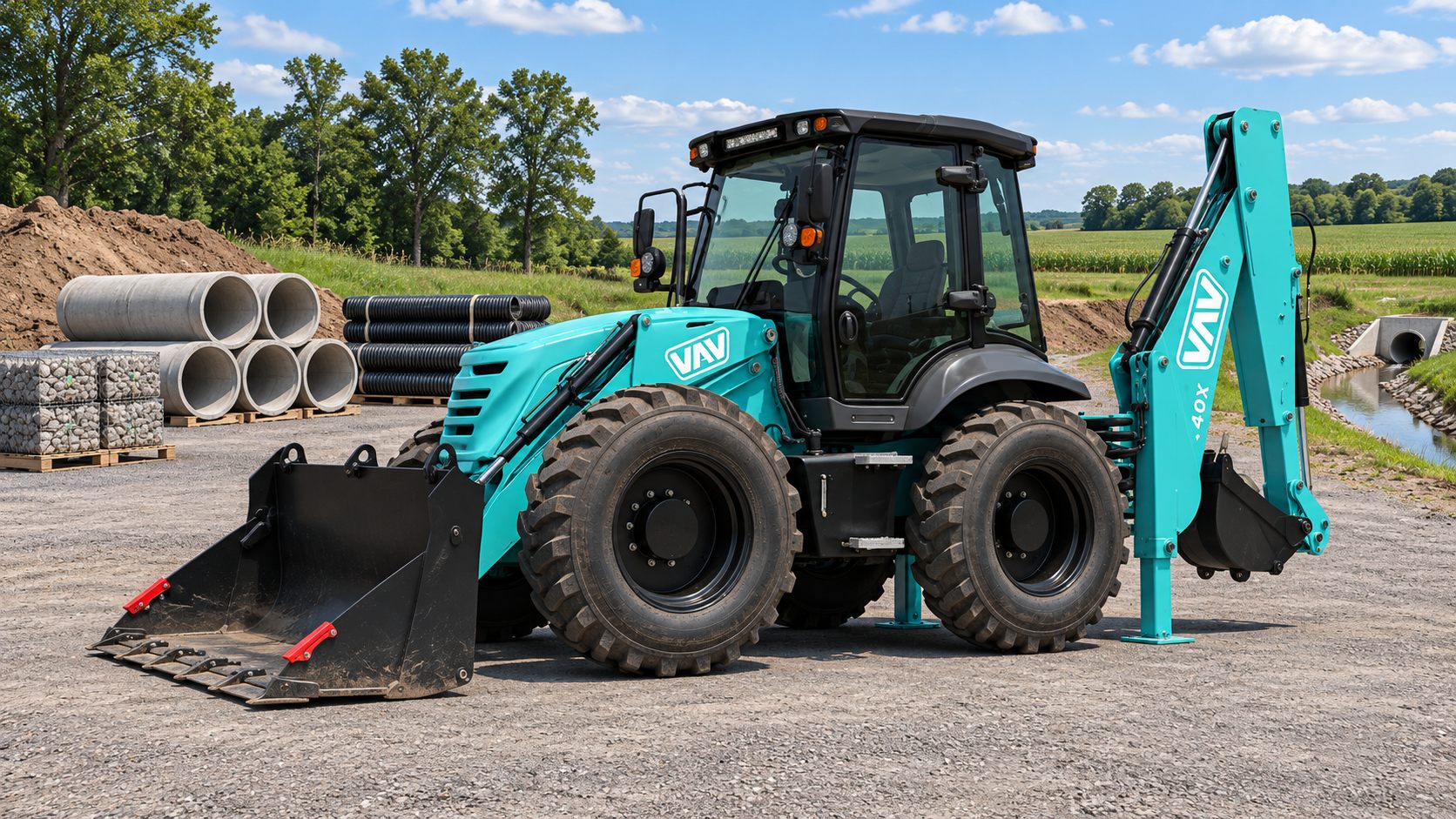
Collect a useful application brief
Prepare a brief that identifies the material, frequency of work, site layout and people responsible for approving the purchase. Distinguish measured information from estimates and explain any seasonal changes. Include photographs as supporting evidence rather than as substitutes for dimensions or load assessment. A supplier can then identify unresolved questions instead of treating a generic enquiry as a complete specification. Record any assumptions attached to an offer so that later changes in the job can be checked against the equipment originally proposed.
For the MYZG388H-2, describe loading and excavation separately, including the material, access and required working positions. Ask which buckets and arrangements are included and which are optional. Do not infer permitted excavation depth, lifting capacity or stabilizer requirements from the images. Those matters must be confirmed through the supplied configuration and operating documentation.
Explore relevant product categories
Check access before comparing equipment
Measure entrances, turning areas, overhead restrictions and the space available at the working point. Consider the whole configured machine, including its attachments and the movements needed to approach the task. A static machine width alone does not prove that an operating route is adequate. Site assessment should address ground conditions, traffic and separation from pedestrians. Use the supplied operating instructions and qualified site personnel to establish appropriate arrangements. The application illustrations do not constitute an approved work plan or a verified customer installation.
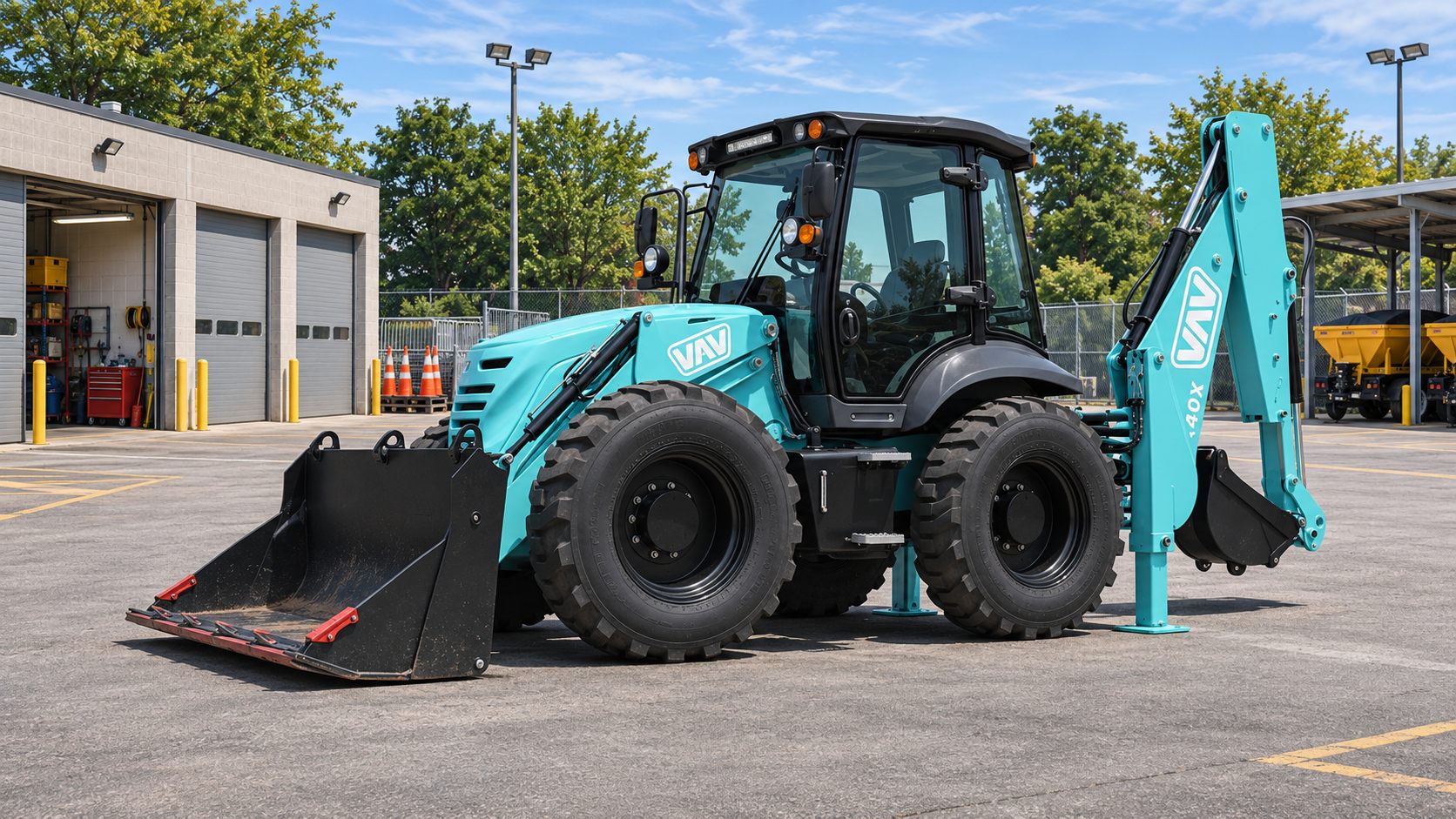
Identify the supplied working equipment
Ask the quotation to identify the working equipment actually included. Forks, buckets, couplings and optional implements must be assessed for their intended use and compatibility, not selected merely because they look similar to another item. Clarify any hydraulic or mounting requirements and the applicable operating limits. Additional equipment may change the working envelope and permitted loads. Do not treat an optional attachment as approved simply because it appears in a product-family photograph. Obtain confirmation for the exact machine and implement combination before ordering.
Compare the complete product range
Plan inspection and service access
Ownership planning should include a suitable inspection and parking area, access to service information and a method for recording faults. Follow the supplied manual for checks, intervals, fluids and procedures. Damaged components, leaks or attachment defects require assessment by qualified personnel before continued use. Work involving raised equipment requires the specified isolation and support arrangements; hydraulic pressure alone is not a maintenance support. Discuss the identification needed for spare parts so that future enquiries can refer to the actual machine rather than only a broad model family.
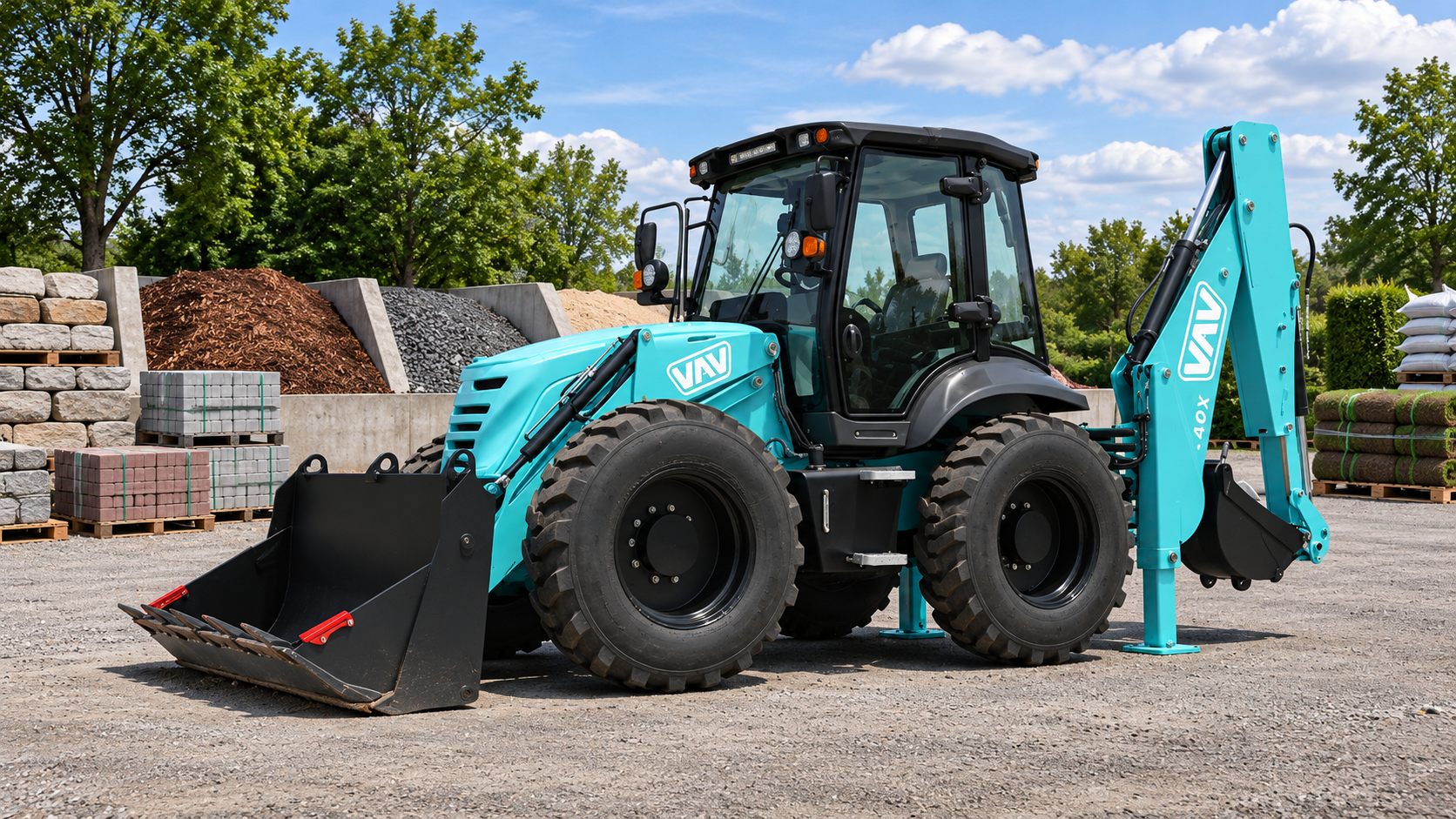
Make the quotation commercially clear
A comparable commercial proposal identifies the configuration, included equipment, optional items and responsibilities for transport and handover. Dealers should clarify the support they intend to provide and what they require from the supplier. Buyers should ask how technical questions, consumable selection and parts identification will be handled. Do not assume that a particular response time, warranty scope or local service arrangement is included unless it is stated in the agreement. Comparing the same scope helps avoid choosing between prices that represent different equipment or obligations.
Read equipment application articles
Discuss documents for the destination
Destination requirements should be discussed before the order is confirmed. Where CE, EPA or other market-specific documentation is relevant, request confirmation for the exact supplied configuration and applicable documents. A brand name, colour or product category is not evidence that every version carries identical certification. Avoid relying on an unspecified certificate number or a general promotional statement. Agree the documents and identification information to be delivered with the equipment, and resolve any differences between the quotation and the intended import or operating requirements.
Discuss configuration, parts and service
Prepare delivery and ownership records
At handover, reconcile the equipment identification and supplied items with the order. Keep the written configuration, operating documentation and service records together for future parts and support enquiries. These application images are illustrative and do not claim a completed customer project or guaranteed performance. Shandong Zhuogong Machinery equipment Co.,Ltd can discuss selection and quotation requirements through WhatsApp +86 131 7691 0558 and MYZG@my-forklift.com. Provide the destination, task description and layout so the discussion can focus on a practical purchasing decision.
Request a configuration discussion
Shandong Zhuogong Machinery equipment Co.,Ltd
ZGLOADER / MYZG
WhatsApp: +86 131 7691 0558
Email: MYZG@my-forklift.com
Products categories
-
ZGLOADER / MYZG CPC35 diesel forklift Application and Fleet Planning Guide
-
ZGFORKLIFT / MYZG MYS7035 3.5 Ton 7 m Telehandler
-
ZGFORKLIFT / MYZG CPC35SY Rough Terrain Forklift for Outdoor Receiving and Ground Assessment
-

CPC30 diesel forklift
-
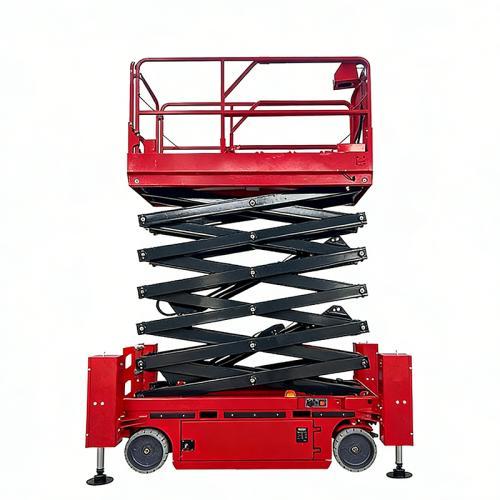
ZGFORKLIFT / MYZG ZG-ZXTP One-Touch Auto-Leveling Scissor Lift
-

MY-CPCY50 Rough Terrain Trucks
