
For companies operating in construction, agriculture, lumber, and other outdoor industries, rough terrain forklifts are indispensable workhorses. These powerful machines navigate challenging environments—from muddy construction sites and rocky landscapes to uneven agricultural fields. However, their performance hinges on one critical component often overlooked: the tires. Unlike standard warehouse forklifts that operate on smooth, paved surfaces, rough terrain models require specialized tires designed to handle diverse and demanding conditions. The right tire choice impacts everything from safety and productivity to fuel efficiency and maintenance costs. This article delves into the three primary types of rough terrain forklift tires—pneumatic, solid, and foam-filled—examining their construction, benefits, limitations, and ideal use cases to help businesses make informed decisions.
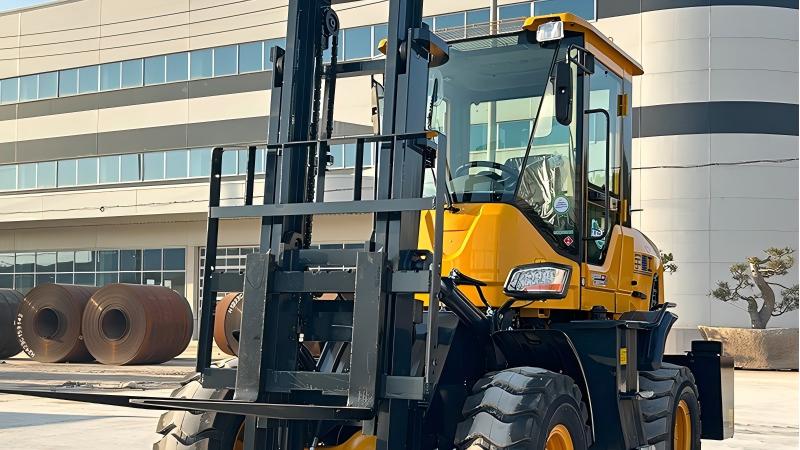
Pneumatic tires are the most common choice for rough terrain applications, closely resembling the tires on cars and trucks. Filled with compressed air, they offer excellent shock absorption, providing a smoother ride for both the operator and the load. This cushioning effect reduces vibration, minimizes equipment wear, and enhances operator comfort during long shifts. The flexible tire casing conforms to uneven surfaces, delivering superior traction in loose soil, gravel, sand, and mud. Additionally, pneumatic tires often feature deep, aggressive tread patterns that improve grip on inclines and slippery terrain. However, their air-filled design makes them susceptible to punctures, cuts, and blowouts, particularly in environments with sharp debris like construction sites or recycling yards. Regular pressure checks and maintenance are essential to prevent flats and ensure optimal performance. Despite this vulnerability, pneumatics remain popular due to their versatility, affordability, and ability to perform well across various outdoor conditions.
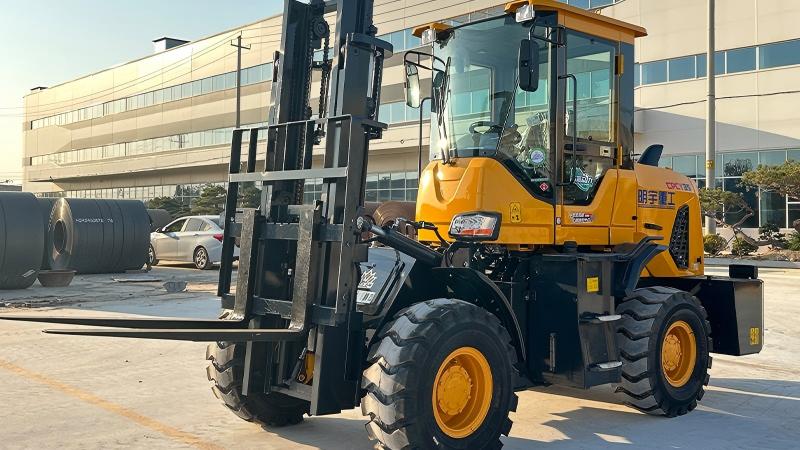
Solid tires, also known as cushion tires, are constructed from dense, solid rubber and contain no air. This design eliminates the risk of punctures entirely, making them ideal for extreme environments where sharp objects are prevalent, such as scrap metal yards, demolition sites, or rocky terrain. Their durability is unmatched—they withstand cuts, abrasions, and extreme wear without requiring inflation or pressure monitoring. This translates to minimal downtime and lower maintenance costs over the tire’s lifespan. However, solid tires lack the cushioning effect of pneumatics, resulting in a rougher ride that can transfer more shock to the forklift’s chassis and the operator. This may lead to increased fatigue and potential long-term equipment stress. Additionally, their traction on loose or wet surfaces can be inferior to pneumatic tires due to less ground conformity. Despite these drawbacks, solid tires excel in applications where flat-proof reliability is non-negotiable and terrain is relatively firm.
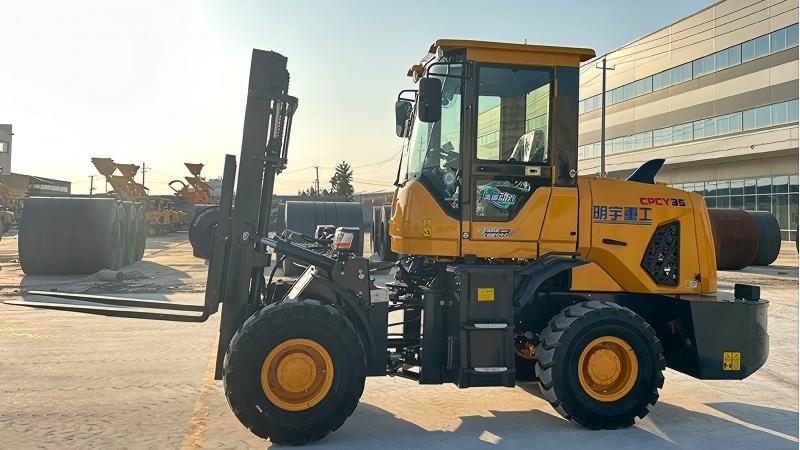
Foam-filled tires offer a hybrid solution, blending aspects of both pneumatic and solid designs. They start as standard pneumatic tires, but the air is replaced with a solid polyurethane foam insert. This process creates a tire that retains the shape and tread pattern of a pneumatic while being nearly impervious to punctures. Foam-filled tires provide better shock absorption than solid tires, though not as much as air-filled pneumatics. They are heavier than pneumatic tires, which can slightly impact fuel efficiency and acceleration, but their durability in harsh conditions makes them a cost-effective choice for many operations. Common applications include industrial yards, ports, and facilities where debris is a constant threat but some level of ride comfort is desired. While more expensive upfront than standard pneumatics, their long service life and reduced downtime often justify the investment. Ultimately, selecting the right tire depends on specific operational needs, environmental factors, and budget considerations, with each type offering distinct advantages for rough terrain challenges.
Post time:Jan.07.2026
