
What Regular Maintenance Schedule Extends an Aerial Platform's Service Life?
1. Introduction
Aerial work platforms (AWPs), including scissor lifts, boom lifts, vertical mast lifts, and trailer-mounted platforms, have become indispensable equipment in construction, warehouse management, facility maintenance, telecommunications, and industrial operations. These machines enable workers to safely access elevated work areas while improving productivity and reducing labor costs. However, like any heavy equipment, an aerial platform's reliability and service life depend heavily on consistent and well-planned maintenance.
Many equipment failures that result in costly repairs or unexpected downtime can be traced back to neglected routine maintenance. Small issues such as low hydraulic oil levels, loose bolts, worn hoses, or poorly maintained batteries may seem insignificant at first, but they can quickly develop into major mechanical failures if left unaddressed. Preventive maintenance not only reduces repair costs but also minimizes downtime, improves operational efficiency, and extends the overall lifespan of the machine.
Safety is another critical reason for maintaining aerial work platforms on a regular schedule. Since operators often work several meters above the ground, any mechanical malfunction can create serious safety risks. Regular inspections help ensure that hydraulic systems, electrical components, emergency lowering systems, guardrails, braking systems, and control functions all remain in proper working condition. Well-maintained equipment also helps companies comply with workplace safety regulations and manufacturer warranty requirements.
A proper maintenance schedule is not limited to annual servicing. Instead, it consists of daily inspections before operation, weekly cleaning and lubrication, monthly system checks, quarterly preventive maintenance, and comprehensive annual servicing. Each maintenance interval focuses on different components and contributes to the long-term reliability of the equipment.
This article provides a complete maintenance schedule for aerial work platforms, covering daily inspections, weekly servicing, monthly maintenance, annual overhauls, and common mistakes to avoid. By following these recommendations, equipment owners and fleet managers can significantly extend service life, reduce operating costs, improve workplace safety, and maximize their return on investment.
2. Daily Pre-Operation Inspection
Daily inspections are the foundation of an effective preventive maintenance program. Spending just 10 to 15 minutes checking the machine before operation can prevent expensive repairs and significantly improve workplace safety.
Operators should begin with a complete visual inspection of the aerial platform. Look for damaged components, cracked welds, loose fasteners, oil leaks, worn hydraulic hoses, damaged electrical cables, and signs of corrosion. Any abnormal condition should be corrected before the machine is placed into service.
The hydraulic system deserves special attention because it powers the lifting mechanism. Check the hydraulic oil level according to the manufacturer's recommendations and inspect hoses, cylinders, fittings, and valves for leakage. Even small hydraulic leaks can gradually reduce lifting performance and eventually damage pumps or cylinders.
For electric aerial platforms, inspect the battery pack, battery terminals, charging connector, and battery indicator. Ensure the batteries are fully charged and that no corrosion is present on the terminals. For diesel-powered machines, check engine oil, coolant, fuel level, belts, and air filters before starting the engine.
Tires or wheels should also be carefully inspected. Pneumatic tires should maintain proper inflation pressure, while solid tires should be checked for excessive wear, cuts, or deformation. Damaged tires affect machine stability and increase the risk of accidents.
The work platform itself must be examined carefully. Guardrails, entrance gates, locking mechanisms, anchor points, and platform flooring should all be secure and free from damage.
Before beginning work, perform a complete functional test. Verify that all controls respond correctly, emergency stop buttons operate properly, emergency lowering systems function normally, alarms sound correctly, steering responds accurately, and lifting movements remain smooth without unusual vibration or noise.
Finally, operators should document inspection results. Maintaining daily inspection records helps identify recurring problems and ensures maintenance schedules remain organized.
3. Weekly Maintenance Tasks
Weekly maintenance goes beyond daily inspections by focusing on cleaning, lubrication, and preventive care that reduce long-term wear.
Begin by thoroughly cleaning the entire aerial platform. Remove dirt, mud, concrete residue, grease, and debris from the chassis, lifting arms, hydraulic cylinders, and platform. Excessive contamination accelerates corrosion and hides developing mechanical problems.
Lubrication is one of the most important weekly maintenance tasks. Apply the recommended grease to pivot pins, hinges, bushings, scissor arm joints, boom articulation points, steering components, and other moving parts according to the manufacturer's lubrication chart. Proper lubrication minimizes friction and extends component life.
Hydraulic hoses should receive a more detailed inspection each week. Check for abrasion, swelling, cracks, loose fittings, and oil seepage. Replace damaged hoses immediately to avoid sudden hydraulic failures.
Electrical systems should also be inspected. Examine wiring harnesses, connectors, switches, sensors, and control panels for looseness, moisture intrusion, damaged insulation, or corrosion. Reliable electrical connections are essential for safe machine operation.
Inspect bolts, nuts, and mounting hardware throughout the machine. Constant vibration during operation can gradually loosen fasteners, reducing structural stability. Tighten all critical fasteners according to manufacturer torque specifications.
Battery maintenance is especially important for electric models. Clean battery terminals, verify electrolyte levels if applicable, inspect battery cables, and ensure charging equipment operates correctly.
At the end of each weekly maintenance session, record completed work, identify worn components, and schedule repairs if necessary. Accurate maintenance records improve fleet management and help predict future service needs.
4. Monthly Maintenance Schedule
Monthly maintenance involves a more detailed inspection of critical mechanical, hydraulic, and electrical systems.
Start with a comprehensive hydraulic system inspection. Examine pumps, motors, cylinders, valves, manifolds, filters, and hydraulic reservoirs for signs of wear or leakage. Measure hydraulic pressure if recommended by the manufacturer to verify proper system performance.
Inspect hydraulic oil quality as well as quantity. Contaminated or degraded hydraulic oil reduces lubrication performance, increases wear, and shortens component life. Replace filters if contamination is detected.
Electric aerial platforms require careful battery maintenance. Verify battery charging efficiency, inspect charging cables, examine battery management systems, and confirm that cooling systems operate properly. For lead-acid batteries, check electrolyte levels and top up with distilled water when necessary.
For diesel-powered machines, inspect the engine air intake system, fuel filters, cooling system, belts, radiator, and exhaust components. Replace filters whenever recommended by the maintenance schedule.
Brake systems should also be inspected monthly. Verify parking brake operation, service brake effectiveness, brake fluid levels where applicable, and inspect brake components for wear.
Evaluate steering performance, drive motors, wheel bearings, axles, and transmission components. Any abnormal noise, vibration, or excessive play should be investigated immediately.
Inspect the lifting structure carefully, including scissor arms, boom sections, mast assemblies, pivot points, pins, and structural welds. Even small cracks can grow rapidly under repeated loading cycles.
Many modern aerial platforms include electronic diagnostic systems. Monthly diagnostic scans can identify hidden fault codes, software issues, sensor calibration problems, or communication errors before they affect machine performance.
5. Quarterly and Semi-Annual Maintenance
Every three to six months, aerial work platforms should receive more comprehensive preventive maintenance performed by qualified technicians.
Hydraulic filters should be replaced according to manufacturer recommendations. Clean hydraulic oil extends the service life of pumps, valves, cylinders, and motors while maintaining efficient system performance.
Inspect hydraulic cylinders carefully for scoring, corrosion, bent rods, damaged seals, and oil leakage. Worn seals should be replaced promptly to prevent pressure loss and contamination.
The machine's structural integrity should also receive careful attention. Inspect welds, chassis members, platform supports, boom sections, scissor arms, and mounting points for cracks, corrosion, or deformation.
Electric drive motors or diesel engines require scheduled servicing during this interval. Diesel engines may require engine oil changes, fuel filter replacement, coolant inspection, and valve adjustments depending on operating hours. Electric motors should be inspected for overheating, bearing wear, cooling performance, and electrical insulation condition.
Perform a complete inspection of all safety systems, including overload protection devices, tilt sensors, emergency descent systems, limit switches, safety interlocks, warning alarms, platform gates, and operator controls.
Professional technicians should also verify software updates, calibration settings, hydraulic pressures, and manufacturer service bulletins to ensure the machine continues operating according to factory specifications.
6. Annual Preventive Maintenance
Annual maintenance is the most comprehensive service interval and is essential for maximizing equipment lifespan.
The entire machine should undergo a complete inspection covering structural components, hydraulic systems, electrical systems, drive systems, steering, braking, safety equipment, and operator controls. Components approaching the end of their service life should be replaced before failure occurs.
Hydraulic oil should be replaced according to the manufacturer's maintenance schedule. Fresh hydraulic oil improves lubrication, cooling, corrosion protection, and hydraulic efficiency while reducing internal wear.
Diesel aerial platforms require annual engine servicing, including engine oil replacement, oil filter replacement, fuel filter replacement, coolant inspection, air filter replacement, and inspection of belts and hoses.
Electric aerial platforms require battery capacity testing. Measuring actual battery capacity helps determine remaining service life and identify batteries that should be replaced before they begin affecting machine productivity.
Safety sensors, overload monitoring systems, tilt sensors, and electronic control systems should all be calibrated according to manufacturer procedures. Accurate calibration ensures safe operation under all working conditions.
Load testing should be performed to verify that the aerial platform safely lifts its rated capacity without abnormal deflection or hydraulic pressure loss. Many regions require annual inspection and certification to comply with workplace safety regulations.
Finally, review the entire maintenance history for the machine. Identifying recurring problems allows maintenance managers to address root causes rather than repeatedly repairing the same components. A well-documented maintenance program not only extends equipment life but also improves resale value and reduces total ownership costs.
7. Maintenance Tips for Different Types of Aerial Platforms
Different types of aerial work platforms have unique maintenance requirements because of their specific designs and operating environments. Understanding these differences helps owners develop more effective maintenance programs.
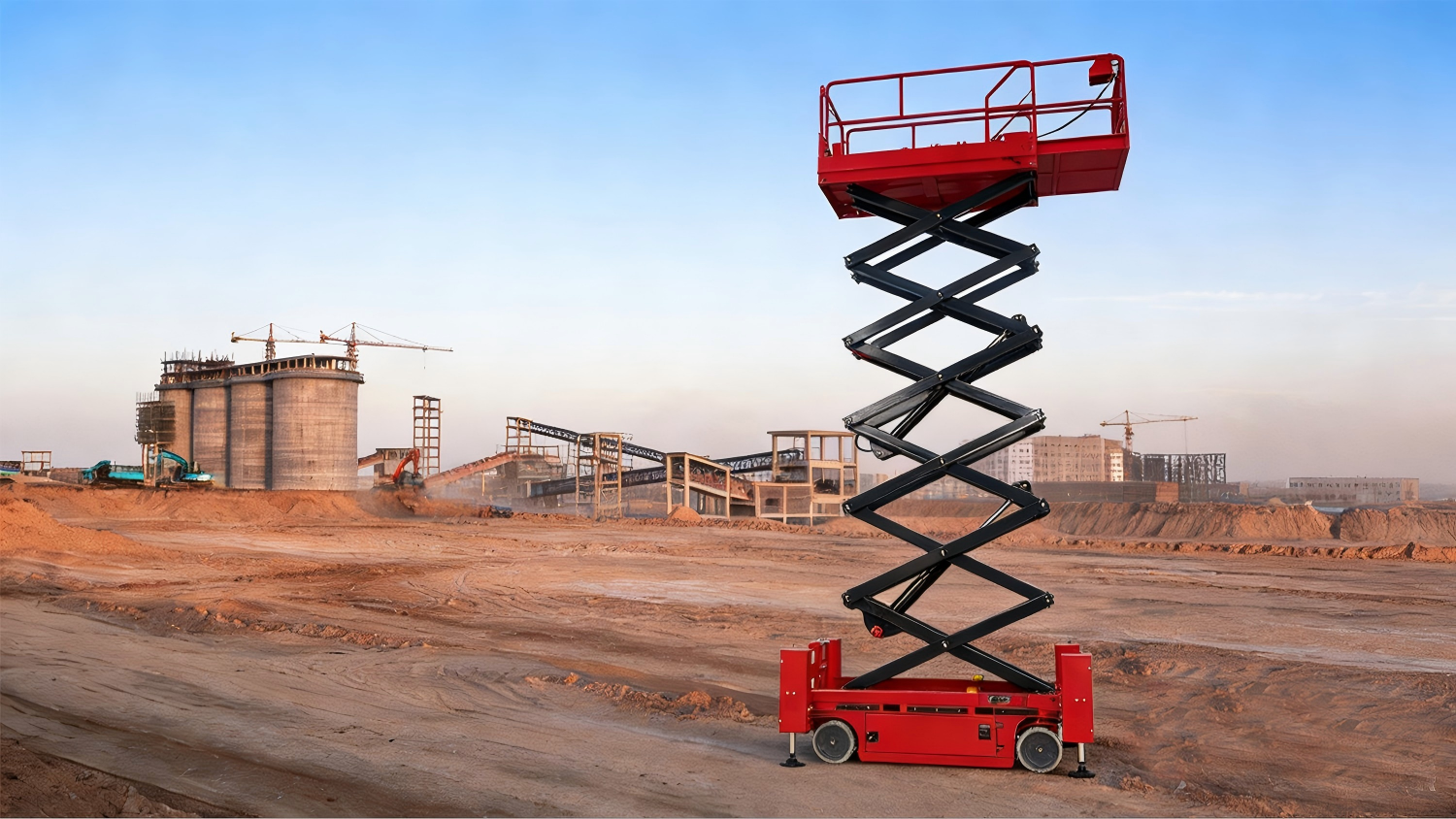
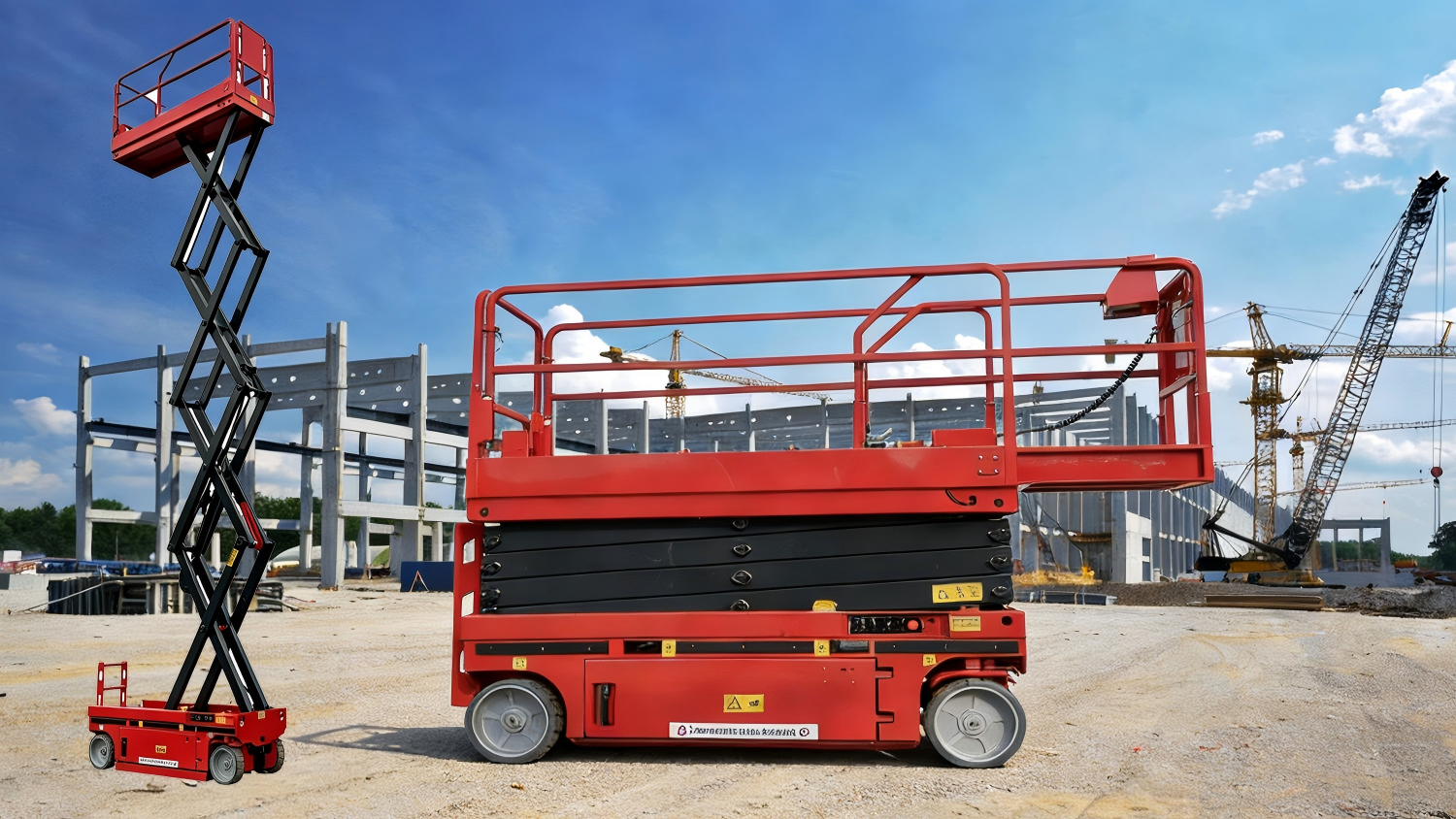
Scissor lifts require frequent inspection of scissor arm pivot points, rollers, slide pads, and lifting cylinders. Because these machines rely on multiple interconnected arms, proper lubrication is essential to minimize friction and wear. Operators should also inspect platform extension decks, pothole protection systems, and guardrails regularly.
Boom lifts have more complex hydraulic and articulation systems. Routine maintenance should include checking boom sections, telescopic mechanisms, pivot pins, swing bearings, hydraulic hoses, and turntable components. Since boom lifts often operate at greater heights, inspecting fall protection anchor points and platform leveling systems is particularly important.
Vertical mast lifts use compact lifting masts with guide rollers and sliding rails. Maintenance should focus on keeping mast rails clean, properly lubricated, and free of debris. Guide rollers, lifting chains (if equipped), and mast alignment should also be inspected regularly to ensure smooth vertical movement.
Trailer-mounted aerial platforms require additional attention to towing components. Tires, wheel bearings, suspension systems, towing hitches, safety chains, outriggers, stabilizers, and trailer lighting systems should all be inspected before transport. Proper maintenance of these components ensures safe highway travel as well as stable operation on the job site.
Maintenance requirements also differ between electric and diesel aerial platforms. Electric models require regular battery charging, battery cooling system inspections, electrical connector cleaning, and battery management system monitoring. Diesel machines require engine servicing, fuel system maintenance, exhaust inspections, and cooling system checks.
Operating environment also influences maintenance frequency. Machines used indoors generally experience less contamination and corrosion, while outdoor equipment operating in rain, mud, dust, snow, or coastal environments requires more frequent cleaning, lubrication, and corrosion protection. Construction sites with concrete dust or abrasive materials may also accelerate wear on hydraulic seals, moving joints, and electrical components.
By tailoring maintenance schedules to the specific type of aerial platform and its working conditions, owners can maximize equipment reliability and significantly extend service life.
8. Common Maintenance Mistakes That Reduce Service Life
Many aerial platform failures are not caused by manufacturing defects but by improper maintenance practices. Avoiding these common mistakes can greatly improve equipment reliability and reduce repair costs.
One of the most common mistakes is ignoring small hydraulic leaks. Minor oil seepage may appear harmless, but it often indicates worn seals or damaged hoses. If left unrepaired, small leaks can lead to pressure loss, contamination, overheating, and eventually complete hydraulic system failure.
Another frequent problem is insufficient lubrication. Pivot pins, bushings, rollers, and articulation joints operate under heavy loads. Without proper lubrication, friction increases rapidly, accelerating wear and potentially causing expensive structural damage.
Overloading the platform is another major cause of premature wear. Exceeding the rated load places excessive stress on hydraulic cylinders, structural welds, drive systems, and lifting mechanisms. Repeated overloading shortens the service life of many critical components and increases safety risks.
Using incorrect hydraulic oil, lubricants, or replacement parts can also damage equipment. Fluids with improper viscosity or incompatible additives may reduce hydraulic efficiency, while low-quality replacement parts often wear out more quickly and may affect overall machine performance.
For electric aerial platforms, poor battery charging habits significantly reduce battery lifespan. Frequently allowing batteries to become fully discharged, using incompatible chargers, interrupting charging cycles, or exposing batteries to extreme temperatures can shorten battery life and reduce operating time.
Many owners also skip scheduled preventive maintenance because the machine appears to be operating normally. Unfortunately, many developing mechanical problems cannot be detected without detailed inspections. Delaying maintenance often transforms inexpensive preventive repairs into costly component replacements.
Finally, poor maintenance documentation is another overlooked issue. Without accurate service records, it becomes difficult to track component life, identify recurring failures, or schedule preventive maintenance effectively. Well-maintained service records improve fleet management and help maximize equipment availability.
9. Conclusion
Regular maintenance is the most effective way to extend the service life of any aerial work platform. Rather than viewing maintenance as an expense, equipment owners should consider it a long-term investment that reduces operating costs, improves safety, and protects equipment value.
A complete preventive maintenance program begins with daily inspections, continues through weekly cleaning and lubrication, monthly system evaluations, quarterly preventive servicing, and comprehensive annual maintenance. Each maintenance interval focuses on different machine components and helps identify potential problems before they develop into costly failures.
Following the manufacturer's recommended maintenance schedule ensures that hydraulic systems, electrical components, structural assemblies, safety devices, and drive systems continue operating at peak performance. Routine inspections also help companies comply with workplace safety regulations while reducing the likelihood of unexpected breakdowns and expensive emergency repairs.
Proper maintenance not only extends equipment lifespan but also improves productivity. Machines that receive consistent preventive care experience less downtime, maintain higher resale value, and provide more reliable performance throughout their operating life. This is especially important for rental fleets and construction companies where equipment availability directly affects project schedules and profitability.
Operator training is equally important. Even the best maintenance program cannot compensate for improper machine operation. Teaching operators to perform daily inspections, recognize early warning signs, report abnormalities promptly, and follow correct operating procedures greatly contributes to equipment longevity.
As aerial work platforms continue to incorporate advanced electronic controls, lithium battery technology, intelligent diagnostics, and telematics systems, preventive maintenance will become even more data-driven and efficient. Fleet managers who embrace proactive maintenance strategies today will benefit from lower operating costs, improved safety, and longer equipment service life in the years ahead.
Ultimately, a well-maintained aerial work platform is not only safer and more reliable but also delivers the highest return on investment. By combining regular inspections, timely servicing, proper operator training, and strict adherence to manufacturer recommendations, businesses can maximize equipment performance while significantly extending the useful life of their aerial work platforms.
Post time:Jul.06.2026
