
Are Electric Wheel Loaders More Fuel-Efficient Than Diesel Models?
1. Introduction
The construction industry is undergoing a significant transformation as companies seek equipment that delivers higher productivity while reducing operating costs and environmental impact. Among the many innovations reshaping the market, electric wheel loaders have emerged as a promising alternative to traditional diesel-powered models. With advancements in battery technology, electric motors, and charging infrastructure, more contractors are considering whether switching to electric machinery can improve efficiency and lower long-term expenses.
Fuel consumption has always been one of the largest operating costs for wheel loader owners. Diesel-powered machines require continuous fuel purchases, regular engine maintenance, and compliance with increasingly strict emissions regulations. Rising fuel prices and growing environmental concerns have encouraged manufacturers to develop electric wheel loaders capable of performing many of the same tasks without consuming fossil fuels.
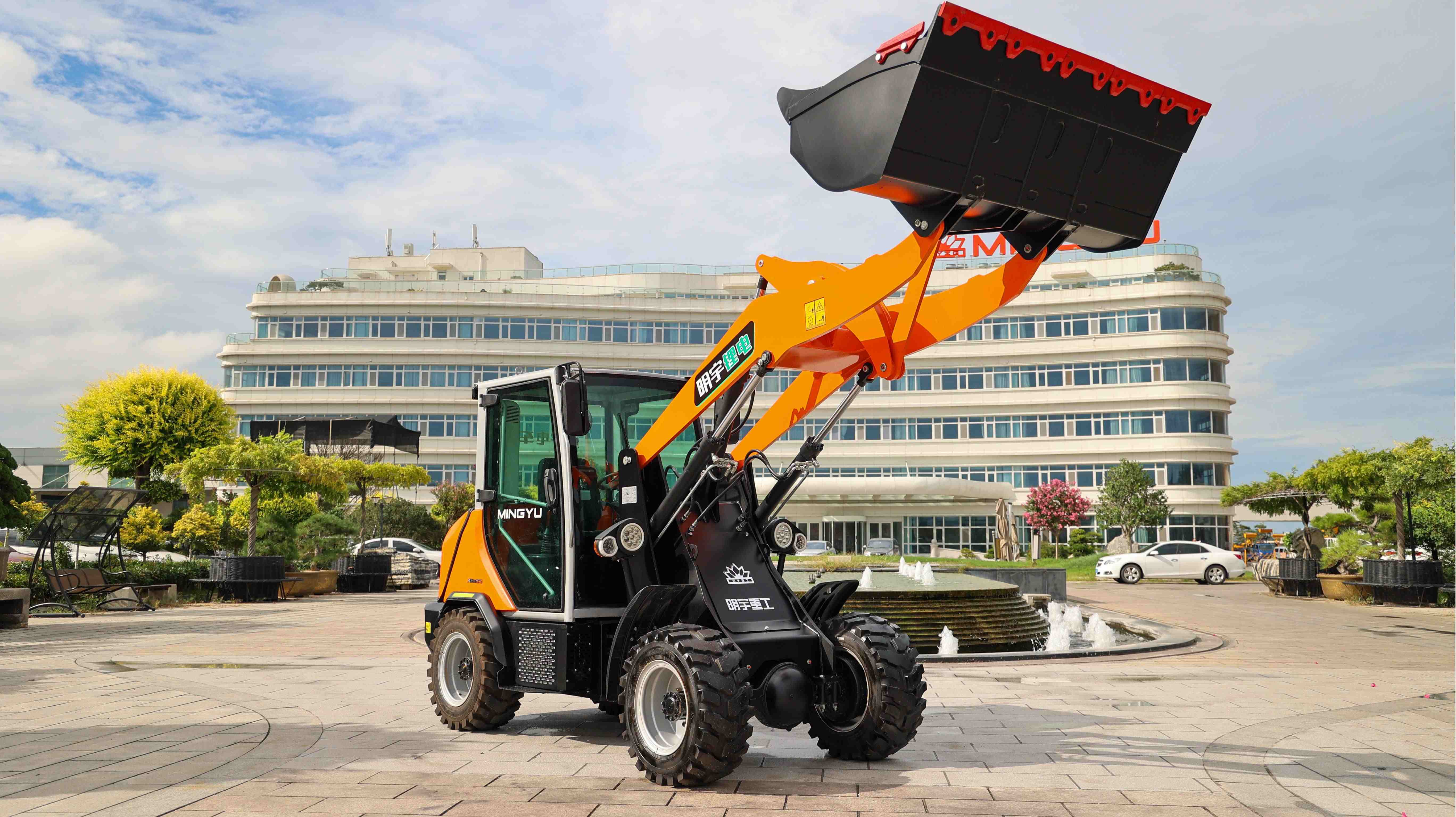
Electric wheel loaders replace the internal combustion engine with high-efficiency electric motors powered by lithium-ion battery packs. Instead of burning diesel fuel, these machines use stored electrical energy to drive the wheels and hydraulic systems. Because electric motors convert a much larger percentage of energy into useful work than diesel engines, they can significantly reduce energy waste and operating costs under suitable working conditions.
However, fuel efficiency is only one aspect of equipment selection. Contractors must also evaluate productivity, battery runtime, charging time, maintenance requirements, purchase price, and the availability of charging infrastructure. While electric wheel loaders excel in many applications such as indoor warehouses, municipal projects, ports, recycling facilities, and environmentally sensitive construction sites, diesel models continue to dominate heavy-duty operations requiring long working hours and quick refueling.
This article provides a detailed comparison between electric and diesel wheel loaders, examining their energy efficiency, operating costs, maintenance needs, environmental performance, and overall value. By understanding the strengths and limitations of both technologies, fleet managers and construction professionals can make informed purchasing decisions that best suit their operational requirements.
2. How Electric and Diesel Wheel Loaders Work
Although electric and diesel wheel loaders perform the same basic tasks—loading, transporting, lifting, and dumping materials—their power systems operate in fundamentally different ways. Understanding these differences helps explain why their energy efficiency, maintenance requirements, and operating costs vary so significantly.
A diesel wheel loader uses an internal combustion engine to generate mechanical power. The engine burns diesel fuel, producing energy that drives the transmission and hydraulic pumps. Because multiple mechanical components are involved, some energy is inevitably lost through heat, friction, and exhaust gases. Diesel engines generally convert only 35–45% of the fuel's energy into useful work, with the remaining energy dissipated as waste.
An electric wheel loader replaces the diesel engine with one or more electric motors powered by a high-capacity lithium-ion battery pack. Electricity stored in the battery is converted directly into mechanical motion with far fewer moving parts. Modern electric motors typically achieve energy conversion efficiencies exceeding 90%, meaning much less energy is wasted during operation.
Hydraulic systems also differ. Diesel loaders often rely on engine-driven hydraulic pumps that operate continuously, even when hydraulic power demand is low. Electric loaders can use variable-speed electric hydraulic pumps that produce hydraulic flow only when needed, reducing unnecessary energy consumption and improving overall efficiency.
Another advantage of electric drive systems is regenerative braking. During deceleration, some of the machine's kinetic energy is converted back into electricity and stored in the battery, extending operating time and improving overall energy utilization. Diesel machines cannot recover this energy, making them less efficient in applications involving frequent stopping and starting.
These engineering differences form the foundation for the performance and cost comparisons discussed throughout the rest of this article.
3. Comparing Energy Consumption
Energy consumption is one of the most important factors when comparing electric and diesel wheel loaders. While diesel machines measure consumption in liters or gallons per hour, electric loaders use kilowatt-hours (kWh). Although these units differ, comparing their operating costs provides a clear picture of overall efficiency.
A medium-sized diesel wheel loader typically consumes between 8 and 18 liters of diesel per operating hour, depending on machine size, workload, terrain, and operator habits. Heavy-duty applications such as quarry operations or continuous truck loading can increase fuel consumption even further.
Electric wheel loaders generally consume between 15 and 40 kWh of electricity per hour under similar working conditions. Since electricity prices are usually much lower than diesel fuel prices in many regions, the hourly operating cost can be significantly reduced.
Under light-duty applications such as landscaping, warehouse operations, municipal maintenance, or recycling centers, electric wheel loaders often consume considerably less energy because the electric motor only draws power when required. Frequent idle periods have minimal impact on electricity usage, whereas diesel engines continue burning fuel even while idling.
In medium-duty construction work, electric loaders continue to demonstrate impressive efficiency due to their responsive electric drivetrains and optimized hydraulic systems. Energy savings of 40–70% compared with diesel machines are common, depending on local electricity and fuel prices.
For extremely heavy-duty mining or continuous high-load operations, however, battery consumption rises significantly. In these situations, diesel machines may still maintain longer uninterrupted operating periods because refueling requires only a few minutes, while battery charging takes considerably longer.
Overall, electric wheel loaders convert energy into useful work far more efficiently than diesel machines, making them an attractive choice for many daily construction and industrial applications.
4. Fuel and Operating Cost Analysis
Operating cost extends beyond energy consumption alone. Fuel prices, electricity rates, maintenance expenses, and equipment utilization all contribute to the total cost of ownership.
Diesel prices fluctuate frequently due to global oil markets, geopolitical events, and regional taxes. Unexpected increases in fuel prices can significantly impact construction project budgets, especially for fleets operating multiple machines.
Electricity prices are generally more stable and predictable. Companies that charge equipment overnight during off-peak hours can often achieve even lower energy costs. Businesses equipped with solar panels or renewable energy systems may reduce charging expenses further.
When comparing hourly operating costs, electric wheel loaders often require only one-third to one-half the energy cost of equivalent diesel models. Over thousands of operating hours each year, these savings can become substantial.
For example, a contractor operating a wheel loader for 2,000 hours annually may save thousands of dollars each year on fuel alone by switching to an electric model, depending on local fuel and electricity prices.
Return on investment depends on machine utilization. Companies with high annual operating hours generally recover the higher purchase price of electric loaders more quickly because energy savings accumulate faster. Lower maintenance costs further improve the financial advantage.
However, businesses with infrequent equipment usage may require a longer payback period, making diesel machines a more economical choice in certain situations.
5. Productivity and Performance Comparison
Fuel efficiency is valuable only if productivity remains competitive. Fortunately, modern electric wheel loaders have made remarkable progress in matching diesel performance.
Electric motors deliver maximum torque instantly from zero speed. This immediate torque provides smooth acceleration and excellent breakout force during loading operations. Operators often notice faster machine response and more precise control compared with diesel-powered equipment.
Hydraulic performance has also improved significantly. Advanced electric hydraulic systems provide rapid lifting, bucket control, and steering while consuming only the energy required for each movement. This increases efficiency without sacrificing productivity.
Noise reduction is another major advantage. Electric wheel loaders operate much more quietly, making them ideal for residential construction sites, indoor facilities, airports, hospitals, and nighttime projects where noise restrictions apply.
Battery runtime varies depending on machine size and workload. Many modern electric wheel loaders can operate between six and ten hours on a single charge under normal working conditions. Fast-charging technology allows partial battery charging during lunch breaks or shift changes to extend operating time.
Diesel machines still maintain an advantage for continuous 24-hour operations because refueling takes only a few minutes. Construction projects without charging infrastructure may also find diesel equipment more practical.
Temperature can influence performance as well. Extremely cold weather may reduce battery efficiency and charging speed, while diesel engines can experience cold-start difficulties. Modern battery thermal management systems continue to improve electric machine performance in challenging climates.
Overall, productivity differences between electric and diesel loaders continue to narrow as battery and motor technologies advance.
6. Maintenance Requirements and Long-Term Savings
Maintenance represents another area where electric wheel loaders offer considerable advantages.
Diesel engines contain hundreds of moving parts requiring regular servicing. Operators must perform engine oil changes, fuel filter replacements, air filter maintenance, coolant servicing, transmission inspections, exhaust after-treatment maintenance, and periodic engine repairs.
Electric drivetrains eliminate many of these components entirely. There is no engine oil, fuel injection system, turbocharger, exhaust system, diesel particulate filter, or selective catalytic reduction system requiring maintenance.
Because electric motors have relatively few moving parts, routine maintenance primarily focuses on hydraulic oil, cooling systems, tires, brakes, and electrical inspections. This significantly reduces maintenance labor and replacement parts.
Downtime is also reduced because fewer mechanical failures occur. Increased equipment availability directly improves fleet productivity and project scheduling.
Battery lifespan remains an important consideration. Modern lithium-ion batteries typically last between 3,000 and 5,000 charging cycles, which can represent many years of normal construction use. Manufacturers continue extending battery life through improved thermal management and battery management software.
Although battery replacement is expensive, many owners recover this cost through years of reduced fuel and maintenance expenses. As battery prices continue declining, the economic advantage of electric loaders becomes even stronger.
7. Environmental Benefits and Workplace Advantages
Environmental regulations are becoming stricter worldwide, making electric construction equipment increasingly attractive.
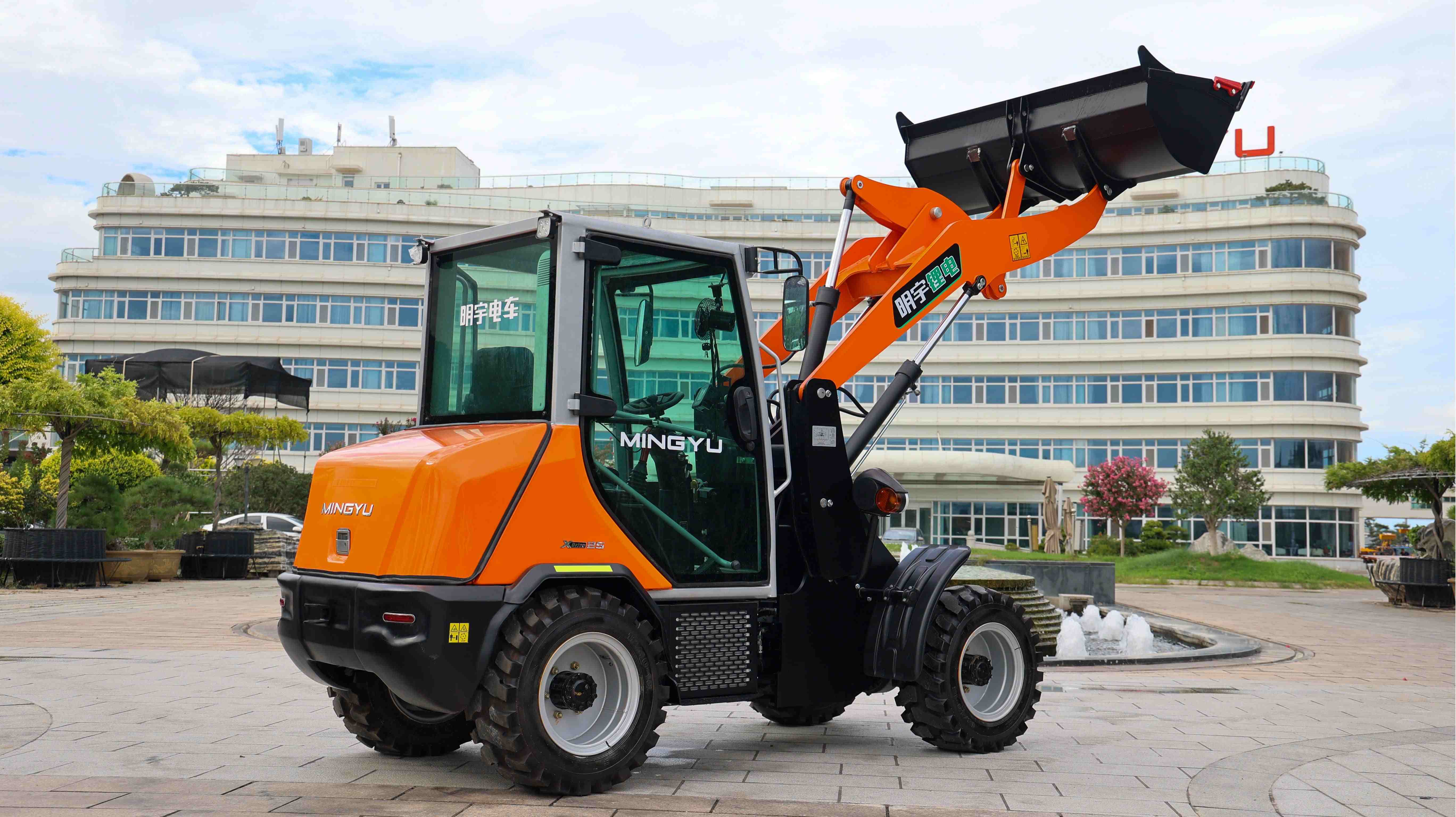
Electric wheel loaders produce zero tailpipe emissions during operation. This eliminates nitrogen oxides (NOx), particulate matter (PM), carbon monoxide, and carbon dioxide emissions at the job site, helping improve local air quality.
Reduced emissions are particularly valuable for indoor construction, warehouses, tunnels, ports, recycling facilities, food processing plants, and environmentally sensitive projects where diesel exhaust presents health or regulatory challenges.
Noise reduction provides additional workplace benefits. Electric loaders operate much more quietly, reducing operator fatigue and allowing work during nighttime or in densely populated urban areas where noise restrictions may apply.
Electric equipment also contributes to corporate sustainability goals. Many contractors now prioritize low-carbon equipment to satisfy government regulations, green building certifications, and customer expectations.
If electricity is generated from renewable sources such as solar, wind, or hydroelectric power, the overall carbon footprint of electric wheel loaders becomes even lower.
As governments continue promoting clean energy technologies through incentives and emissions regulations, electric construction equipment is expected to become increasingly common across many industries.
8. Choosing the Right Wheel Loader for Your Business
Selecting between electric and diesel wheel loaders depends on several operational factors.
Electric wheel loaders are ideal for businesses operating predictable daily schedules with access to reliable charging infrastructure. Industries such as municipal maintenance, landscaping, recycling, ports, agriculture, warehouses, and indoor construction often benefit most from electric equipment.
Companies seeking lower operating costs, quieter operation, and reduced environmental impact may find electric loaders an excellent long-term investment.
Diesel wheel loaders remain preferable for remote construction sites lacking electrical infrastructure, heavy quarry operations, mining, forestry, and projects requiring continuous multi-shift operation without extended charging periods.
Before purchasing, buyers should carefully evaluate daily operating hours, average workload, charging availability, electricity prices, fuel costs, maintenance resources, environmental regulations, and expected equipment lifespan.
Rather than focusing solely on purchase price, contractors should calculate the total cost of ownership, including fuel or electricity, maintenance, downtime, resale value, and productivity. This comprehensive analysis often reveals that the lowest initial price does not always result in the lowest long-term operating cost.
9. Conclusion
Electric wheel loaders have demonstrated impressive improvements in energy efficiency, operating costs, maintenance requirements, and environmental performance. Thanks to highly efficient electric motors, regenerative braking, and intelligent hydraulic systems, they often consume significantly less energy than comparable diesel models while delivering competitive productivity.
For businesses operating in urban environments, indoor facilities, recycling centers, ports, and municipal projects, electric wheel loaders can substantially reduce fuel expenses, maintenance costs, and emissions while providing quieter and cleaner operation.
However, diesel wheel loaders continue to offer advantages for heavy-duty applications requiring extended operating hours, rapid refueling, and remote job sites without reliable charging infrastructure. Their proven durability and operational flexibility ensure they remain an important part of the construction industry.
As battery technology, charging infrastructure, and renewable energy continue advancing, electric wheel loaders are expected to capture a growing share of the global equipment market. For many contractors, the decision is no longer whether electric machines are capable enough, but whether their operating environment is ready to maximize the benefits these advanced machines provide.
Ultimately, the most fuel-efficient choice depends on your specific workload, operating conditions, and long-term business goals. By carefully evaluating total ownership costs rather than simply comparing purchase prices, buyers can select the wheel loader that delivers the greatest value and efficiency over its entire service life.
Post time:Jul.06.2026
