
What Is the Typical Lifespan (Operating Hours) of a Wheel Loader?
1. Introduction
Wheel loaders are essential machines in industries such as construction, mining, agriculture, and material handling. Known for their versatility, power, and efficiency, these machines are widely used for loading, transporting, and stockpiling materials. One of the most common questions among equipment buyers and fleet managers is: how long does a wheel loader last? Understanding the typical lifespan of a wheel loader—measured in operating hours rather than years—is critical for making informed investment decisions, planning maintenance schedules, and maximizing return on investment. While some machines may last only a few thousand hours under poor conditions, others can exceed 20,000 hours with proper care. This article explores the average lifespan of wheel loaders, the factors that influence longevity, and practical ways to extend their service life.
2. What Is Meant by Wheel Loader Lifespan?
The lifespan of a wheel loader is typically defined in terms of operating hours rather than calendar years. This is because heavy equipment usage varies significantly depending on workload, environment, and maintenance practices. Two important concepts help define lifespan: technical lifespan and economic lifespan. The technical lifespan refers to how long the machine can physically operate before it becomes unusable, while the economic lifespan considers when it is no longer cost-effective to maintain the machine due to rising repair costs and declining performance. For example, a loader may still function at 18,000 hours, but if maintenance costs exceed its productivity value, it is considered to have reached the end of its economic life. Therefore, operating hours provide a more accurate and standardized measure across the industry.
3. Typical Operating Hours of a Wheel Loader
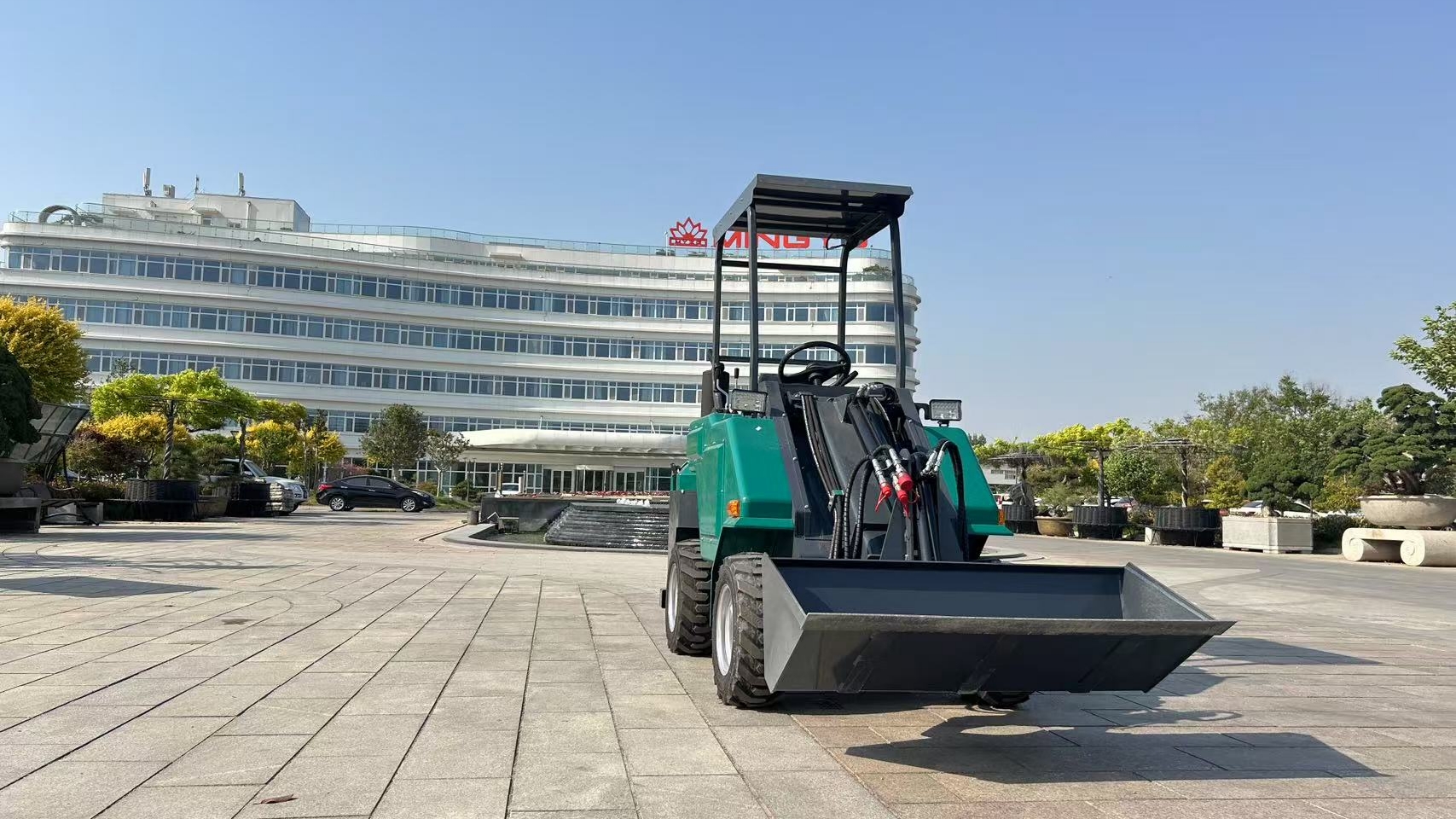
On average, the lifespan of a wheel loader varies depending on its size and application. Small wheel loaders typically last between 8,000 and 12,000 operating hours, while medium-sized machines can reach 10,000 to 15,000 hours. Large wheel loaders, especially those used in mining, often exceed 20,000 hours when properly maintained. In some cases, well-maintained machines have been reported to operate beyond 25,000 hours. However, these figures are not guaranteed and depend heavily on usage conditions. A loader used in light agricultural work will generally last longer than one operating in harsh mining environments. Additionally, premium brands and high-quality components often contribute to longer service life, though maintenance remains the most critical factor.
4. Key Factors That Affect Lifespan
Several factors significantly influence how long a wheel loader will last. First, maintenance practices play a crucial role—machines that receive regular servicing, oil changes, and inspections tend to last much longer. Second, operating conditions such as extreme temperatures, dust, mud, and rough terrain can accelerate wear and tear. Third, operator skill is often underestimated; improper handling, aggressive driving, and overloading can reduce lifespan dramatically. Fourth, the duty cycle and workload intensity also matter—continuous heavy-duty operation leads to faster component fatigue. Finally, machine quality and manufacturing standards determine baseline durability. A well-built loader operated under moderate conditions with proper maintenance can easily outlast a poorly maintained machine by thousands of hours.
5. The Importance of Preventive Maintenance
Preventive maintenance is the single most effective way to extend the lifespan of a wheel loader. Routine servicing includes engine oil changes, hydraulic fluid replacement, air and fuel filter checks, and proper lubrication of moving parts. Scheduled inspections help identify potential issues before they turn into costly failures. Using high-quality or OEM parts ensures compatibility and durability, reducing the risk of premature breakdowns. Maintenance records also play an important role, especially for resale value and fleet management. Modern telematics systems can monitor machine health in real time, alerting operators to abnormal conditions. By following a strict preventive maintenance program, operators can extend machine life by several thousand operating hours.
6. Signs a Wheel Loader Is Nearing the End of Its Lifespan
As a wheel loader approaches the end of its service life, several warning signs begin to appear. Frequent breakdowns and increasing repair costs are among the most obvious indicators. Engine performance may decline, resulting in reduced power and higher fuel consumption. Hydraulic systems may develop leaks or lose efficiency, affecting lifting and loading capabilities. Structural issues such as cracks in the frame or excessive bucket wear can compromise safety and performance. Additionally, increased downtime can disrupt operations and reduce productivity. When these issues become persistent, it may indicate that the machine has reached or exceeded its economic lifespan.
7. Rebuild vs. Replace: Making the Right Choice
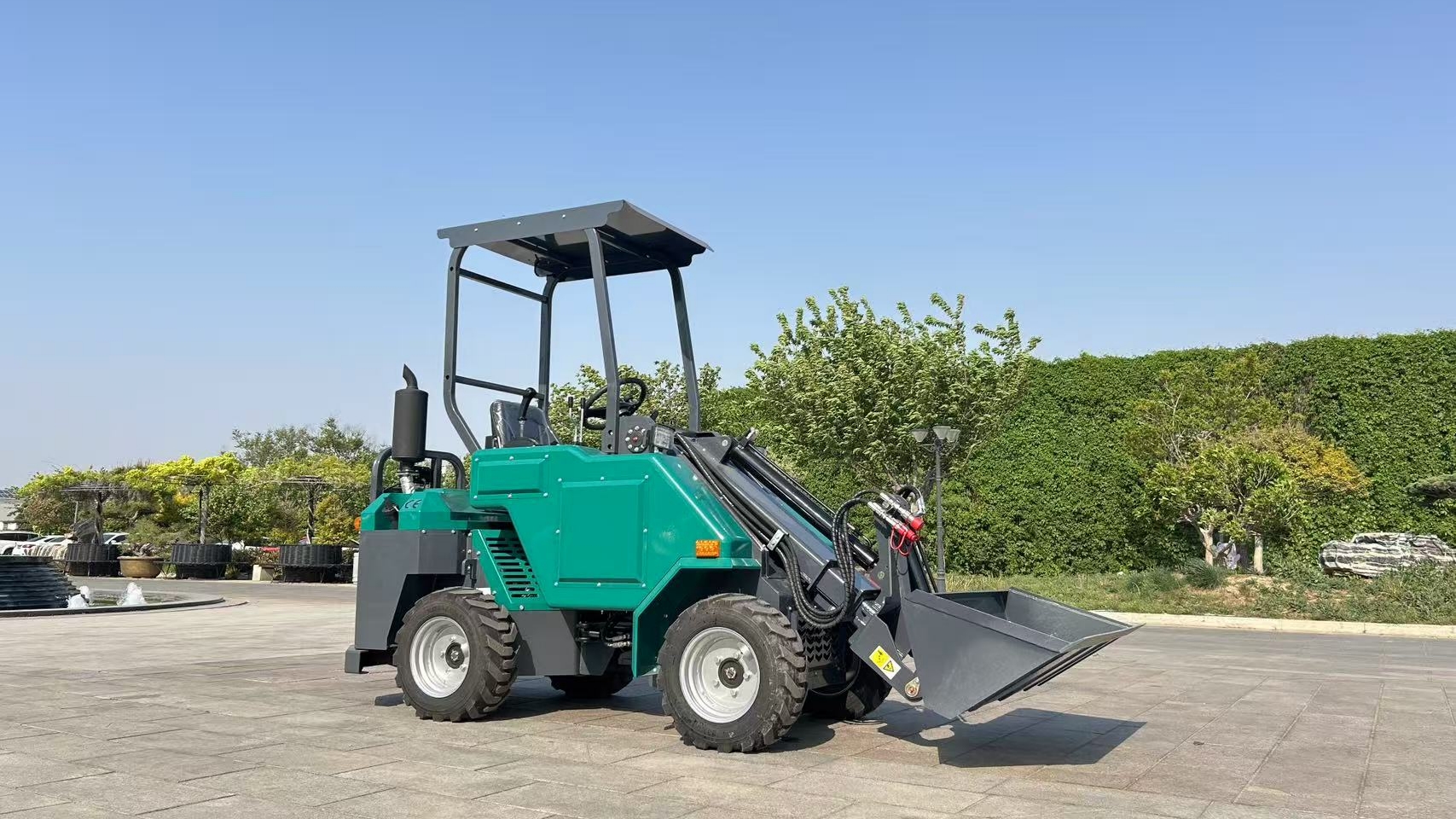
When a wheel loader nears the end of its lifespan, owners must decide whether to rebuild or replace the machine. Rebuilding involves overhauling major components such as the engine, transmission, and hydraulic system. This option can be cost-effective if the machine’s frame and structure are still in good condition. Rebuilding can extend the machine’s life by several thousand hours at a lower cost than purchasing new equipment. However, if multiple systems are failing or the machine is outdated, replacement may be the better option. Fleet managers often evaluate total cost of ownership, including downtime, repair expenses, and productivity, to make the best decision.
8. How to Extend the Lifespan of a Wheel Loader
Extending the lifespan of a wheel loader requires a combination of proper operation and consistent maintenance. Operators should follow correct startup and shutdown procedures to protect the engine and hydraulic systems. Avoiding overloading and operating within the machine’s rated capacity reduces stress on components. Regular cleaning helps prevent dirt and debris from damaging internal systems. Operator training is also essential, as skilled operators can significantly reduce wear and tear. Additionally, using monitoring systems to track performance and detect issues early can prevent major failures. These practices collectively help maximize the machine’s operational life and efficiency.
9. Conclusion
In conclusion, the typical lifespan of a wheel loader ranges from 8,000 to over 20,000 operating hours, depending on size, usage, and maintenance practices. While these machines are built for durability, their longevity ultimately depends on how they are operated and maintained. Preventive maintenance, skilled operation, and proper workload management are key to extending service life. Understanding the difference between technical and economic lifespan also helps equipment owners make smarter decisions about repair, rebuild, or replacement. By investing in proper care and management, a wheel loader can deliver reliable performance and strong return on investment for many years.
Post time:Mar.19.2026
