
What Is the Average Fuel Consumption Per Hour for a Diesel Wheel Loader?
1. Introduction
Fuel consumption is one of the most important operating costs for any diesel wheel loader. Whether the machine is used in construction, agriculture, mining, landscaping, or material handling, diesel expenses can account for a significant portion of the total ownership cost. Understanding how much fuel a wheel loader consumes per hour helps contractors, fleet managers, and equipment owners estimate operating budgets, improve job site efficiency, and make better purchasing decisions.
Unlike passenger vehicles, wheel loaders operate under constantly changing working conditions. Factors such as engine size, bucket capacity, hydraulic demand, operator habits, terrain, and load weight all influence hourly fuel consumption. As a result, there is no single fuel consumption figure that applies to every machine or every job. A compact wheel loader performing light landscaping work will consume far less fuel than a large loader continuously loading rock in a quarry.
Modern diesel wheel loaders have become much more fuel-efficient thanks to advanced engine technologies, electronically controlled fuel injection, load-sensing hydraulic systems, and intelligent power management. These improvements allow operators to complete more work while consuming less fuel, reducing both operating costs and environmental impact.
This article explains the average hourly fuel consumption for different sizes of diesel wheel loaders, the key factors that affect fuel usage, practical methods to reduce fuel consumption, and how to calculate fuel costs accurately. Whether you are planning to purchase a new loader or looking to improve the efficiency of your existing equipment, this guide provides valuable insights for maximizing productivity while minimizing fuel expenses.
2. Understanding Fuel Consumption in Diesel Wheel Loaders
Fuel consumption refers to the amount of diesel fuel an engine uses during operation, typically measured in liters per hour (L/h) or gallons per hour (GPH). Unlike fuel economy in passenger cars, which is measured by distance traveled, wheel loaders are generally evaluated based on hourly fuel usage because they often operate within a limited work area rather than traveling long distances.
Manufacturers usually provide estimated fuel consumption values obtained under standardized testing conditions. Actual fuel consumption may vary considerably depending on engine load, operator behavior, environmental conditions, and maintenance quality.
What Is Fuel Consumption Per Hour?
Hourly fuel consumption represents the average amount of diesel burned during one hour of operation. It includes fuel used during loading, transporting, lifting, and idling.
For example, a compact wheel loader may consume approximately 3 to 5 liters per hour under light-duty applications, while a larger mining loader may consume more than 30 liters per hour during continuous heavy-duty operation.
How Fuel Consumption Is Measured
Several factors are considered when measuring fuel consumption:
Engine load percentage
Rated engine power
Hydraulic demand
Working cycle duration
Idle time
Electronic fuel monitoring systems
Modern wheel loaders often include onboard telematics systems that continuously record fuel usage, allowing fleet managers to monitor operating efficiency in real time.
3. Average Fuel Consumption by Wheel Loader Size
Fuel consumption increases as machine size, engine power, and workload increase. The following ranges represent typical values under normal operating conditions.
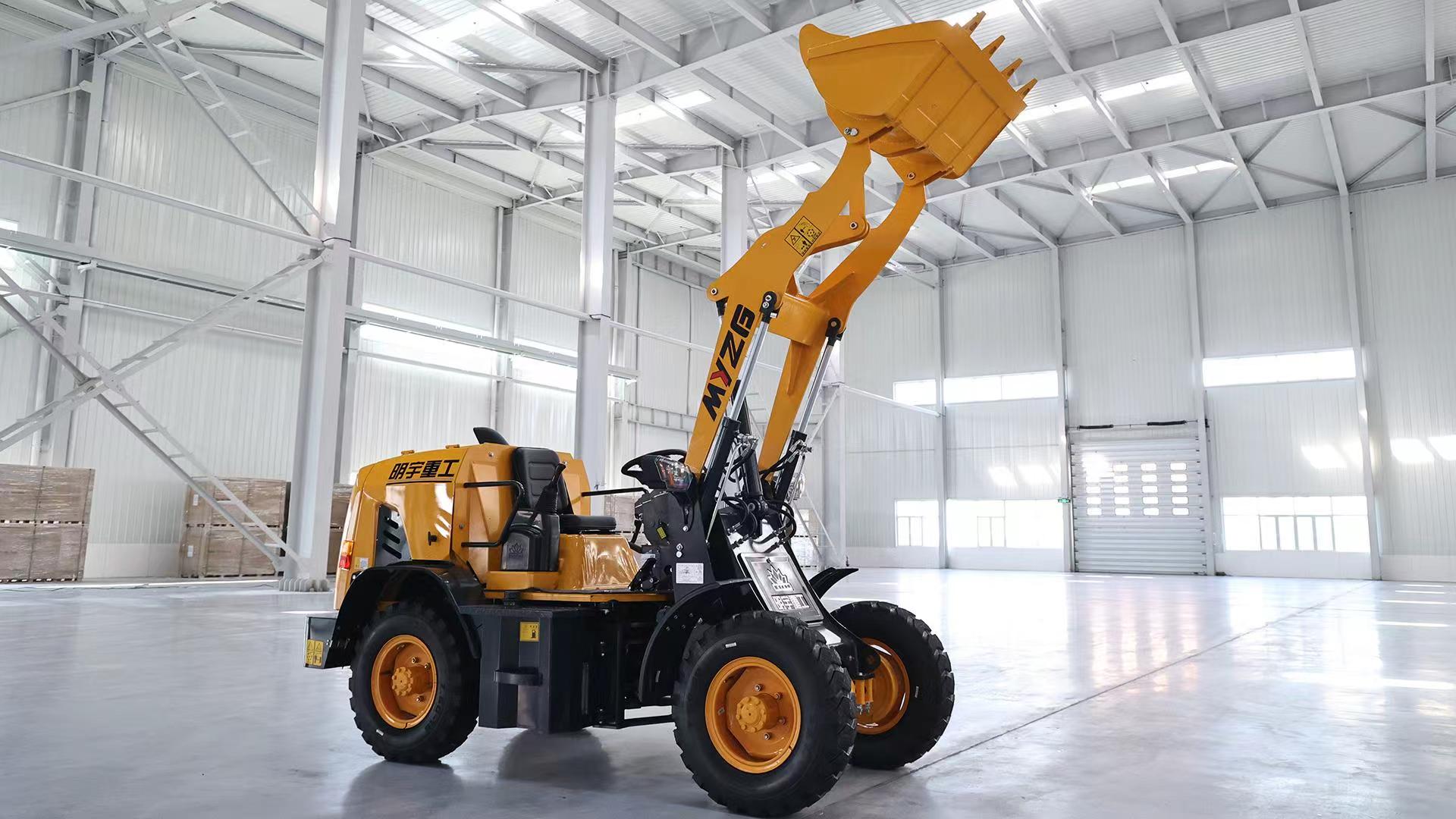
Compact Wheel Loaders (0.5–1.5 Ton)
Compact loaders usually feature engines between 25 and 60 horsepower.
Average fuel consumption:
3–5 liters per hour
Typical applications include:
Landscaping
Farm operations
Municipal maintenance
Warehousing
Snow removal
Medium Wheel Loaders (2–3 Ton)
Medium-sized loaders commonly use engines rated between 70 and 120 horsepower.
Average fuel consumption:
6–12 liters per hour
Typical applications include:
Construction sites
Agriculture
Material yards
Recycling plants
Large Wheel Loaders (4–6 Ton and Above)
Large wheel loaders generally have engines producing over 150 horsepower.
Average fuel consumption:
15–30+ liters per hour
Typical applications include:
Quarry operations
Mining
Heavy construction
Port operations
Large-scale aggregate handling
Typical Fuel Consumption Comparison
|
Loader Size |
Engine Power |
Fuel Consumption |
Common Applications |
|
Compact |
25–60 HP |
3–5 L/h |
Landscaping, farms |
|
Medium |
70–120 HP |
6–12 L/h |
Construction, agriculture |
|
Large |
150–300+ HP |
15–30+ L/h |
Mining, quarry, ports |
4. Factors That Affect Fuel Consumption
Several operating factors directly influence how much fuel a diesel wheel loader consumes.
Engine Size and Power Output
Larger engines naturally consume more fuel because they generate greater horsepower. However, modern turbocharged diesel engines often produce higher power while maintaining excellent fuel efficiency.
Electronically controlled fuel injection systems optimize combustion, reducing unnecessary fuel consumption.
Machine Load
Fuel consumption increases with heavier loads.
Operating with partial bucket loads usually consumes less fuel, while continuously lifting maximum-capacity loads requires significantly more engine power.
Overloading should always be avoided because it increases fuel consumption while accelerating component wear.
Working Conditions
Smooth, level surfaces require less engine power than steep slopes or muddy terrain.
Soft ground increases rolling resistance, forcing the engine to work harder.
Continuous loading cycles in demanding environments naturally consume more fuel than intermittent operations.
Operator Driving Habits
Experienced operators often achieve lower fuel consumption through efficient machine operation.
Common fuel-wasting behaviors include:
Excessive engine idling
Rapid acceleration
Abrupt braking
High engine RPM during light loads
Smooth and consistent operation improves both fuel economy and machine longevity.
Bucket Capacity and Material Type
Different materials require different lifting forces.
Handling light materials such as mulch consumes relatively little fuel.
Dense materials including gravel, crushed stone, wet soil, and ore require greater engine power and hydraulic pressure, increasing diesel consumption.
Tire Condition
Incorrect tire pressure increases rolling resistance.
Worn tires reduce operating efficiency.
Proper tire maintenance contributes to lower fuel consumption and improved traction.
Hydraulic System Efficiency
The hydraulic system significantly affects fuel usage.
Hydraulic pumps operating under excessive load increase engine demand.
Dirty hydraulic oil, clogged filters, or internal leakage reduce efficiency and increase fuel consumption.
5. How to Reduce Fuel Consumption
Reducing fuel consumption requires both proper maintenance and efficient operating practices.
Perform Regular Maintenance
Routine maintenance keeps the engine operating at peak efficiency.
Maintenance should include:
Engine oil replacement
Fuel filter replacement
Air filter cleaning
Injector inspection
Turbocharger inspection
Cooling system maintenance
A clean engine burns fuel more efficiently.
Minimize Idle Time
Many wheel loaders spend considerable time idling.
Shutting down the engine during long waiting periods can save significant amounts of fuel.
Automatic idle systems further reduce unnecessary consumption.
Improve Loading Efficiency
Efficient job site organization shortens loading cycles.
Operators should:
Reduce travel distances
Position trucks close to stockpiles
Avoid unnecessary machine movement
Optimize loading routes
Every minute saved reduces fuel consumption.
Train Operators
Operator training often produces immediate fuel savings.
Well-trained operators understand:
Smooth throttle control
Proper bucket positioning
Efficient loading cycles
Correct gear selection
Safe operating speeds
Small improvements can reduce annual fuel expenses considerably.
Monitor Fuel Usage
Modern telematics systems help identify excessive fuel consumption.
Fleet managers should:
Track daily fuel usage
Compare machine performance
Investigate abnormal increases
Schedule preventive maintenance based on operating hours
Continuous monitoring supports better cost control.
6. Calculating Fuel Costs for Wheel Loader Operations
Understanding fuel costs allows businesses to prepare accurate operating budgets.
Basic Fuel Cost Formula
Fuel Cost = Hourly Fuel Consumption × Fuel Price × Operating Hours
Example Calculation
Assume:
Fuel consumption: 8 liters/hour
Diesel price: $1.30 per liter
Working time: 8 hours/day
Daily fuel consumption:
8 × 8 = 64 liters
Daily fuel cost:
64 × $1.30 = $83.20
If the loader operates 250 days per year:
Annual fuel cost:
$83.20 × 250 = $20,800
These calculations demonstrate why fuel efficiency plays such an important role in equipment ownership.
Total Cost of Ownership (TCO)
Fuel represents one of the largest operating expenses throughout a wheel loader's lifetime.
Other ownership costs include:
Maintenance
Repairs
Tires
Insurance
Operator wages
Depreciation
Improving fuel efficiency helps lower the overall total cost of ownership.
7. Choosing a Fuel-Efficient Diesel Wheel Loader
Selecting the right machine can significantly reduce long-term operating expenses.
Modern Engine Technologies
Many modern diesel engines include:
Electronic common rail fuel injection
Turbocharging
Electronic engine management
Automatic idle control
Emission-compliant technologies
These features improve both fuel economy and engine performance.
Hydraulic Efficiency
Advanced hydraulic systems reduce unnecessary engine load.
Fuel-saving technologies include:
Load-sensing hydraulics
Variable displacement pumps
Energy-efficient cooling systems
Intelligent hydraulic controls
These systems allow the engine to produce only the power actually required.
Manufacturer Support
Reliable after-sales service contributes to long-term fuel efficiency.
Consider:
Spare parts availability
Dealer service network
Warranty coverage
Technical support
Preventive maintenance programs
Comparing Models Before Purchase
When evaluating different wheel loaders, buyers should compare:
Average hourly fuel consumption
Engine efficiency
Hydraulic performance
Productivity per liter of fuel
Customer reviews
Expected return on investment
Choosing a slightly more expensive but fuel-efficient loader often results in substantial long-term savings.
8. Frequently Asked Questions About Diesel Wheel Loader Fuel Consumption
Is fuel consumption the same at idle and full load?
No. A wheel loader consumes significantly less fuel while idling than during continuous heavy-duty loading. However, excessive idling still wastes fuel over time and should be minimized whenever possible.
Does a larger engine always consume more fuel?
Generally, larger engines use more fuel because they produce higher horsepower. However, modern electronically controlled engines can often deliver better fuel efficiency than older, smaller engines under similar workloads.
Can regular maintenance improve fuel economy?
Yes. Replacing engine oil, fuel filters, air filters, and maintaining injectors and turbochargers helps the engine burn fuel more efficiently while reducing unnecessary fuel consumption.
Which attachments increase fuel consumption?
Large buckets, log grapples, snow blowers, hydraulic breakers, sweepers, and other hydraulic attachments increase engine and hydraulic system demand, resulting in higher fuel usage.
How can operators reduce unnecessary fuel waste?
Operators can reduce fuel consumption by avoiding excessive idling, accelerating smoothly, minimizing unnecessary travel, maintaining proper tire pressure, using appropriate engine speeds, and following efficient loading techniques.
9. Conclusion
The average fuel consumption of a diesel wheel loader varies widely depending on machine size, engine power, operating conditions, and workload. Compact wheel loaders typically consume 3 to 5 liters per hour, medium-sized models generally use 6 to 12 liters per hour, while large heavy-duty loaders may consume 15 to more than 30 liters per hour during demanding operations.
Although fuel consumption cannot be completely eliminated, it can be significantly reduced through proper machine selection, routine maintenance, efficient hydraulic systems, skilled operators, and effective job site management. Modern technologies such as electronically controlled engines, common rail fuel injection, load-sensing hydraulics, and telematics systems help maximize productivity while minimizing diesel consumption.
For contractors, equipment owners, and fleet managers, understanding hourly fuel consumption is essential for controlling operating costs, planning budgets, and improving long-term profitability. By investing in fuel-efficient equipment and adopting best operating practices, businesses can reduce fuel expenses, extend equipment life, and achieve greater productivity on every job site.
Post time:Aug.04.2026
