
What Is the Annual Machine Inspection (AMI) Requirement for Aerial Lifts?
1. Introduction: Understanding the Importance of Annual Machine Inspection (AMI) for Aerial Lifts
Aerial lifts, including scissor lifts, boom lifts, vertical mast lifts, and other aerial work platforms, have become essential equipment in many industries such as construction, industrial maintenance, warehouse operations, facility management, and infrastructure projects. These machines allow workers to safely access elevated work areas, improving productivity and efficiency compared with traditional ladders or temporary structures.
However, because aerial lifts operate at height and involve complex mechanical, hydraulic, and electrical systems, safety must always be the top priority. A failure in a lifting mechanism, control system, or safety device can create serious risks for operators and surrounding workers. Therefore, regular inspection and maintenance are necessary to ensure that aerial lifts remain reliable and safe during operation.
The Annual Machine Inspection (AMI) is one of the most important inspection requirements for aerial lifts. It is a detailed examination performed at least once every 12 months to verify that the equipment is operating correctly and meets applicable safety requirements. Unlike daily inspections that focus on basic operational checks, AMI provides a comprehensive review of the entire machine, including structural components, hydraulic systems, electrical systems, safety devices, and operational functions.
For equipment owners, rental companies, and fleet managers, understanding AMI requirements helps reduce unexpected failures, extend equipment service life, and maintain compliance with safety regulations. A properly conducted annual inspection not only protects operators but also improves machine performance and reduces long-term operating costs.
2. What Is an Annual Machine Inspection (AMI)?
An Annual Machine Inspection (AMI) is a complete inspection of an aerial lift performed every year by a qualified person according to manufacturer recommendations and industry safety standards. The purpose of AMI is to identify any defects, damage, excessive wear, or safety concerns that could affect the safe operation of the equipment.
During an AMI inspection, the technician evaluates both visible and functional aspects of the aerial lift. This includes checking the machine structure, lifting components, power systems, controls, and safety equipment. Any issues discovered during the inspection must be repaired before the machine is returned to normal service.
AMI is different from other types of inspections:
Pre-use inspection: A daily inspection performed by the operator before using the machine. It focuses on obvious problems such as leaks, damaged parts, alarms, and control operation.
Frequent inspection: A more detailed inspection usually performed periodically depending on equipment usage, environment, or operating hours.
Annual Machine Inspection: A comprehensive yearly inspection covering the complete machine condition and safety performance.
The AMI must be performed by a trained and qualified inspector who understands aerial lift systems, safety requirements, and manufacturer specifications.
3. Standards and Regulations Governing AMI Requirements
Aerial lift inspection requirements are influenced by international safety standards, local regulations, and manufacturer guidelines. In North America, many aerial lift manufacturers and users follow the requirements of the ANSI/SAIA A92 series standards and OSHA regulations.
The standards provide guidance regarding:
Inspection frequency
Inspector qualifications
Safety device testing
Maintenance requirements
Operator responsibilities
Documentation procedures
Manufacturers also provide specific inspection instructions based on machine design. Different aerial lifts may have different inspection points depending on whether they use electric drive systems, diesel engines, hydraulic lifting systems, or advanced electronic controls.
For companies operating aerial lifts, maintaining inspection records is extremely important. Documentation proves that equipment has been inspected properly and helps demonstrate compliance during workplace safety audits.
4. When Is an Annual Machine Inspection Required?
The AMI must generally be completed once every 12 months. The inspection date should be tracked carefully to prevent equipment from operating after the inspection period has expired.
Additional inspections may also be required in certain situations, including:
After major repairs or component replacement
After structural damage or accidents
After extended periods of storage
When abnormal operation is noticed
Before returning heavily used rental equipment to service
High-use equipment working in harsh environments may require additional inspections beyond the annual requirement. For example, aerial lifts used in construction sites, outdoor environments, or areas with dust and moisture may experience faster wear.
Scheduling inspections before the due date helps avoid unexpected downtime and ensures that machines remain available for daily operations.
5. Components Covered During an Aerial Lift AMI Inspection
5.1 Structural Inspection
The structure of an aerial lift supports the entire working platform and lifting system. Inspectors carefully check:
Platform frame
Boom sections
Scissor arms
Chassis
Welded joints
Mounting points
Guardrails and gates
The inspector looks for cracks, corrosion, deformation, loose components, and unusual wear. Structural damage can affect machine stability and must be repaired immediately.
5.2 Hydraulic System Inspection
Hydraulic systems provide the lifting force for many aerial lifts. During AMI, technicians inspect:
Hydraulic cylinders
Hydraulic hoses
Fittings and connections
Hydraulic oil level
Leakage points
Operating pressure
Hydraulic leaks or pressure problems may cause slow movement, unstable lifting, or complete system failure.
5.3 Electrical System Inspection
Modern aerial lifts often rely on advanced electrical systems, especially electric scissor lifts and battery-powered platforms.
Inspection points include:
Battery condition
Charging system
Wiring harnesses
Control switches
Sensors
Emergency stop circuits
Electronic controllers
Damaged wiring or weak batteries can reduce machine reliability and create safety risks.
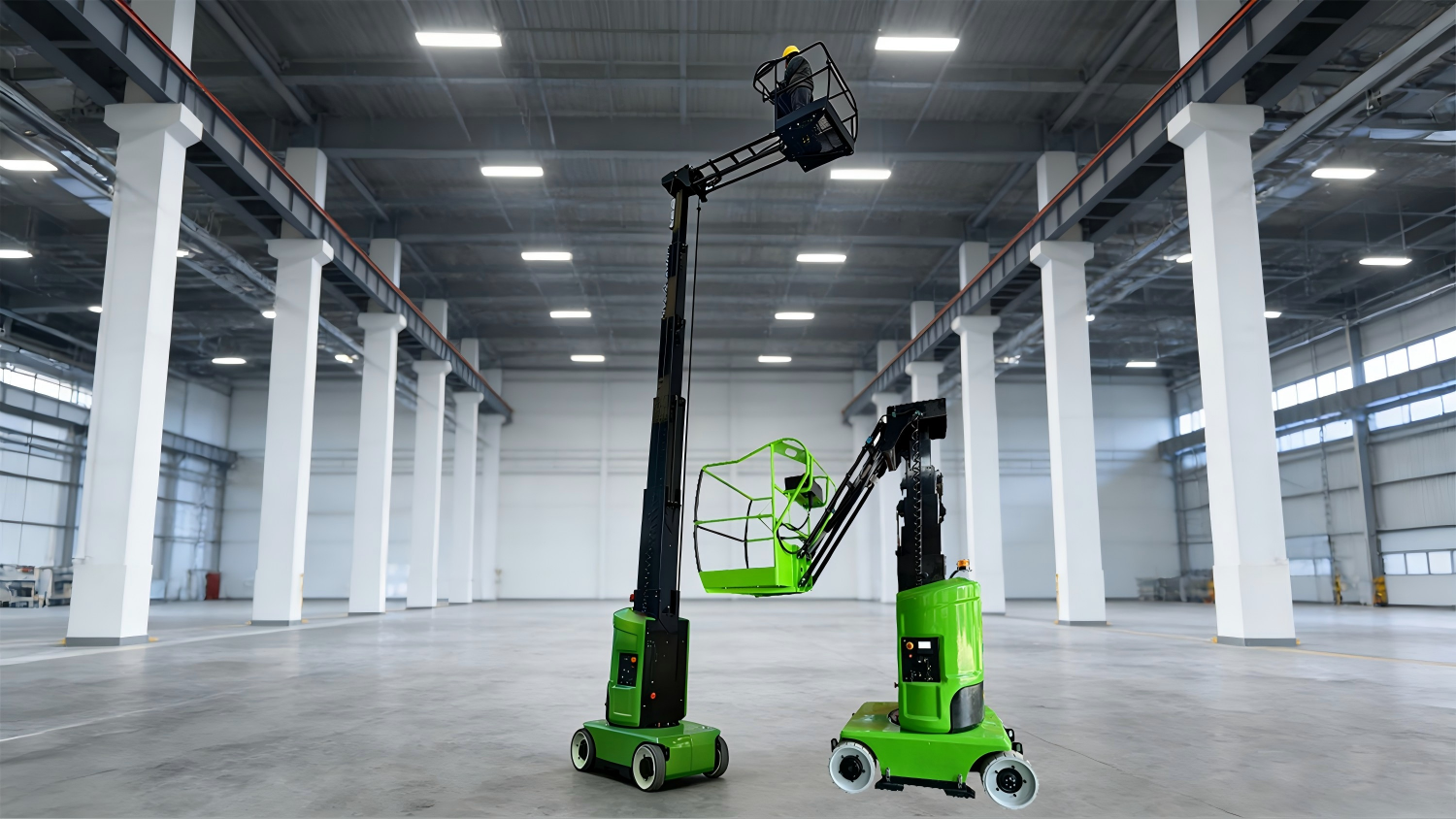
5.4 Control and Safety Device Inspection
Safety systems are critical parts of aerial lifts. Inspectors test:
Platform controls
Ground controls
Emergency stop buttons
Emergency lowering systems
Tilt alarms
Overload protection
Limit switches
These devices must function correctly because they protect operators during unexpected situations.
5.5 Mechanical and Drive System Inspection
The drive system inspection includes:
Tires and wheels
Steering system
Brake performance
Drive motors
Gear systems
Fasteners and mechanical connections
Proper mechanical condition ensures stable movement and safe positioning.
6. AMI Inspection Checklist for Different Types of Aerial Lifts
6.1 Scissor Lift Inspection
For scissor lifts, inspectors focus on:
Scissor arm condition
Pivot pins and bushings
Lifting cylinders
Platform extension system
Guardrails
Safety interlocks
Because scissor lifts depend on a vertical lifting mechanism, wear in pins or arms can affect stability.
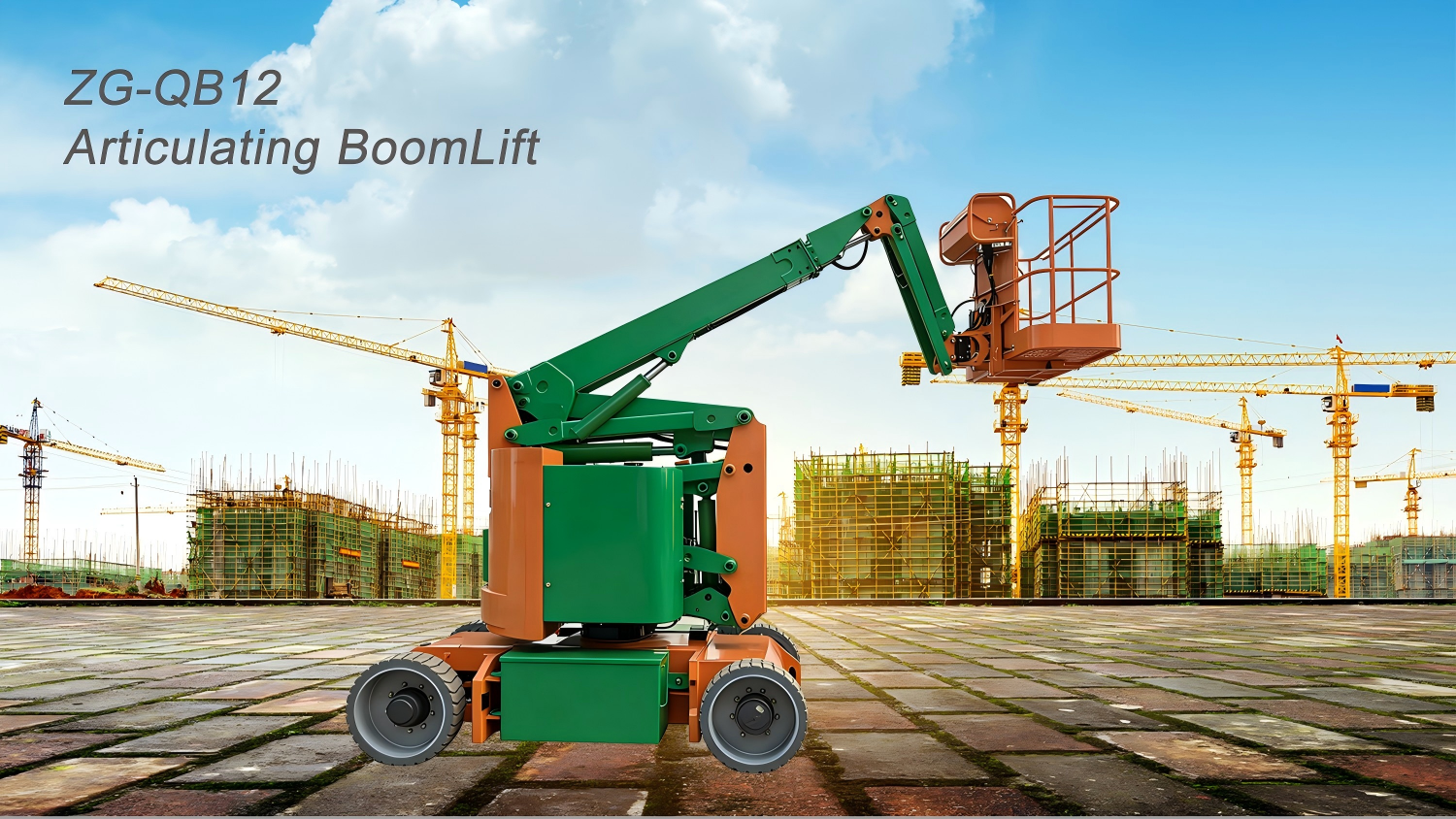
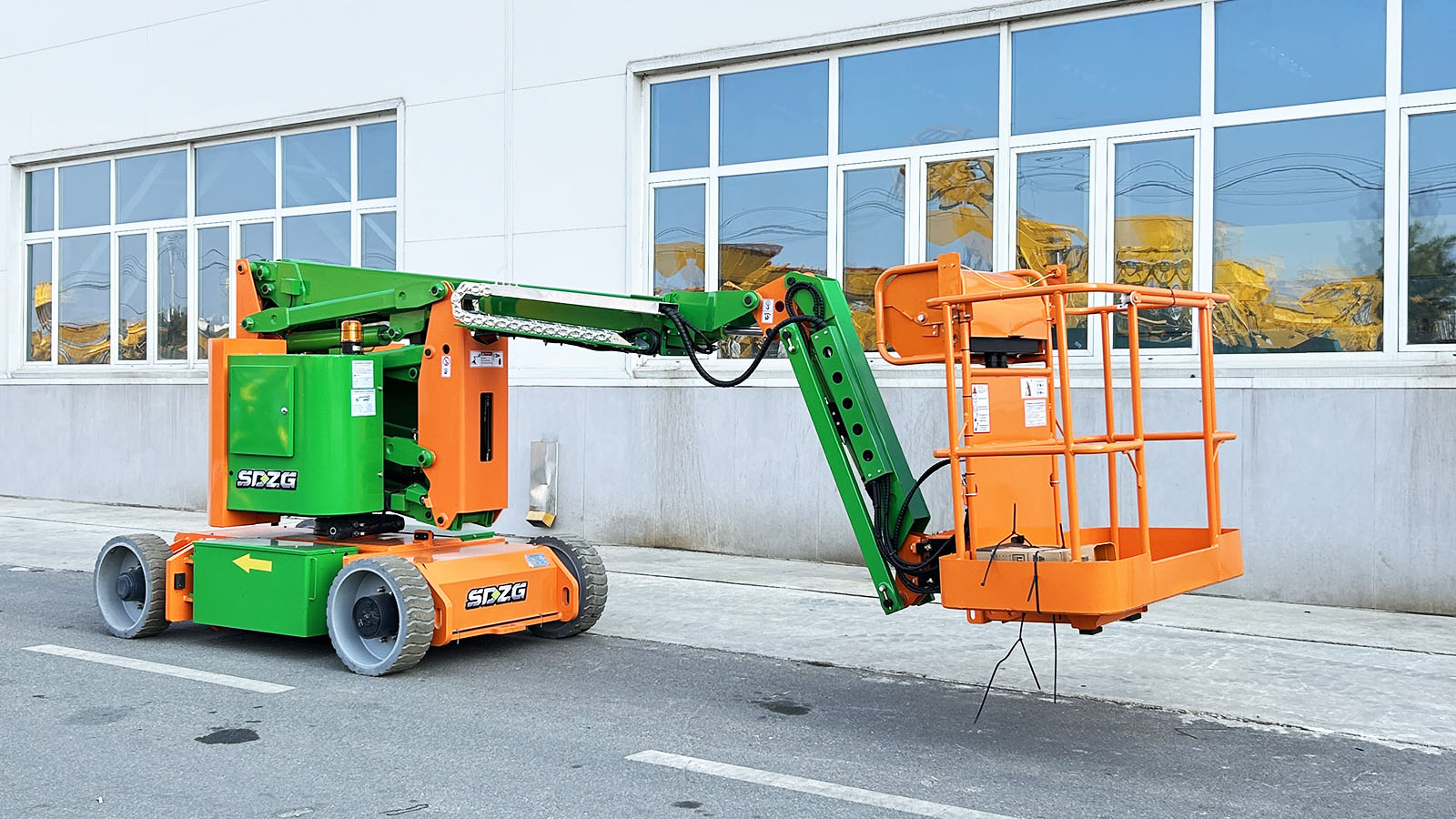
6.2 Boom Lift Inspection
Boom lifts require additional checks on:
Boom sections
Extension mechanism
Rotation system
Jib operation
Platform leveling system
Hydraulic cylinders
The movement flexibility of boom lifts makes proper inspection especially important.
6.3 Vertical Mast Lift Inspection
Vertical mast lifts are commonly used indoors for maintenance work. AMI checks include:
Mast rails
Lifting chains or mechanisms
Stabilizers
Platform controls
Safety sensors
6.4 Electric Aerial Lift Inspection
Electric aerial lifts require special attention to:
Battery health
Charging performance
Electrical connections
Motor operation
Controller performance
Battery-powered machines should also be checked for proper charging procedures and battery maintenance.
7. Functional Tests During Annual Machine Inspection
After visual inspection, technicians perform operational tests to confirm that the aerial lift works correctly.
Functional testing includes:
Raising and lowering the platform
Extending and retracting booms
Driving and steering
Testing emergency functions
Checking alarms
Confirming smooth movement
The machine should operate without abnormal noise, vibration, hesitation, or control problems.
8. Common Problems Found During AMI Inspections
Annual inspections frequently identify issues such as:
Hydraulic oil leaks
Damaged hoses
Weak batteries
Electrical faults
Worn tires
Brake problems
Loose bolts
Damaged safety switches
Corrosion
Structural wear
Finding these problems early prevents expensive repairs and reduces safety risks.
9. How to Prepare an Aerial Lift for AMI
Before inspection, owners should:
Review previous inspection reports
Complete scheduled maintenance
Clean the equipment
Check fluid levels
Repair known problems
Prepare operation manuals and service records
A clean and well-maintained machine allows inspectors to identify issues more effectively.
10. Documentation and Record-Keeping Requirements
Inspection records should include:
Machine model
Serial number
Inspection date
Inspector information
Inspection results
Repairs completed
Next inspection date
Proper documentation helps companies manage equipment fleets and maintain safety compliance.
11. AMI vs Preventive Maintenance
AMI and preventive maintenance serve different purposes.
AMI focuses on:
Safety verification
Compliance
Identifying defects
Preventive maintenance focuses on:
Reducing wear
Improving performance
Extending equipment lifespan
Aerial lift owners should use both approaches together for maximum reliability.
12. Benefits of Regular Annual Machine Inspections
Regular AMI inspections provide many advantages:
Improved workplace safety
Reduced equipment failures
Longer machine lifespan
Lower repair expenses
Higher productivity
Better regulatory compliance
A well-maintained aerial lift is safer and more economical over its entire service life.
13. Maintaining Safety Between AMI Inspections
Operators should continue safety practices between annual inspections:
Perform daily checks
Follow maintenance schedules
Avoid overloading
Report unusual conditions
Use equipment correctly
Keep safety devices functional
Daily care combined with annual inspection creates a complete safety management system.
14. Conclusion: Why AMI Is Essential for Safe Aerial Lift Operation
The Annual Machine Inspection (AMI) is a critical requirement for maintaining safe and reliable aerial lift operation. By thoroughly checking structural components, hydraulic systems, electrical systems, controls, and safety devices, AMI helps identify problems before they become serious failures.
For construction companies, rental businesses, and equipment owners, regular inspection is not only a compliance requirement but also an effective way to protect workers, reduce downtime, and maximize equipment value.
Aerial lifts are powerful productivity tools, but their safety depends on proper inspection, maintenance, and responsible operation. Following AMI requirements ensures that every machine continues to perform safely and efficiently throughout its working life.
Post time:Jul.31.2026
