
How to Detect Gas Leaks in a Forklift Fuel System?
1. Introduction
Forklifts are essential machines in warehouses, construction sites, ports, and manufacturing facilities, where they operate continuously under demanding conditions. Many forklifts run on LPG, diesel, or gasoline fuel systems, all of which require strict safety control to ensure reliable and safe operation. Among the most serious risks associated with these systems is fuel or gas leakage.
A fuel leak in a forklift is not just a maintenance issue—it is a major safety hazard. Even a small LPG leak can create a flammable atmosphere, increasing the risk of fire or explosion. Diesel or gasoline leaks can also cause environmental contamination, equipment damage, and operational downtime. In enclosed spaces such as warehouses, undetected gas leaks can quickly become life-threatening.
Detecting fuel system leaks early is therefore critical for protecting operators, maintaining equipment reliability, and ensuring compliance with workplace safety regulations. Most leaks begin as small issues—such as worn seals, loose fittings, or cracked hoses—but can quickly develop into serious failures if not addressed in time.
This article explains how to detect gas leaks in forklift fuel systems using practical methods, including visual inspection, odor detection, soap testing, and electronic gas sensors. It also covers common causes of leaks, warning signs, step-by-step detection procedures, and preventive maintenance practices to reduce future risks.
2. Understanding Forklift Fuel Systems
2.1 Types of Forklift Fuel Systems
Forklifts typically operate using one of the following fuel systems:
LPG (Liquefied Petroleum Gas): Common in indoor warehouses due to cleaner emissions.
Diesel systems: Widely used in outdoor and heavy-duty applications.
Gasoline (petrol) systems: Less common today but still used in some older models.
Dual-fuel systems: Capable of switching between gasoline and LPG.
Each system has different leak risks, but LPG systems are generally the most sensitive due to pressurized gas storage.
2.2 Key Components of a Fuel System
A forklift fuel system includes several critical components:
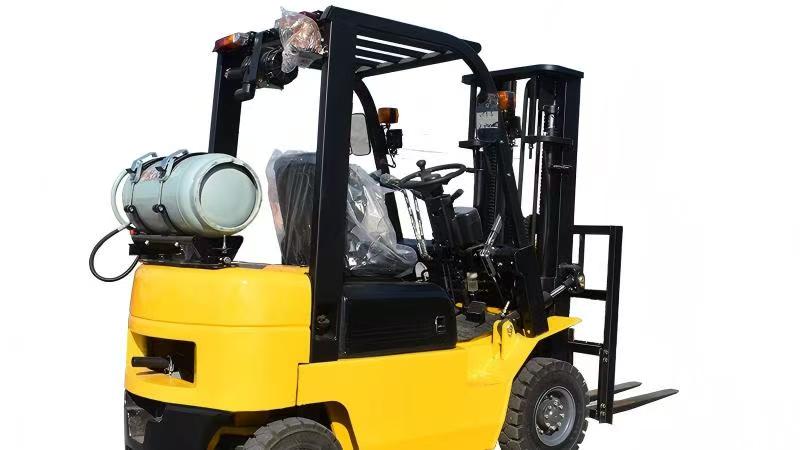
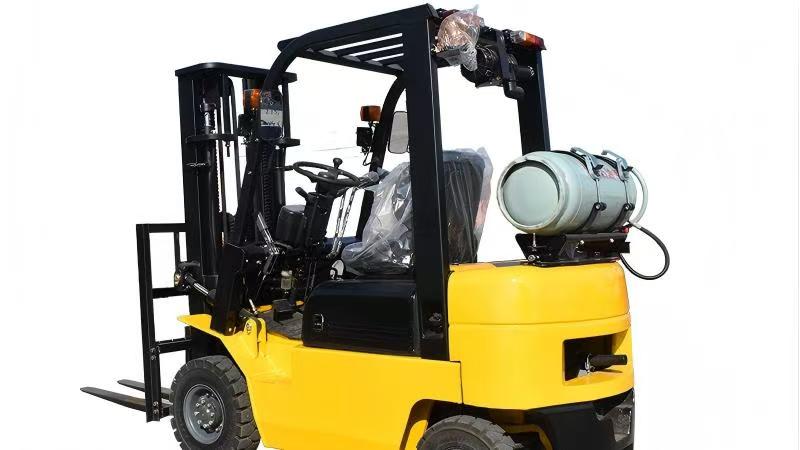
Fuel tank or LPG cylinder
Fuel lines and rubber hoses
Valves and connectors
Pressure regulator (especially for LPG systems)
Injectors or carburetor
Seals, gaskets, and fittings
Any of these components can become a potential leak point over time.
2.3 Common Leak Points
Leaks most often occur in:
Hose connection joints
Cylinder valve seals (LPG systems)
Pressure regulator housing
Fuel injector seals
Cracked or aged fuel lines
Loose fittings caused by vibration
Understanding these weak points helps technicians focus inspections more effectively.
3. Causes of Fuel or Gas Leaks in Forklifts
3.1 Wear and Tear
Forklifts operate under constant vibration, heat, and pressure. Over time, this causes:
Rubber hoses to crack or harden
Seals to lose elasticity
Metal fittings to loosen
These natural aging effects are one of the most common causes of leaks.
3.2 Improper Maintenance
Poor maintenance practices can significantly increase leak risks, such as:
Not tightening fittings correctly
Skipping scheduled inspections
Using low-quality replacement parts
Even a small maintenance error can lead to dangerous leakage.
3.3 Mechanical Damage
Physical impact is another major cause:
Forklift collisions with racks or pallets
Improper handling of fuel cylinders
External force damaging fuel lines
Such damage can create sudden and severe leaks.
3.4 Manufacturing or Installation Defects
Although less common, leaks may also result from:
Defective seals or components
Incorrect assembly during servicing
Substandard replacement parts
These issues often appear shortly after maintenance or repair.
4. Warning Signs of a Forklift Fuel Leak
4.1 Smell Indicators
Strong fuel odor near the forklift
Distinct LPG smell (often artificially odorized for safety)
Persistent smell even when the machine is off
4.2 Visual Signs
Wet or oily patches near fuel lines
Visible dripping or residue
Frosting or icing on LPG pipes (pressure leakage indicator)
4.3 Performance Symptoms
Engine difficulty starting
Irregular idling or stalling
Reduced power output
Increased fuel consumption
4.4 Operator Health Symptoms (LPG Exposure)
Headaches or dizziness in confined spaces
Eye or throat irritation
Nausea in poorly ventilated areas
These symptoms require immediate evacuation and inspection.
5. Safety Preparation Before Leak Detection
5.1 Work Area Safety
Ensure the area is well ventilated
Eliminate open flames or sparks
Turn off nearby electrical equipment if necessary
5.2 Personal Protective Equipment (PPE)
Safety gloves
Protective goggles
Flame-resistant clothing (if required)
5.3 Required Tools
Soapy water spray bottle
Portable gas detector (LPG sensor)
Flashlight
Basic hand tools for tightening fittings
6. Methods to Detect Gas Leaks in Forklift Fuel Systems
6.1 Visual Inspection
Check hoses for cracks or dryness
Inspect fittings for looseness
Look for fuel stains or residue
6.2 Smell Detection
Identify unusual fuel or gas odor
Best used as an initial warning method
Not reliable alone in strong ventilation areas
6.3 Soapy Water Test
Spray soapy water on suspected areas
Look for bubble formation
Simple, effective, and widely used in field maintenance
6.4 Electronic Gas Detectors
Detects LPG concentration in air
Provides audible or visual alarms
Highly effective in enclosed environments
6.5 Pressure Testing
System is sealed and pressurized
Pressure drop indicates leak presence
Usually performed by trained technicians
6.6 UV Dye Testing (Advanced)
Fluorescent dye added to fuel system
UV light reveals leak points
Used in professional diagnostics
7. Step-by-Step Leak Detection Procedure
7.1 Shutdown and Isolation
Turn off forklift engine
Close fuel valve or LPG cylinder
7.2 Initial Visual Check
Inspect all visible fuel system components
7.3 Apply Soapy Water
Focus on joints, valves, and hose connections
Observe bubble formation
7.4 Systematic Line Inspection
Follow fuel line from tank to engine
Check each connection point carefully
7.5 Identify Exact Leak Source
Confirm the specific component causing leakage
7.6 Record Findings
Document issues for maintenance records
Plan repair or replacement
. What to Do If a Leak Is Found
8.1 Immediate Actions
Shut down the forklift completely
Move it to a safe, ventilated area
8.2 Repair Decisions
Tighten loose fittings if minor
Replace hoses, seals, or valves if damaged
8.3 Professional Assistance
Call certified technicians for complex leaks
Follow manufacturer repair guidelines
9. Preventive Maintenance
9.1 Regular Inspection
Daily visual checks
Weekly system inspections
Scheduled preventive maintenance
9.2 Component Replacement
Replace hoses before they age excessively
Renew seals and gaskets regularly
9.3 Safe Operating Practices
Proper refueling procedures
Avoid over-tightening connections
Prevent mechanical impact damage
9.4 Operator Training
Leak awareness education
Emergency response training
10. Safety Standards and Regulations
OSHA or equivalent workplace safety guidelines
Manufacturer maintenance recommendations
Industrial forklift certification requirements
11. Common Mistakes in Leak Detection
Ignoring small leaks
Using open flame for testing (extremely dangerous)
Relying only on smell
Skipping routine inspections
Improper reassembly after maintenance
12. Conclusion
Detecting gas leaks in forklift fuel systems is essential for maintaining workplace safety, preventing equipment damage, and ensuring operational efficiency. Most leaks start small and develop over time, making regular inspection and proper maintenance critical.
By using a combination of visual checks, odor awareness, soapy water testing, and electronic detection tools, operators and technicians can quickly identify and resolve leaks before they become serious hazards. Combined with preventive maintenance and proper training, these practices significantly reduce risks and extend the lifespan of forklift fuel systems.
Post time:May.22.2026
