
How to Perform a Daily Pre-Operation Inspection on a Scissor Lift?
Part 1: Introduction: Why Daily Scissor Lift Inspection Is Essential
Scissor lifts are widely used in construction, warehouses, factories, maintenance projects, and industrial facilities to provide safe elevated access for workers. These machines improve productivity by allowing operators to complete tasks at height more efficiently compared with traditional ladders or temporary platforms. However, like all lifting equipment, scissor lifts require proper inspection and preparation before operation to ensure safety, reliability, and long service life.
A daily pre-operation inspection is one of the most important safety procedures for every scissor lift operator. Before using the machine, operators should carefully check the overall condition, safety devices, hydraulic system, electrical components, tires, platform, and control functions. A simple inspection can help identify potential problems before they become serious failures during operation.
Regular inspections can prevent unexpected downtime, reduce repair costs, and protect operators and surrounding workers from unsafe equipment conditions. Issues such as hydraulic leaks, damaged guardrails, weak batteries, faulty emergency stops, or worn mechanical parts may affect the performance and safety of the scissor lift. Detecting these problems early allows maintenance teams to repair the equipment before it returns to service.
Many workplace safety regulations require aerial work platforms, including scissor lifts, to be inspected before each shift or daily use. While specific requirements may vary depending on the country, manufacturer, and workplace environment, the basic principle remains the same: equipment must be in safe operating condition before lifting people or materials.
A proper inspection is not simply a quick visual check. It is a systematic process that combines visual examination, operational testing, and documentation. Operators should follow the manufacturer's manual and use a consistent checklist to ensure that no important component is overlooked.
This article provides a complete guide on how to perform a daily pre-operation inspection on a scissor lift, covering exterior checks, hydraulic and electrical systems, safety devices, functional tests, common problems, and best inspection practices. Whether operating an electric indoor scissor lift or a diesel-powered outdoor model, following these steps helps ensure safer operation and better equipment performance.
Part 2: Understanding the Purpose of a Scissor Lift Pre-Operation Inspection
A pre-operation inspection is a detailed check performed before operating a scissor lift. Its main purpose is to confirm that the equipment is functioning correctly and that there are no visible defects that could affect safe operation.
Unlike regular maintenance, which focuses on replacing parts, lubrication, adjustments, and long-term equipment care, a daily inspection focuses on identifying immediate safety concerns. The operator is responsible for checking the machine condition before use and reporting any problems.
A daily inspection should normally be completed:
Before the beginning of each work shift
Before a different operator takes control of the machine
After transportation to a new job site
After the machine has been stored for an extended period
After repairs or modifications
The inspection process usually includes three major steps:
First, a visual inspection checks the physical condition of the machine. Operators examine the frame, tires, hydraulic components, platform, and safety equipment for visible damage.
Second, a functional test confirms that the controls, alarms, emergency systems, lifting mechanism, steering, and braking systems operate correctly.
Third, inspection records should be completed to provide maintenance history and ensure problems are properly reported.
A good inspection routine helps companies maintain equipment reliability while creating a safer working environment.
Part 3: Review the Scissor Lift Manual and Safety Documents
Before performing an inspection, operators should understand the specific requirements of their scissor lift model. Different manufacturers may use different designs, control systems, and safety features, so the operation manual should always be the primary reference.
The operator manual provides important information including:
Maximum platform capacity
Approved operating conditions
Warning labels and symbols
Emergency lowering procedures
Maintenance requirements
Inspection instructions
Operators should confirm that they are trained and authorized to use the equipment. Proper training helps operators recognize abnormal conditions and understand how to respond when problems are found.
Safety labels on the machine should also be checked during inspection. Missing or damaged labels may cause operators to misunderstand operating limits or safety requirements. Any unreadable warning information should be replaced according to manufacturer recommendations.
Part 4: Exterior Visual Inspection of the Scissor Lift
The exterior inspection is the first physical check of the machine. Operators should walk around the entire scissor lift and carefully examine all visible components.
Overall Machine Condition
Check the machine for:
Cracks or deformation
Missing bolts or fasteners
Damaged covers or panels
Loose components
Signs of impact damage
Any unusual damage should be reported before operation.
Chassis and Frame Inspection
The chassis supports the entire machine structure, so it must remain strong and stable. Operators should inspect:
Main frame structure
Welded joints
Mounting points
Steering components
Stabilizers or leveling systems if equipped
Damage to the frame can affect machine stability and should never be ignored.
Tires and Wheels Inspection
Tires are important for safe movement and stability. Operators should check:
Tire wear condition
Tire damage
Wheel bolts
Tire pressure when applicable
For outdoor scissor lifts, tires should be suitable for the working environment, including uneven ground or construction areas.
Part 5: Inspect the Scissor Mechanism and Lifting Structure
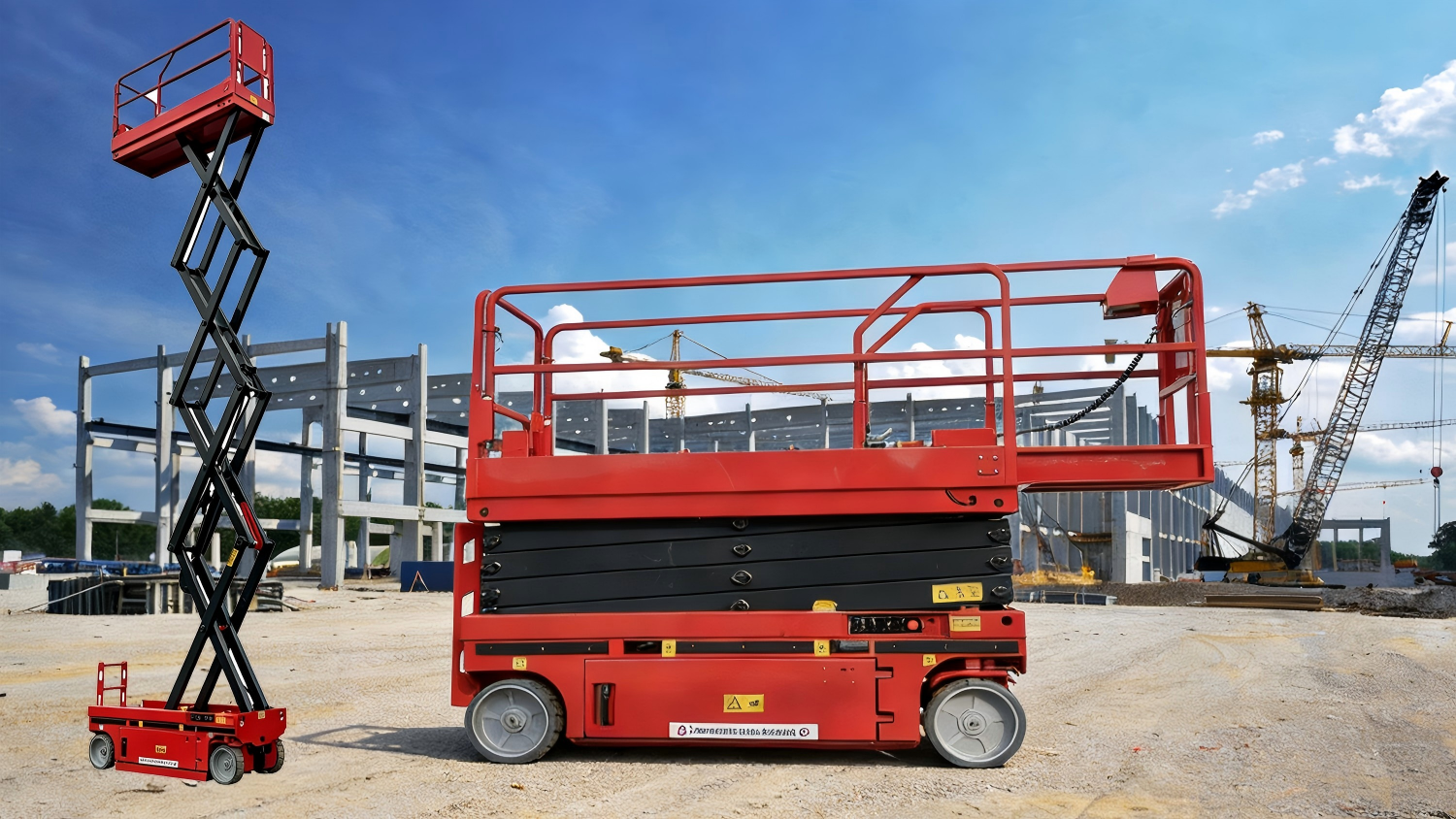
The scissor assembly is the core lifting structure of the machine. It supports the platform and allows vertical movement.
Operators should inspect the scissor arms for:
Bending or deformation
Cracks
Excessive wear
Loose connecting points
Pivot pins and bushings should be checked because excessive wear can create movement problems or instability.
Hydraulic cylinders should also be inspected carefully. Any oil leakage, damaged seals, or abnormal movement may indicate a hydraulic problem that requires attention.
The lifting mechanism should move smoothly without unusual sounds, vibration, or hesitation.
Part 6: Hydraulic System Inspection
Hydraulic systems provide the power needed to raise and lower the platform. A hydraulic problem can reduce lifting ability or create unsafe operating conditions.
During inspection, operators should check:
Hydraulic Oil Level
Confirm that the hydraulic oil level meets manufacturer requirements. Low oil levels can affect performance and cause system damage.
Hydraulic Hoses and Connections
Inspect hoses, fittings, and connectors for:
Leaks
Cracks
Wear
Loose connections
Damaged hydraulic hoses should be replaced before operation.
Hydraulic Cylinder Condition
Check cylinders for:
Oil leakage
Physical damage
Abnormal movement
A clean hydraulic system improves efficiency and reduces maintenance problems.
Part 7: Electrical System and Battery Inspection
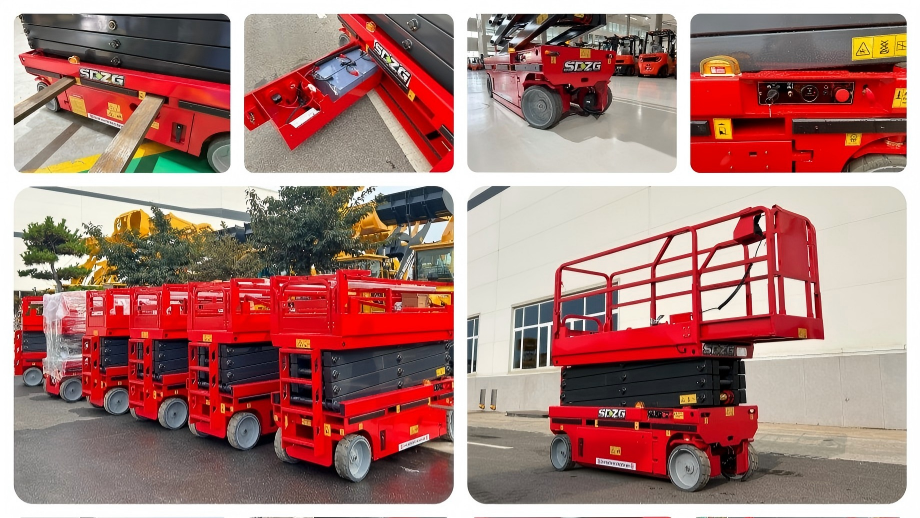
Many modern scissor lifts use electric power, especially for indoor applications. The electrical system must be inspected carefully before operation.
Battery Inspection
For battery-powered models, check:
Battery charge level
Battery connections
Cable condition
Signs of corrosion
A properly maintained battery provides longer working time and improves equipment reliability.
Electrical Components
Inspect:
Wiring harnesses
Control switches
Sensors
Warning indicators
Emergency stop systems
Loose wiring or damaged electrical components may cause unexpected machine shutdowns or control failures.
Part 8: Platform and Safety Equipment Inspection
The work platform directly supports operators, so all platform components must be secure.
Check:
Platform Structure
Floor condition
Guardrails
Entry gate
Locking mechanism
The platform should be clean and free from objects that may create slipping hazards.
Safety Devices
Test important safety features including:
Emergency stop buttons
Warning alarms
Tilt sensors
Lowering systems
Platform controls
Safety devices should never be bypassed or disabled.
Part 9: Perform Functional Tests Before Operation
After completing the visual inspection, operators should perform functional tests.
Control System Test
Test both platform and ground controls if available.
Confirm:
Buttons respond correctly
Controls move smoothly
Indicators work properly
Lifting and Lowering Test
Raise and lower the platform several times.
Check:
Smooth movement
Hydraulic operation
Abnormal noises
Proper stopping function
Driving and Braking Test
Before beginning work:
Test forward movement
Test reverse movement
Check steering response
Confirm braking performance
The machine should respond correctly before carrying workers to height.
Part 10: Common Problems Found During Daily Inspections
Common inspection problems include:
Low battery charge
Hydraulic oil leaks
Damaged tires
Faulty emergency stop switches
Broken guardrails
Warning alarms not working
Loose bolts
Damaged wiring
Abnormal lifting movement
Even small issues can become serious safety concerns if ignored.
Part 11: Practical Daily Scissor Lift Inspection Checklist
A simple checklist can help operators complete inspections consistently.
Before Starting
✔ Check operator manual availability
✔ Confirm safety labels are visible
✔ Verify machine identification
Exterior Inspection
✔ Frame condition
✔ Tires and wheels
✔ Hydraulic system
✔ Scissor arms
✔ Fasteners and connections
Platform Inspection
✔ Guardrails
✔ Entry gate
✔ Platform controls
✔ Emergency stop button
Functional Test
✔ Lift and lower operation
✔ Drive function
✔ Steering
✔ Alarm systems
✔ Braking
If any safety-related problem is found, the machine should not be used until repaired.
Part 12: Best Practices for Effective Daily Inspections
To improve inspection quality, operators should:
Follow the same inspection order every day
Perform checks in good lighting conditions
Keep inspection records
Report problems immediately
Never operate equipment with unknown defects
Follow manufacturer instructions
A consistent inspection routine improves safety awareness and reduces equipment failures.
Part 13: Differences Between Electric and Diesel Scissor Lift Inspections
Electric scissor lifts require more attention to:
Batteries
Chargers
Electrical connections
Sensors
Diesel-powered outdoor models require additional checks for:
Engine condition
Fuel system
Exhaust components
Engine oil levels
The inspection process should match the machine type and working environment.
Part 14: How Proper Inspections Improve Scissor Lift Performance and Lifespan
Daily inspections provide several benefits:
Reduce unexpected breakdowns
Improve operator safety
Lower repair costs
Extend equipment service life
Maintain working efficiency
A small inspection investment can prevent major equipment problems in the future.
Part 15: Conclusion: Make Daily Inspection a Safety Habit
A daily pre-operation inspection is an essential part of safe scissor lift operation. By checking the structure, hydraulic system, electrical components, platform, and safety devices before every shift, operators can identify problems early and ensure reliable performance.
A well-maintained scissor lift provides safer working conditions, higher productivity, and longer service life. Companies and operators should treat daily inspections as a standard safety habit rather than a simple requirement.
Following manufacturer guidelines, completing inspection records, and addressing defects immediately are the keys to keeping aerial work platforms safe and efficient in any workplace.
Post time:Jul.29.2026
