
How to Maintain Hydraulic Cylinders to Prevent Leaks in Dusty Environments?
1. Introduction
Hydraulic cylinders are among the most critical components in modern construction, agricultural, mining, and material handling equipment. Machines such as wheel loaders, rough terrain forklifts, excavators, telehandlers, skid steer loaders, and backhoe loaders all rely on hydraulic cylinders to perform lifting, tilting, steering, and attachment functions. Without properly functioning cylinders, equipment productivity drops significantly and costly downtime becomes unavoidable.
One of the most common hydraulic system failures is oil leakage from hydraulic cylinders. While hydraulic leaks can occur in any environment, dusty and abrasive operating conditions dramatically increase the risk. Construction sites, quarries, mines, agricultural fields, cement plants, recycling facilities, and road construction projects expose hydraulic cylinders to large amounts of dirt, sand, dust, gravel, and debris. These contaminants gradually wear seals, scratch piston rods, contaminate hydraulic oil, and accelerate component deterioration.
Even a small hydraulic leak can create significant problems. Hydraulic oil loss reduces system efficiency, increases operating costs, attracts more dirt contamination, and may eventually lead to cylinder failure. In severe cases, leaks can damage pumps, valves, and other hydraulic components, resulting in expensive repairs and lengthy equipment downtime.
Fortunately, most hydraulic cylinder leaks can be prevented through proper maintenance practices. Regular inspections, contamination control, seal monitoring, hydraulic oil management, and operator training can greatly extend cylinder service life. Understanding how dust affects hydraulic components and implementing preventive maintenance procedures can save equipment owners thousands of dollars over the life of a machine.
This article explains the causes of hydraulic cylinder leaks in dusty environments and provides practical maintenance strategies to maximize reliability, reduce repair costs, and improve equipment productivity.
2. Understanding How Hydraulic Cylinders Work
Hydraulic cylinders convert hydraulic pressure into linear mechanical force. They are designed to perform heavy-duty tasks that would be difficult or impossible using mechanical systems alone.
A typical hydraulic cylinder consists of several key components. The cylinder barrel contains hydraulic fluid under pressure. Inside the barrel, a piston divides the cylinder into separate chambers. Attached to the piston is the piston rod, which extends and retracts as hydraulic pressure changes.
The piston seals prevent oil from bypassing the piston internally, while rod seals prevent hydraulic fluid from escaping around the rod. Wiper seals are installed on the outer portion of the cylinder to remove dirt and contaminants from the rod surface before they enter the sealing area.
When hydraulic oil enters one side of the cylinder, pressure pushes the piston and rod outward. Reversing oil flow retracts the rod. This simple but highly effective mechanism provides the lifting and pushing force needed for heavy equipment operations.
Because the sealing system is responsible for keeping hydraulic fluid inside and contaminants outside, seal condition plays a major role in preventing leaks and maintaining performance.
3. Why Dusty Environments Accelerate Hydraulic Cylinder Leaks
Dusty environments are particularly challenging for hydraulic cylinders because abrasive particles constantly attack exposed cylinder components.
Common contaminants include silica dust, sand, cement powder, coal dust, crushed stone particles, agricultural debris, and metal fragments. These particles accumulate on exposed piston rods and can be carried into the cylinder during normal operation.
When abrasive particles become trapped between the rod and seals, they act like sandpaper. Over time, they wear sealing surfaces, create grooves in the rod, and reduce seal effectiveness. Once seals become damaged, hydraulic oil begins leaking externally.
Dust contamination also enters the hydraulic fluid itself. Contaminated oil circulates throughout the hydraulic system and accelerates wear on pumps, valves, motors, and cylinders. This creates a cycle of increasing damage and declining performance.
In extremely dusty environments such as mining operations and quarries, cylinder seal life may be reduced by more than 50% if preventive maintenance measures are not implemented.
4. Common Causes of Hydraulic Cylinder Leaks
Several factors contribute to hydraulic cylinder leakage.
Worn rod seals are among the most common causes. As seals age, they lose elasticity and their ability to maintain proper contact with the piston rod.
Damaged wiper seals also contribute significantly to leakage. Once a wiper seal fails, contaminants can easily reach the rod seal and accelerate wear.
Scratched piston rods are another major problem. Even small scratches can create leak paths that allow hydraulic oil to escape.
Excessive system pressure can overload seals and cause premature failure. Pressure spikes often occur when operators overload equipment or use aggressive operating techniques.
Improper cylinder alignment creates side loading, which places uneven stress on seals and rods. Over time, this leads to accelerated wear and leakage.
Hydraulic oil contamination, poor maintenance practices, improper installation, and manufacturing defects can also contribute to seal failure and fluid loss.
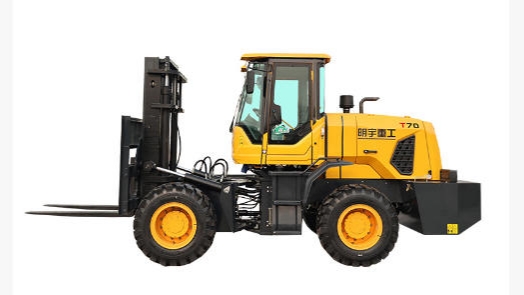
5. Daily Inspection Procedures
Daily inspections are the first line of defense against hydraulic cylinder leaks.
Operators should visually inspect all hydraulic cylinders before starting equipment. Any signs of oil residue, wet surfaces, or dirt accumulation around seals should be investigated immediately.
The piston rod should be checked for scratches, dents, corrosion, or scoring. Damage to the rod surface often indicates developing seal problems.
Cylinder movement should also be observed during operation. Jerky movement, unusual noises, slow response, or drifting attachments may indicate internal leakage.
Hydraulic hoses, fittings, and mounting points should be inspected for looseness or damage.
Maintaining a daily inspection log helps identify recurring issues before they become serious failures.
6. The Critical Role of Wiper Seals
Wiper seals are one of the most important yet overlooked components of a hydraulic cylinder.
Their primary purpose is to remove dirt, dust, moisture, and debris from the piston rod before contaminants reach the rod seal. In dusty environments, wiper seals serve as the first line of protection.
A damaged wiper seal often leads directly to rod seal failure. Once contaminants bypass the wiper, abrasive particles become trapped within the sealing system and rapidly accelerate wear.
Operators should inspect wiper seals regularly for cracks, tears, deformation, or excessive wear.
In severe-duty applications, heavy-duty polyurethane or metal-cased wiper seals often provide superior protection compared to standard designs.
Replacing inexpensive wiper seals at regular intervals can significantly reduce expensive cylinder repairs.
7. Cleaning Forklift Hydraulic Cylinder Rods Properly
Keeping piston rods clean is essential for preventing leaks.
Dust, mud, and debris should be removed before they accumulate excessively. Soft cloths and approved cleaning solutions should be used to clean exposed rod surfaces.
High-pressure washing should be used carefully because excessive pressure can force contaminants past seals.
Operators should avoid using abrasive materials such as wire brushes or sandpaper, which can damage the rod's polished surface.
Cleaning should become part of the daily shutdown routine, particularly for equipment operating in quarries, mines, or dusty construction sites.
Regular cleaning reduces abrasive wear and helps extend seal life.
8. Hydraulic Oil Maintenance and Contamination Control
Clean hydraulic oil is critical for cylinder longevity.
Contaminated oil increases wear throughout the hydraulic system and accelerates seal degradation. Even microscopic particles can damage precision hydraulic components.
Filters should be inspected regularly and replaced according to manufacturer recommendations. High-quality filtration systems significantly improve hydraulic system reliability.
Periodic oil analysis helps identify contamination, moisture intrusion, and abnormal wear patterns before major failures occur.
Water contamination is especially harmful because it promotes corrosion and reduces lubricant effectiveness.
A comprehensive contamination control program can dramatically reduce hydraulic cylinder failures and lower maintenance costs.
9. Protecting Cylinders with Rod Covers and Guards
Physical protection is often one of the most effective methods for preventing contamination-related damage.
Rod guards, protective sleeves, bellows covers, and dust boots help shield cylinders from direct exposure to abrasive particles.
Mining and quarry equipment frequently utilize heavy-duty cylinder guards because of extreme contamination levels.
Bellows covers provide excellent protection while allowing full cylinder movement. Protective sleeves offer a cost-effective solution for many applications.
Although protective systems increase initial costs, they often pay for themselves by extending seal life and reducing repair frequency.
10. Proper Lubrication and Operating Practices
Good operating habits play a major role in cylinder longevity.
Operators should avoid sudden impacts, excessive loads, and aggressive machine movements. These actions create pressure spikes that damage seals and cylinder components.
Proper equipment warm-up procedures help prevent seal damage during cold-weather operation.
Side loading should be minimized by ensuring attachments are used correctly and loads are centered whenever possible.
Lubrication points should be serviced according to manufacturer recommendations to reduce stress on hydraulic components.
Training operators to recognize early warning signs of leakage can prevent minor issues from becoming major repairs.
11. Forklift Seal Replacement and Cylinder Rebuilding
Even with excellent maintenance, seals eventually wear out.
When external leakage becomes noticeable or cylinder performance declines, seal replacement may be necessary. Replacing seals early often prevents more extensive damage.
Cylinder rebuilding may involve replacing seals, bearings, wear bands, rods, and damaged internal components.
Using high-quality OEM or premium aftermarket seal kits is essential for long-term reliability.
Fleet managers often implement preventive rebuilding programs for high-hour equipment to minimize unexpected failures.
Although rebuilding requires upfront investment, it is typically far less expensive than complete cylinder replacement.
12. Best Maintenance Schedule for Dusty Environments
A structured maintenance program is essential in dusty applications.
Daily inspections should focus on leaks, rod condition, and contamination buildup.
Weekly maintenance should include cleaning exposed rod surfaces and checking protective covers.
Monthly inspections should evaluate seal condition, cylinder alignment, and hydraulic hose integrity.
Quarterly hydraulic oil sampling can identify contamination issues before major damage occurs.
Annual inspections should include detailed cylinder performance evaluations and seal condition assessments.
For mining and quarry operations, maintenance intervals may need to be shortened due to extreme contamination exposure.
A proactive maintenance schedule consistently delivers better results than reactive repairs.
13. Conclusion
Hydraulic cylinder leaks are one of the most common and costly maintenance problems affecting heavy equipment operating in dusty environments. Dust, sand, and abrasive contaminants accelerate seal wear, damage piston rods, and contaminate hydraulic systems, leading to reduced performance and expensive repairs.
Fortunately, most leakage problems can be prevented through proper maintenance. Regular inspections, effective contamination control, proper cleaning procedures, hydraulic oil management, protective guards, and timely seal replacement all contribute to longer cylinder life.
Equipment owners who invest in preventive maintenance benefit from improved machine reliability, lower operating costs, reduced downtime, and increased productivity. By implementing the strategies outlined in this guide, construction companies, agricultural operators, mining contractors, and fleet managers can significantly reduce hydraulic cylinder failures and maximize the return on their equipment investment.
Post time:Jun.11.2026
