
How to Drive a Forklift: A Complete Beginner’s Guide
1. Introduction
Forklifts are essential machines used in warehouses, construction sites, factories, and ports around the world. They make it possible to move heavy loads efficiently, saving time and reducing manual labor. However, operating a forklift is not as simple as driving a car. It requires proper training, attention to safety, and a clear understanding of how the machine works.
If you are new to forklifts or looking to improve your skills, this guide will walk you through everything you need to know—from basic controls to safe driving techniques. By the end of this article, you will have a solid foundation on how to drive a forklift safely and effectively.
2. Understanding Forklift Basics
2.1 What is a Forklift?
A forklift is a powered industrial truck designed to lift, carry, and transport materials over short distances. It uses two metal forks at the front to lift pallets or heavy loads. Forklifts are widely used in logistics, warehousing, and construction due to their versatility and efficiency.
2.2 Types of Forklifts
There are several types of forklifts, each designed for specific tasks:
Counterbalance forklifts – The most common type, used in warehouses
Reach trucks – Ideal for high shelving and narrow aisles
Pallet jacks – Used for moving palletized goods over short distances
Rough terrain forklifts – Designed for outdoor use on uneven surfaces
Understanding the type of forklift you are using is important because each has slightly different handling characteristics.
2.3 Key Components of a Forklift
Before driving, you should be familiar with the main parts:
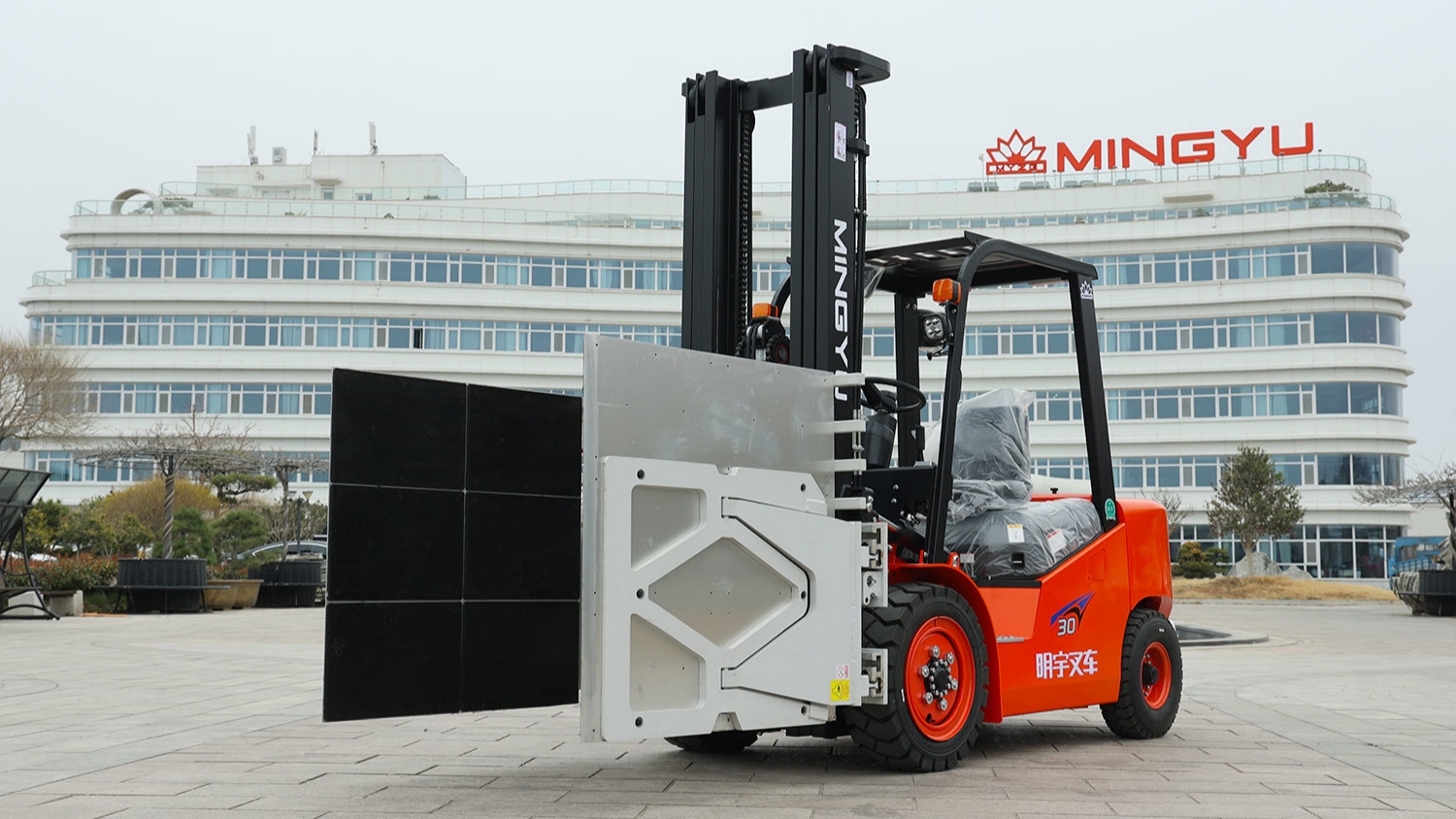
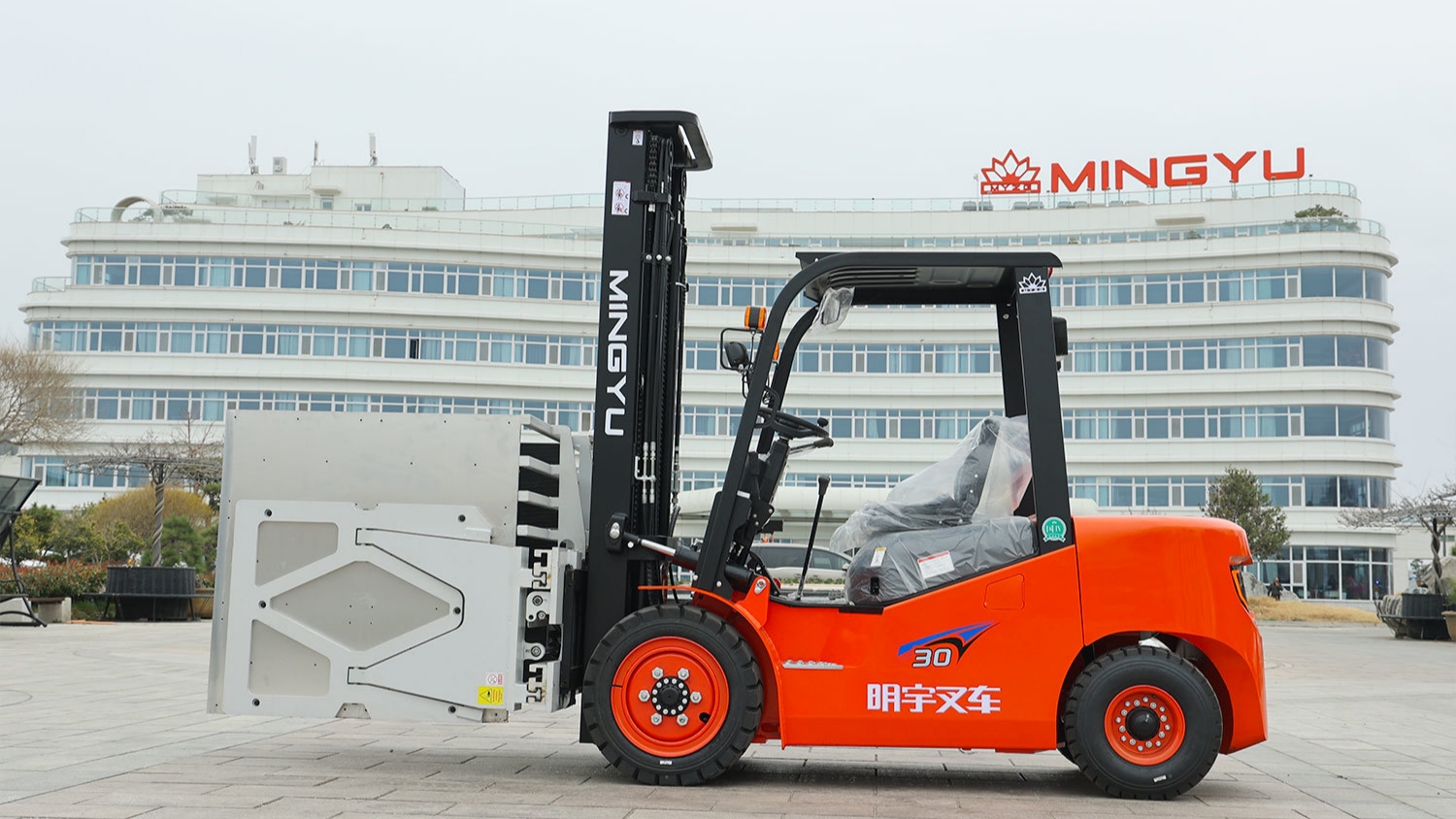
Mast – The vertical assembly that raises and lowers the load
Forks (tines) – The metal prongs that carry the load
Overhead guard – Protects the operator from falling objects
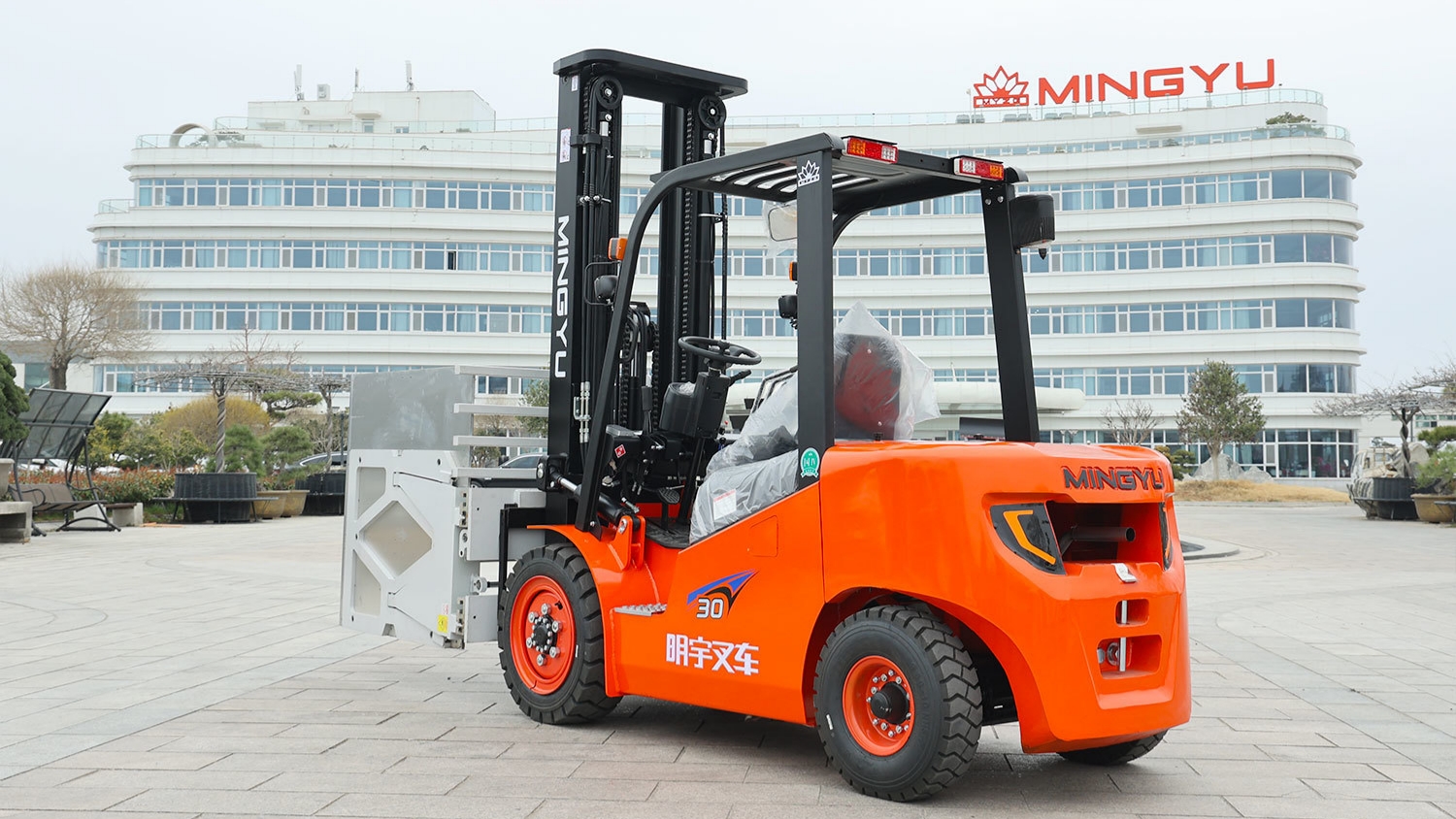
Counterweight – Balances the load being lifted
Controls – Includes steering wheel, pedals, and hydraulic levers
3. Safety First: Pre-Operation Checks
3.1 Daily Inspection Checklist
Before operating a forklift, always perform a pre-use inspection:
Check tires for damage or low pressure
Test brakes and steering
Inspect hydraulic systems for leaks
Ensure forks are not cracked or bent
Check fuel level or battery charge
A quick inspection can prevent accidents and costly repairs.
3.2 Workplace Safety Rules
Safety should always come first when driving a forklift:
Wear proper PPE such as a helmet and safety shoes
Keep a clear view of your path
Never allow passengers unless the forklift is designed for it
Always follow workplace traffic rules
3.3 Legal Requirements and Certification
In many countries, forklift operators must be trained and certified. This ensures that operators understand safety regulations and proper handling techniques. Always check local requirements before operating a forklift.
4. Getting Familiar with Controls
4.1 Steering and Pedals
Forklifts use rear-wheel steering, which means the back wheels turn instead of the front ones. This allows for tight turns but can feel unusual at first.
Accelerator – Controls speed
Brake pedal – Slows or stops the forklift
Inching pedal – Allows precise movement at low speeds
4.2 Lift and Tilt Controls
Hydraulic levers control the forks:
Lift lever raises and lowers the forks
Tilt lever moves the mast forward or backward
Always use smooth, controlled movements to maintain stability.
4.3 Dashboard Indicators
Modern forklifts include a dashboard with important information:
Fuel or battery level
Warning lights
Hour meter for maintenance tracking
Pay attention to these indicators to avoid breakdowns.
5. Step-by-Step Guide to Driving a Forklift
5.1 Starting the Forklift
Use three points of contact when climbing in
Adjust your seat and mirrors
Fasten your seatbelt
Insert the key and start the engine
5.2 Moving Forward and Backward
Release the parking brake
Shift into forward or reverse
Press the accelerator gently
Always start slowly and avoid sudden movements.
5.3 Steering Techniques
Because forklifts steer from the rear:
Turns are sharper than a car
The rear swings outward during turns
Slow down before turning
Practice in an open area until you are comfortable.
5.4 Stopping and Parking
Gradually press the brake
Bring the forklift to a complete stop
Lower the forks to the ground
Set the parking brake and turn off the engine
6. How to Handle Loads Properly
6.1 Picking Up a Load
Approach the load slowly
Align forks evenly with the pallet
Insert forks fully under the load
Lift slightly and tilt back
6.2 Lifting and Carrying Loads
Keep the load low (about 10–15 cm off the ground)
Tilt the mast backward for stability
Drive slowly and avoid sudden stops
6.3 Stacking and Unloading
Stop in front of the stacking area
Raise the load carefully
Move forward slowly
Lower the load into position
Always ensure the load is stable before moving away.
7. Driving on Different Surfaces
7.1 Indoor Operation
Watch for pedestrians and obstacles
Use horns at intersections
Maintain safe speeds in narrow aisles
7.2 Outdoor Operation
Be cautious on uneven ground
Avoid loose gravel or slippery surfaces
Adjust speed based on conditions
7.3 Ramps and Slopes
Always keep the load uphill
Drive slowly and avoid turning on slopes
Never park on an incline
8. Common Mistakes to Avoid
Many accidents happen due to simple mistakes:
Overloading the forklift – Always follow load capacity limits
Driving too fast – Reduces control and increases risk
Improper turning – Can cause tipping
Ignoring blind spots – Use mirrors and look around frequently
Avoiding these mistakes will greatly improve safety.
9. Maintenance Tips for Safe Operation
9.1 Routine Maintenance
Clean the forklift regularly
Inspect for wear and tear
Follow scheduled servicing
9.2 Battery and Fuel Care
Charge batteries properly
Refuel in designated areas
Avoid running on low fuel or battery
9.3 Reporting Issues
If you notice any problems:
Stop using the forklift immediately
Report the issue to a supervisor
Do not attempt repairs unless qualified
10. Tips for Beginners
If you are just starting out:
Practice in a safe, open area
Start with light loads
Focus on smooth and controlled movements
Learn from experienced operators
Confidence comes with practice, so take your time.
11. Conclusion
Learning how to drive a forklift is an essential skill in many industries. While it may seem challenging at first, understanding the basics, following safety guidelines, and practicing regularly will help you become a skilled operator.
Always remember that safety is the top priority. A well-trained operator not only improves efficiency but also prevents accidents and protects both people and goods. If possible, complete a certified training program to ensure you are fully prepared.
By following the steps and tips outlined in this guide, you can operate a forklift with confidence, efficiency, and safety.
Post time:Apr.07.2026
