
How to Choose the Right Backhoe Loader Size and Digging Depth?
1. Introduction
Choosing the right backhoe loader is one of the most important decisions for contractors, farmers, construction companies, and municipal organizations. A backhoe loader is designed to perform two essential functions: loading materials with the front bucket and excavating with the rear backhoe attachment. Because it combines multiple capabilities into one machine, selecting the appropriate model can significantly improve productivity while reducing equipment costs.
Many buyers assume that purchasing the largest available machine will provide the best value. However, an oversized backhoe loader often leads to higher fuel consumption, increased transportation expenses, reduced maneuverability, and unnecessary operating costs. On the other hand, choosing a machine that is too small may limit digging depth, lifting capacity, and overall efficiency, resulting in longer project timelines and increased labor costs.
One of the most critical specifications to evaluate is digging depth. The required digging depth depends entirely on the type of work being performed. Residential landscaping may only require a digging depth of 2.5 to 3 meters, while utility installation, drainage systems, and road construction often require machines capable of digging well beyond 4 meters. Understanding how digging depth affects productivity is essential for making a cost-effective investment.
Machine size also plays a major role in determining performance. Operating weight, engine power, hydraulic flow, breakout force, bucket capacity, and stability all influence how effectively a backhoe loader can handle different jobs. A properly sized machine delivers better fuel efficiency, improved safety, and lower maintenance costs while maximizing return on investment.
This guide explains the different sizes of backhoe loaders, how digging depth impacts project performance, the specifications that matter most, and practical advice for matching equipment to specific applications. Whether you are purchasing your first backhoe loader or upgrading an existing fleet, understanding these factors will help you select a machine that meets your current needs while supporting future business growth.
2. What Is a Backhoe Loader?
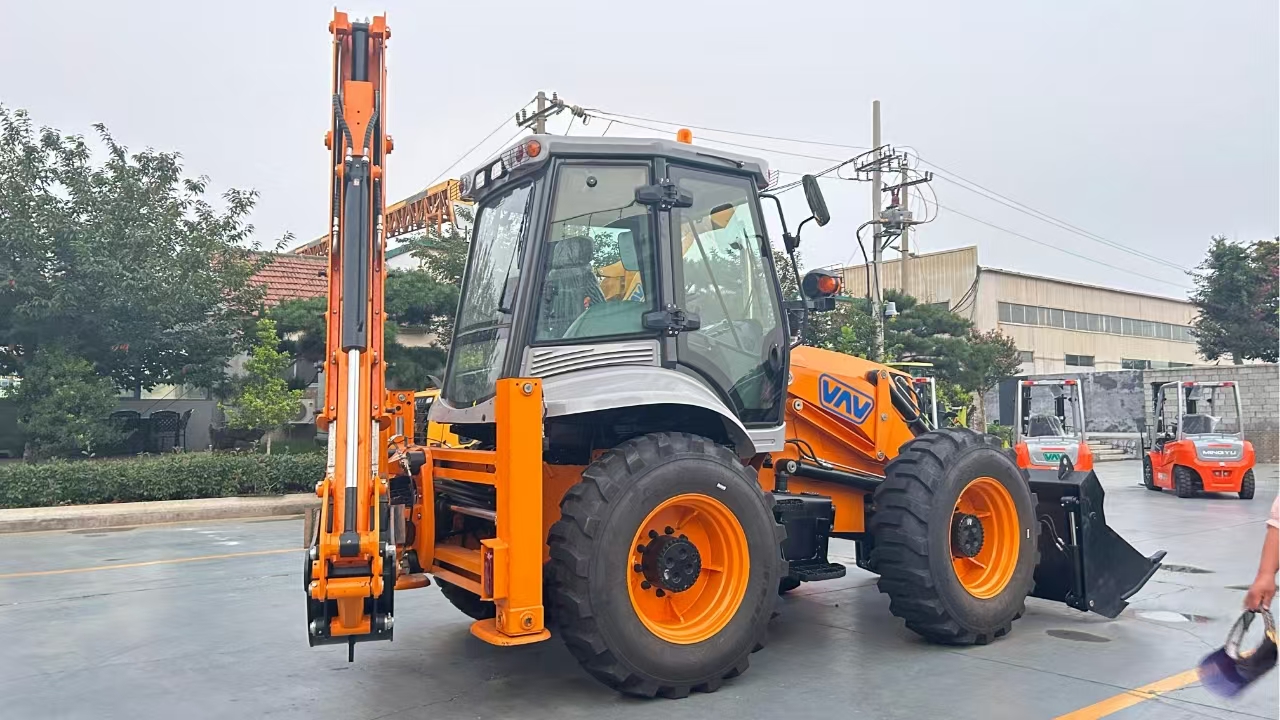
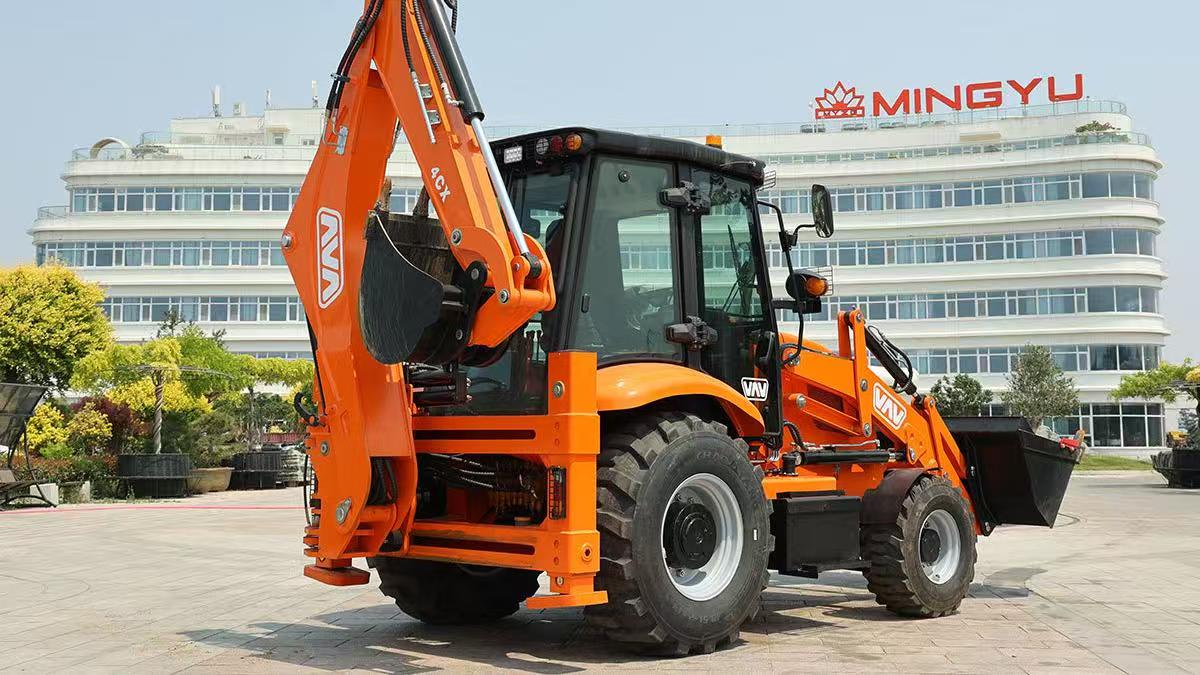
A backhoe loader is a versatile piece of construction equipment that combines a front-end loader with a rear-mounted excavating arm. This dual-purpose design allows one operator to perform loading, digging, trenching, lifting, grading, and material handling without changing machines.
The front loader is commonly used to move soil, gravel, sand, snow, or construction materials. It can also be equipped with pallet forks, grapples, snow blades, or other attachments, increasing the machine's versatility.
The rear backhoe consists of a boom, dipper arm, and digging bucket. It is designed for trenching, foundation excavation, utility installation, drainage work, landscaping, and demolition.
Compared with a dedicated excavator, a backhoe loader offers greater mobility because it can travel on roads at higher speeds. Unlike a wheel loader, it can perform precision digging without requiring additional excavation equipment. Compared with skid steer loaders, backhoe loaders generally provide greater digging depth, higher lifting capacity, and improved versatility for medium-sized construction projects.
Industries that frequently use backhoe loaders include construction, agriculture, municipal maintenance, utility installation, road maintenance, landscaping, mining support, and property development. Their ability to complete multiple tasks with one machine makes them one of the most cost-effective equipment investments for many businesses.
3. Understanding Backhoe Loader Size Categories
Backhoe loaders are generally available in compact, mid-size, and large configurations.
Compact models typically weigh between 5,000 and 7,000 kilograms and produce 50 to 75 horsepower. These machines are ideal for landscaping, residential construction, farm maintenance, and projects where limited working space requires excellent maneuverability. Their digging depth usually ranges from 2.8 to 3.5 meters.
Mid-size backhoe loaders represent the most popular category worldwide. Operating weights generally range from 7,000 to 9,000 kilograms, with engine outputs between 75 and 100 horsepower. Digging depths commonly reach 4 to 4.5 meters, making these machines suitable for utility work, commercial construction, and municipal projects.
Large backhoe loaders typically exceed 9,000 kilograms and produce over 100 horsepower. They offer greater breakout force, increased bucket capacity, stronger hydraulics, and digging depths exceeding 5 meters. These machines are commonly used for heavy infrastructure, industrial construction, and demanding excavation projects.
While larger machines deliver greater performance, they also require wider job sites, stronger transport equipment, and higher operating budgets. Buyers should select the smallest machine capable of completing their most demanding routine tasks efficiently.
4. Why Digging Depth Is One of the Most Important Specifications
Digging depth directly determines the range of excavation work a backhoe loader can perform. It affects productivity, safety, and whether additional equipment will be needed for deeper excavations.
Standard digging depth refers to the maximum vertical distance the bucket can excavate below ground level under normal operating conditions. However, maximum digging depth is not always the most useful measurement. Contractors should also evaluate effective working depth, which reflects the machine's ability to operate efficiently throughout the excavation process.
Ground-level reach is another important specification because it determines how far the machine can dig horizontally without repositioning. Greater reach reduces machine movement and improves productivity during trenching operations.
Loading height and dump clearance are equally valuable for loading trucks efficiently. Machines with higher dump heights can load larger trucks without requiring ramps or additional equipment.
Bucket breakout force determines how effectively the machine can penetrate compacted soil, clay, gravel, or rocky conditions. Stronger breakout force often increases productivity more than additional digging depth alone.
Selecting the proper digging depth ensures projects are completed efficiently while avoiding unnecessary investment in oversized equipment.
5. Matching Machine Size to Your Job Requirements
The best backhoe loader is one that matches your daily workload rather than your occasional largest project.
For residential landscaping, compact models provide excellent maneuverability and sufficient digging capability for irrigation systems, gardens, retaining walls, and small foundations.
Utility contractors typically require mid-size machines capable of installing water lines, sewer systems, electrical conduits, and telecommunications infrastructure. These projects often require digging depths exceeding four meters.
Agricultural operations benefit from machines that can clean drainage ditches, repair irrigation channels, dig ponds, transport feed, and handle pallets. Mid-size backhoe loaders often provide the ideal balance between power and operating cost.
Road construction projects require stronger hydraulic systems, greater lifting capacity, and higher breakout force. Large backhoe loaders improve efficiency when excavating drainage systems, culverts, and road foundations.
Municipal maintenance departments often prioritize versatility because one machine may perform snow removal, trenching, landscaping, utility repairs, and road maintenance throughout the year.
Commercial construction sites generally benefit from mid-size or large machines capable of handling excavation, material loading, foundation preparation, and utility installation simultaneously.
Choosing equipment based on the majority of your work instead of rare extreme applications typically results in the lowest total ownership cost.
6. Key Factors to Consider Before Buying
Several specifications deserve careful evaluation before making a purchasing decision.
Soil conditions significantly influence machine performance. Loose sand requires less breakout force than compacted clay or rocky ground.
Terrain affects stability and traction. Steep slopes may require four-wheel drive, differential locks, or larger tires.
Transportation requirements should not be overlooked. Larger machines increase hauling costs and may require specialized trailers or permits.
Hydraulic performance determines attachment efficiency and cycle times. High hydraulic flow supports augers, breakers, grapples, compactors, and other hydraulic tools.
Engine power influences travel speed, lifting capability, and hydraulic performance. However, horsepower should always be evaluated alongside hydraulic capacity rather than independently.
Fuel efficiency has a substantial impact on long-term operating expenses. Modern engines and load-sensing hydraulic systems often reduce fuel consumption while maintaining productivity.
Attachment compatibility expands machine versatility. Quick couplers enable operators to switch between buckets, breakers, forks, augers, and grapples quickly.
Operator comfort also contributes to productivity. Features such as ergonomic controls, suspension seats, climate-controlled cabs, excellent visibility, and low noise levels reduce operator fatigue.
Maintenance accessibility is another essential consideration. Easy access to filters, lubrication points, cooling systems, and engine compartments reduces service time and operating costs.
7. Comparing Common Backhoe Loader Specifications
Different backhoe loader sizes serve different operational needs.
|
Specification |
Compact |
Mid-Size |
Large |
|
Operating Weight |
5–7 tons |
7–9 tons |
9–11+ tons |
|
Engine Power |
50–75 hp |
75–100 hp |
100–120+ hp |
|
Digging Depth |
2.8–3.5 m |
4.0–4.5 m |
5.0–6.0 m |
|
Loader Bucket Capacity |
0.6–0.9 m³ |
1.0–1.3 m³ |
1.3–1.6 m³ |
|
Breakout Force |
Moderate |
High |
Very High |
|
Lift Capacity |
Light |
Medium |
Heavy |
|
Fuel Consumption |
Lowest |
Moderate |
Highest |
|
Best Applications |
Landscaping, farms |
Utilities, construction |
Infrastructure, industrial projects |
Although larger machines offer greater capability, they also involve higher purchase prices, maintenance costs, and transportation expenses. Buyers should compare total ownership costs instead of focusing solely on maximum specifications.
8. Common Buying Mistakes and How to Avoid Them
One of the most common mistakes is selecting a machine based only on horsepower. Hydraulic efficiency, breakout force, and machine balance often have a greater impact on actual jobsite performance.
Another mistake is purchasing equipment solely for occasional large projects. Renting larger machines when necessary may be more economical than owning oversized equipment year-round.
Many buyers also overlook transportation costs. Larger backhoe loaders require heavier trailers, more powerful towing vehicles, and sometimes special transportation permits.
Ignoring attachment compatibility limits future flexibility. Machines equipped with quick couplers and adequate hydraulic flow can perform a much wider range of tasks.
Some contractors underestimate the importance of dealer support. Reliable access to spare parts, technical assistance, warranty service, and operator training can significantly reduce downtime.
Finally, focusing exclusively on the purchase price often leads to higher long-term expenses. Fuel consumption, maintenance costs, resale value, and machine reliability should all be included when evaluating total cost of ownership.
9. Conclusion
Choosing the right backhoe loader involves much more than selecting the biggest machine or the deepest digging capability. The ideal machine is one that matches your typical workload, operating environment, and long-term business goals.
Digging depth remains one of the most important specifications because it determines the types of projects a machine can complete efficiently. However, it should always be evaluated alongside engine power, hydraulic performance, operating weight, lift capacity, breakout force, and attachment compatibility. A balanced combination of these features delivers higher productivity and lower operating costs than simply purchasing the largest available model.
For most contractors, mid-size backhoe loaders provide the best balance between versatility, performance, and affordability. Compact models excel in confined workspaces and landscaping applications, while large backhoe loaders are better suited for infrastructure and heavy industrial projects where maximum digging depth and lifting power are required.
Before making a purchase, evaluate the conditions of your job sites, the materials you handle, transportation requirements, maintenance support, and future business expansion plans. Comparing multiple manufacturers, inspecting machine specifications carefully, and considering total cost of ownership rather than purchase price alone will help ensure a smart investment.
Ultimately, selecting the right backhoe loader size and digging depth allows operators to complete projects faster, improve safety, reduce fuel consumption, minimize maintenance costs, and maximize return on investment for years to come.
Post time:Jul.28.2026
