
How Much Does a New 3-Ton Diesel Forklift Cost in 2026?
1. Introduction
The 3-ton diesel forklift remains one of the most popular material handling machines worldwide in 2026. It offers an excellent balance of lifting capacity, durability, operating efficiency, and affordability, making it a preferred choice for warehouses, construction sites, ports, manufacturing plants, logistics centers, and agricultural operations. Whether loading shipping containers, transporting building materials, or handling palletized goods, a 3-ton diesel forklift is capable of performing a wide variety of demanding tasks.
As businesses continue to expand globally, buyers are paying closer attention not only to the purchase price but also to the total cost of ownership. Fuel consumption, maintenance costs, spare parts availability, warranty coverage, and resale value all influence the long-term value of a forklift. While electric forklifts continue gaining popularity for indoor applications, diesel forklifts remain the preferred solution for outdoor environments, rough terrain, long operating hours, and heavy-duty applications where continuous performance is required.
One of the most common questions buyers ask is, "How much does a new 3-ton diesel forklift cost in 2026?" The answer depends on numerous factors, including the manufacturer, engine brand, emission standard, transmission type, mast height, optional attachments, country of origin, and shipping destination. Prices can vary considerably between entry-level Chinese manufacturers and internationally recognized premium brands.
This guide explains current market prices, the factors affecting forklift costs, common configurations, hidden ownership expenses, and practical purchasing advice. Whether you are buying your first forklift or expanding an existing fleet, understanding these factors will help you make a cost-effective investment that meets your operational requirements.
2. What Is a 3-Ton Diesel Forklift?
A 3-ton diesel forklift is an internal combustion forklift designed to safely lift and transport loads weighing up to 3,000 kilograms under standard load center conditions. It is one of the most versatile forklifts available because it can handle a wide range of industrial and commercial applications.
Typical specifications include:
Rated capacity: 3,000 kg
Load center: 500 mm
Lift height: 3 to 6 meters (or higher with specialized masts)
Engine power: 35–60 kW
Transmission: Manual, powershift, or hydraulic automatic
Tire options: Pneumatic or solid tires
Fuel type: Diesel
Most manufacturers offer optional features such as side shifters, fork positioners, enclosed cabins, air conditioning, LED lighting, weighing systems, cameras, and hydraulic attachments to improve productivity and operator comfort.
Industries using 3-ton diesel forklifts include logistics, ports, warehouses, timber yards, brick factories, steel plants, agriculture, construction, mining, and manufacturing.
3. Average Price of a New 3-Ton Diesel Forklift in 2026
The average price of a new 3-ton diesel forklift varies according to quality, specifications, and manufacturer.
Typical global price ranges include:
|
Category |
Estimated Price (USD) |
|
Entry-level Chinese brands |
$8,500–12,000 |
|
Mid-range manufacturers |
$12,000–18,000 |
|
Premium Chinese brands |
$15,000–22,000 |
|
International brands |
$25,000–45,000+ |
Prices also differ depending on the shipping terms.
FOB (Free On Board) pricing includes the cost of delivering the forklift to the export port but excludes ocean freight and import expenses.
CIF (Cost, Insurance, and Freight) pricing includes ocean transportation and insurance to the destination port, making international price comparisons easier.
Regional demand also affects pricing. Markets with strict emission regulations generally require more expensive engines that comply with EPA Tier 4 Final or Euro Stage V standards, increasing the overall purchase price.
4. Factors That Affect the Price
Many specifications directly influence forklift pricing.
Brand reputation plays an important role. Established international manufacturers generally charge higher prices due to proven reliability, dealer networks, and stronger resale values.
Engine manufacturer significantly affects cost. Engines from Cummins, Isuzu, Kubota, Perkins, and Yanmar typically command premium pricing compared with domestic alternatives.
Emission standards also influence costs. Forklifts meeting EPA Tier 4 Final or Euro Stage V requirements require advanced emission control systems that increase manufacturing costs.
Transmission type affects both price and productivity. Hydraulic automatic transmissions typically cost more than manual transmissions while improving operator comfort.
Mast height is another major pricing factor. Standard 3-meter masts cost less than 6-meter triplex full free lift masts.
Other cost-influencing options include:
Side shifter
Fork positioner
Fork extensions
Air-conditioned cabin
Suspension seat
LED work lights
Camera systems
Hydraulic attachments
Premium tires
Cold-weather packages
Warranty length and after-sales service also contribute to pricing differences.
5. Popular 3-Ton Diesel Forklift Configurations and Their Typical Costs
Different industries require different forklift configurations.
A standard warehouse forklift with a 3-meter duplex mast and pneumatic tires usually represents the most economical option.
A construction forklift equipped with larger pneumatic tires and reinforced protection packages generally costs slightly more.
A container-loading forklift with a triplex mast, side shifter, and full free lift provides better visibility and loading efficiency.
A high-mast forklift capable of lifting loads above 6 meters requires stronger mast structures and upgraded hydraulic systems.
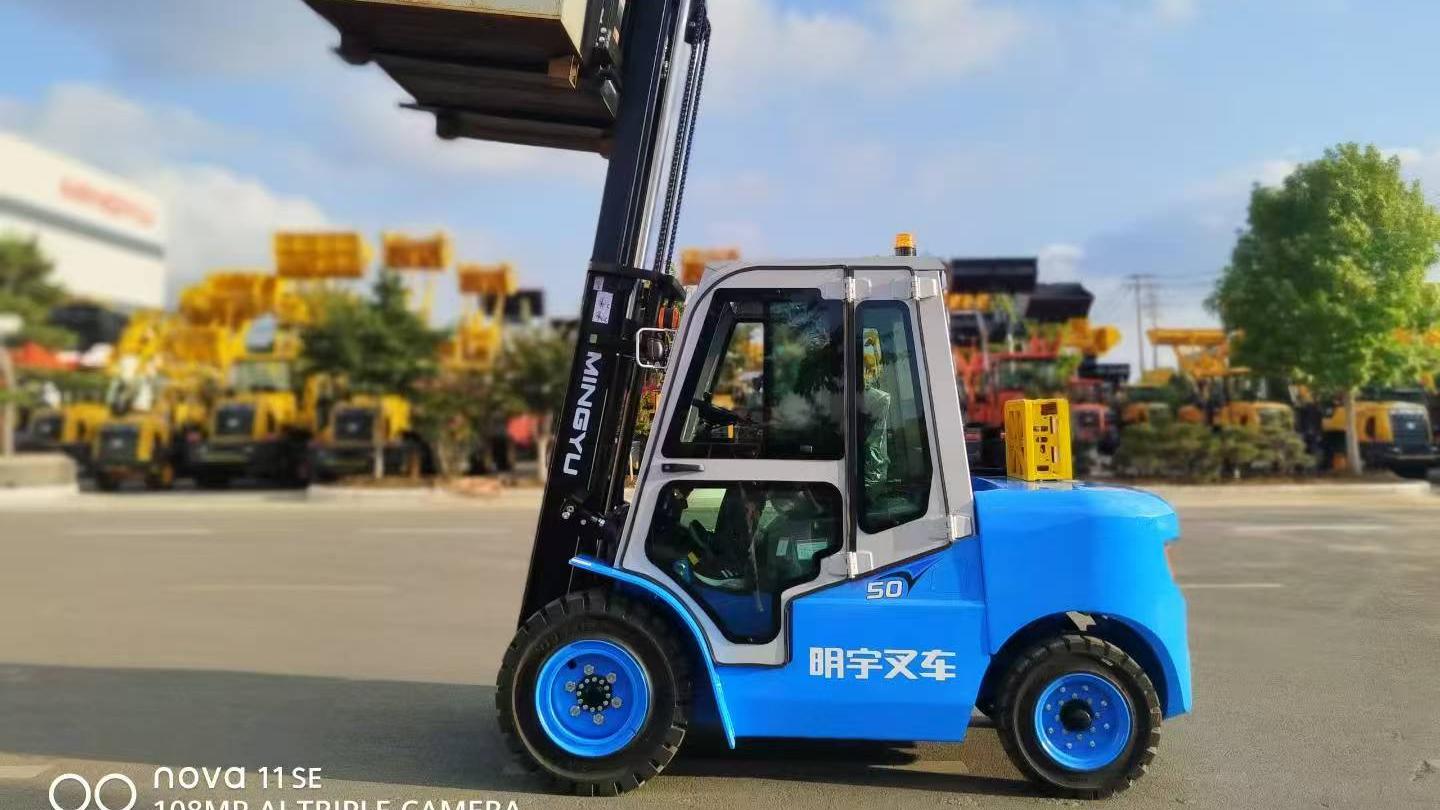
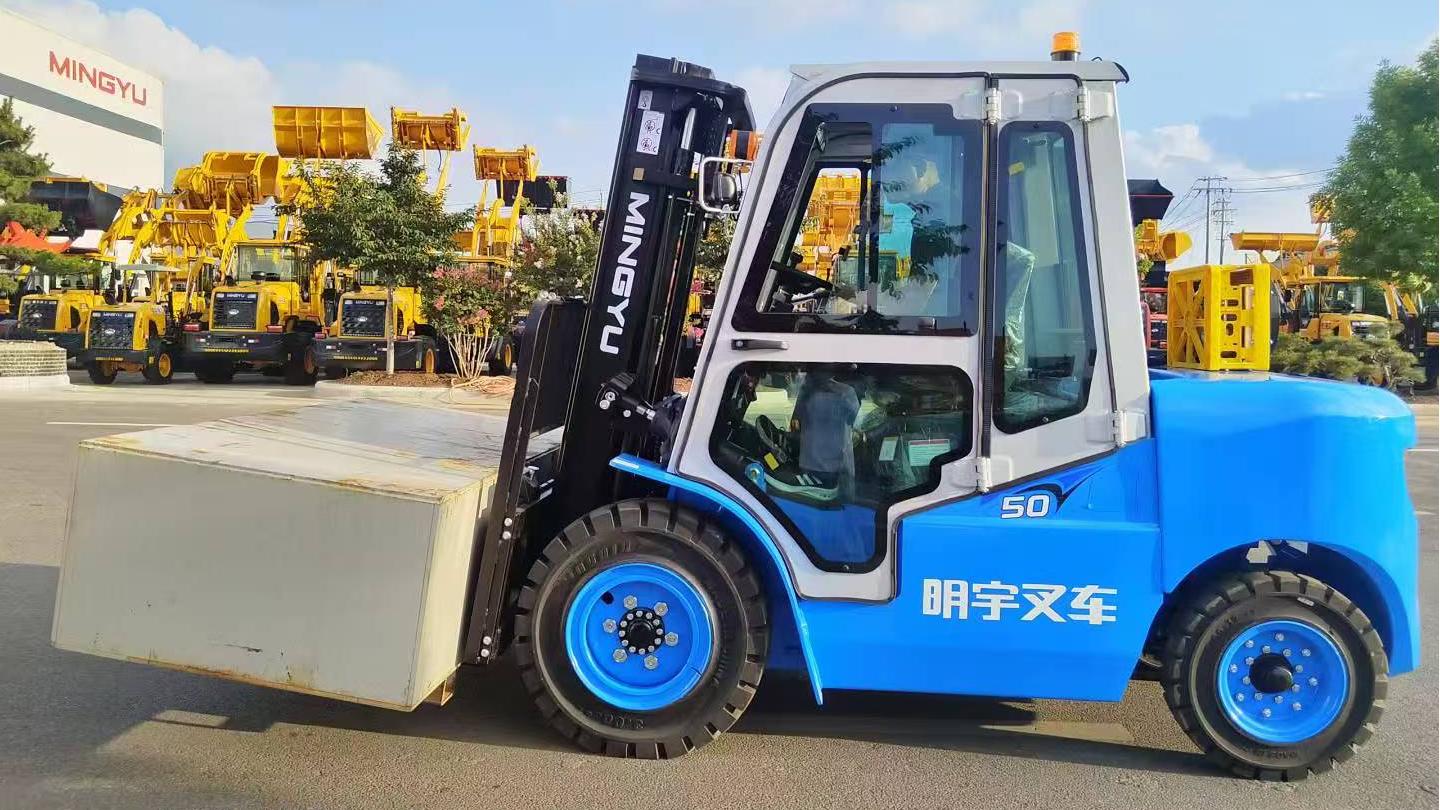
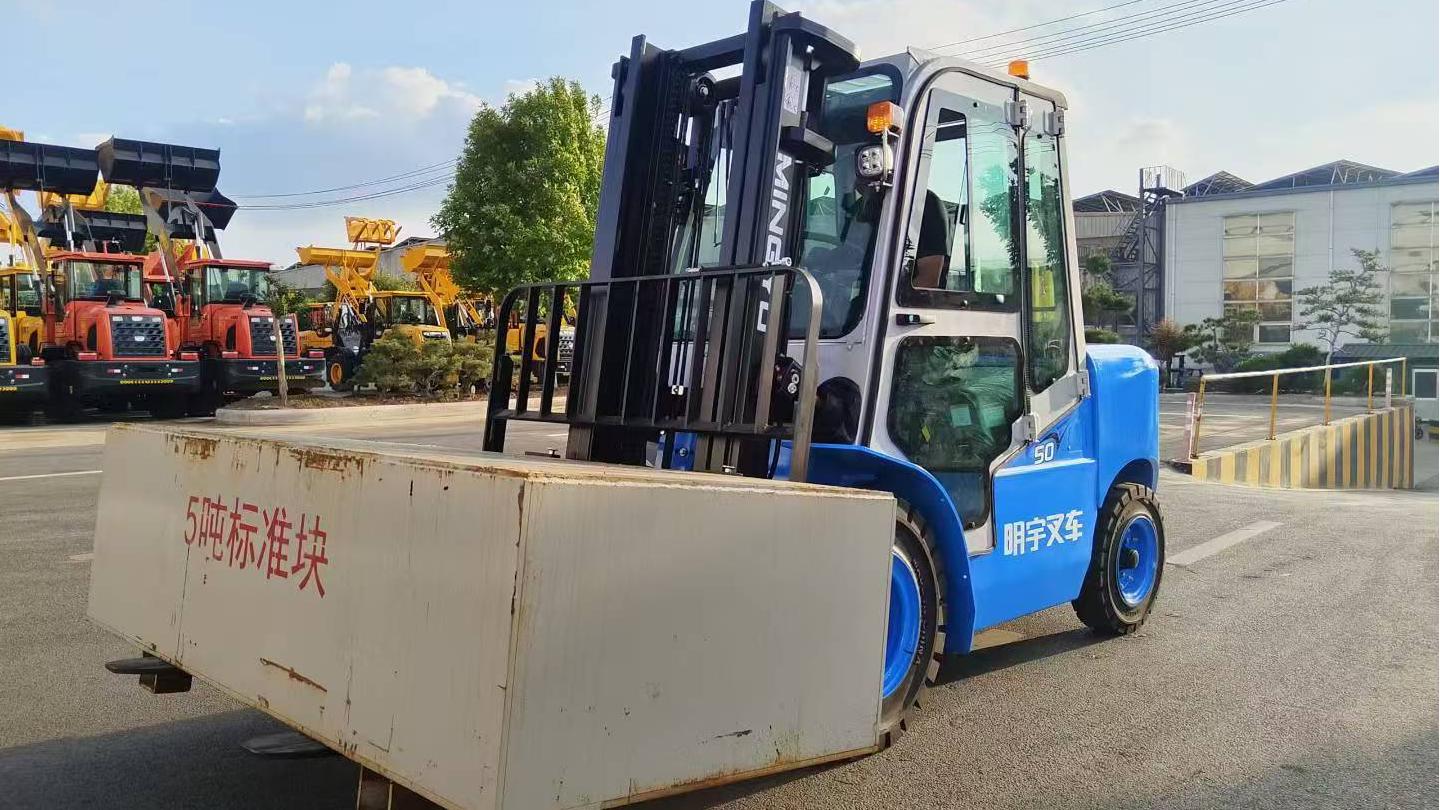
A fully enclosed cab model includes heating, air conditioning, windshield wipers, and improved operator protection for year-round operation.
A cold-storage forklift incorporates low-temperature hydraulic oil, corrosion-resistant materials, and specialized electrical systems.
A rough terrain configuration includes larger tires, higher ground clearance, and improved traction for outdoor construction environments.
Customized export models may also include fire extinguishers, warning lights, cameras, blue safety lights, speed limiters, and customer-specific attachments.
6. Hidden Costs Beyond the Purchase Price
The purchase price is only part of the total investment.
International buyers should also budget for:
Ocean freight
Marine insurance
Customs clearance fees
Import duties
VAT or GST
Port handling charges
Inland transportation
Operating costs include:
Diesel fuel
Lubricants
Engine oil
Hydraulic oil
Tires
Scheduled maintenance
Replacement filters
Batteries
Operator training
Unexpected downtime caused by poor maintenance can significantly increase ownership costs.
Many businesses now evaluate Total Cost of Ownership (TCO) instead of focusing solely on purchase price. A slightly more expensive forklift with better fuel efficiency and lower maintenance costs may prove more economical over several years.
7. Diesel Forklift vs. Electric Forklift: Which Offers Better Value?
Choosing between diesel and electric forklifts depends on the operating environment.
Diesel forklifts generally have lower initial purchase prices than high-capacity lithium-ion electric forklifts and can operate continuously with quick refueling.
Electric forklifts provide lower daily energy costs, reduced maintenance requirements, and zero exhaust emissions, making them ideal for indoor warehouses and food-processing facilities.
Diesel forklifts remain superior for:
Outdoor applications
Uneven ground
Heavy-duty work
Long operating shifts
Remote locations
Construction sites
Lumber yards
Ports
Electric forklifts perform best in:
Warehouses
Retail distribution centers
Pharmaceutical facilities
Food manufacturing
Clean indoor environments
When evaluating value, buyers should compare purchase price, operating costs, maintenance expenses, productivity, battery replacement costs, and expected service life.
8. How to Get the Best Price When Buying a New 3-Ton Diesel Forklift
Several purchasing strategies can reduce costs.
Buying directly from manufacturers often eliminates distributor markups.
Requesting quotations from multiple suppliers allows buyers to compare specifications rather than focusing only on price.
Selecting only necessary options prevents overspending on unused features.
Optimizing container loading can reduce shipping costs significantly.
Before placing an order, buyers should confirm:
Engine brand
Emission certification
Warranty period
Spare parts availability
Delivery time
Factory inspection procedures
Quality certifications
Technical support
Operator manuals
Packing method
Visiting the factory or requesting production photos and inspection reports can provide additional confidence before shipment.
9. Conclusion
A new 3-ton diesel forklift remains one of the most cost-effective material handling investments in 2026. Depending on the manufacturer, engine, configuration, and emission standard, prices typically range from USD 8,500 to over USD 45,000. Entry-level Chinese manufacturers offer highly competitive pricing for buyers with limited budgets, while internationally recognized brands command premium prices due to advanced technology, global dealer networks, and stronger resale value.
However, the purchase price alone should never determine the buying decision. Factors such as fuel efficiency, maintenance costs, warranty coverage, spare parts availability, operator comfort, productivity, and resale value all contribute to the total cost of ownership. A forklift with a slightly higher initial price may ultimately provide better long-term value through reduced operating expenses and greater reliability.
Before purchasing, carefully evaluate your daily workload, lifting height requirements, operating environment, and future business growth. Compare quotations from multiple suppliers, verify quality certifications, and ensure that after-sales service and spare parts support are readily available. By considering both the upfront investment and long-term operating costs, businesses can select the right 3-ton diesel forklift to maximize productivity, improve workplace efficiency, and achieve a strong return on investment for many years.
Post time:Jul.28.2026
