
How Much Does a Forklift Weigh? A Complete Guide
1. Introduction
Forklifts are essential machines in industries like warehousing, construction, manufacturing, and logistics. They are designed to lift, carry, and transport heavy loads efficiently—but one important factor that often gets overlooked is their own weight.
Understanding how much a forklift weighs is critical for several reasons. It affects transportation, workplace safety, floor load capacity, and even the machine’s lifting performance. Whether you’re buying a forklift, renting one, or simply operating it, knowing its weight helps you make better and safer decisions.
In this guide, we’ll break down everything you need to know about forklift weight—from average ranges and different types to the key factors that influence it and why it matters in real-world applications.
2. Average Weight of a Forklift
Forklift weight can vary widely depending on its type, size, and capacity. On average, most forklifts weigh between:
3,000 to 20,000 lbs (1,360 to 9,000 kg)
Here’s a general breakdown:
|
Forklift Type |
Typical Weight Range |
|
Small electric forklifts |
3,000–6,000 lbs |
|
Standard warehouse forklifts |
5,000–9,000 lbs |
|
IC (diesel/gas) forklifts |
6,000–12,000 lbs |
|
Rough terrain forklifts |
10,000–20,000+ lbs |
|
Heavy-duty forklifts |
30,000–100,000+ lbs |
It’s important to note that a forklift often weighs more than the load it can lift. For example, a forklift with a 5,000 lb lifting capacity may weigh around 8,000–9,000 lbs. This extra weight is necessary for stability and balance.
3. Forklift Weight by Type
3.1 Electric Forklifts
Electric forklifts are commonly used indoors in warehouses and distribution centers.
Weight range: 3,000–10,000 lbs
A significant portion of their weight comes from the battery, which can weigh between 800 and 4,000 lbs.
They are generally quieter and more compact than other types.
Despite being “electric,” they are not always lighter. In fact, the battery often acts as a counterweight, making them comparable in weight to internal combustion models.
3.2 Internal Combustion (IC) Forklifts
These forklifts run on diesel, gasoline, or LPG and are often used outdoors.
Weight range: 6,000–12,000+ lbs
Built with heavy-duty engines and reinforced frames
Typically heavier than small electric forklifts
IC forklifts are ideal for heavy lifting and rugged environments but require proper ventilation if used indoors.
3.3 Warehouse Forklifts
This category includes specialized equipment designed for indoor logistics:
Reach trucks: 6,000–9,000 lbs
Order pickers: 3,000–6,000 lbs
Pallet jacks: 1,500–3,000 lbs
These machines are designed for maneuverability in tight spaces, so their weight is optimized for balance and efficiency.
3.4 Rough Terrain Forklifts
Rough terrain forklifts are built for outdoor use on uneven surfaces such as construction sites.
Weight range: 10,000–20,000+ lbs
Equipped with large tires and reinforced frames
Heavier due to added durability and stability
Their extra weight helps maintain balance when operating on slopes or rough ground.
3.5 Heavy-Duty Forklifts
Used in ports, steel plants, and large industrial operations, heavy-duty forklifts can handle extremely heavy loads.
Weight range: 30,000–100,000+ lbs
Designed for lifting containers, steel coils, and large machinery
These machines are significantly larger and require special handling and transport.
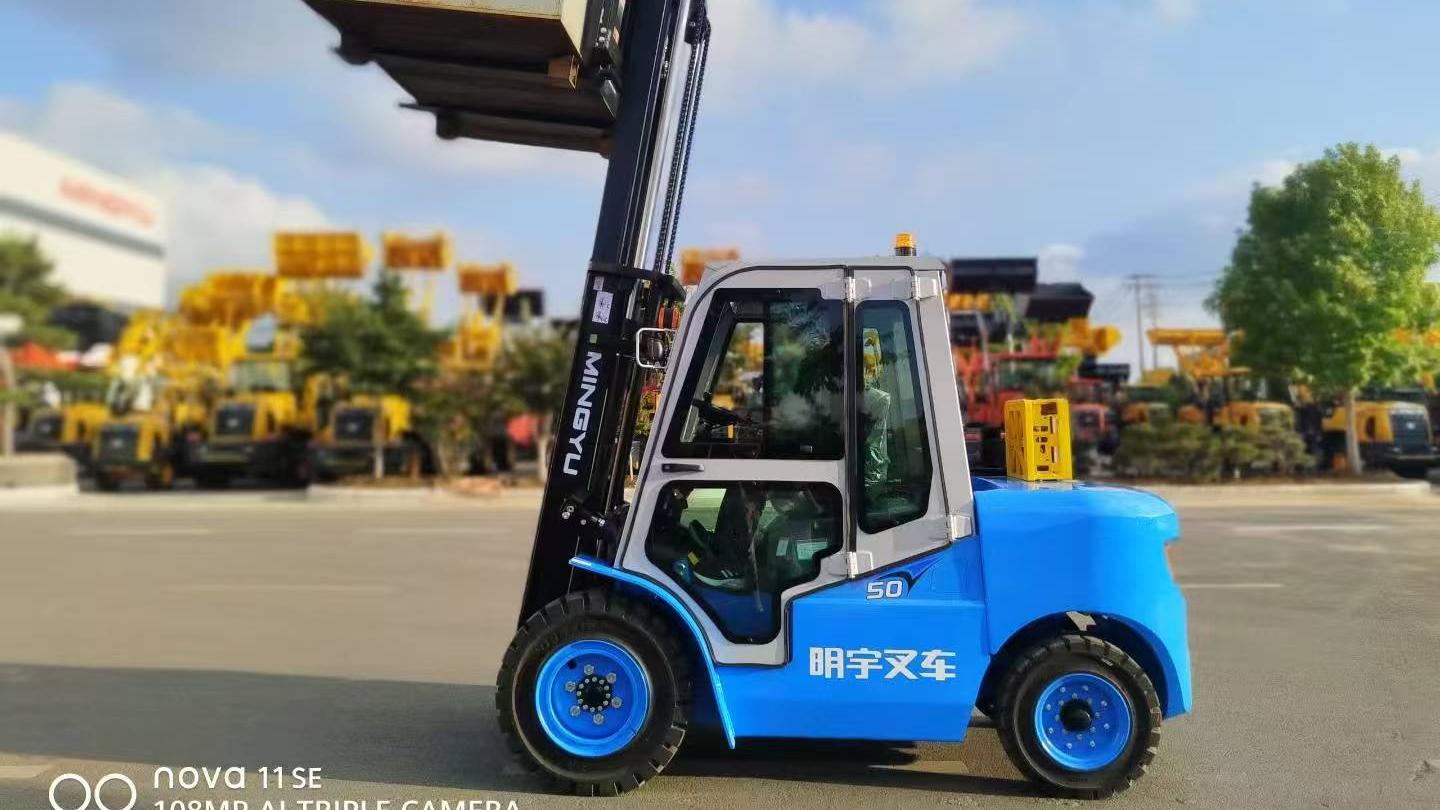
4. What Factors Affect Forklift Weight?
4.1 Load Capacity
The higher the forklift’s lifting capacity, the heavier it needs to be. A larger counterweight is required to balance heavier loads, which increases overall weight.
4.2 Counterweight Design
Most forklifts use a counterbalance system to prevent tipping. This counterweight, usually located at the rear, is a major contributor to the machine’s total weight.
4.3 Power Source
Electric forklifts: Heavy batteries add significant weight
IC forklifts: Engines and fuel systems contribute to weight
Each power source affects the design and balance of the forklift.
4.4 Materials and Build
Forklifts are primarily made of steel and reinforced components to ensure durability. Heavier-duty models use thicker materials, increasing their weight.
4.5 Attachments
Additional attachments can add weight, such as:
Side shifters
Clamps
Rotators
Extended forks
These accessories improve functionality but also increase total machine weight.
5. Why Forklift Weight Matters
5.1 Floor Load Limits
Warehouse floors are designed to support specific weight limits. A forklift that is too heavy can cause floor damage or structural issues, especially when carrying loads.
5.2 Transportation and Shipping
Knowing forklift weight is essential for:
Loading onto trucks or trailers
Container shipping
Compliance with road weight regulations
Incorrect weight calculations can lead to delays or safety risks.
5.3 Workplace Safety
A forklift’s weight directly affects its stability. Heavier forklifts are generally more stable, but improper use can still lead to tipping accidents.
5.4 Operational Efficiency
Lighter forklifts are easier to maneuver, especially in tight warehouse spaces. Heavier models, however, offer more lifting power and stability.
6. How to Find the Weight of a Specific Forklift
If you need to know the exact weight of a forklift, here are the best ways to find it:
Nameplate (Data Plate): Usually located near the operator’s seat
Manufacturer Specifications: Available in brochures or official websites
Operator Manual: Contains detailed technical information
Dealer or Supplier: Can provide accurate specs for your model
Always rely on official sources to ensure accuracy.
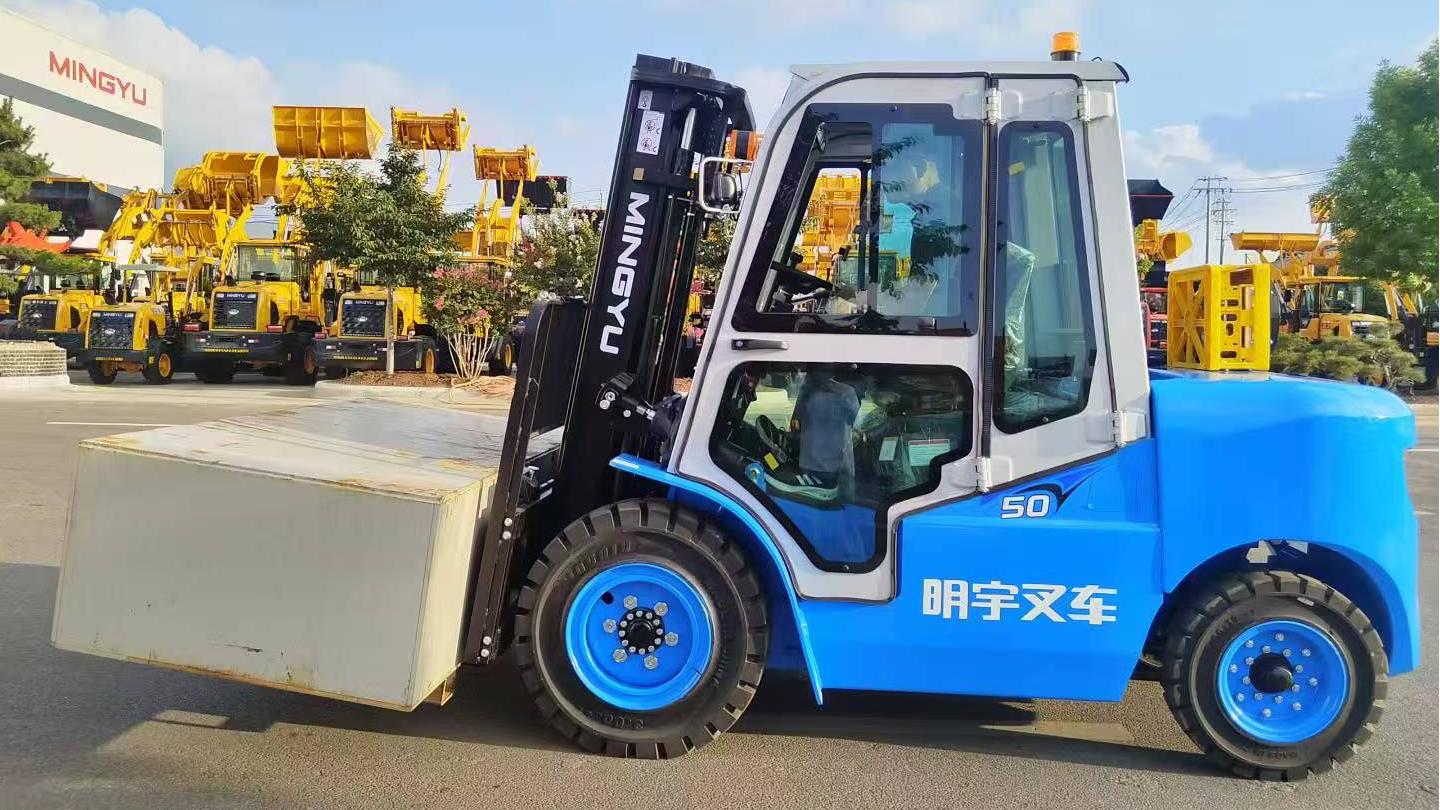
7. Forklift Weight vs Lifting Capacity
A common misconception is that a forklift can lift as much as it weighs—but that’s not true.
Forklifts are designed with a specific load center (distance from the forks to the load’s center of gravity). The farther the load extends, the less weight the forklift can safely lift.
For example:
A forklift weighing 9,000 lbs may have a lifting capacity of 5,000 lbs
Adding attachments or extending the load can reduce that capacity
Understanding this relationship is crucial for safe operation.
8. Tips for Choosing the Right Forklift Weight
Match the job: Choose a forklift with enough weight to handle your typical loads
Consider the environment: Indoor vs outdoor use affects size and weight requirements
Check floor capacity: Ensure your facility can support the forklift
Plan transportation: Make sure you can safely move the forklift when needed
Balance efficiency and power: Don’t choose a heavier machine than necessary
9. Frequently Asked Questions (FAQ)
Q1: How much does a 5,000 lb capacity forklift weigh?
A typical 5,000 lb capacity forklift weighs around 8,000–9,000 lbs.
Q2: Are electric forklifts heavier than diesel ones?
They can be. The battery in an electric forklift can make it as heavy—or even heavier—than a diesel model.
Q3: Can a forklift damage concrete floors?
Yes. If the combined weight of the forklift and load exceeds the floor’s capacity, it can cause cracks or structural damage.
Q4: How much does a forklift battery weigh?
Forklift batteries usually weigh between 800 and 4,000 lbs, depending on size and capacity.
10. Conclusion
Forklift weight is a key factor that impacts safety, performance, and operational efficiency. From small electric models to massive industrial machines, forklift weights can range from a few thousand pounds to over 100,000 lbs.
By understanding the different types of forklifts, the factors that influence their weight, and how weight relates to lifting capacity, you can make smarter decisions when selecting or operating a forklift.
Whether you’re managing a warehouse, working on a construction site, or planning logistics, always consider forklift weight as a critical part of your equipment strategy.
Post time:Apr.28.2026
