
How Much Does a New Wheel Loader Cost in 2026?
1. Introduction
Wheel loaders remain one of the most versatile and productive machines used in construction, agriculture, mining, landscaping, waste management, and material handling industries. Their ability to load, transport, stockpile, and move large volumes of material makes them indispensable for businesses that require efficient earthmoving and loading operations.
As the global construction equipment market continues to evolve, buyers in 2026 face a wider range of wheel loader options than ever before. From compact loaders designed for small farms and municipal projects to large production loaders working in quarries and mining operations, prices vary significantly depending on machine size, technology, emissions compliance, and brand reputation.
Understanding the cost of a new wheel loader is essential before making an investment. The purchase price is only one component of the overall ownership cost. Buyers must also consider fuel consumption, maintenance requirements, spare parts availability, financing costs, and resale value.
In 2026, the average price of a new wheel loader ranges from approximately $25,000 for compact models to well over $1 million for large mining machines. However, most contractors and material handling businesses purchase wheel loaders within the $50,000 to $300,000 range. This article explores wheel loader pricing in detail and explains the factors that influence equipment costs.
2. Average New Wheel Loader Prices in 2026
The cost of a new wheel loader depends primarily on machine size, lifting capacity, operating weight, and intended application.
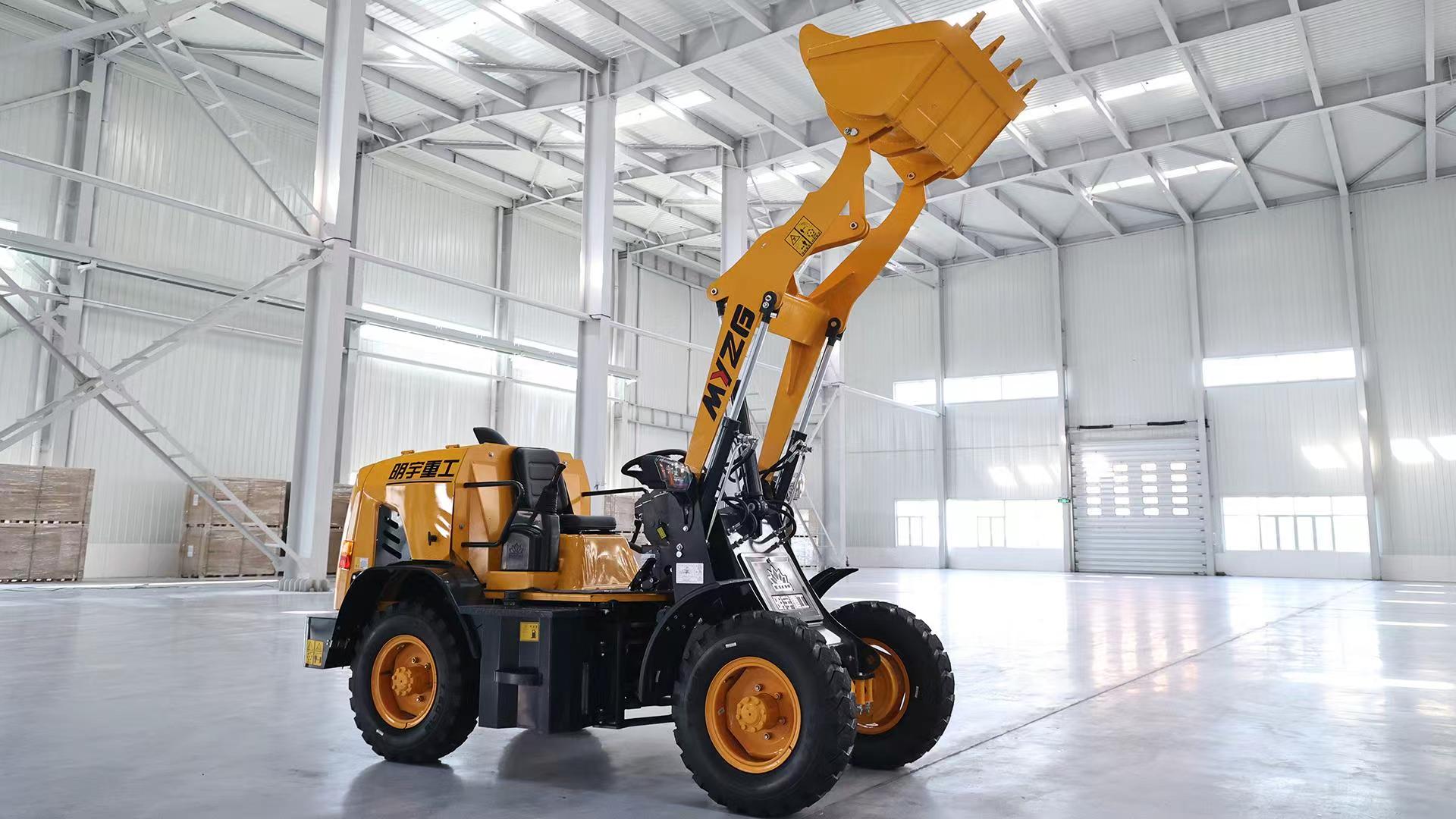
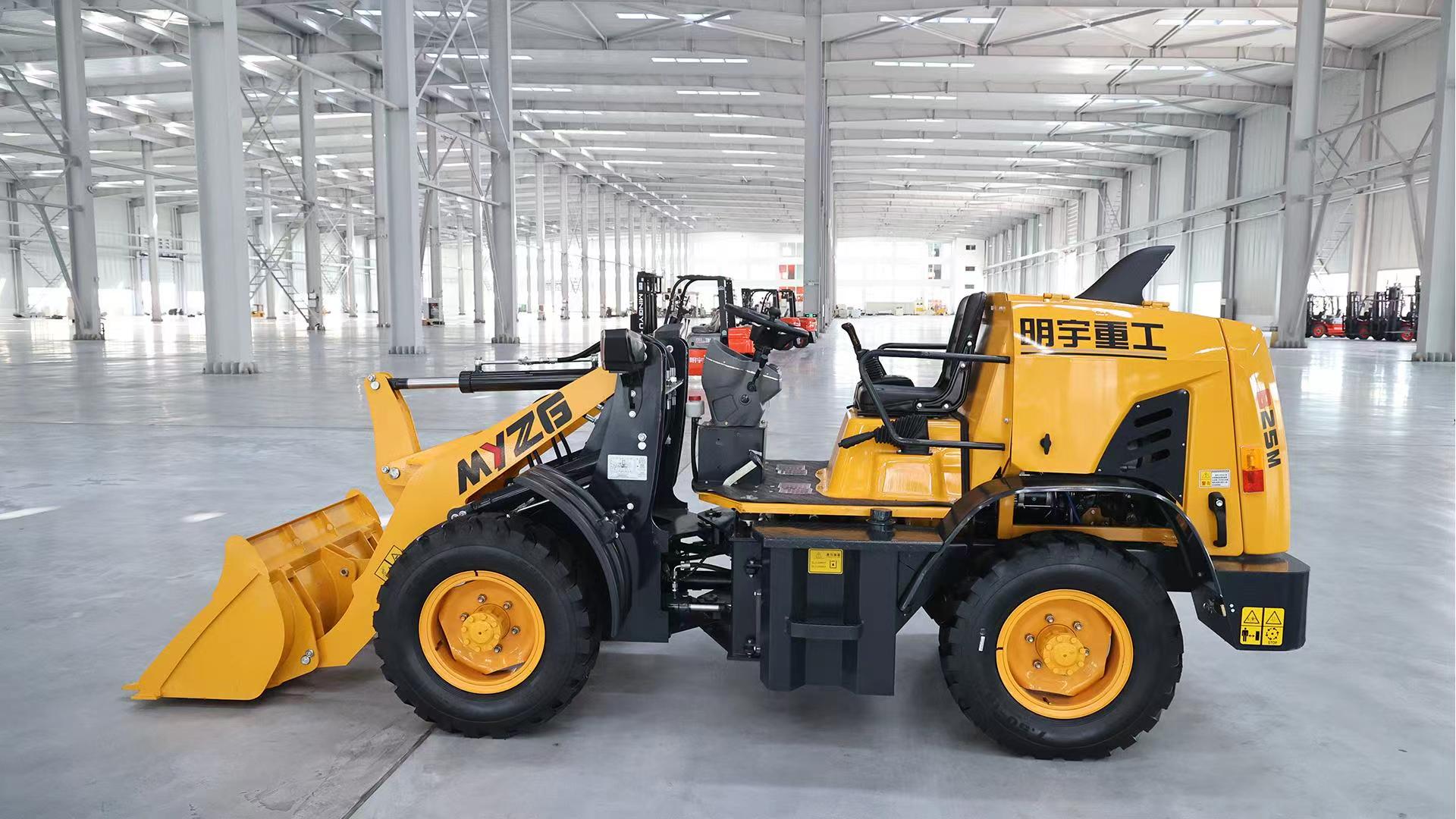
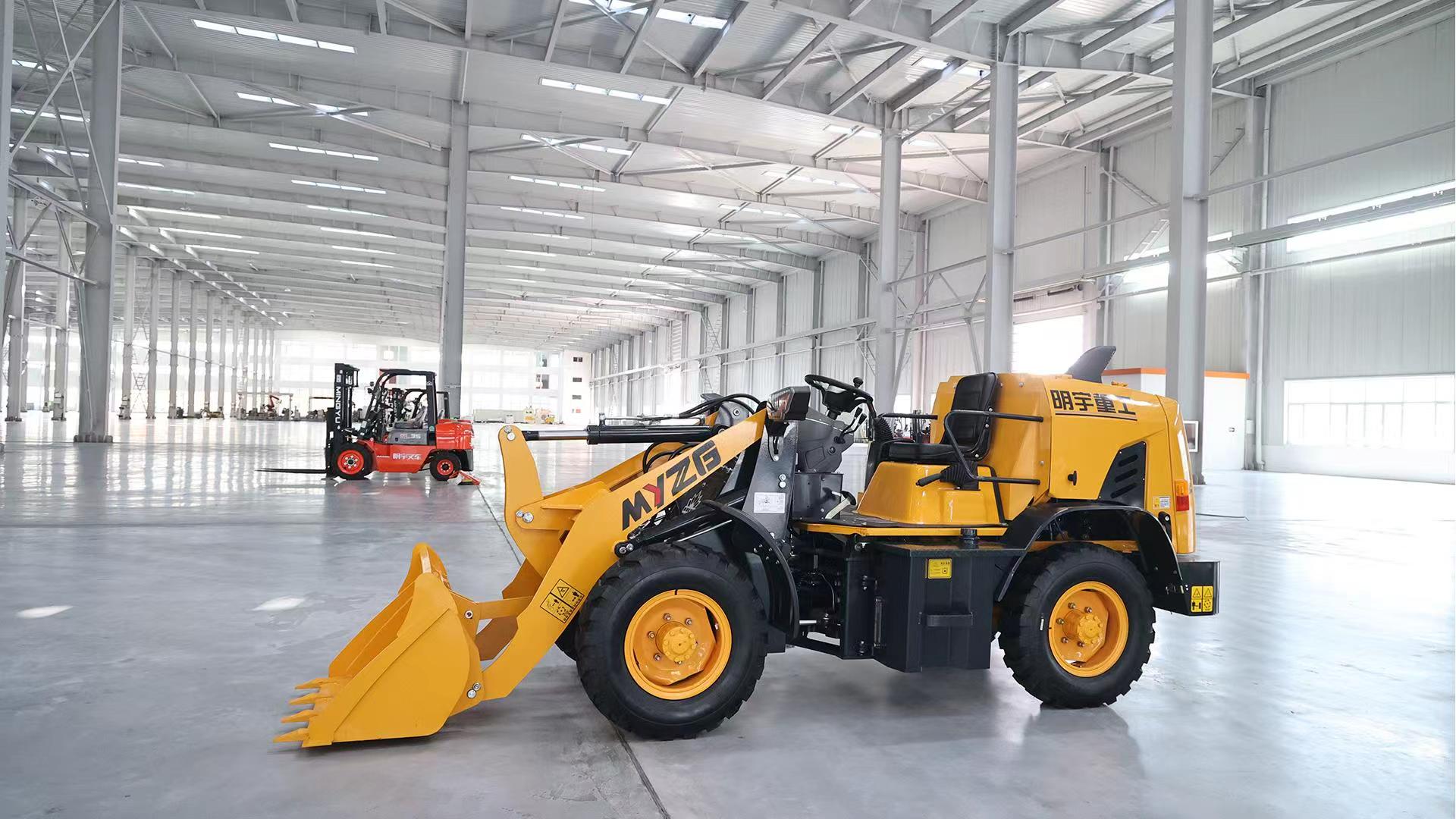
Compact wheel loaders with bucket capacities below 1 cubic meter generally cost between $25,000 and $60,000. These machines are commonly used for landscaping, agriculture, snow removal, and property maintenance.
Small construction loaders with bucket capacities between 1 and 2 cubic meters typically range from $40,000 to $90,000. They are popular among contractors, rental companies, and municipal fleets.
Medium wheel loaders used in construction and aggregate applications often cost between $90,000 and $250,000. These machines provide a balance between productivity and operating costs.
Large wheel loaders used in quarrying and heavy earthmoving operations usually cost between $250,000 and $500,000 or more. Their powerful engines and high-capacity buckets allow them to handle demanding workloads efficiently.
Mining wheel loaders represent the highest investment category. Depending on specifications, these machines can cost from $500,000 to well above $1 million.
While these ranges provide a general guideline, the final purchase price depends on numerous specifications and optional features.
3. Wheel Loader Cost by Bucket Capacity
Bucket capacity is one of the easiest ways to estimate wheel loader pricing because it often correlates with machine size and operating weight.
Loaders with bucket capacities of 0.4 to 1.0 cubic meters are typically used in confined workspaces. These compact machines are affordable and fuel-efficient, making them attractive to small businesses and farms.
Machines equipped with 1.0 to 2.0 cubic meter buckets are among the most popular models worldwide. They offer sufficient lifting power for construction sites, warehouses, and agricultural operations while remaining relatively affordable.
Wheel loaders with bucket capacities between 2.0 and 4.0 cubic meters serve larger construction projects and aggregate facilities. Their higher productivity justifies their increased purchase price.
Large loaders carrying 4.0 to 8.0 cubic meter buckets are common in quarries and mining support operations. These machines require more powerful engines, reinforced frames, and larger hydraulic systems, significantly increasing their cost.
Mining loaders with buckets exceeding 8 cubic meters represent specialized equipment designed for maximum production. Their acquisition costs can easily exceed several hundred thousand dollars due to their size and engineering complexity.
4. Factors That Affect Wheel Loader Pricing
Several factors influence the final cost of a wheel loader.
Engine selection is one of the most important considerations. Machines equipped with premium engines from Cummins, Perkins, Deutz, Kubota, or other globally recognized manufacturers often command higher prices than loaders using domestic engines. Emission-compliant engines meeting Tier 4 Final or Stage V standards also increase equipment costs because they require advanced after-treatment systems.
Operating weight significantly impacts pricing. Heavier machines require larger steel structures, stronger axles, bigger hydraulic components, and more powerful engines. Consequently, their manufacturing costs are substantially higher.
Transmission technology also affects price. Hydrostatic transmissions typically cost more than conventional powershift systems but provide smoother operation, greater fuel efficiency, and improved operator comfort.
Hydraulic systems represent another major factor. Load-sensing hydraulics, high-flow auxiliary circuits, and electronically controlled hydraulic systems improve performance but increase initial costs.
Optional attachments such as pallet forks, snow blades, grapples, sweepers, quick couplers, and high-dump buckets can add thousands of dollars to the final purchase price.
5. Price Comparison: Chinese vs European vs American Brands
Wheel loader buyers often compare equipment from different regions.
Chinese manufacturers have become increasingly competitive in recent years. Many offer modern designs, reliable engines, and attractive pricing. Compact and medium-sized Chinese wheel loaders frequently cost 20% to 40% less than comparable Western models.
European manufacturers are known for advanced engineering, operator comfort, fuel efficiency, and compliance with strict environmental regulations. However, these benefits usually come with premium pricing.
American brands have built strong reputations for durability, dealer support, and high resale values. Their products often command premium prices but may offer lower lifetime ownership costs due to excellent parts availability and service networks.
The best value depends on the buyer's priorities. Some businesses prioritize low initial investment, while others focus on reliability, productivity, and long-term operating costs.
6. Additional Costs Beyond the Purchase Price
Many first-time buyers focus solely on machine price and overlook additional ownership expenses.
Shipping costs can range from a few thousand dollars to tens of thousands of dollars depending on destination, machine size, and freight conditions.
Import duties, customs clearance fees, and value-added taxes can significantly affect total acquisition costs, particularly for international buyers.
Attachments and optional equipment may increase costs by 10% to 30%. Air conditioning, ride control systems, rear-view cameras, quick couplers, and specialized buckets are common upgrades.
Insurance expenses vary according to machine value, operating environment, and local regulations.
Operator training may also represent an additional investment, especially for companies introducing larger or more technologically advanced equipment.
These factors should be considered when calculating the total project budget.
7. Typical Wheel Loader Price Examples in 2026
A compact wheel loader with a 0.6 cubic meter bucket and operating weight below 3 tons may cost between $25,000 and $45,000.
A small construction loader with a 1.2 cubic meter bucket and operating weight around 5 tons generally ranges from $50,000 to $90,000.
A medium-sized wheel loader with a 3 cubic meter bucket often costs between $120,000 and $250,000 depending on brand and configuration.
A large quarry loader with a 5 cubic meter bucket can easily exceed $300,000.
Mining loaders with bucket capacities above 8 cubic meters frequently cost between $600,000 and $1.5 million.
These examples illustrate how machine size directly affects pricing and investment requirements.
8. How to Choose the Right Wheel Loader for Your Budget
Selecting a wheel loader should begin with a clear understanding of the intended application.
Buyers should evaluate material type, loading cycle requirements, dump height, and daily operating hours before choosing a machine size.
Bucket capacity should match the density of the material being handled. For example, a bucket carrying light mulch requires far less lifting capacity than one handling crushed stone.
Future growth should also be considered. Purchasing a slightly larger machine may provide additional flexibility as business needs expand.
Fuel efficiency remains a critical factor because operating costs accumulate quickly over thousands of hours.
Dealer support, spare parts availability, and warranty coverage are equally important. A lower-priced machine may become more expensive if replacement parts are difficult to obtain.
Ultimately, buyers should compare total cost of ownership rather than focusing exclusively on purchase price.
9. Is 2026 a Good Time to Buy a New Wheel Loader?
Several market trends suggest that 2026 remains a favorable year for wheel loader purchases.
Global infrastructure investments continue to drive demand for construction equipment. At the same time, competition among manufacturers provides buyers with a wider selection of models and technologies.
Many manufacturers are introducing more fuel-efficient engines, improved hydraulic systems, and enhanced operator comfort features. These innovations help reduce long-term operating costs.
Electric wheel loaders are also becoming more common, particularly in urban and indoor applications. While their initial prices may be higher, lower energy and maintenance costs can offset the difference over time.
Financing options remain widely available in many markets, allowing businesses to acquire equipment without significant upfront capital expenditures.
10. New vs Used Wheel Loader: Which Is Better?
Both new and used wheel loaders offer advantages.
New machines provide full warranties, the latest technology, maximum reliability, and predictable maintenance schedules. They are often preferred by businesses that depend on high equipment uptime.
Used wheel loaders require a lower initial investment and may offer excellent value when purchased from reputable sources. However, buyers must carefully inspect machine condition, service history, and component wear.
For businesses operating equipment daily, new loaders often provide greater productivity and lower unexpected repair costs.
For occasional users or budget-conscious buyers, well-maintained used machines can represent a practical alternative.
The best choice depends on budget, workload, and risk tolerance.
11. Financing Options for Wheel Loader Buyers
Many buyers finance wheel loader purchases rather than paying cash.
Equipment loans remain one of the most common financing methods. Monthly payments spread the investment over several years while allowing immediate machine use.
Leasing provides lower monthly costs and may include maintenance packages. It is particularly attractive for companies that regularly upgrade equipment.
Rent-to-own programs combine rental flexibility with eventual ownership and are increasingly popular among smaller contractors.
Manufacturer financing often offers competitive interest rates and promotional incentives.
Before committing to any financing arrangement, buyers should compare interest rates, payment schedules, residual values, and ownership conditions.
12. Conclusion
The cost of a new wheel loader in 2026 varies significantly depending on machine size, bucket capacity, engine specifications, emissions compliance, hydraulic technology, and brand reputation. Compact models may cost as little as $25,000, while large mining loaders can exceed $1 million.
For most construction, agricultural, and material handling applications, buyers can expect to invest between $50,000 and $300,000 for a modern, productive wheel loader.
When evaluating equipment, focusing solely on purchase price can be misleading. Factors such as fuel efficiency, maintenance requirements, financing costs, dealer support, and resale value play equally important roles in determining long-term profitability.
By carefully assessing operational requirements and comparing total ownership costs, businesses can select the wheel loader that delivers the best return on investment and supports sustainable growth in 2026 and beyond.
Post time:Jun.16.2026
