
Electric Forklift vs LPG Forklift: Which Has Lower Total Operating Cost?
1. Introduction
When purchasing a forklift, many buyers focus primarily on the initial purchase price. However, experienced fleet managers understand that the true cost of owning a forklift extends far beyond the upfront investment. Fuel or electricity expenses, maintenance costs, repairs, downtime, operator productivity, and resale value can significantly impact the overall financial performance of a forklift throughout its service life.
In recent years, electric forklifts have experienced rapid growth due to advancements in lithium-ion battery technology, increasing environmental regulations, and rising fuel prices. At the same time, LPG forklifts continue to remain popular because of their versatility, fast refueling capabilities, and ability to operate both indoors and outdoors.
For warehouses, manufacturing facilities, logistics centers, and distribution companies, selecting the right forklift type can influence operating costs for many years. While electric forklifts generally offer lower energy and maintenance expenses, LPG forklifts may provide advantages in high-utilization applications where continuous operation is critical.
This article compares electric and LPG forklifts from a Total Cost of Ownership (TCO) perspective, examining purchase costs, energy expenses, maintenance requirements, productivity factors, and long-term financial implications to help businesses determine which option delivers the lowest overall operating cost.
2. Understanding Electric and LPG Forklifts
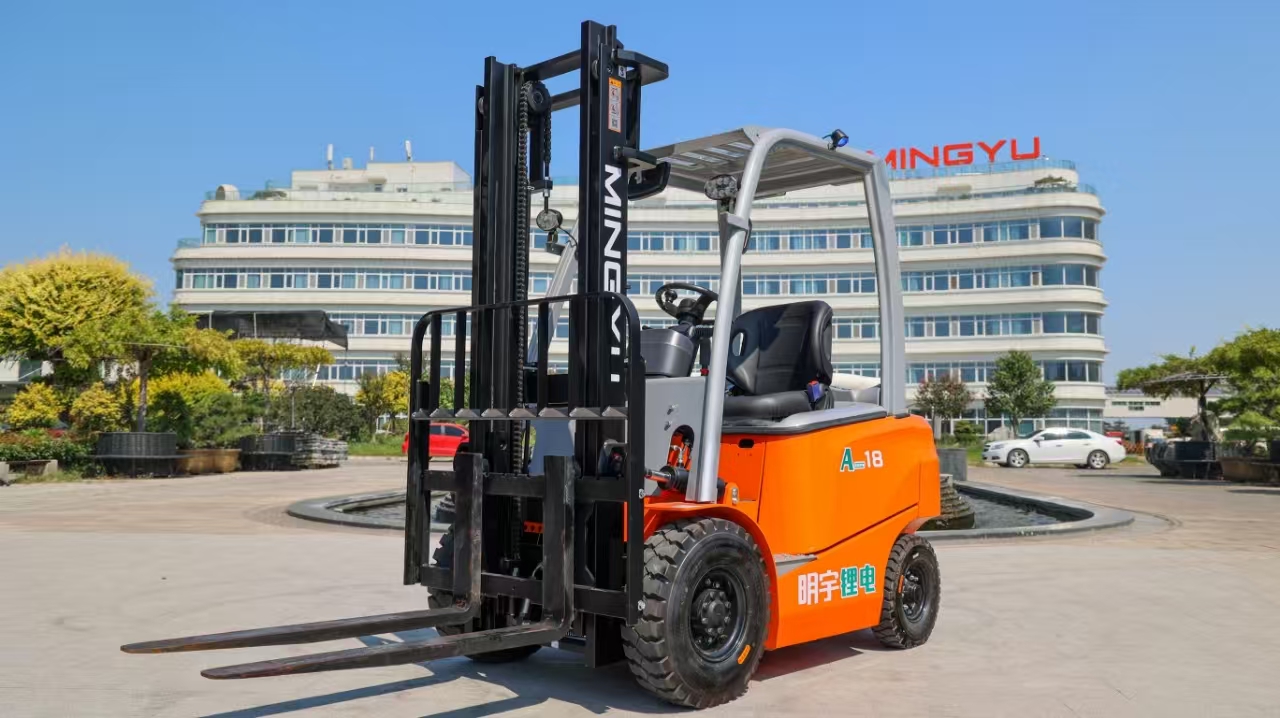
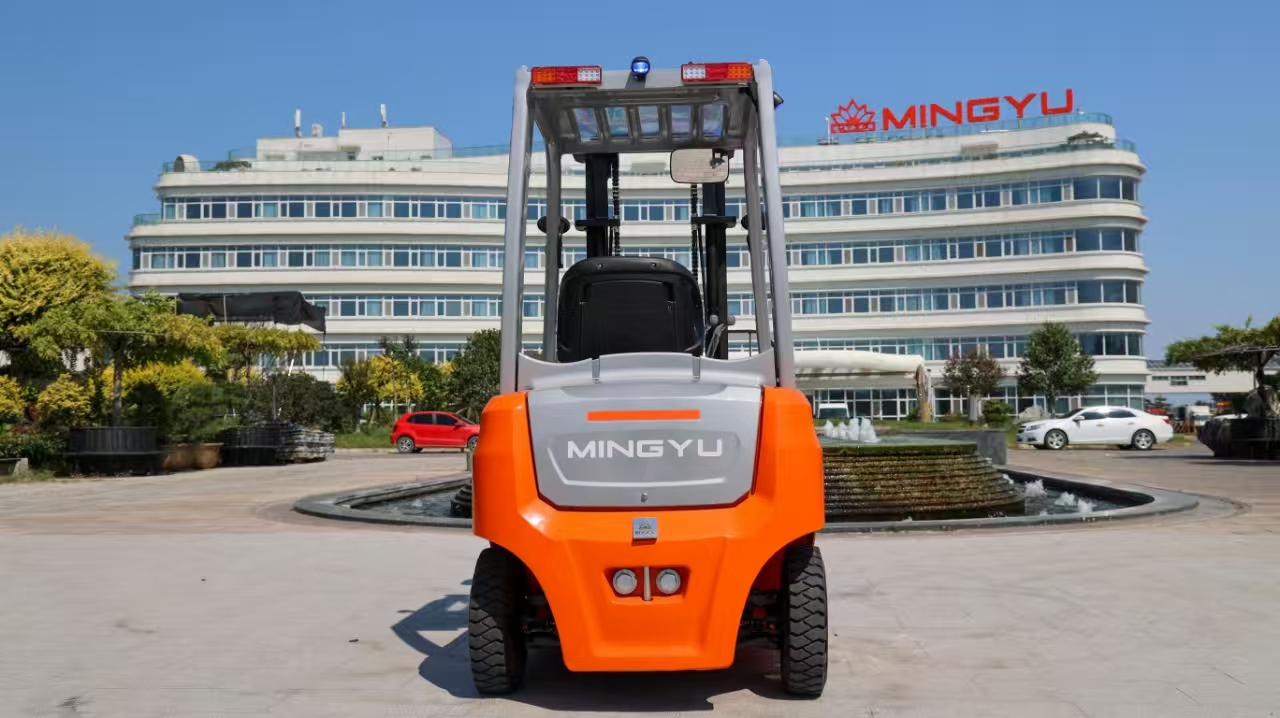
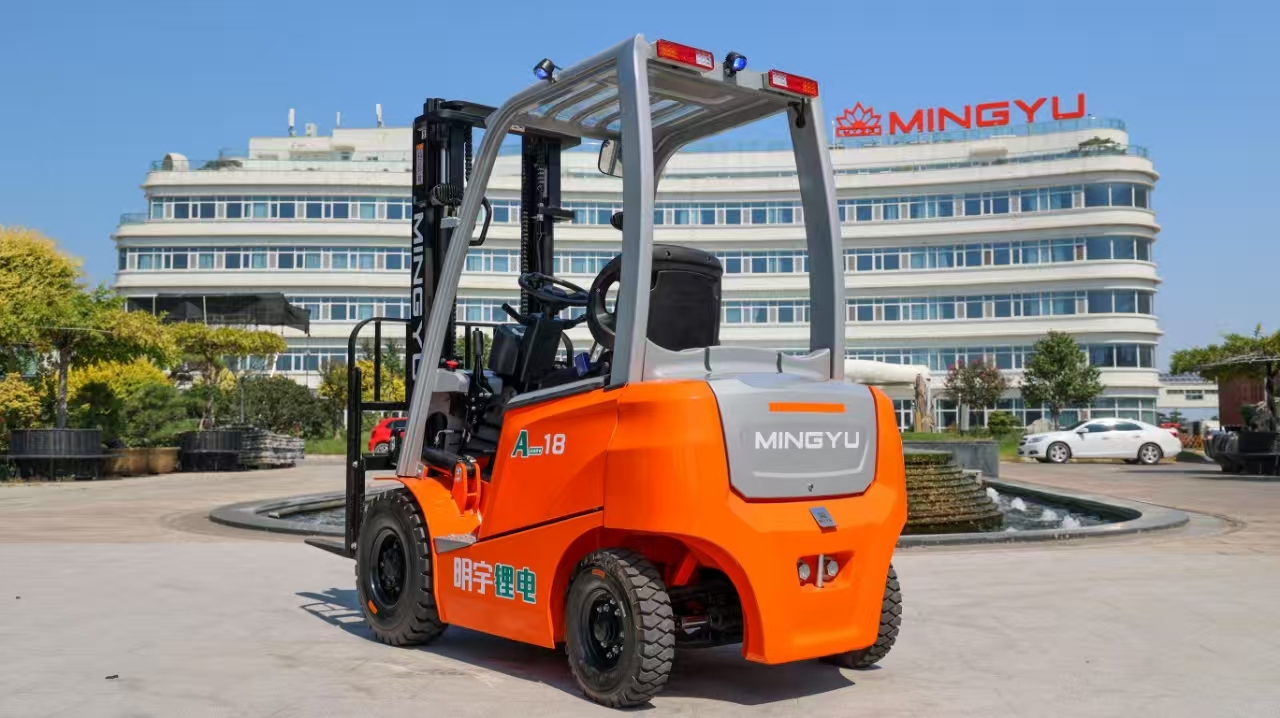
Electric forklifts use battery-powered electric motors to drive and lift loads. Modern electric forklifts are commonly equipped with either lithium-ion batteries or traditional lead-acid batteries. Lithium batteries offer faster charging, longer service life, and minimal maintenance requirements, making them increasingly popular in modern warehouses.
Electric forklifts are widely used in indoor environments due to their zero exhaust emissions, quiet operation, and smooth performance. They are particularly suitable for food processing plants, pharmaceutical facilities, retail warehouses, and distribution centers where air quality is important.
LPG forklifts utilize internal combustion engines powered by liquefied petroleum gas. These machines combine the flexibility of fuel-powered equipment with relatively clean emissions compared to diesel-powered forklifts.
One of the major advantages of LPG forklifts is their ability to operate continuously with rapid tank replacement. This makes them suitable for multi-shift operations and applications where charging downtime would be problematic.
Electric forklifts are commonly available in capacities ranging from 1.5 to 5 tons, while LPG forklifts are frequently available from 2 to 7 tons or more. Both technologies continue to evolve and compete in similar market segments.
3. Initial Purchase Cost Comparison
The purchase price remains an important consideration when evaluating forklift investments.
A typical 2.5-ton electric forklift equipped with a lithium battery often costs more than an equivalent LPG forklift. Buyers must consider not only the forklift itself but also the battery pack and charging equipment. Lithium battery systems can represent a substantial portion of the total purchase price.
In contrast, LPG forklifts generally have lower initial acquisition costs. The engine technology is mature, and fuel tanks are relatively inexpensive compared to large industrial battery systems.
For example, a new 2.5-ton LPG forklift may cost 10% to 30% less than a comparable lithium-powered electric model. However, the lower purchase price does not necessarily translate into lower lifetime operating costs.
Businesses planning long-term ownership often evaluate the higher initial cost of electric forklifts against future savings in energy and maintenance expenses.
4. Energy Cost Analysis
Energy expenses represent one of the most significant components of forklift operating costs.
Electric forklifts typically consume between 5 and 10 kWh of electricity per operating hour, depending on load conditions, operator habits, and battery technology. Even in regions with relatively high electricity prices, the hourly operating cost often remains lower than fuel-powered alternatives.
LPG forklifts consume propane during operation, and fuel costs vary depending on local energy markets. A typical 2.5-ton LPG forklift may consume approximately 2 to 4 liters of LPG equivalent per hour under moderate working conditions.
When comparing cost per operating hour, electricity generally provides a substantial advantage. In many markets, electric forklifts can reduce energy expenses by 40% to 70% compared with LPG-powered models.
Over 2,000 operating hours per year, these savings become significant. Over five years of operation, lower energy costs alone can offset much of the higher purchase price associated with electric forklifts.
5. Maintenance Cost Comparison
Maintenance requirements differ considerably between electric and LPG forklifts.
Electric forklifts contain fewer moving parts. They do not require engine oil changes, spark plug replacement, air filter servicing, or exhaust system maintenance. Their primary maintenance needs involve battery inspection, hydraulic systems, tires, brakes, and electrical components.
Modern lithium-ion batteries require very little routine maintenance compared with traditional lead-acid batteries, which often require watering and regular inspections.
LPG forklifts, like all internal combustion engine equipment, require periodic engine servicing. Oil changes, filter replacements, ignition system maintenance, cooling system checks, and fuel system servicing contribute to higher maintenance expenses.
As a result, annual maintenance costs for electric forklifts are frequently 20% to 50% lower than those of comparable LPG forklifts.
For fleets operating multiple units, these maintenance savings can become substantial over time.
6. Battery Replacement vs Engine Overhaul Costs
Although electric forklifts generally require less maintenance, battery replacement remains a significant long-term consideration.
Lead-acid batteries typically last between 1,200 and 1,500 charging cycles. Depending on usage intensity, replacement may be necessary after four to six years.
Lithium-ion batteries generally provide 3,000 to 5,000 charging cycles and can often last eight to ten years or longer with proper management.
Battery replacement can represent a significant expense. However, modern lithium battery prices continue to decline as production volumes increase.
LPG forklifts face their own long-term costs. Internal combustion engines eventually require major repairs or complete overhauls. Components such as pistons, valves, injectors, and transmission systems experience wear over thousands of operating hours.
When comparing ownership periods of five to ten years, both technologies may require major component investments. However, electric forklifts often maintain an advantage due to lower routine maintenance costs throughout their lifespan.
7. Productivity and Labor Cost Considerations
Productivity directly influences operating costs.
One advantage of LPG forklifts is rapid refueling. Replacing an LPG tank typically requires only a few minutes, allowing continuous operation with minimal downtime.
Traditional lead-acid electric forklifts require longer charging periods and often need battery replacement systems for multi-shift operations.
However, modern lithium-ion forklifts have significantly reduced this disadvantage. Opportunity charging during breaks and lunch periods allows many operations to maintain productivity without battery swapping.
Electric forklifts also provide smoother acceleration, better controllability, and reduced operator fatigue. These factors can improve productivity and lower labor-related costs.
In high-volume warehouse environments, improved maneuverability and operator comfort may generate measurable efficiency gains over time.
8. Environmental and Regulatory Costs
Environmental regulations increasingly influence equipment ownership decisions.
Electric forklifts produce zero tailpipe emissions, making them ideal for indoor environments where air quality regulations are strict. Their operation eliminates concerns related to carbon monoxide exposure and indoor ventilation requirements.
LPG forklifts generate fewer emissions than diesel models but still produce exhaust gases that must be managed appropriately in enclosed spaces.
As governments continue implementing carbon reduction policies, electric forklifts may become even more attractive due to regulatory incentives and lower compliance costs.
Companies pursuing sustainability initiatives also benefit from reduced carbon footprints when operating electric equipment.
These environmental advantages may indirectly contribute to lower long-term operating costs and improved corporate image.
9. Total Cost of Ownership (TCO) Comparison
When all expenses are considered, electric forklifts frequently demonstrate lower total ownership costs.
During the first three years of ownership, LPG forklifts may remain competitive due to their lower purchase price.
By year five, however, lower energy consumption and reduced maintenance expenses often allow electric forklifts to recover their higher initial investment.
Over seven to ten years, electric forklifts commonly achieve the lowest total cost of ownership in warehouse and distribution applications.
For operations with annual usage exceeding 2,000 hours, the economic advantages of electric forklifts become increasingly significant.
However, specific results vary according to local electricity rates, LPG prices, maintenance practices, and utilization patterns.
10. Electric vs LPG Forklift for Different Applications
Electric forklifts are particularly effective in warehouses, logistics centers, food processing facilities, pharmaceutical plants, and retail distribution operations.
Their quiet operation, zero emissions, and low maintenance requirements make them ideal for indoor use.
LPG forklifts perform well in outdoor yards, construction supply facilities, lumber operations, and mixed indoor-outdoor applications where weather resistance and continuous operation are priorities.
Businesses operating multiple shifts without convenient charging infrastructure may also prefer LPG equipment.
The best choice depends heavily on operational requirements and working environments.
11. Which Forklift Provides Better Return on Investment?
Small businesses operating forklifts only occasionally may prioritize lower purchase prices and choose LPG models.
Medium-sized operations often find electric forklifts attractive because energy savings quickly accumulate.
Large warehouse operators and logistics companies frequently achieve the greatest return on investment from electric fleets due to high annual utilization rates.
Facilities operating more than 2,500 hours per year per forklift often realize substantial long-term savings with electric equipment.
Conversely, seasonal operations with low utilization may require many years to recover the higher initial investment of electric forklifts.
Careful analysis of utilization patterns remains essential when calculating return on investment.
12. Conclusion
Both electric and LPG forklifts offer distinct advantages, but their total operating costs differ significantly over time.
Electric forklifts generally provide lower energy costs, reduced maintenance expenses, quieter operation, and superior environmental performance. These advantages often result in the lowest total cost of ownership for warehouses, distribution centers, and indoor logistics operations.
LPG forklifts continue to offer benefits such as lower purchase prices, rapid refueling, and flexibility in mixed indoor-outdoor environments. They remain a practical solution for applications requiring continuous operation and limited charging infrastructure.
For businesses focused on long-term operating efficiency, electric forklifts frequently deliver the greatest financial return, particularly when equipped with modern lithium-ion batteries.
Ultimately, the best choice depends on operating hours, application requirements, energy prices, and ownership duration. By evaluating all components of total cost of ownership rather than focusing solely on purchase price, companies can make more informed equipment investment decisions and maximize profitability over the life of their forklifts.
Post time:Jun.17.2026
