
How Much Does a Forklift Truck Weigh?
1. Introduction
Forklifts are essential material handling machines used in warehouses, logistics centers, ports, factories, and construction sites. One of the most frequently asked questions by buyers and operators is: how much does a forklift truck weigh?
The answer is not fixed because forklift weight depends on many factors such as lifting capacity, power type, mast height, counterweight design, and attachments. In this guide, we will break down forklift weight in detail to help you better understand different models and choose the right machine.
2. Why Forklift Weight Matters
Forklift weight is not just a technical number—it directly affects real-world operation. Heavier forklifts usually provide better stability when lifting heavy loads, but they also require stronger floors and more careful transportation planning.
Key reasons forklift weight matters:
Warehouse floor load capacity
Transport and container loading safety
Machine stability during lifting
Fuel or energy consumption
Compliance with industrial safety standards
Understanding forklift weight helps prevent accidents and improves operational efficiency.
3. Average Forklift Weight Range
Forklift trucks vary widely in weight depending on design and usage. In general:
Small electric forklifts: 1,500–3,000 kg
Standard warehouse forklifts: 3,000–6,000 kg
Heavy-duty forklifts: 6,000–10,000+ kg
Industrial ultra-heavy forklifts: 10,000–20,000+ kg
There is no universal standard because forklift weight is directly related to its lifting capacity and structure.
4. Electric Forklift Weight
Electric forklifts are widely used in indoor warehouses and distribution centers. They are powered by large industrial batteries that significantly affect total weight.
Typical weight range:
2,000 kg to 5,000 kg
Characteristics:
Battery accounts for 15–30% of total weight
Compact design but heavy base for stability
Ideal for indoor operations and narrow aisles
Zero emissions and low noise
Electric forklifts are efficient but still heavy due to energy storage systems.
5. Diesel Forklift Weight
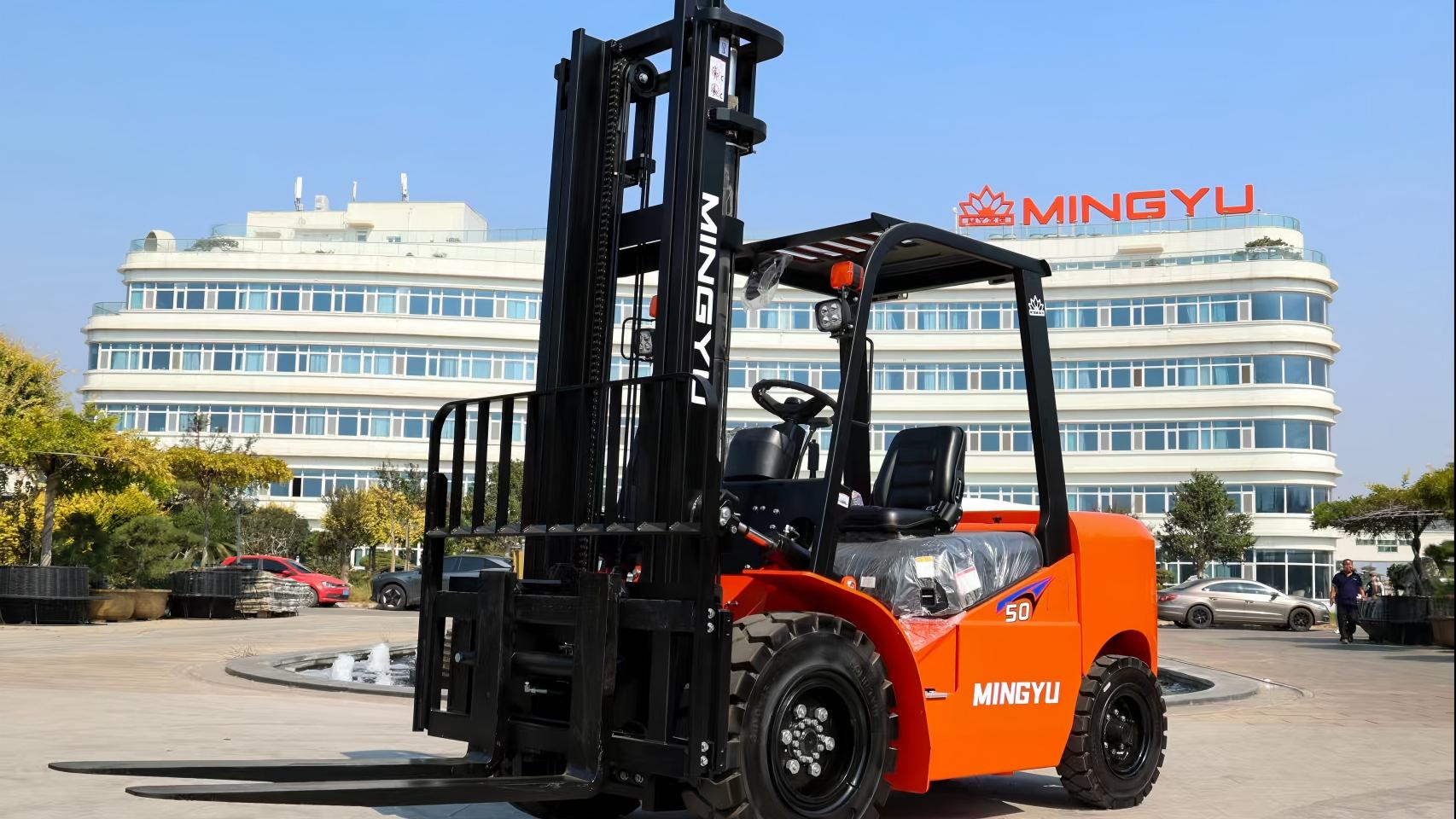
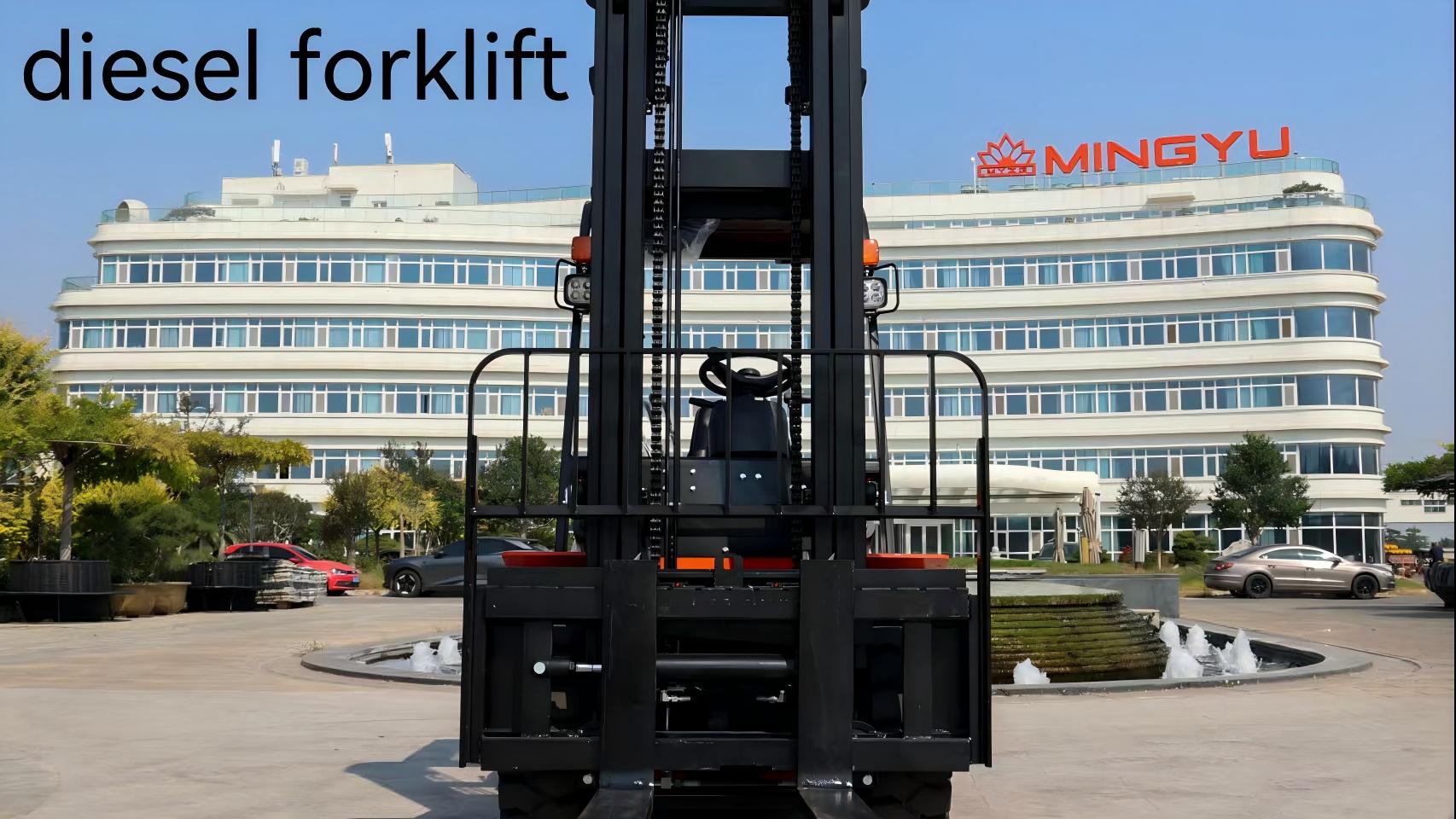
Diesel forklifts are designed for outdoor and heavy-duty applications such as construction sites, ports, and factories.
Typical weight range:
3,500 kg to over 10,000 kg
Key features affecting weight:
Large diesel engine
Reinforced steel frame
Heavy counterweights
Strong lifting mast
Diesel forklifts are generally the heaviest among standard industrial forklifts due to their rugged structure.
6. LPG (Gas) Forklift Weight
LPG forklifts use liquefied petroleum gas and are widely used in logistics and manufacturing environments where flexibility is needed.
Typical weight range:
3,000 kg to 7,000 kg
Advantages:
Cleaner than diesel
Suitable for both indoor and outdoor use
Balanced performance and weight distribution
LPG forklifts sit between electric and diesel models in terms of weight and power.
7. Rough Terrain Forklift Weight
Rough terrain forklifts are specially designed for construction sites, agriculture, and uneven ground conditions.
Typical weight range:
6,000 kg to 15,000+ kg
Why they are heavier:
Oversized pneumatic tires
Reinforced chassis for impact resistance
High ground clearance
Strong lifting system for unstable environments
Their heavy weight ensures stability on uneven surfaces.
8. Forklift Weight by Load Capacity
Forklift weight is closely linked to lifting capacity because of the counterbalance system.
1.5 ton forklift: 2,500–3,500 kg
2.0 ton forklift: 3,000–4,000 kg
2.5 ton forklift: 3,500–4,800 kg
3.0–5.0 ton forklift: 5,000–8,000 kg
10+ ton forklift: 10,000–20,000+ kg
Higher capacity forklifts require stronger frames and heavier rear counterweights to maintain balance.
9. Key Components That Affect Forklift Weight
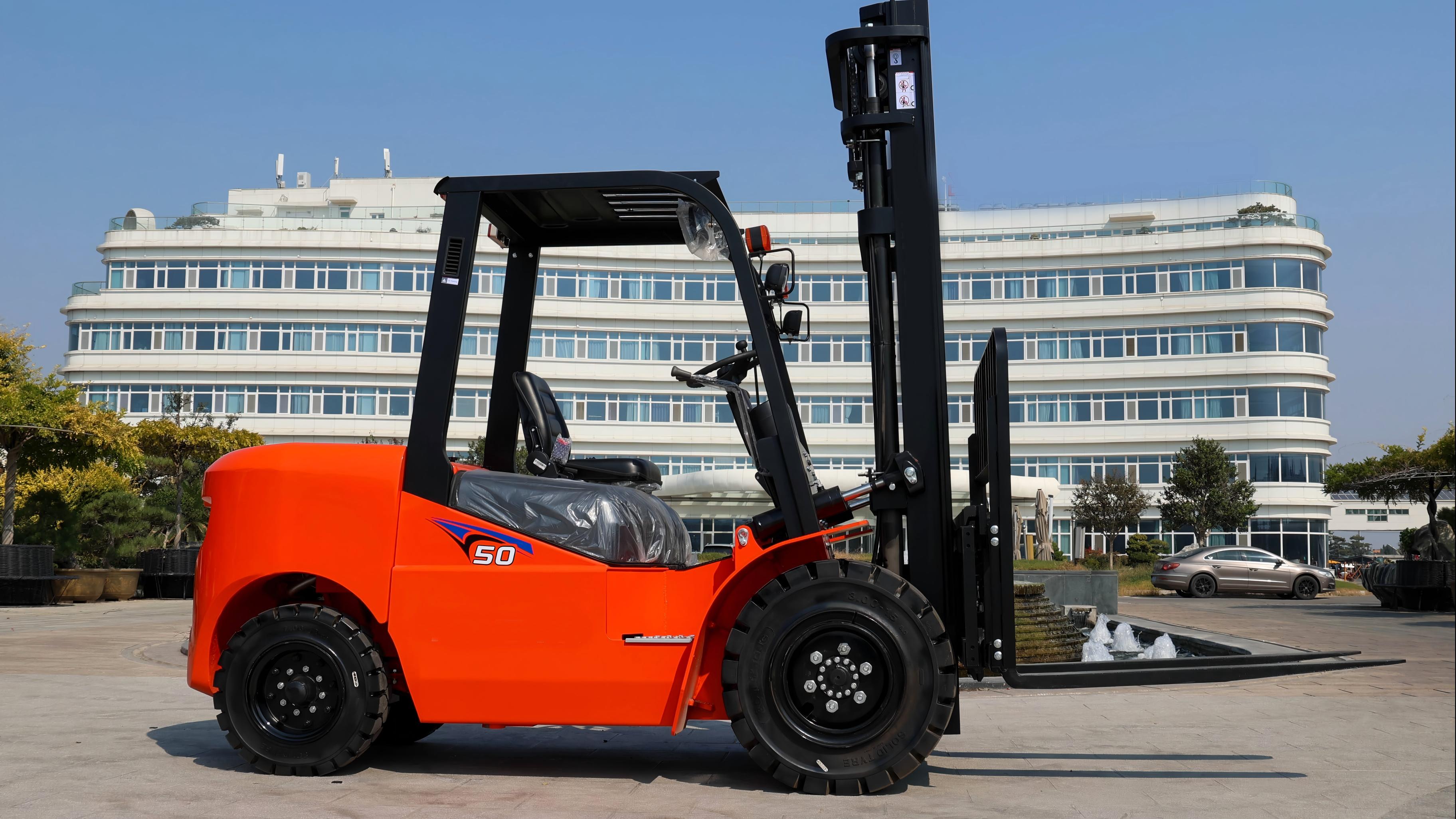
Several design elements influence total forklift weight:
Counterweight block (main stability component)
Battery size (electric forklifts)
Engine type (diesel or LPG systems)
Mast height (higher mast = stronger structure)
Attachments such as side shifter or clamp
Tire type (solid tires are heavier than pneumatic ones)
Even small configuration changes can significantly affect total machine weight.
10. Forklift Weight vs Stability Principle
Forklifts operate using a counterbalance principle. The heavy rear section balances the load lifted at the front.
Important concept:
Forklift does not lift by strength alone
Stability depends on weight distribution
Rear counterweight prevents forward tipping
This is why forklift weight is critical for safe lifting operations.
11. Forklift Weight and Transportation Considerations
Forklift weight is very important in logistics and shipping planning.
Key considerations:
Container loading capacity (20GP / 40HQ limits)
Truck axle load restrictions
Port handling requirements
Special permits for heavy machinery transport
Heavier forklifts often require professional transport planning to ensure safe delivery.
12. How to Find the Exact Forklift Weight
To determine the exact weight of a forklift, you should:
Check the manufacturer’s specification plate
Look up the model number in technical documents
Confirm with supplier or factory
Verify configuration (mast height, attachments, tire type)
Because forklifts are customizable, two machines with the same model may still have different weights.
Conclusion
Forklift truck weight varies significantly depending on type, capacity, and configuration. Small electric models may weigh around 2 tons, while large diesel or rough terrain forklifts can exceed 15 tons.
Understanding forklift weight is essential for safe operation, proper transport planning, and selecting the right machine for your working environment. Always check exact specifications before purchasing or operating a forklift to ensure safety and efficiency.
Post time:May.07.2026
