
European Style vs. Standard Wheel Loader: What Are the Key Design Differences?
1. Introduction
Wheel loaders are among the most important machines in construction, agriculture, mining, ports, and material handling industries. Their ability to lift, transport, and load large volumes of material makes them essential equipment for projects around the world. Over the years, wheel loader technology has evolved significantly, leading manufacturers to develop machines tailored to different regional markets and operating requirements.
Two major categories often discussed in the global equipment industry are the “European style wheel loader” and the “standard wheel loader.” Although both machines perform similar core functions, they differ greatly in design philosophy, engineering approach, operator comfort, hydraulic technology, emissions compliance, and versatility. European-style wheel loaders are generally developed with a stronger focus on compactness, fuel efficiency, environmental regulations, and operator ergonomics. Standard wheel loaders, on the other hand, are typically designed for durability, simplicity, and heavy-duty performance in demanding environments.
As international buyers compare equipment from different manufacturers, understanding these design differences becomes increasingly important. A contractor working in mining may prefer a robust conventional loader, while a municipality or agricultural operator may benefit more from a compact European-style machine with advanced attachments and precision controls.
This article explores the key design differences between European-style and standard wheel loaders, including chassis structure, cab comfort, hydraulic systems, transmission technology, safety features, operating costs, and ideal applications. By understanding these distinctions, buyers can make more informed equipment investment decisions based on their operational needs and budget.
2. What Is a Standard Wheel Loader?
2.1 Definition and General Characteristics
A standard wheel loader refers to the traditional loader design commonly used in construction, mining, quarrying, and infrastructure projects worldwide. These machines are generally built with a strong emphasis on durability, high breakout force, and heavy-duty operation.
Standard loaders are often larger, heavier, and mechanically simpler compared to European-style models. They are designed to handle harsh environments, long operating hours, and demanding loading tasks.
2.2 Main Features
Typical characteristics of standard wheel loaders include:
Heavy-duty steel frame construction
Conventional articulated steering
Large-capacity buckets
Mechanical or basic hydraulic controls
High lifting and breakout capabilities
Simplified electronic systems
Most standard loaders prioritize reliability and ease of maintenance over advanced comfort or automation technologies.
2.3 Advantages of Standard Wheel Loaders
Standard wheel loaders offer several practical benefits:
Lower Purchase Cost
Traditional loaders are often more affordable than advanced European models.
Easier Maintenance
Simpler mechanical systems reduce maintenance complexity and repair costs.
Excellent Durability
These loaders are designed to withstand severe operating conditions.
Strong Digging Force
Heavy operating weight improves stability and breakout performance.
2.4 Common Industries Using Standard Loaders
Standard wheel loaders are widely used in:
Mining operations
Quarry and aggregate industries
Large construction projects
Road building
Port operations
Industrial material handling
3. What Is a European Style Wheel Loader?
3.1 Definition and Market Background
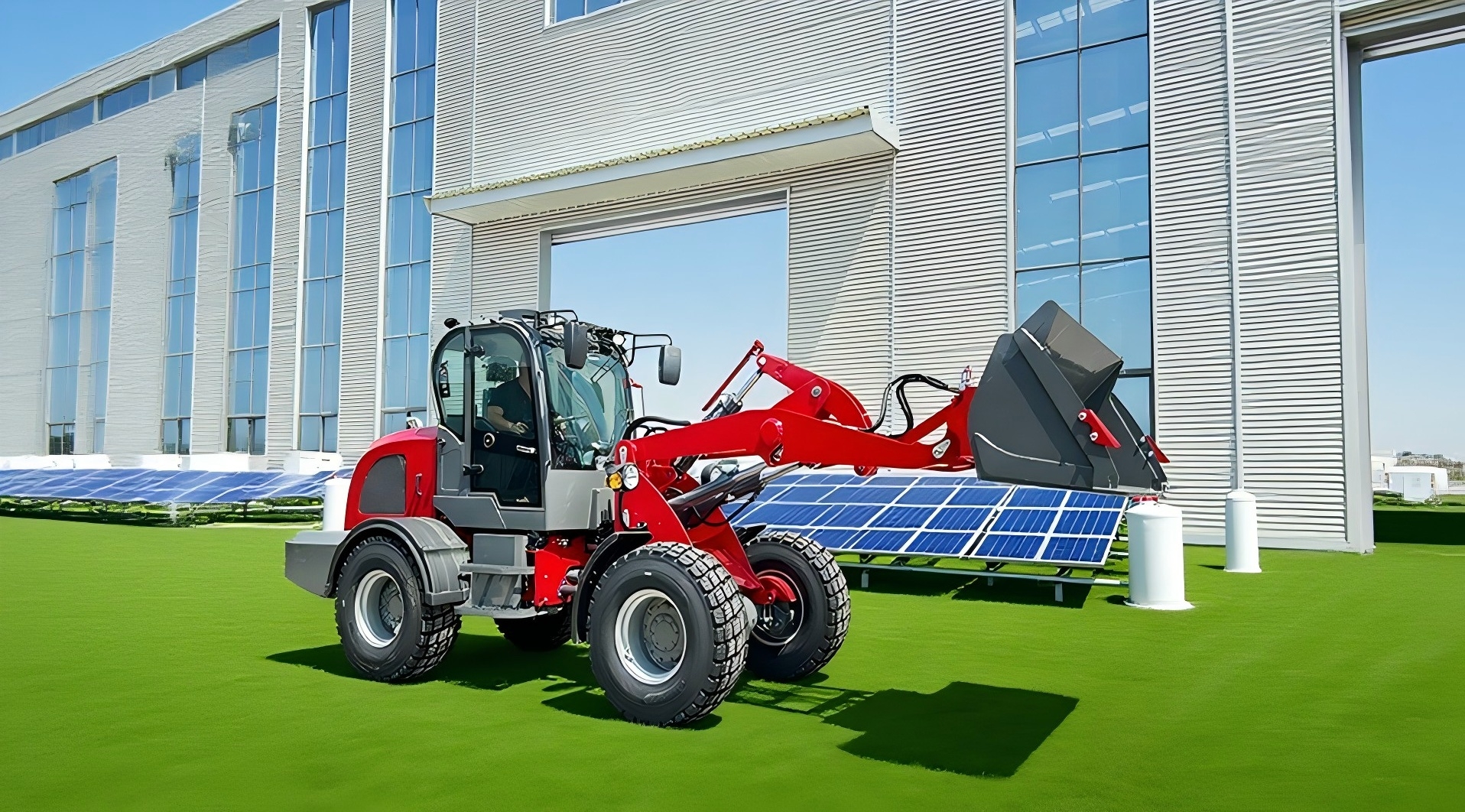
European-style wheel loaders are machines developed primarily for European markets, where strict environmental regulations, compact job sites, and operator comfort standards strongly influence equipment design.
These loaders are increasingly popular in agriculture, municipal work, recycling facilities, and urban construction projects.
3.2 Main Features
European-style loaders commonly include:
Compact machine dimensions
Panoramic visibility
Advanced joystick controls
Load-sensing hydraulic systems
Quick coupler compatibility
High travel speeds
Low-emission engines
The focus is usually on efficiency, versatility, and operator productivity.
3.3 European Emission and Safety Standards
European manufacturers must comply with strict regulations such as:
Stage V emission standards
Noise reduction regulations
CE safety certification
Advanced operator protection requirements
As a result, these loaders often include modern exhaust treatment systems and intelligent electronic controls.
3.4 Common Industries Using European Style Loaders
Typical applications include:
Agriculture
Livestock farms
Municipal maintenance
Waste recycling
Landscaping
Urban construction
4. Chassis and Structural Design Differences
4.1 Frame Construction
Standard wheel loaders usually feature heavier and thicker frames for maximum durability under harsh working conditions. European-style loaders often use optimized frame designs that reduce machine weight while maintaining structural strength.
4.2 Machine Dimensions
European-style loaders are generally more compact, allowing them to operate in narrow urban spaces and agricultural buildings. Standard loaders are often larger and designed for open job sites.
4.3 Weight Distribution
European machines focus heavily on balanced weight distribution to improve maneuverability and lifting stability. Standard loaders prioritize traction and digging force.
4.4 Ground Clearance and Wheelbase
Standard loaders often provide higher ground clearance and longer wheelbases for rough terrain operations, while European loaders prioritize turning agility and transport convenience.
5. Cab Design and Operator Comfort
5.1 Visibility and Cab Layout
European-style loaders are well known for excellent visibility. Large glass panels, narrow pillars, and optimized cab positioning help operators monitor attachments and surrounding areas more effectively.
Standard loaders typically offer adequate visibility but may not prioritize panoramic design.
5.2 Operator Ergonomics
European manufacturers invest heavily in operator comfort, including:
Adjustable seats
Ergonomic joysticks
Armrest-mounted controls
Reduced hand fatigue
Improved pedal layout
These features improve productivity during long working hours.
5.3 Noise and Vibration Reduction
European-style machines often include advanced insulation materials and vibration dampening systems. Lower noise levels improve operator comfort and reduce fatigue.
5.4 Climate Control and Smart Features
Modern European loaders frequently include:
Automatic climate control
Touchscreen displays
Rear-view cameras
Parking sensors
Intelligent monitoring systems
6. Hydraulic System Differences
6.1 Standard Hydraulic Systems
Traditional wheel loaders often use gear pump hydraulic systems that are durable and easy to maintain.
These systems provide strong lifting force but may consume more fuel during operation.
6.2 European Advanced Hydraulic Technology
European loaders commonly use load-sensing hydraulic systems that automatically adjust hydraulic flow based on demand.
Benefits include:
Reduced fuel consumption
Smoother operation
Faster cycle times
Improved precision
6.3 Performance Comparison
European systems generally provide better attachment control and multi-function operation, while standard hydraulic systems prioritize simplicity and power.
7. Engine and Emission Technology
7.1 Engine Configurations
Both loader types mainly use turbocharged diesel engines. However, European machines often use more advanced engine management systems.
7.2 Emission Standards Comparison
European-style loaders are designed to comply with Stage V standards, requiring technologies such as:
Diesel particulate filters (DPF)
Selective catalytic reduction (SCR)
DEF/AdBlue systems
Some standard loaders in developing markets may use less complex emission systems.
7.3 Fuel Efficiency
European loaders typically achieve better fuel efficiency due to:
Intelligent engine control
Optimized hydraulics
Lightweight design
7.4 Environmental Impact
Lower emissions and reduced fuel consumption make European-style loaders more environmentally friendly.
8. Transmission and Driving Systems
8.1 Standard Transmission Systems
Most traditional loaders use powershift transmissions combined with torque converters. These systems are durable and suitable for heavy-duty work.
8.2 European Transmission Technologies
European loaders may use:
Hydrostatic transmissions
CVT systems
Electronic drive control
These technologies improve maneuverability and precision.
8.3 Maneuverability Comparison
European loaders usually offer tighter turning radiuses and smoother directional changes, making them ideal for confined spaces.
8.4 Travel Speed and Road Use
Some European models are designed for higher road speeds, improving transportation efficiency between job sites.
9. Attachments and Versatility
9.1 Standard Bucket-Focused Design
Traditional wheel loaders mainly focus on bucket applications such as loading gravel, sand, and soil.
9.2 European Quick Coupler Systems
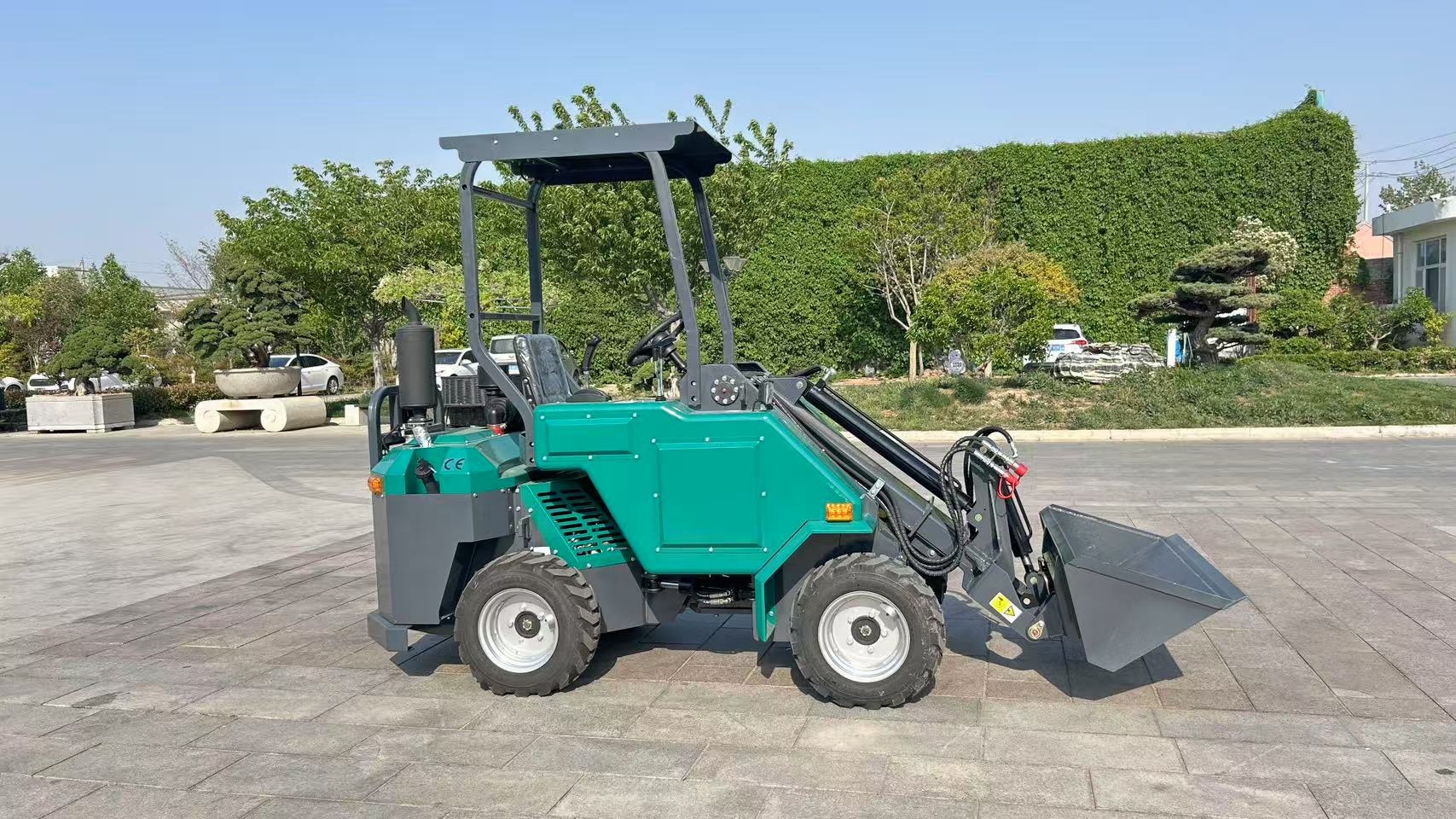
European-style loaders are highly versatile and often equipped with quick hitch systems for rapid attachment changes.
9.3 Popular Attachments
Common attachments include:
Pallet forks
Sweepers
Snow blowers
Silage forks
Grapples
Hydraulic hammers
9.4 Agricultural and Municipal Applications
The versatility of European loaders makes them ideal for year-round municipal and agricultural work.
10. Safety System Differences
10.1 Standard Safety Features
Standard wheel loaders commonly include:
ROPS/FOPS certified cabs
Standard lighting systems
Backup alarms
10.2 European Safety Innovations
European machines may include:
360-degree cameras
Blind spot monitoring
Radar sensors
Automatic braking systems
10.3 Compliance with International Regulations
European-style loaders are usually designed to meet strict international safety standards.
10.4 Operator Assistance Systems
Modern intelligent systems can help operators improve efficiency and reduce accidents.
11. Maintenance and Serviceability
11.1 Ease of Maintenance
Standard loaders often provide easier access to mechanical components and simpler repairs.
European machines may use modular layouts that simplify scheduled maintenance.
11.2 Diagnostic Technology
European-style loaders commonly include:
Electronic diagnostics
Remote monitoring
Telematics systems
These technologies help reduce downtime.
11.3 Spare Parts Availability
Standard loaders may have better spare parts availability in some developing regions due to simpler designs and broader aftermarket support.
11.4 Long-Term Reliability
Both machine types can provide excellent durability when properly maintained, although operating environments greatly influence lifespan.
12. Cost Comparison
12.1 Initial Purchase Price
European-style loaders generally cost more because of advanced technology and emission systems.
Standard loaders are often more budget-friendly.
12.2 Operating Costs
European loaders may reduce fuel costs and improve efficiency, while standard loaders may reduce repair expenses.
12.3 Resale Value
Machines with modern technology and lower emissions may maintain stronger resale value in regulated markets.
12.4 Total Cost of Ownership (TCO)
Buyers should consider:
Fuel consumption
Maintenance costs
Operator productivity
Downtime
Resale value
rather than focusing only on initial purchase price.
13. Which Type of Wheel Loader Is Better for Your Business?
13.1 Best Applications for Standard Wheel Loaders
Standard loaders are ideal for:
Mining
Quarry work
Heavy earthmoving
Large-scale construction
13.2 Best Applications for European Style Wheel Loaders
European-style machines are better suited for:
Agriculture
Urban construction
Municipal operations
Multi-purpose applications
13.3 Important Buying Factors
Before purchasing, buyers should evaluate:
Budget
Emission regulations
Operator comfort requirements
Available attachments
Service support
Job site conditions
14. Future Trends in Wheel Loader Design
14.1 Electrification
Electric wheel loaders are becoming increasingly popular due to environmental regulations and rising fuel costs.
14.2 Automation and Smart Technology
Manufacturers are investing in:
Autonomous operation
Remote monitoring
AI-assisted controls
Smart fleet management
14.3 Sustainability
Future loaders will focus on:
Lower emissions
Recyclable materials
Energy efficiency
14.4 Global Design Convergence
Many standard loader manufacturers are gradually adopting European-style features such as advanced cabs, efficient hydraulics, and intelligent controls.
15. Conclusion
European-style and standard wheel loaders each offer unique advantages depending on the application. Standard wheel loaders remain highly valued for their durability, simplicity, and heavy-duty performance in demanding industries such as mining and large-scale construction. European-style loaders, meanwhile, excel in operator comfort, fuel efficiency, versatility, and compliance with modern environmental regulations.
As technology continues to evolve, the distinction between these two machine categories may gradually narrow. However, understanding their core design philosophies remains essential for selecting the right equipment for specific operational needs.
Ultimately, the best wheel loader is not simply the most advanced or the most affordable machine, but the one that delivers the highest productivity, reliability, and long-term value for the intended application.
Post time:May.21.2026
