
Can LPG Forklifts Adapt to Low-Temperature Environments?
1. Introduction
LPG forklifts are widely used in warehouses, factories, logistics centers, manufacturing facilities, construction sites, and other material-handling applications. Compared with diesel forklifts, LPG forklifts can offer relatively clean combustion, flexible operation, and good performance for both indoor and outdoor material handling where adequate ventilation is available.
However, when an LPG forklift is used in a low-temperature environment, buyers often have an important question: Can an LPG forklift operate reliably in cold weather?
The answer is generally yes. Properly configured and maintained LPG forklifts can operate in relatively cold environments. However, low temperatures can affect several parts of the forklift, including the LPG fuel system, engine, battery, lubricants, hydraulic system, tires, and starting system. The colder the environment becomes, the more important proper fuel selection and cold-weather preparation become.
One important factor is the behavior of LPG at low temperatures. LPG needs to vaporize before it can be mixed with air and burned by the engine. As ambient temperature decreases, LPG vapor pressure can also decrease, which may affect fuel supply and engine starting. The actual effect depends on the LPG composition, ambient temperature, fuel-system design, and condition of the forklift.
Therefore, using an LPG forklift in a cold environment is not simply a question of whether LPG "works" below a certain temperature. Instead, operators should consider the complete fuel system, engine, electrical system, hydraulic system, and working conditions.
This article explains how low temperatures affect LPG forklifts, what problems may occur, how to prepare the machine for cold weather, and when an LPG forklift is a suitable choice for low-temperature applications.
2. How Does an LPG Forklift Work?
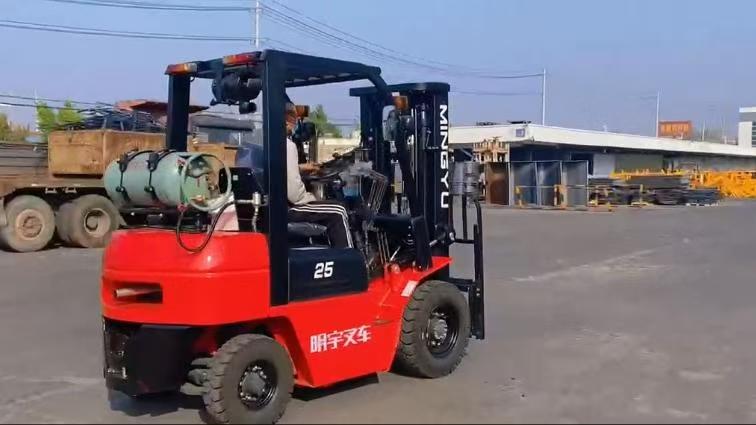
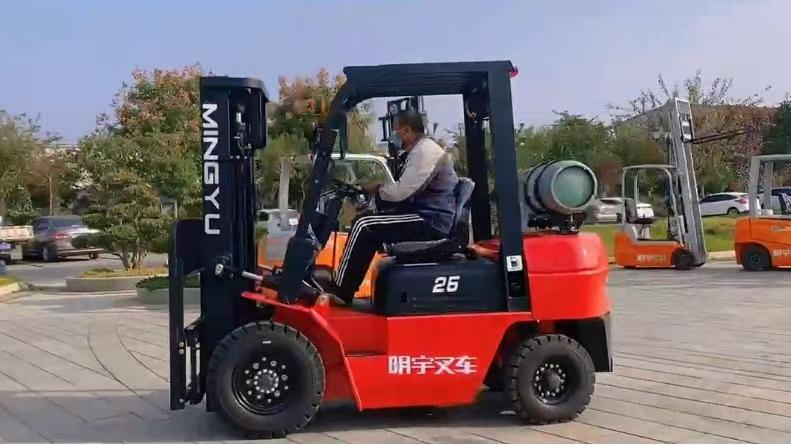
An LPG forklift uses liquefied petroleum gas as fuel for an internal combustion engine. LPG is stored in a dedicated tank or cylinder in liquid form. When the forklift is operating, the fuel system supplies LPG to the engine, where it is converted into a suitable gaseous fuel-air mixture for combustion.
The engine then converts the energy released during combustion into mechanical power. This power drives the transmission and wheels while also providing the energy needed for hydraulic operations such as lifting and tilting the forks.
A typical LPG fuel system includes the LPG tank, fuel valve, fuel lines, vaporizer or regulator, mixer or fuel-injection system, and engine.
Temperature is important because LPG must vaporize effectively to provide a stable fuel supply. In normal temperatures, this process generally occurs without difficulty. In colder conditions, vapor pressure can decrease, potentially making fuel delivery more challenging.
This is one of the key differences between LPG and liquid fuels such as diesel. LPG performance in cold weather is strongly influenced by fuel vapor pressure and composition.
3. How Does Low Temperature Affect LPG Fuel?
LPG is mainly composed of propane, butane, or a mixture of different hydrocarbon gases. The exact composition can vary depending on the fuel source and region.
Propane generally has better cold-weather vaporization characteristics than butane. This means that LPG with a higher propane content is generally more suitable for colder environments.
As temperature decreases, LPG vapor pressure also decreases. If the temperature becomes sufficiently low, the fuel may not vaporize as readily, potentially reducing the amount of fuel available to the engine.
This can result in symptoms such as:
Difficult engine starting
Unstable engine operation
Reduced engine power
Poor throttle response
Possible engine stalling
However, this does not mean that LPG forklifts cannot be used in cold climates. The actual operating temperature limit depends on the LPG composition, fuel-system design, forklift specifications, and manufacturer recommendations.
For customers purchasing LPG forklifts for cold regions, it is therefore important to discuss the expected ambient temperature and local LPG composition with the supplier before selecting the machine.
4. Can LPG Forklifts Start in Cold Weather?
Cold starting is one of the most important considerations when using an LPG forklift in low temperatures.
When the ambient temperature drops, the engine oil becomes more viscous, battery performance decreases, and fuel vaporization can become more difficult. All of these factors can make starting more demanding.
The battery is particularly important. Cold temperatures can reduce the amount of electrical power available from a battery, while the starter motor may require significant power to turn a cold engine.
Engine oil also becomes thicker at low temperatures. If the oil viscosity is not appropriate for the local climate, the engine may require more effort to start.
The ignition system is another important factor. Spark plugs, ignition wires, coils, and related components should be maintained properly because the engine needs a reliable ignition system to start and operate smoothly.
Therefore, an LPG forklift used in cold weather should be properly prepared rather than simply started and immediately put under heavy load.
5. LPG Forklift Performance at Different Temperatures
5.1 Mild Cold Conditions
In moderately cold weather, a properly maintained LPG forklift can generally operate normally.
The operator should ensure that the battery is in good condition, the engine oil is suitable for the ambient temperature, and the LPG fuel system is functioning correctly.
Under these conditions, cold weather usually causes only a limited effect on normal forklift operation.
5.2 Freezing Temperatures
When temperatures approach or fall below the freezing point, cold-start performance becomes more important.
The operator may notice that the engine requires more time to start or that the machine needs a suitable warm-up period before heavy operation.
At this stage, battery condition, engine oil viscosity, coolant condition, and LPG fuel composition become increasingly important.
Regular preventive maintenance is especially important when the forklift is used every day in freezing conditions.
5.3 Very Low Temperatures
In extremely cold environments, LPG vaporization can become a more significant concern.
The lower the temperature, the greater the potential reduction in LPG vapor pressure. If the fuel system and LPG composition are not suitable for the environment, the engine may experience fuel-supply problems.
For applications involving extremely low temperatures, buyers should provide the forklift manufacturer with the expected minimum ambient temperature before purchasing the machine.
The manufacturer can then determine whether a particular LPG system, engine configuration, fuel specification, or cold-weather package is appropriate.
6. Main Components Affected by Low Temperatures
6.1 LPG Fuel System
The LPG fuel system is one of the most temperature-sensitive areas.
The vaporizer or regulator must function correctly to convert and regulate the fuel supplied to the engine. Fuel lines, valves, seals, and connections should also be inspected regularly.
If the fuel system cannot maintain stable fuel delivery, the engine may run irregularly or lose power.
6.2 Engine
Low temperatures affect engine oil, combustion, and starting performance.
Using engine oil with an appropriate viscosity rating for the local climate helps the engine start more easily and reduces unnecessary resistance during cold operation.
The cooling system also needs attention. Coolant should have appropriate freeze protection for the expected environmental conditions.
6.3 Battery and Electrical System
Battery performance can decrease in cold weather.
A weak battery that works normally in warm weather may have difficulty starting the engine when temperatures drop.
Before winter operation, operators should check:
Battery condition
Battery charge
Electrical connections
Starter motor
Ignition components
Maintaining the battery properly is one of the simplest ways to improve cold-start reliability.
6.4 Hydraulic System
Hydraulic oil becomes more viscous as temperature decreases. As a result, hydraulic functions may initially operate more slowly.
The operator may notice slower lifting, tilting, or steering immediately after starting the forklift.
Using hydraulic oil appropriate for the operating temperature and allowing the hydraulic system to reach a suitable operating condition before demanding heavy work can help maintain performance.
6.5 Tires and Braking System
Cold temperatures can also affect tire pressure and tire characteristics.
In outdoor environments, ice, snow, or frozen ground can dramatically reduce available traction. This is a working-surface issue rather than an LPG-specific problem, but it is extremely important for forklift safety.
Operators should use tires suitable for the application and operate at an appropriate speed for the surface conditions.
7. How to Prepare an LPG Forklift for Cold Weather
Proper preparation can significantly improve reliability in low-temperature environments.
First, confirm that the LPG fuel is appropriate for the expected climate. In colder regions, fuel with suitable vaporization characteristics is especially important.
Second, inspect the LPG vaporizer, regulator, fuel lines, valves, and connections.
Third, check the engine coolant and ensure that it provides appropriate protection against freezing.
Fourth, select engine and hydraulic oils suitable for the expected temperature range.
Fifth, inspect the battery and keep it adequately charged.
Sixth, check the ignition system, including spark plugs and other relevant components.
The forklift should also be inspected regularly throughout the cold season rather than only before winter begins.
Operators should follow the manufacturer's operating and maintenance recommendations and avoid making unauthorized modifications to the LPG fuel system.
8. LPG Forklift vs Diesel Forklift in Low-Temperature Environments
Both LPG and diesel forklifts can be used in cold environments, but their fuel systems behave differently.
Diesel fuel can become more viscous at low temperatures, and in severe cold, fuel-related issues can occur if the fuel specification is not appropriate for the climate.
LPG does not behave in exactly the same way. Its main cold-weather concern is related to vapor pressure and fuel vaporization.
LPG forklifts can provide smooth engine operation and are commonly used in applications where emissions and indoor air quality are important considerations. However, indoor LPG use still requires appropriate ventilation and compliance with local regulations.
Diesel forklifts are often selected for demanding outdoor applications and heavy-duty work, while LPG forklifts can be attractive for mixed indoor and outdoor operations where their fuel and emissions characteristics fit the application.
The best choice depends on temperature, ventilation, operating hours, load requirements, fuel availability, and local regulations.
9. Can LPG Forklifts Be Used in Cold Warehouses?
A cold warehouse is different from an outdoor cold-weather environment.
For example, a refrigerated warehouse may maintain a low temperature continuously, while an outdoor construction site may experience temperature changes throughout the day.
LPG forklifts can be used in some cold-storage and warehouse applications, but ventilation and emissions must be carefully considered.
Because LPG is an internal-combustion fuel, the forklift produces exhaust emissions. Indoor use therefore requires adequate ventilation and compliance with applicable workplace safety requirements.
For enclosed cold-storage areas with strict emission requirements, an electric forklift may be a more appropriate solution.
Lithium-ion electric forklifts can be particularly attractive where zero tailpipe emissions and indoor operation are priorities. However, battery performance also changes with temperature, so cold-storage applications require appropriate battery and charging strategies.
10. Safety Considerations for LPG Forklifts in Cold Weather
Safety should always be a priority when operating LPG equipment.
Before operation, inspect the LPG cylinder or tank, valves, hoses, and connections. Any suspected leak should be addressed immediately according to the manufacturer's safety procedures.
LPG equipment should never be exposed to unauthorized heating methods in an attempt to improve fuel vaporization or starting performance.
Operators should also ensure adequate ventilation, especially when the forklift is used indoors.
Cold weather introduces additional hazards such as snow, ice, frozen ground, and reduced visibility. Operators should reduce speed and maintain sufficient distance from people, vehicles, and obstacles.
The forklift should be parked according to the manufacturer's recommendations, with the fuel system and machine protected appropriately from environmental conditions.
Most importantly, operators should follow the forklift manufacturer's instructions and applicable local safety regulations.
11. Common Problems When Using LPG Forklifts in Low Temperatures
Several problems may occur when an LPG forklift operates in a very cold environment.
Difficult Starting
A weak battery, unsuitable engine oil, poor ignition components, or inadequate fuel vaporization can make starting difficult.
Unstable Engine Operation
If the LPG fuel supply is unstable, the engine may run unevenly or lose power.
Reduced Engine Power
Low fuel vapor pressure or unsuitable LPG composition can potentially reduce engine performance in very cold conditions.
Slow Hydraulic Functions
Cold hydraulic oil can become more viscous, resulting in slower lifting and tilting functions immediately after startup.
Battery Problems
Cold temperatures can reduce battery performance, especially if the battery is already old or poorly charged.
Increased Fuel Consumption
If the engine does not reach an efficient operating condition, fuel consumption may increase.
The key is to identify the cause rather than assuming every cold-weather problem is caused by LPG itself.
12. Choosing an LPG Forklift for Cold Climates
When purchasing an LPG forklift for a cold region, buyers should provide the supplier with specific information about the application.
Important questions include:
What is the lowest expected ambient temperature?
Will the forklift work indoors or outdoors?
What LPG composition is locally available?
How many hours per day will the forklift operate?
What is the required lifting capacity?
Will the machine work continuously or intermittently?
Are there cold-storage or refrigerated areas?
What maintenance services are available locally?
Buyers should also confirm the manufacturer's recommended operating temperature range.
If the forklift will operate in an especially cold environment, it may be necessary to discuss cold-weather specifications or suitable component configurations with the manufacturer before placing an order.
Choosing the right machine from the beginning is generally more reliable than modifying the fuel system after delivery.
13. Final Conclusion
So, can LPG forklifts adapt to low-temperature environments? In general, yes. Properly configured and maintained LPG forklifts can operate effectively in cold conditions.
However, low temperatures can affect LPG vaporization, engine starting, battery performance, engine oil, hydraulic oil, tires, and overall machine performance. The colder the environment, the more important it becomes to select suitable fuel, lubricants, coolant, electrical components, and fuel-system specifications.
For moderately cold environments, a standard LPG forklift that is properly maintained may perform well. For extremely cold regions, buyers should discuss the expected minimum temperature with the manufacturer and confirm that the LPG system and other components are suitable.
Ultimately, successful cold-weather operation is not determined by the fuel type alone. The right LPG specification, proper maintenance, suitable machine configuration, and correct operating procedures all work together to ensure reliable forklift performance in low temperatures.
Post time:Aug.27.2026
