
The critical task of placing construction materials onto rooftops presents a persistent safety challenge, with the choice between telescopic loaders and cranes being a central point of deliberation. While cranes have been the traditional go-to solution for heavy lifting on major projects, telescopic loaders, often referred to as telehandlers, are increasingly recognized for their superior safety profile in numerous scenarios, particularly for low to mid-rise buildings and sites with complex layouts. The fundamental safety advantage begins with the telehandler's inherent mobility and compact footprint. Unlike a static crane that requires a significant, clear, and level operating radius, a telescopic loader can navigate congested job sites, maneuver through standard gateways, and position itself much closer to the intended drop zone. This drastically reduces the distance materials must swing or travel overhead, minimizing the risk of load sway, accidental collisions with existing structures, or perilous incidents involving workers below. Furthermore, the ability to reposition the machine quickly without a complex setup allows for a more dynamic and responsive workflow, adapting to changing site conditions and enhancing overall site safety management. The integrated chassis and multi-directional movement provide a level of operational control that is difficult to achieve with a traditional crane setup, making the telescopic loader a compelling choice for contractors prioritizing safety alongside productivity on their material placement tasks.
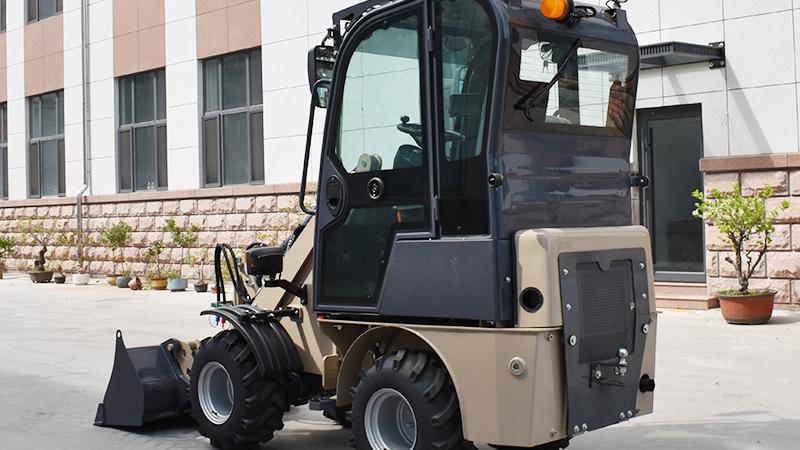
Delving deeper into operational mechanics, the precision load placement capabilities of telescopic loaders significantly enhance safety during the final, most critical phase of material delivery. Modern telehandlers are equipped with sophisticated hydraulic systems that allow for smooth, simultaneous boom extension, retraction, raising, lowering, and slewing. This multi-axis control, often managed from the enclosed safety of the operator's cab, enables pinpoint accuracy when setting trusses, HVAC units, or bundles of roofing materials onto their designated spots. The operator has a direct and often clearer line of sight to the load and the rooftop team, facilitating better communication and coordination. In contrast, crane operations typically rely on a team of three: the crane operator, a signaler, and a tagline handler. This multi-person process introduces more potential points for miscommunication, human error, or signal misinterpretation, which can lead to dangerous load shifts or drops. The telehandler’s design reduces this reliance on complex team coordination, empowering a single, certified operator to execute the majority of the lift and placement tasks with greater finesse and reduced risk, thereby establishing a more controlled and inherently safer environment for rooftop material placement.
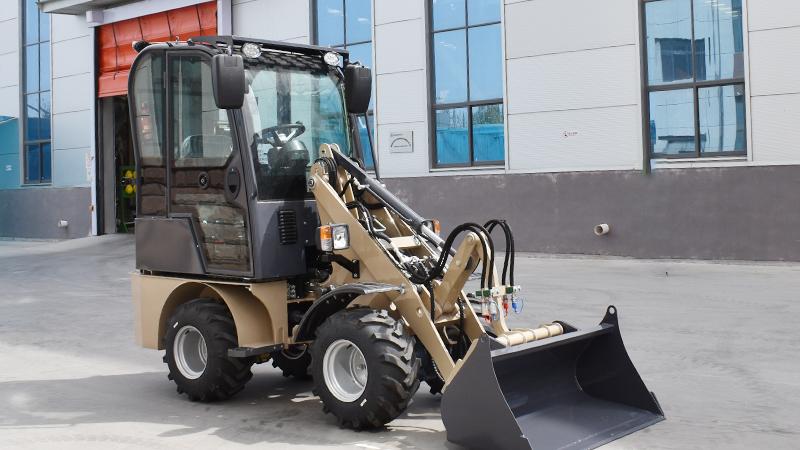
Another paramount safety consideration is ground stability and setup. Cranes, especially mobile cranes, require extensive and meticulous site preparation. This includes ensuring firm, stable, and often reinforced ground conditions, deploying outriggers with precision, and conducting thorough lift planning that accounts for all dynamic and static loads. A failure in any of these preparatory steps—such as ground subsidence or an outrigger settling—can lead to catastrophic crane failure or tipping. Telescopic loaders, while also requiring operation on stable ground, generally exert lower ground bearing pressure and are designed to operate from their wheels in many situations, though outriggers are used for maximum lift capacity. Their versatility means they can often work from established access roads or compacted areas without the need for the same level of intensive ground preparation as a heavy crane. This reduces the preparatory time and the associated risks of ground failure. Moreover, the quick setup time of a telehandler translates to less time spent with a heavy machine in a temporary and potentially vulnerable configuration, contributing to a safer and more efficient worksite from start to finish.
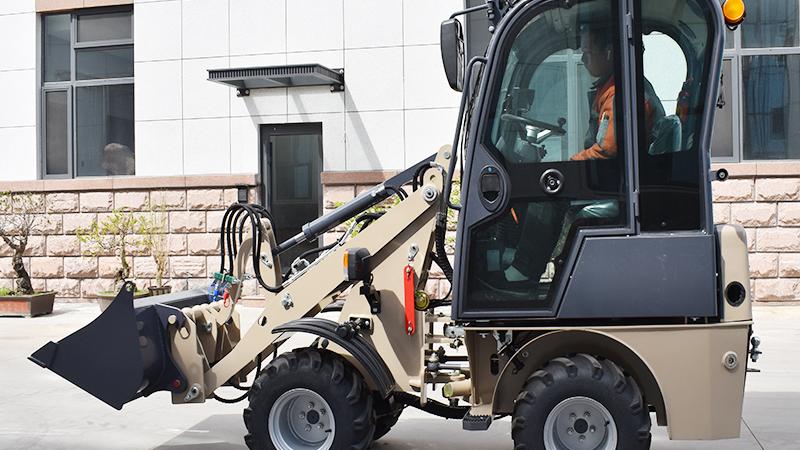
In conclusion, while cranes remain indispensable for ultra-heavy lifts and extreme heights, the evidence strongly suggests that for a wide range of standard rooftop material placement applications, telescopic loaders offer a demonstrably safer and more versatile solution. Their key safety benefits stem from enhanced maneuverability that reduces overhead hazard zones, superior precision in load control that minimizes human error, and a less demanding site setup process that mitigates risks associated with ground stability. For construction businesses aiming to optimize job site safety, improve operational efficiency, and reduce the potential for accidents, integrating telescopic loaders into their material handling strategy for rooftop work is a prudent and forward-thinking decision. As technology advances with features like load moment indicators and stability control systems becoming standard, the safety argument for choosing a telehandler over a crane in appropriate contexts becomes even more robust and convincing for the modern construction industry.
Post time:Nov.05.2025
