
Why Does an LPG Forklift Slip After Warm-Up? Safe Transmission Checks for Buyers
Practical buyer answer: Why Does an LPG Forklift Slip After Warm-Up? Safe Transmission Checks for Buyers ZGFORKLIFT / MYZG LPG forklift. Shandong Zhuogong Machinery equipment Co.,Ltd
Practical buyer answer
An LPG forklift that moves normally when cold but begins to slip, hesitate or lose travel force after warming up needs a controlled diagnosis. First describe exactly what 'slip' means: engine speed rises while travel slows, the engine itself bogs down, one direction behaves differently, or the truck delays before moving. These symptoms can come from different systems. LPG mixture, ignition, cooling and engine output may affect drive performance, while transmission fluid level or condition, pressure, clutch elements, converter, brakes or linkage may cause a true drivetrain concern. Do not assume the fuel type proves the regulator is at fault.
LPG forklift ZGFORKLIFT / MYZG
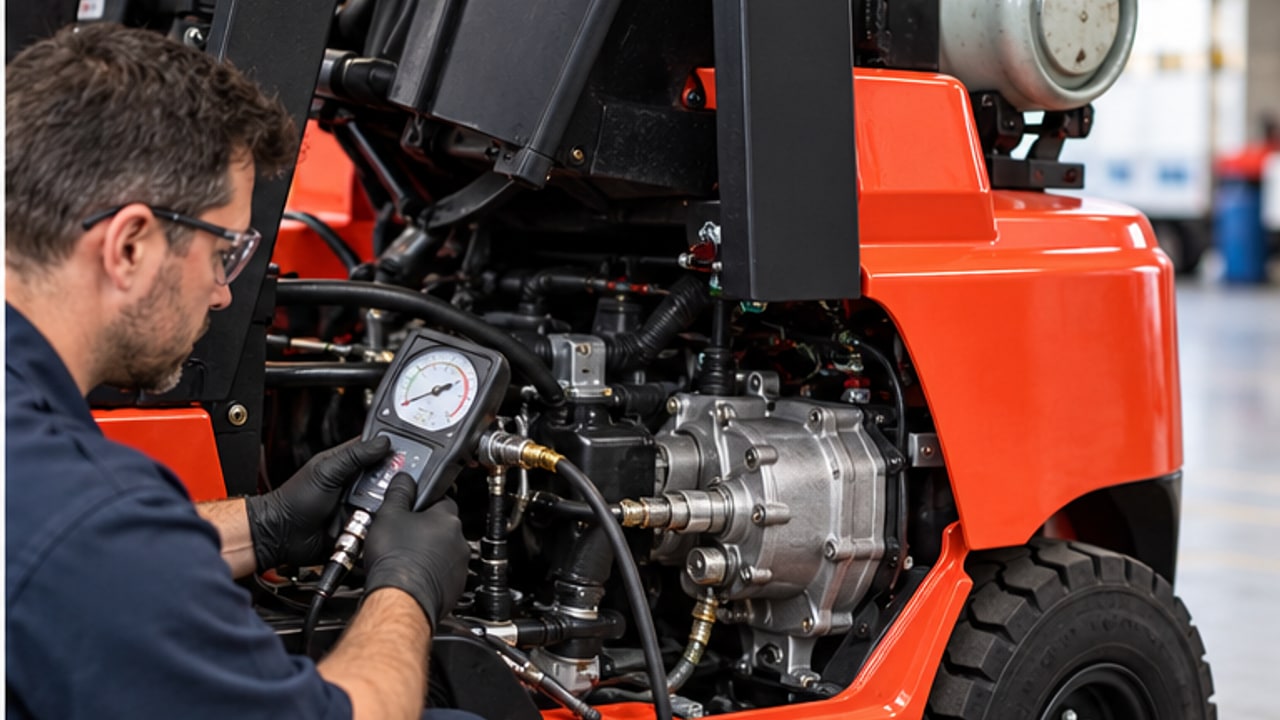
For a safe first observation, stop using the truck if it loses reliable movement, creeps unexpectedly, smells of gas, shows a warning, overheats, leaks fluid or cannot stop predictably. Park on a level clear surface, lower the forks, select neutral and apply the parking brake. Photograph the warning display and note whether the symptom occurs cold, after a set operating time, only under load, on a slope or in one direction. Do not carry a load to reproduce a fault, adjust LPG mixture screws, open a pressurized fuel line or work near an LPG leak. LPG system and transmission pressure tests belong to trained technicians using the model-specific procedure.
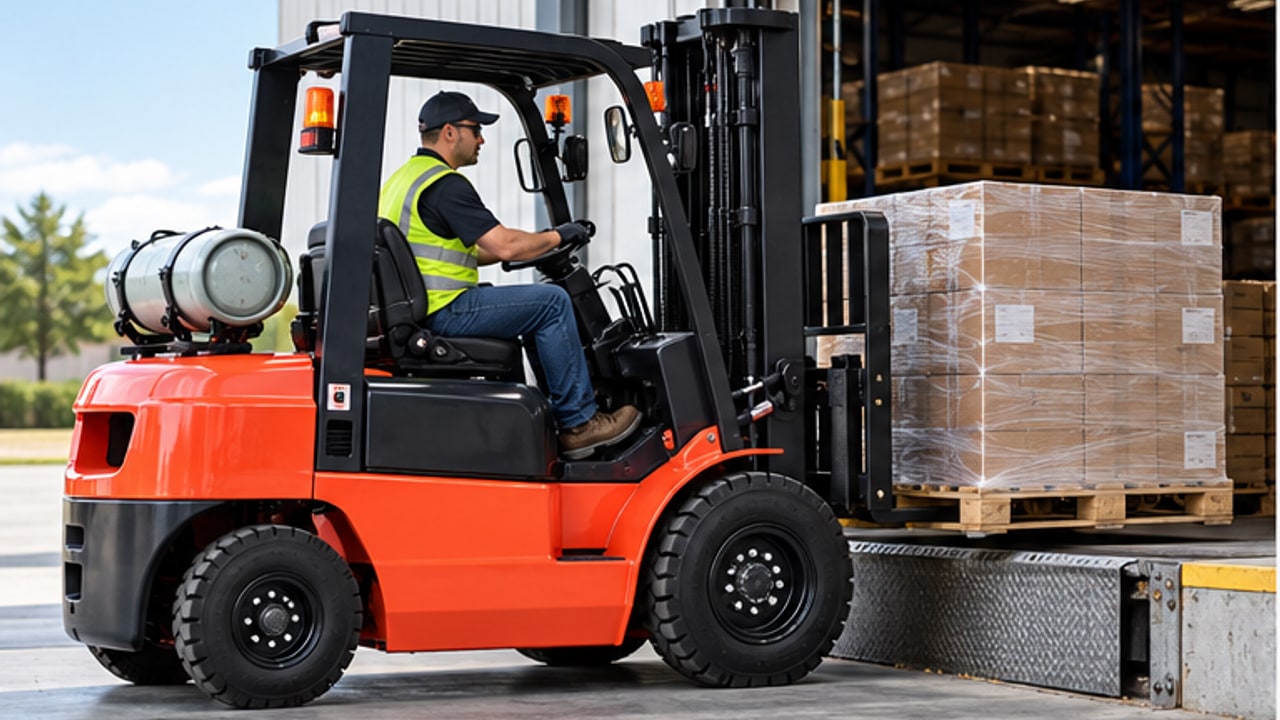
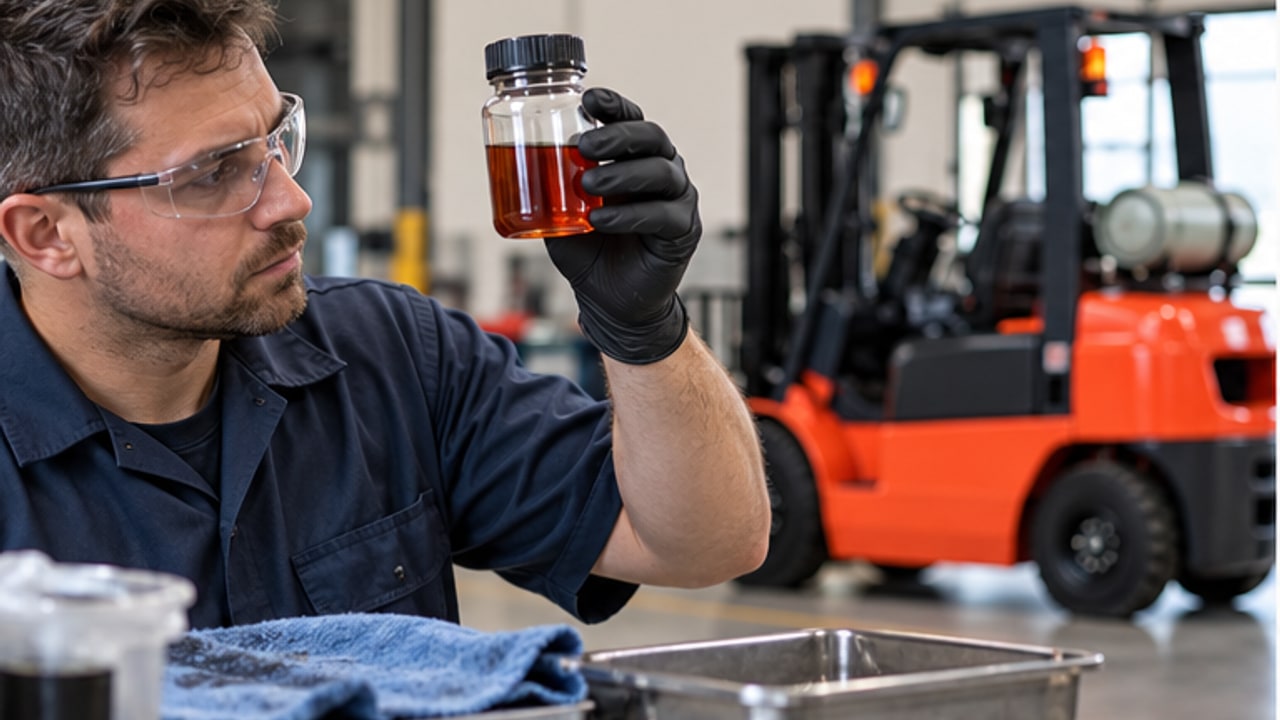
A technician can compare engine speed and response with transmission behavior under the approved test conditions, then inspect the specified fluid level and temperature, leaks, filters, control linkage and diagnostic information. If the engine hesitates or surges at the same time, the LPG vaporizer/regulator, coolant circulation, mixer, ignition and air intake may need assessment, but measurements must follow the exact engine manual. A buyer comparing an LPG truck should request cold and fully-warm operation checks, service records, transmission type and fluid specification, LPG-system service evidence, and a written explanation of any stored codes. Test with a qualified operator, on a controlled route, without exceeding rated capacity.
LPG forklift ZGFORKLIFT / MYZG
Start with the actual job cycle rather than a headline capacity. Record the load, load center, pickup height, travel route, final placement, surface, gradients, clearances and the number of cycles in a representative hour. This turns a general equipment question into a configuration that can be checked before an order is placed.
Measure the narrowest entrance, lowest overhead obstruction, turning area and stopping distance with the normal load carried. Include doors, columns, drains, ramps, parked vehicles, pedestrians and temporary barriers. A marked site drawing and current photographs help a supplier identify conflicts that are easy to miss in a specification table.
LPG forklift ZGFORKLIFT / MYZG
Practical buyer answer
Usable performance must be confirmed in the final configuration. Attachment weight, load center, lift height, fork length, tire choice and operating surface can reduce the capacity available at the task. Ask for written confirmation of the exact machine, mast, attachment and operating condition.
A good case review separates productive movement from waiting. Time the approach, pickup, travel, alignment, loading, return and idle periods. Site layout, traffic rules, pile position or attachment selection may save more time and fuel than simply ordering a larger engine or a higher nominal capacity.
LPG forklift ZGFORKLIFT / MYZG
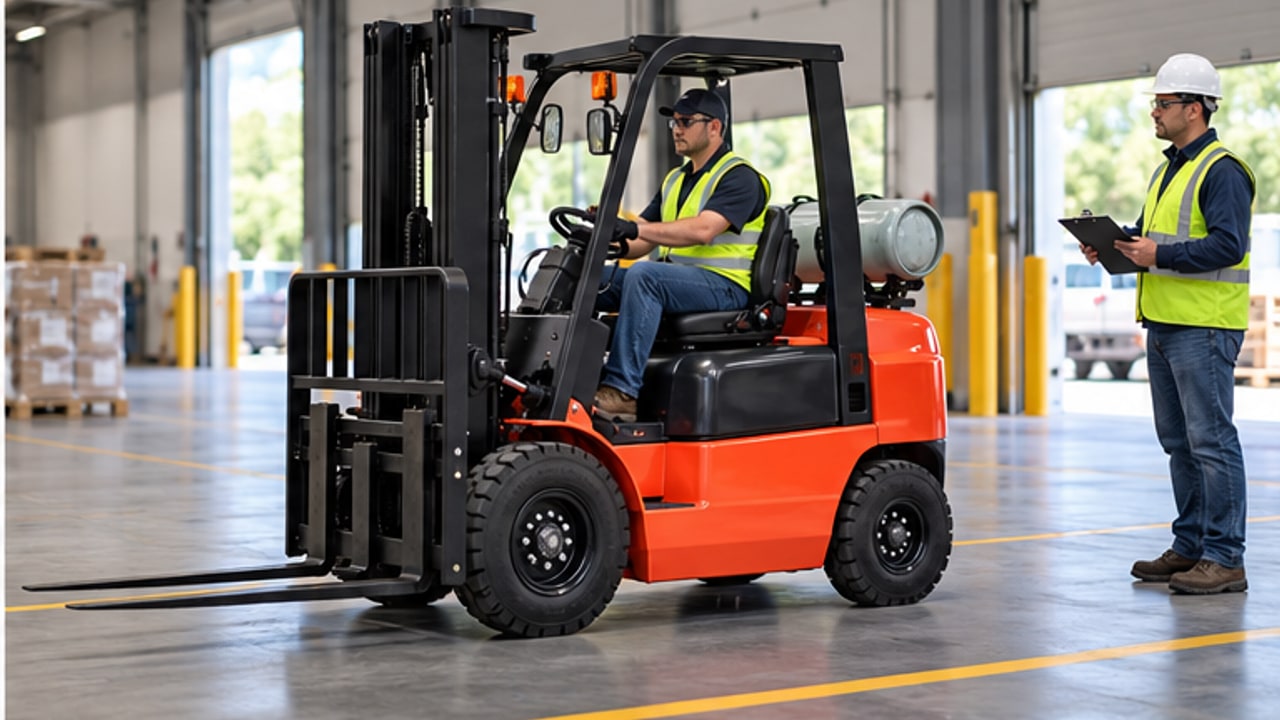
Visibility changes with every load and attachment. Cameras, mirrors, lights, alarms and remote controls can support the operator, but they do not replace a controlled route, suitable speed, trained personnel and a spotter where direct sight is restricted. Define exclusion zones before work begins.
Surface information is essential for stability, traction, braking, tire life and floor protection. Describe concrete joints, tile, asphalt damage, gravel depth, mud, loose stone, drainage and slope. Choose tires, supports and travel procedures for the most demanding normal condition, including wet weather where relevant.
Before each shift inspect structural members, pins, hoses, wheels or tires, forks and carriage, controls, brakes, steering, warning devices, guards and visible leaks. A defect that affects control, stability or load retention must be corrected before the machine returns to service.
Practical buyer answer
Plan maintenance and parts support before delivery. Confirm service intervals, filters, lubricants, battery or engine support, diagnostic steps, manuals and a practical starter stock of common parts based on annual operating hours. Accessible routine checks reduce avoidable downtime and help supervisors document service.
Compare cost per productive cycle rather than purchase price alone. Include fuel or electricity, labor, transport, attachment changes, routine service, tires, charging or cylinder handling, downtime and residual value. The economical choice is the machine that completes the real work reliably with an acceptable safety margin.
A useful quotation request states destination, quantity, hours per day, climate, required certification, load details, route dimensions, working height, attachments and delivery schedule. This written scope gives purchasing, operators and the factory one reference and reduces costly assumptions during production and commissioning.
Shandong Zhuogong Machinery equipment Co.,Ltd
ZGFORKLIFT / MYZG
WhatsApp: +86 131 7691 0558
Email: MYZG@my-forklift.com
Website: https://www.my-forklift.com/
Post time:Oct.17.2026
