
Why Does a Skid Steer Crank but Not Start After Sitting Overnight? Safe Checks
Practical buyer answer: Why Does a Skid Steer Crank but Not Start After Sitting Overnight? Safe Checks ZGLOADER / MYZG skid steer loader. Shandong Zhuogong Machinery equipment Co.,Ltd
Practical buyer answer
A skid steer that cranks at normal speed but will not fire after sitting overnight needs a diagnosis based on what changes while it is parked. A small air leak on the low-pressure side, fuel drain-back, a restricted filter, water in the separator, weak cranking voltage or a cold-start aid that is not operating can create similar symptoms. Do not assume one cause from a long crank alone, and do not use starting fluid or bypass a shutdown or safety circuit. Follow the operator manual for the exact engine and machine.
skid steer loader ZGLOADER / MYZG
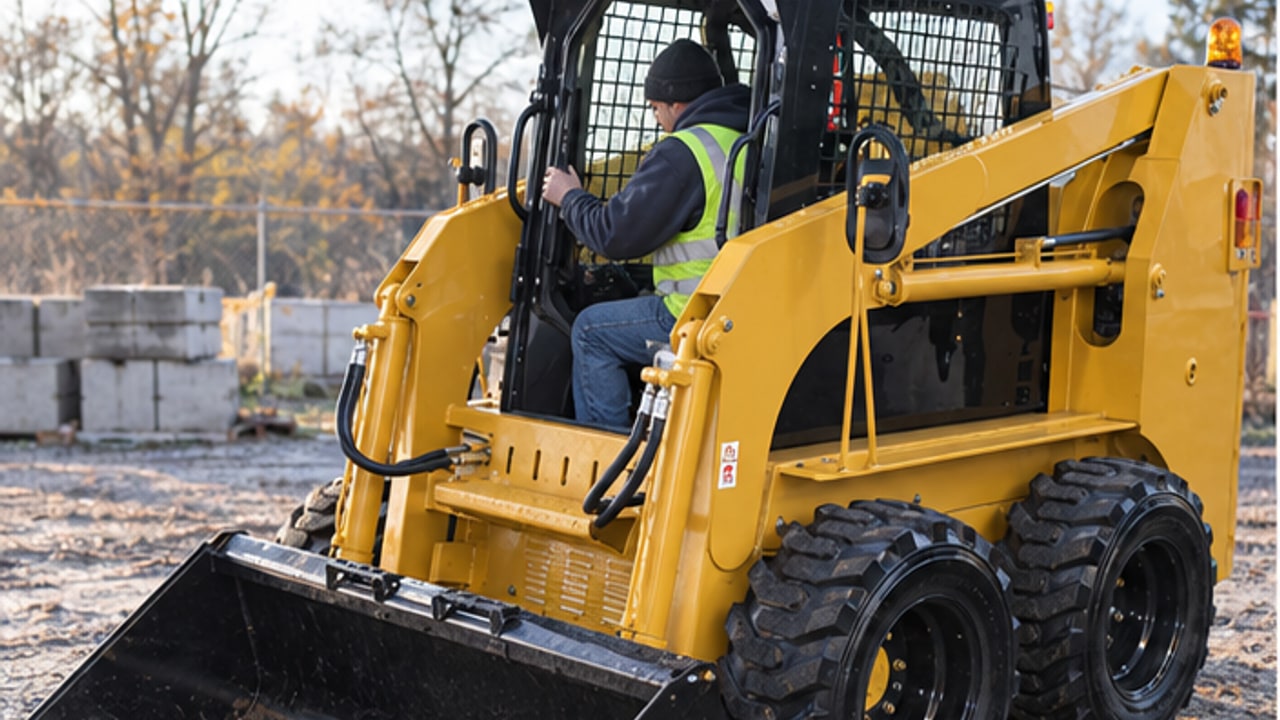
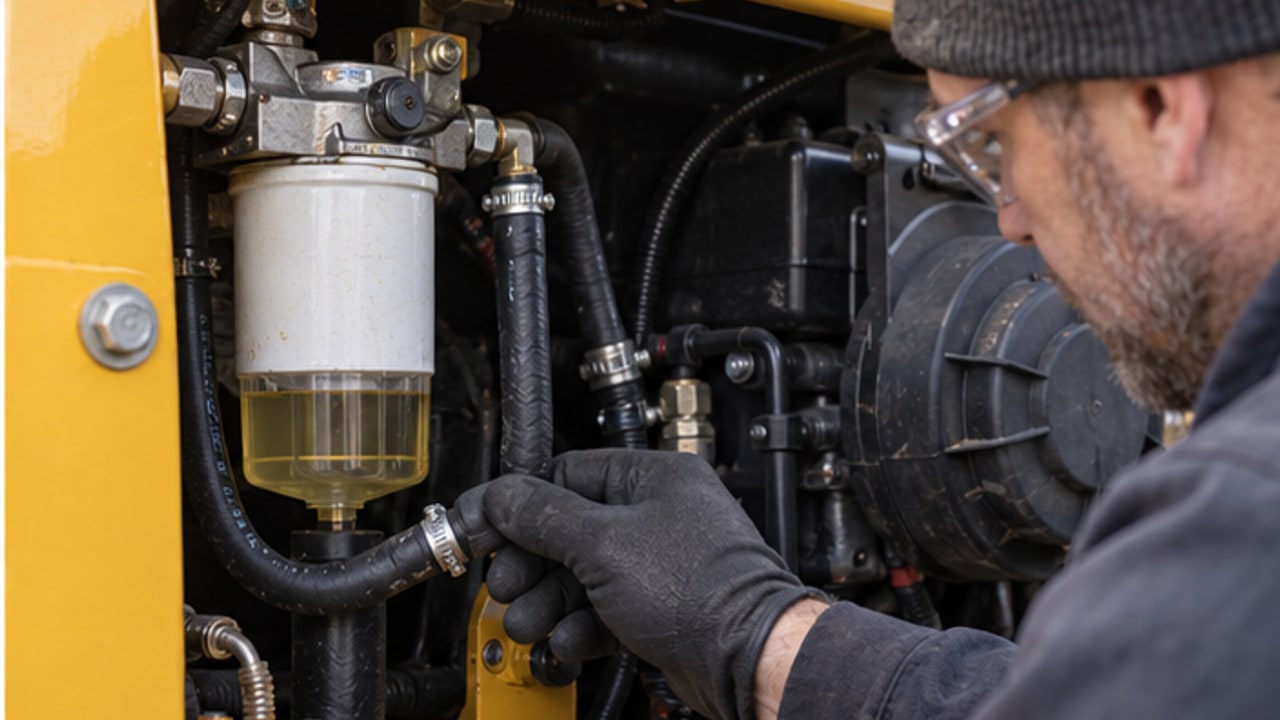
Begin with safe observations from the operator position: note whether the starter speed sounds normal, whether the display shows a fault, the outside temperature, fuel level and how long the loader sat. Check the fuel level and look from a safe distance for obvious wet spots or damaged hoses, without touching a leak. If the machine has a water separator or service indicator, inspect it only using the approved shutdown and pressure-relief instructions. Record whether the symptom appears after every overnight stop or only after filter service or refueling.
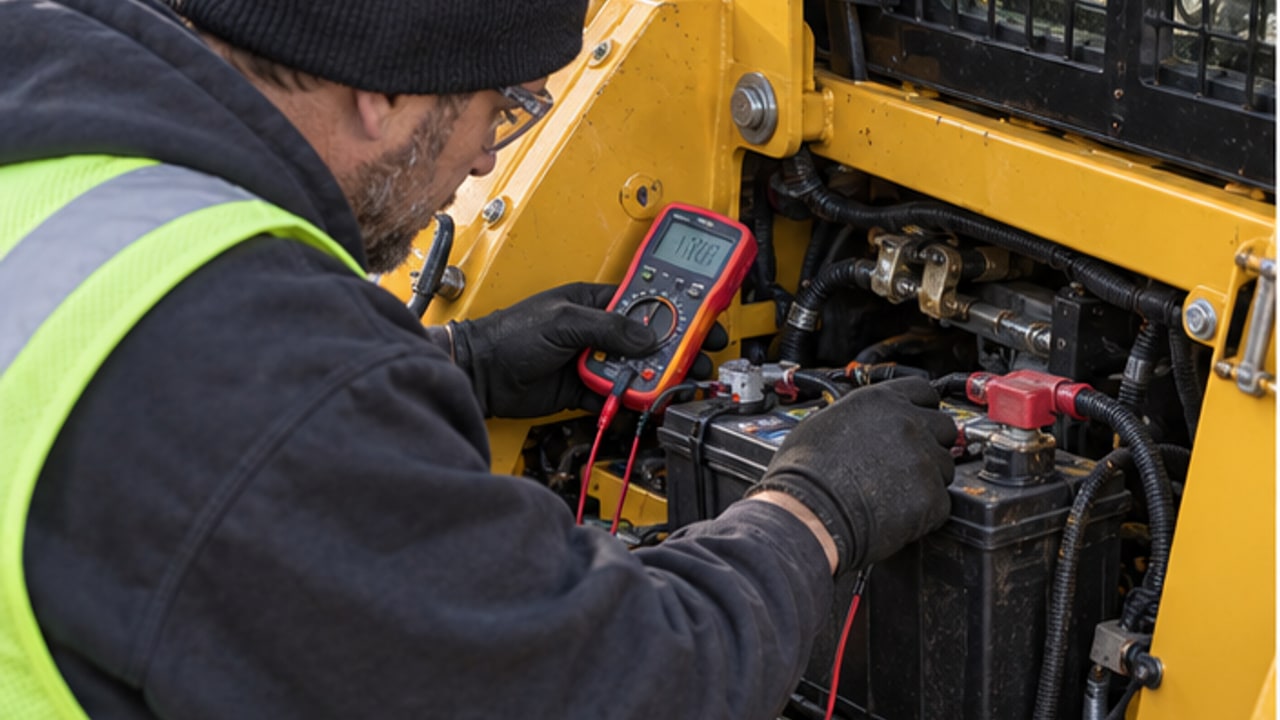
If the battery cranks slowly, stop repeated attempts and have the battery, terminals, ground path and starter system tested under the maker's procedure. If cranking is normal but the engine does not start, a technician can inspect the fuel filter seals, primer system, low-pressure supply, shutoff solenoid, preheat system and diagnostic codes. Modern common-rail injection can retain dangerous pressure after shutdown; never loosen injector pipes or search for leaks with a hand. High-pressure fuel diagnosis belongs to trained personnel with the right equipment.
skid steer loader ZGLOADER / MYZG
Start with the actual job cycle rather than a headline capacity. Record the load, load center, pickup height, travel route, final placement, surface, gradients, clearances and the number of cycles in a representative hour. This turns a general equipment question into a configuration that can be checked before an order is placed.
Measure the narrowest entrance, lowest overhead obstruction, turning area and stopping distance with the normal load carried. Include doors, columns, drains, ramps, parked vehicles, pedestrians and temporary barriers. A marked site drawing and current photographs help a supplier identify conflicts that are easy to miss in a specification table.
skid steer loader ZGLOADER / MYZG
Practical buyer answer
Usable performance must be confirmed in the final configuration. Attachment weight, load center, lift height, forward reach, tire choice, bucket material and operating surface can reduce the capacity available at the task. Ask for written confirmation of the exact machine, mast or boom, attachment and operating condition.
A good case review separates productive movement from waiting. Time the approach, pickup, travel, alignment, loading, return and idle periods. Site layout, traffic rules, pile position or attachment selection may save more time and fuel than simply ordering a larger engine or a higher nominal capacity.
skid steer loader ZGLOADER / MYZG
Visibility changes with every load and attachment. Cameras, mirrors, lights, alarms and remote controls can support the operator, but they do not replace a controlled route, suitable speed, trained personnel and a spotter where direct sight is restricted. Define exclusion zones before work begins.
Surface information is essential for stability, traction, braking, tire life and floor protection. Describe concrete joints, tile, asphalt damage, gravel depth, mud, loose stone, drainage and slope. Choose tires, supports and travel procedures for the most demanding normal condition, including wet weather where relevant.
Before each shift inspect structural members, pins, hoses, wheels or tires, forks or bucket, controls, brakes, steering, warning devices, guards and visible leaks. A defect that affects control, stability, load retention or emergency lowering must be corrected before the machine returns to service.
Practical buyer answer
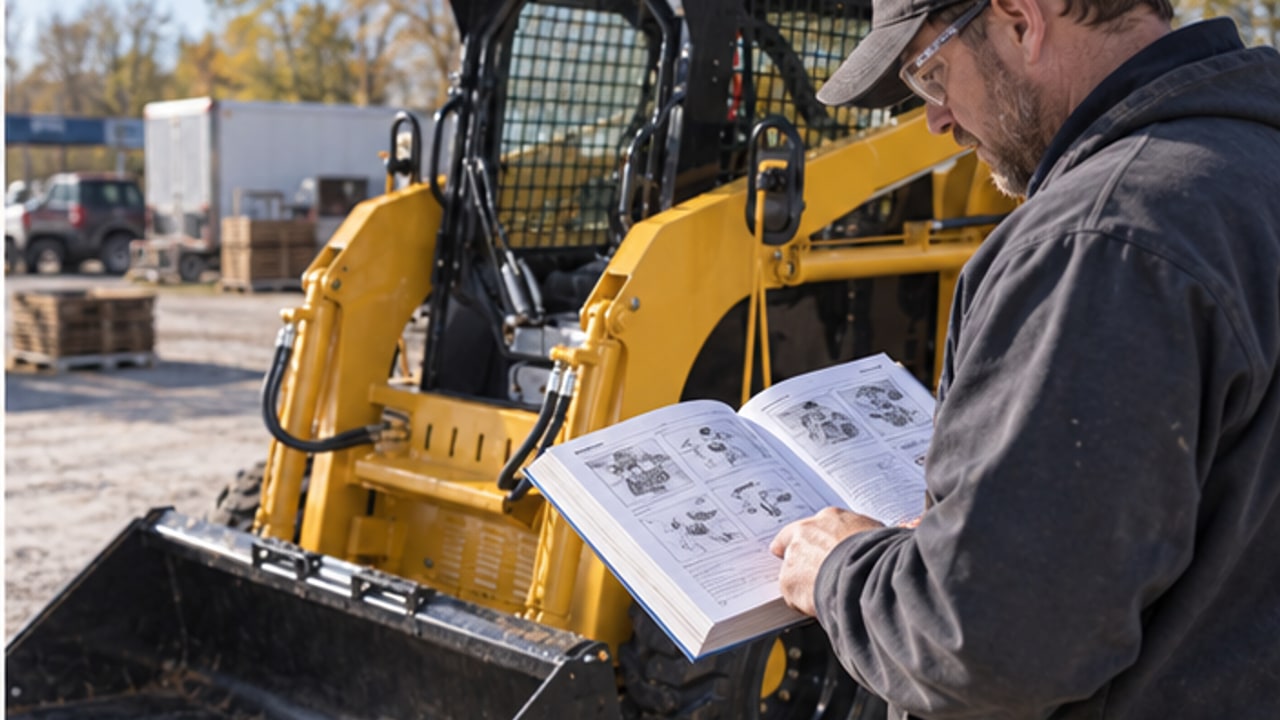
Plan maintenance and parts support before delivery. Confirm service intervals, filters, lubricants, battery or engine support, diagnostic steps, manuals and a practical starter stock of common parts based on annual operating hours. Accessible routine checks reduce avoidable downtime and help supervisors document service.
Compare cost per productive cycle rather than purchase price alone. Include fuel or electricity, labor, transport, attachment changes, routine service, tires, charging or cylinder handling, downtime and residual value. The economical choice is the machine that completes the real work reliably with an acceptable safety margin.
A useful quotation request states destination, quantity, hours per day, climate, required certification, load details, route dimensions, working height, attachments and delivery schedule. This written scope gives purchasing, operators and the factory one reference and reduces costly assumptions during production and commissioning.
Shandong Zhuogong Machinery equipment Co.,Ltd
ZGLOADER / MYZG
WhatsApp: +86 131 7691 0558
Email: MYZG@my-forklift.com
Website: https://www.my-forklift.com/
Post time:Oct.17.2026
