
How to Plan an Electric Wheel Loader Shift: Duty Cycle, Charging and Payload
Practical buyer answer: How to Plan an Electric Wheel Loader Shift: Duty Cycle, Charging and Payload ZGLOADER / MYZG electric wheel loader. Shandong Zhuogong Machinery equipment Co.,Ltd
Practical buyer answer
The first question for an electric wheel loader is not a brochure runtime figure; it is whether the machine can complete the site's actual work between planned charging opportunities. Map one representative shift from start-up to parking. Record material type, approximate bucket loads moved, travel distance, loading height, gradients, surface condition, attachments, waiting periods and any fixed break. Separate productive cycles from queueing and idle time. This simple log gives the supplier a realistic duty profile and helps the buyer avoid sizing the machine from an unusually light day or a short demonstration.
electric wheel loader ZGLOADER / MYZG
Describe the work in repeatable units. For a stockpile-to-truck task, note the number of passes, average route length, truck position, material density range and whether the loader waits for vehicles. For recycling or landscaping, include intermittent light work, frequent reversing and attachment changes. Bucket fill, tire slip, sharp turns, ramp climbs and long travel can change energy use substantially. A useful comparison records the same task, operator practices and site conditions for each candidate machine; otherwise an apparent runtime advantage may simply reflect a different workload.
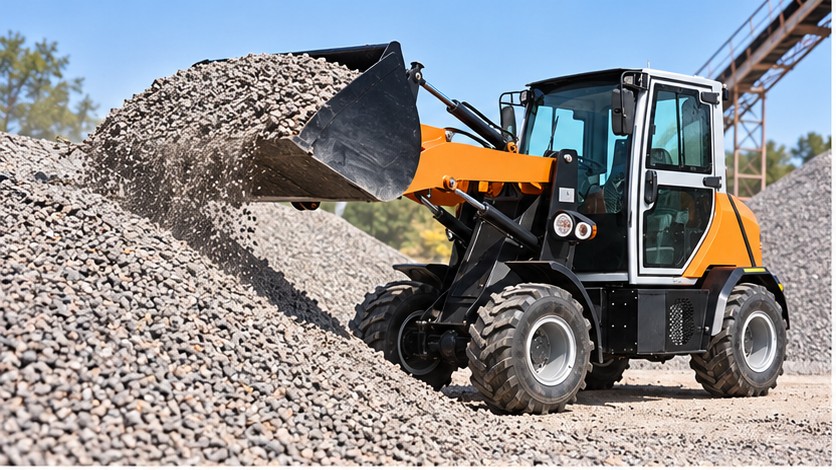
Treat battery capacity and runtime as configuration-specific information. Ask for the exact battery specification, approved operating limits, usable-energy assumptions, test conditions and the machine configuration to which any performance estimate applies. Cold or hot weather, gradients, material resistance, attachment choice, travel speed and operator technique can all change the result. Do not convert a catalogue estimate into a guaranteed number of hours. Request written technical data for the offered unit and plan a field trial around the heaviest normal shift, while preserving a reserve for delays and safe return to the parking area.
electric wheel loader ZGLOADER / MYZG
Check the charging arrangement before selecting a machine. Confirm the supplied charger model, connector, input voltage and current, installation requirements, protection and environmental rating with the equipment supplier and a qualified electrician. Verify that the facility's available supply can support the charger without overloading other essential equipment. Identify cable routing, parking position, weather protection, access control and safe clearance from traffic. If charging will happen at a temporary site, establish whether the approved supply can be provided there; do not assume that an ordinary outlet, generator or extension lead is suitable.
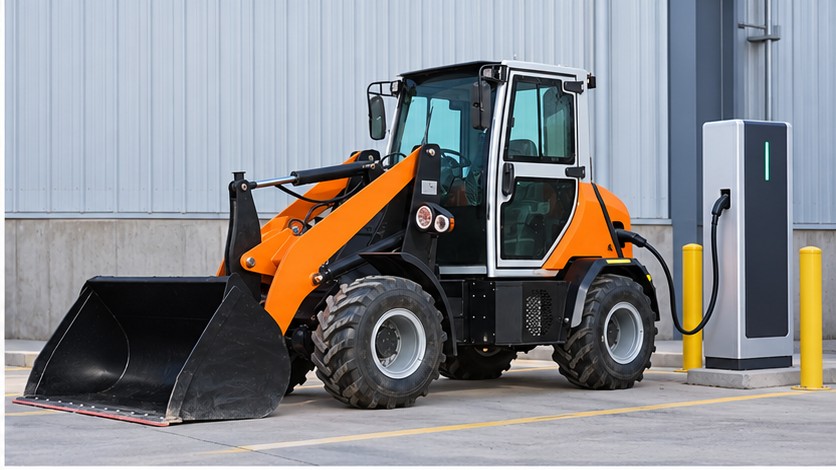
Build charging into the shift plan instead of treating it as an afterthought. Compare the time available during meal breaks, operator changes and overnight parking with the approved charging profile for the delivered battery and charger. Opportunity charging is appropriate only when the manufacturer permits it and the site can provide the required connection safely. Record state-of-charge at shift start and end during a representative trial, along with productive hours and pauses. This creates evidence for dispatch planning and helps identify whether a second charging window, a revised route or a different machine configuration is needed.
electric wheel loader ZGLOADER / MYZG
Practical buyer answer
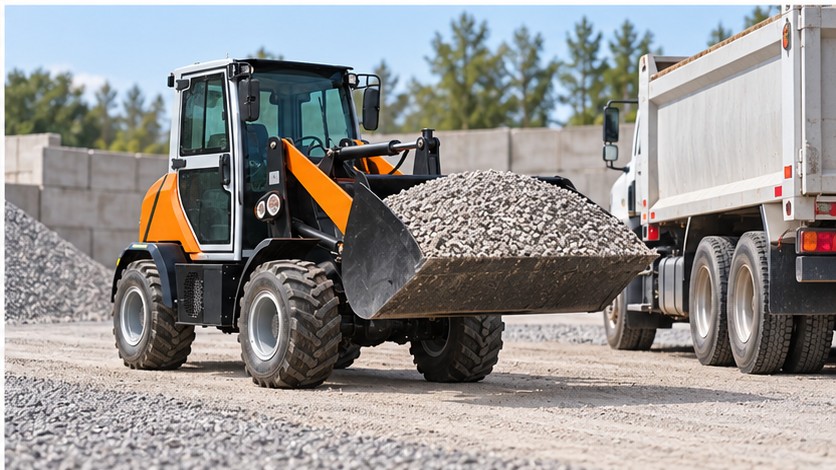
Payload and attachment selection remain central even when the powertrain is electric. Describe the material, density, bucket or tool, target truck or hopper height, ground conditions and cycle frequency. Ask the supplier to confirm the offered loader's rated operating information and permissible attachment combination rather than assuming that every bucket or fork option behaves identically. Oversized loads, unnecessary travel and repeated corrective passes consume time and energy while increasing tire and component wear. A route review may improve output more cheaply than changing to a larger machine.
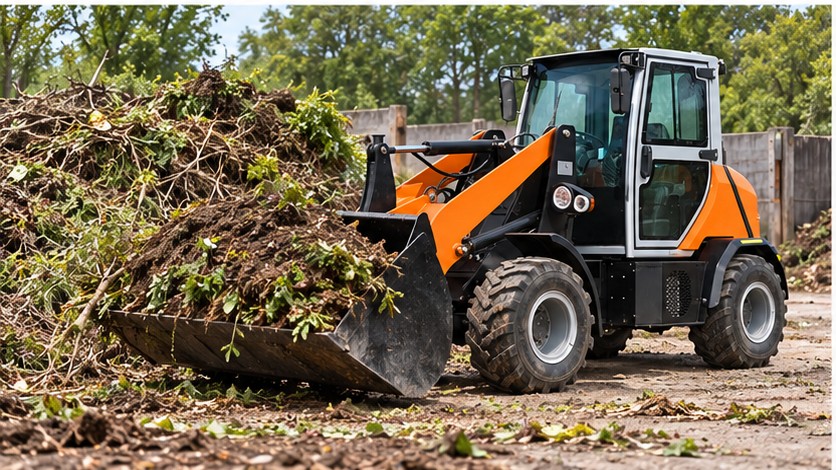
Include weather, storage and service conditions in the evaluation. Ask how the specified battery and machine should be charged, parked and inspected at the site's expected temperatures, and what procedures apply after a warning or an extended idle period. Operators should use only the supplied manual and approved charger; damaged cables, connectors, enclosures or abnormal heat require the prescribed stop-and-report response. Routine checks should cover tires, bucket linkage, visible hydraulic lines, lighting, alarms, charging equipment and any displayed warnings. High-voltage covers and electrical repairs belong to qualified personnel following the service documentation.
electric wheel loader ZGLOADER / MYZG
A buyer-ready enquiry should include the work location, daily hours, shift pattern, material, average and peak route, charging supply, climate, attachments, required documents and delivery timing. Shandong Zhuogong Machinery equipment Co.,Ltd can use these details to discuss an electric wheel loader configuration under ZGLOADER / MYZG and identify which runtime and charging questions need model-specific confirmation. Share photographs and a simple cycle log rather than relying on a generic estimate. For quotation and technical coordination, contact WhatsApp +86 131 7691 0558 or MYZG@my-forklift.com. The final operating plan should always follow the manual for the exact supplied machine and local electrical and workplace-safety rules.
Shandong Zhuogong Machinery equipment Co.,Ltd
ZGLOADER / MYZG
WhatsApp: +86 131 7691 0558
Email: MYZG@my-forklift.com
Website: https://www.my-forklift.com/
Post time:Oct.21.2026
