
Backhoe Loader Dig Depth vs Reach: Choosing a Machine for Utility Trenching
Practical buyer answer: Backhoe Loader Dig Depth vs Reach: Choosing a Machine for Utility Trenching ZGLOADER / MYZG backhoe loader. Shandong Zhuogong Machinery equipment Co.,Ltd
Practical buyer answer
A backhoe loader can combine front-end handling with rear excavation, but a trenching job should be sized from the actual trench profile rather than a single maximum dig-depth figure. Write down the required finished depth, trench width, length, soil conditions, pipe or conduit dimensions, bedding needs, spoil volume, access route and daily production target. Separate the deepest point from the normal working depth. A machine may reach a published maximum only in a particular boom, dipper, bucket and stabilizer position, which may not match the site setup used for ordinary cycles.
backhoe loader ZGLOADER / MYZG
Compare the full digging envelope: depth, horizontal reach at the required depth, reach at ground level, loading height and the ability to place spoil or material where the crew needs it. Ask for the specification drawing or working-range chart for the exact backhoe configuration. Clarify where measurements begin and end, whether the bucket or tooth tip is referenced, and which dipper or extension option is included. Do not treat maximum depth and maximum reach as simultaneous values; the operating envelope is a curve, not a rectangle.
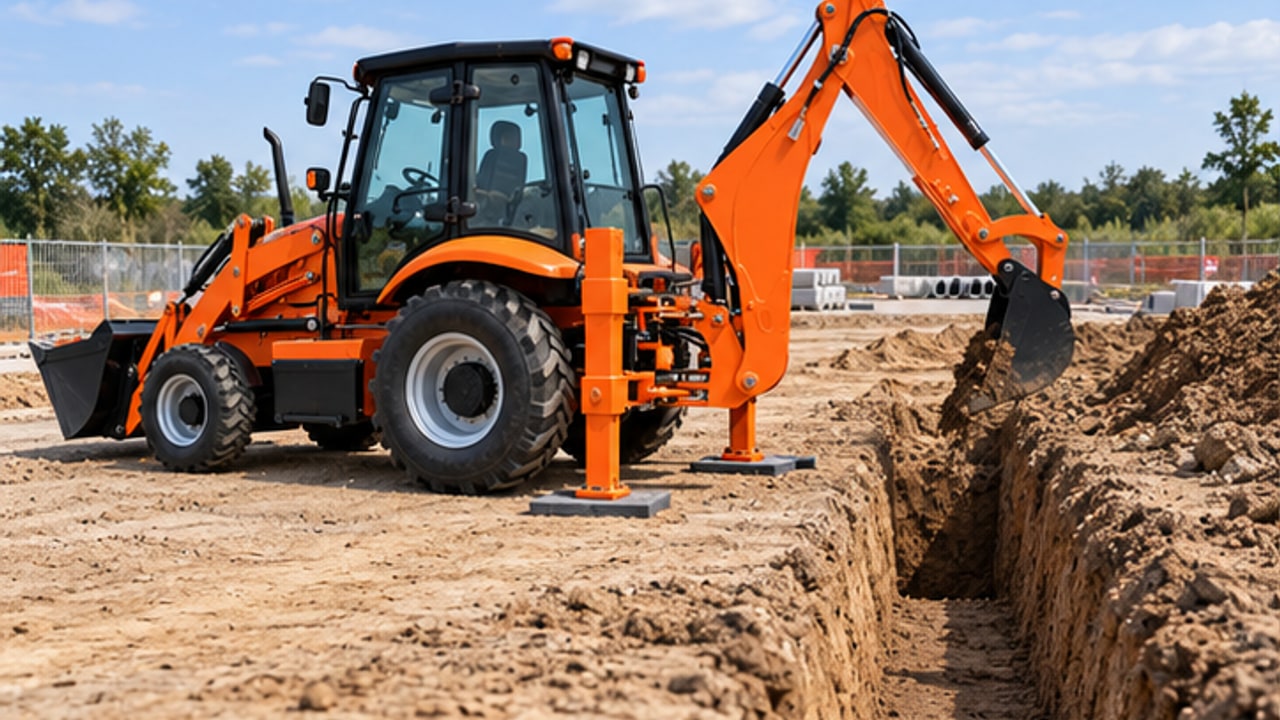
Plan the machine position and stabilizer footprint before choosing a model. Measure the trench line, distance to walls or traffic, room to deploy the stabilizers, space for the front bucket and the machine's turning path between setups. Note whether the loader must work from one side, reposition frequently or cross a finished surface. A backhoe that reaches the trench but cannot establish its approved working stance may not deliver a useful cycle. Use the machine manual and site plan to determine clearances; never reduce a required stabilizer spread merely to fit a restricted space.
backhoe loader ZGLOADER / MYZG
Bucket width is a production and reinstatement decision, not only a digging attachment choice. Match the bucket to the specified trench width, material, required profile and the downstream pipe or cable installation method. A bucket that is too wide can increase spoil and backfill volume; one that is too narrow may require extra passes or prevent the crew from achieving the required profile. Confirm tooth type, cutting edge, attachment interface and any approved quick-coupler arrangement with the supplier, and request the machine's compatible configuration in writing.
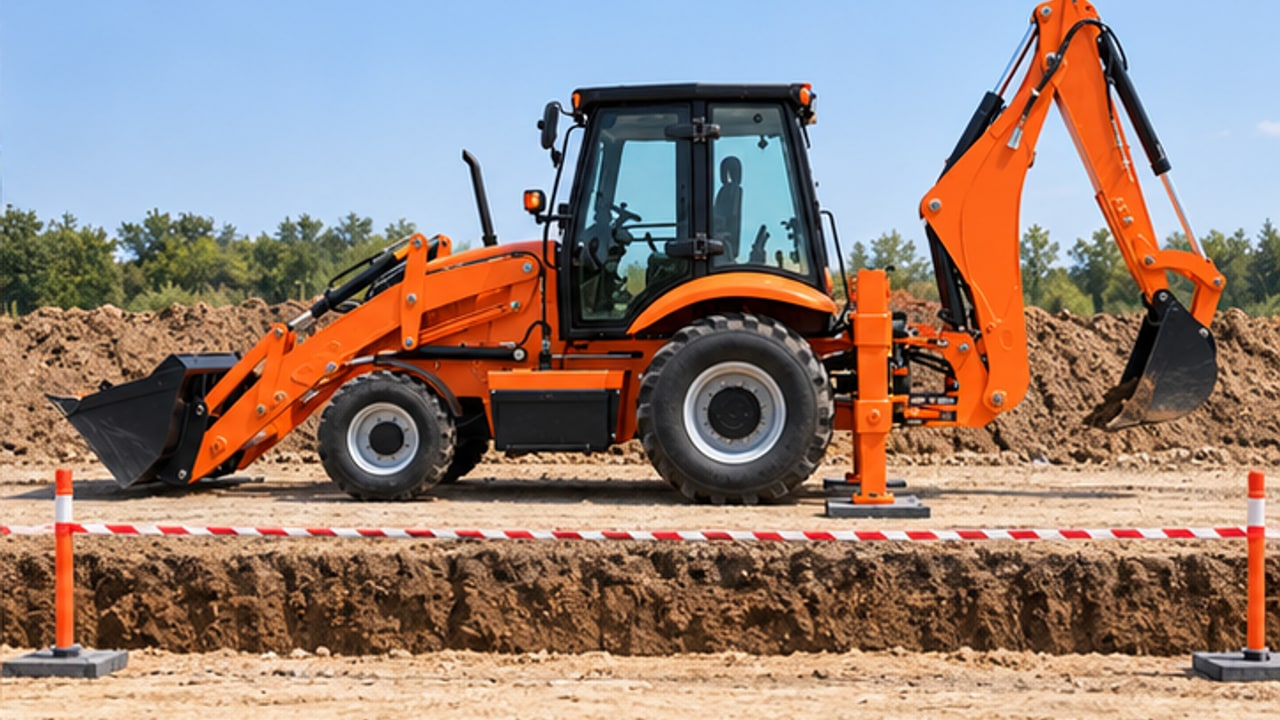
Soil and ground conditions can change practical performance. Describe whether the route includes compacted fill, clay, loose sand, gravel, wet ground, buried rubble or rock, and whether water management is expected. Reach figures alone do not tell you how the machine will behave in a given material. Confirm suitable bucket options, operating limits and service requirements for the soil and climate. If the work involves hard material, deep excavation, shoring, groundwater or unusual loads, have a competent site professional confirm the method and whether a different excavator or support system is required.
backhoe loader ZGLOADER / MYZG
Practical buyer answer
Spoil placement belongs in the layout. Decide where excavated material, pipes, bedding and backfill will be staged, while preserving required access and setback distances defined by the project plan and local rules. The rear boom's reach is useful only if the machine can place material without obstructing the trench crew, traffic or emergency access. Plan truck positions and front-loader tasks separately; frequent switching between loading and digging can add travel and repositioning time. A measured cycle plan often reveals whether a backhoe is suitable for the job or whether dedicated equipment is more efficient.
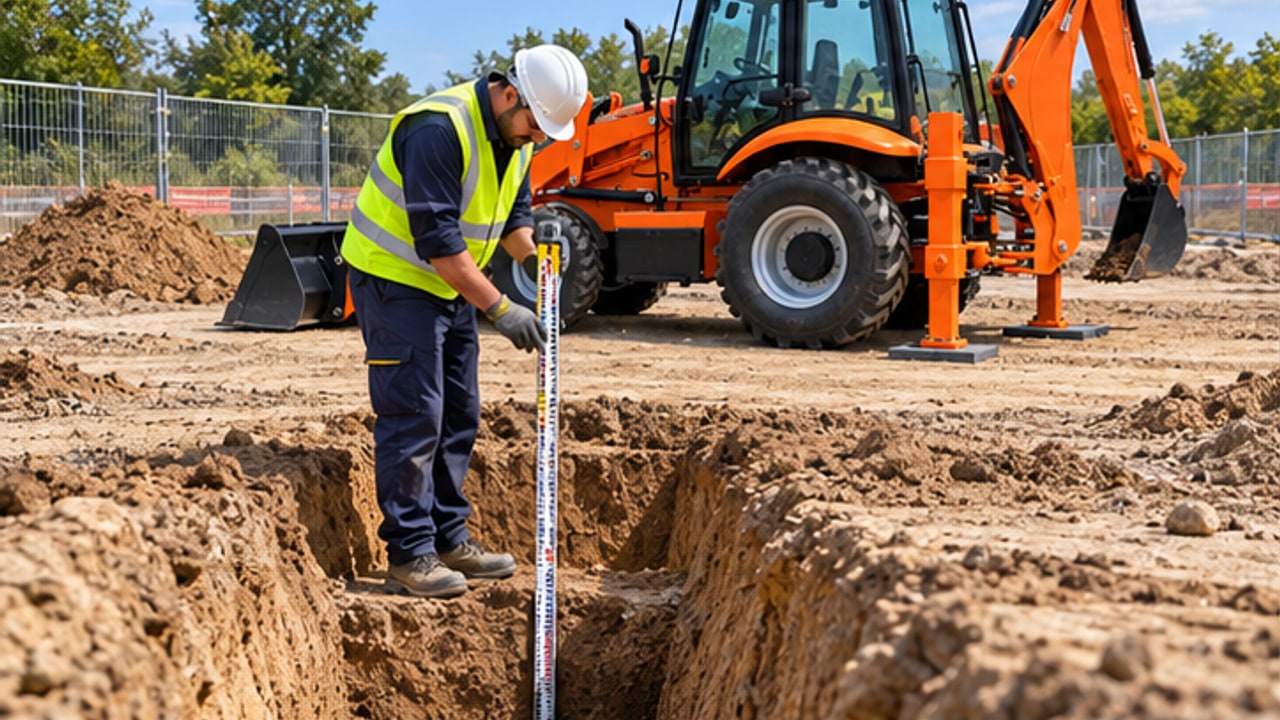
For utility work, locate and mark existing services before excavation using the required local process; drawings or a visual walkaround alone may not reveal buried lines. Establish a controlled work zone, a communication method between operator and ground crew, and a stop-work rule for unknown obstructions or changed ground conditions. Use the exact manual for setup, controls and approved limits, and follow the project engineer's excavation and trench-protection plan. No generic article or sales specification replaces a competent site assessment or applicable safety requirements.
backhoe loader ZGLOADER / MYZG
A useful comparison sheet includes target depth and width, trench length, soil description, required working reach, stabilizer setup area, loading height, spoil location, bucket profile, access constraints, daily hours and the number of moves along the trench. Ask suppliers to demonstrate or document the working range of the precise model and rear attachment. The ZGLOADER / MYZG 388H backhoe loader page can be a starting point; verify its current specification chart and options against the job before deciding that the machine meets the requirement.
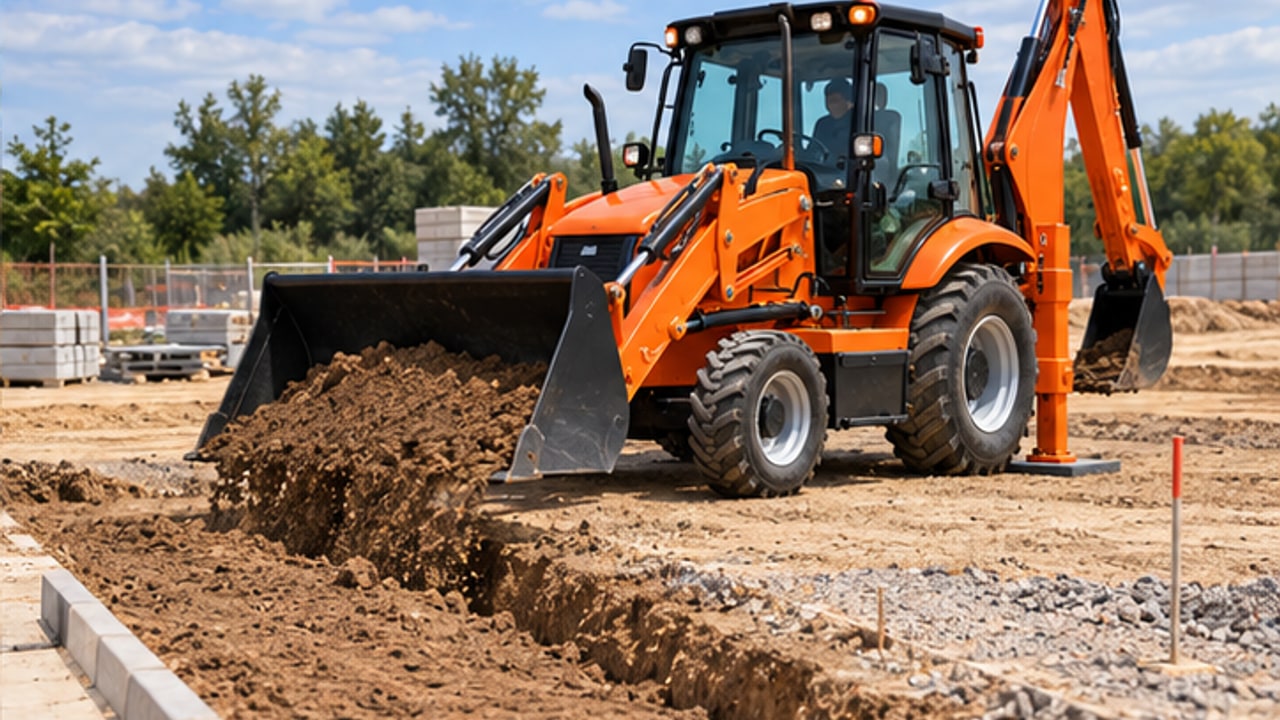
Shandong Zhuogong Machinery equipment Co.,Ltd can help buyers organize trench dimensions and compare them with the published machine configuration. Send a simple site sketch, required depth and width, soil type, spoil plan, photos of access and expected work cycle so the supplier can identify what needs confirmation. Contact WhatsApp +86 131 7691 0558 or MYZG@my-forklift.com. Final selection and operating procedures must be confirmed for the exact machine, attachment, project plan, site conditions and local regulations by qualified personnel.
Shandong Zhuogong Machinery equipment Co.,Ltd
ZGLOADER / MYZG
WhatsApp: +86 131 7691 0558
Email: MYZG@my-forklift.com
Website: https://www.my-forklift.com/
Post time:Oct.19.2026
